
Round Mirrors
Round mirrors give a wall a curved outline to compare with straight furniture and room edges. Start with the useful reflection, then check the full diameter and frame width. A larger outer circle can still contain less reflective area than you expect, so the actual measurements matter.
Read moreRead less
Look at the mirror beside furniture and at the view it will reflect. The curve should have a clear role rather than be chosen only because the room has straight lines. Mirrors cover the first viewing and installation checks. Compare circular proportion with frame material and intended fixing checked before the curved shape completes the wall.
Showing the single result
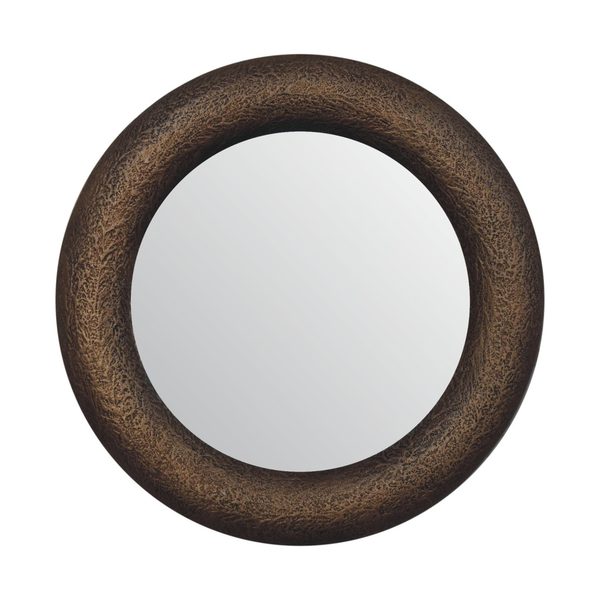

How much reflective area is inside the round frame?
Compare reflective dimensions separately from the full outer diameter. A broad frame can occupy a substantial part of the outline. Define the everyday viewing task and the position from which the mirror will be used instead of judging size from the circle alone.
Check the actual reflective form and available views, asking for missing measurements when needed. Shape does not establish a particular full-length or other viewing function. Rectangular mirrors offer another area and orientation comparison if the task needs a different proportion. Choose the circle because the useful view works, not because a large round frame appears generous in a styled photograph.
Does the curved outline relate clearly to the wall arrangement?
Measure available wall space and compare the full frame with furniture below or nearby. The curve may introduce another shape relationship, but its scale still needs to belong beside lamps, artwork and other room details.
Look across the room at what will enter the reflection, including the view from the main approach. A mirror adds that scene as well as its frame. Square mirrors offer a more contained straight-edged comparison when that proportion serves the wall better. There is no required exact width match with furniture; choose a deliberate full-room relationship after the reflection and supported location are clear.
Which frame and fixing facts should be settled first?
Read the actual frame material, finish and intended installation. A circle does not establish supplied fixings, wall suitability or leaning use. Follow the specific method and confirm requirements for the chosen wall with an appropriate installer where needed.
Keep frame care separate from the reflective surface, especially with combined materials. Timber mirrors focus on the wood frame question if that warmth is part of your brief. The round outline should finish a mirror whose practical view, full scale and installation fit the room. A decorative image should not leave support or maintenance as details to guess after purchase.
Frequently Asked Questions
Explore decorative mirrors when the next decision is the wall’s finishing role after the circle’s practical view works.