
Rectangular Mirrors
Rectangular mirrors give you a clear width-and-height relationship to compare with the wall and furniture around them. Start with the reflection you need, then decide whether the actual proportions support that task. A taller outline and a wider one create different views, but the product’s fixing instructions must support the intended orientation.
Read moreRead less
Compare useful reflective dimensions separately from the full frame. Then look at what the mirror will face in the room. Compare the rectangular shape and orientation, with the mirror category covering the broader viewing and installation choice. Do not assume a rectangle can rotate freely or provide a particular reflection from shape alone.
Showing the single result
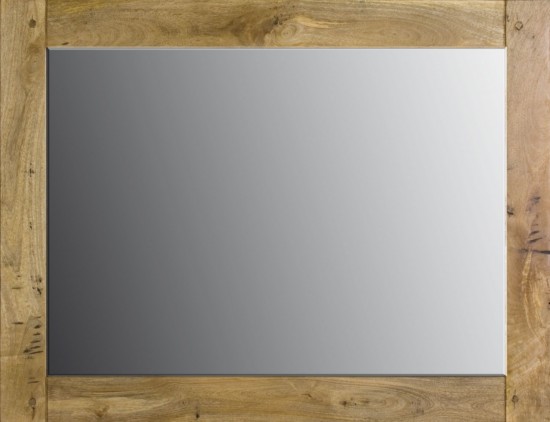
Does a taller or wider rectangle suit the viewing task?
Define where you will stand or sit when using the mirror and what area needs to be reflected. Compare the actual height and width with that need instead of outside size or a general portrait-versus-landscape rule.
Check the product’s intended orientation before including it in the plan. A fixing arrangement may not support rotating the frame even if the shape suggests it. Ask about missing reflective dimensions when they affect the task. A useful rectangle matches the real viewing position and supported installation, rather than a styled image that uses a different wall, furniture height or purpose from your room.
How do the straight edges relate to the wall and furniture?
Measure the available wall section and the full frame, including any broad border. Compare its horizontal and vertical lines with furniture, doors or other wall details. Decide whether the rectangle should repeat those lines or become a separate focal outline.
The facing view matters as well. Look across the room at the objects that will appear in the mirror rather than only the wall behind it. Round mirrors offer a contrasting shape relationship, while square mirrors provide another straight-edged proportion. Keep the actual reflection task fixed while comparing shapes so the frame decision does not reduce the useful area you need.
What frame and fixing facts make the rectangle practical?
Read material, finish and the actual mounting method. A timber frame should be described by its component specification; timber mirrors provide that separate comparison. Do not infer weight, supplied fixings or leaning use from a front photograph.
Follow the product’s intended installation and confirm requirements for the chosen wall where needed. Keep frame care and reflective-surface care separate. A rectangular mirror should fit the wall, view and support together before decorative finish completes the choice. The shape offers a useful proportion to compare, but it cannot establish all the practical details on its own.
Frequently Asked Questions
Explore decorative mirrors when the next decision is the wall’s finishing role after the rectangle’s practical view fits.