
Decorative Stools
Decorative stools should be chosen through both their visual form and the function the actual product supports. Start with where the piece will be seen: a doorway, beside a sofa or another ordinary room view can reveal different sides of the shape. Then read intended use. A sculptural appearance does not establish sitting, a side-table role or permission to support every object.
Read moreRead less
Use this collection to give the form a clear place rather than add a feature simply to fill an empty corner. Stools provide the broader purpose-and-fit guide. Mango wood decorative stools narrow a documented material direction, while living furniture helps compare surrounding seating. Choose shape and actual task together before finalising the room accent.
Showing the single result
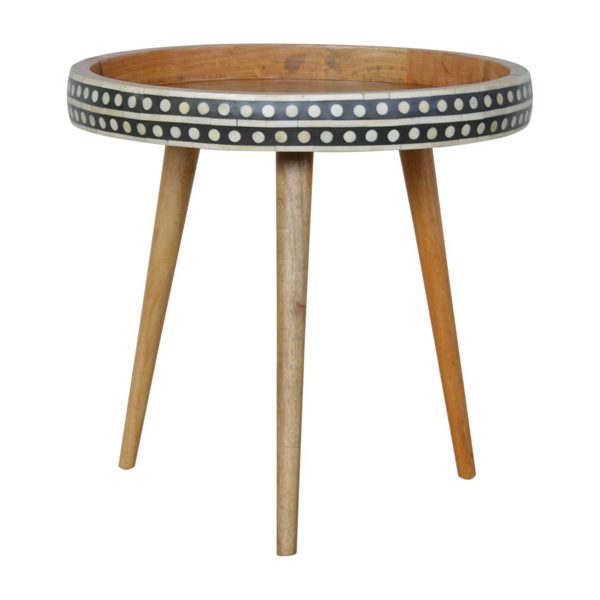

Choose the form from the room’s ordinary viewpoints
Review the stool’s front, sides and back rather than only a close detail. The top, base and any shaped outline contribute differently at standing and seated height. Decide which view matters at the planned position, then compare the piece with the nearby floor and furniture. A small object can still become a prominent accent.
Give it room to be seen without making it interrupt movement. A crowded grouping may conceal the feature that first attracted you. Choose a deliberate relationship with nearby furniture instead of repeating every material or colour. Black stools provide a darker outline direction, while natural timber stools focus on visible wood after the actual form and task are understood.
Confirm what the decorative piece is intended to do
Read supported use and actual loading guidance before assigning a furniture task. If sitting is documented, compare usable height and surface area with the person and routine. A strongly shaped body can include visual area beyond its contact surface. Do not substitute the decorative outline for usable measurements.
If another surface use is intended, confirm that separately and assess the objects within the stated guidance. A level-looking top does not establish a general table function. Fabric stools offer a covered-contact comparison where relevant. Choose the decorative form on a piece whose real function suits the room, with usable dimensions and a permitted surface task suited to that position.
Keep placement, contact and handling practical
Mark the complete footprint at the chosen position. Include projections and the movement needed for its documented task, then preserve approach to nearby seating. A sculptural accent should not leave the useful part of the living room harder to reach. Check dimensions rather than assuming a compact-looking object occupies little space.
Follow care for the actual surface and body, particularly where objects or hands meet it during use. Read assembly and handling guidance if the piece is moved regularly. Mango wood stools provide a wider material route, with intended use still needing comparison. Ask benssur about unclear function or usable dimensions before choosing a form that is attractive and practical at its real room position.