
Mango Wood Decorative Stools
Mango wood decorative stools should be compared as complete forms, with the actual material and intended use kept clear. Begin with how grain and tone meet the selected top, sides and base. A close-up can show an attractive wood detail without explaining the stool’s shape from the doorway or beside seating. Read which components are mango wood rather than assuming an all-solid body.
Read moreRead less
Use this collection to choose a sculptural feature that has a supported purpose in the room. Decorative stools provide the wider form-and-function guide. Mango wood stools compare the broader material decision, while living furniture helps assess nearby seating. Choose actual use and footprint before letting wood character justify a decorative piece that has no practical place.
Showing the single result
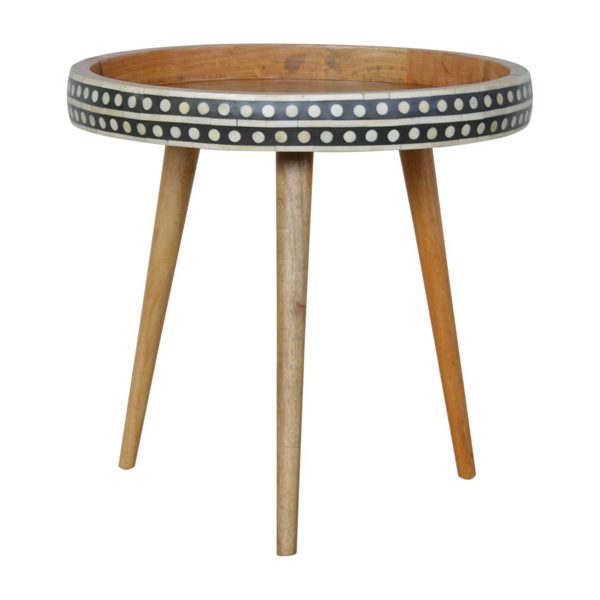

Read mango character across the whole sculptural form
Mango commonly has golden-brown areas and can show darker streaks, mottled grain or other tones; the selected coating also changes the finished appearance. Review the actual product’s top and sides instead of expecting one species label to establish a uniform shade. Where grain crosses curves or edges, compare that detail with the overall silhouette.
Decide which view matters at the room position. A small stool seen from above beside a sofa can emphasise a different wood area from one viewed through a doorway. Compare the selected finish with the floor and permanent furniture without demanding an exact match. Choose grain within the form’s visible role rather than using a single attractive pattern as the complete buying reason.
Give the wood accent a documented furniture purpose
Read intended use and any supplied loading guidance. If sitting is supported, compare usable height and contact area with the task. A solid-looking decorative body does not establish a sitting function for every design. If a separate surface task is supported, read its actual contact and loading instructions rather than assigning a table role by appearance.
Stools help compare the wider purpose and proportions. Plot the complete base and body at the proposed position, with approach to surrounding seating left useful. A sculptural form can occupy floor space beyond its usable top. Choose the actual role first so the mango material finishes a piece that belongs in the everyday room arrangement.
Choose the finish and handling you can maintain
Read the exact coating and care for the documented wood components. Mango wood does not mean untreated material or permission to oil, wax or sand the piece. Read any different top or support material and its own contact care. Ask about missing guidance where ordinary hand or object contact affects the purchase.
Do not infer reclaimed material, a certified source or a particular origin from the species name. Natural timber stools provide another visible-grain route after function is clear. Confirm dimensions, assembly and handling if the accent moves between positions, then ask benssur about uncertain use or finish details. Choose the sculptural wood piece through both its room presence and an understood maintenance routine.