
Mango Wood Stools
Mango wood stools should be chosen through the actual components and the furniture job they need to do. Start with whether mango wood forms the top, body or another specified area. A wood name does not establish solid construction throughout, and a brown-looking finish does not identify every hidden part. Read the material list separately from the coating.
Read moreRead less
Then compare usable height, contact area and supported use. Stools provide the wider purpose guide. Mango wood decorative stools focus more on the sculptural view, while timber stools offer the broader wood-construction comparison. Choose the actual stool for its task and room position before expecting species alone to explain comfort, loading or maintenance.
Showing all 11 resultsSorted by recommended
-
-
-
-
-
-
On SaleOriginal price was: $1,194.00.$1,134.00Current price is: $1,134.00.
-
-
On SaleOriginal price was: $486.00.$462.00Current price is: $462.00.
-
-
-
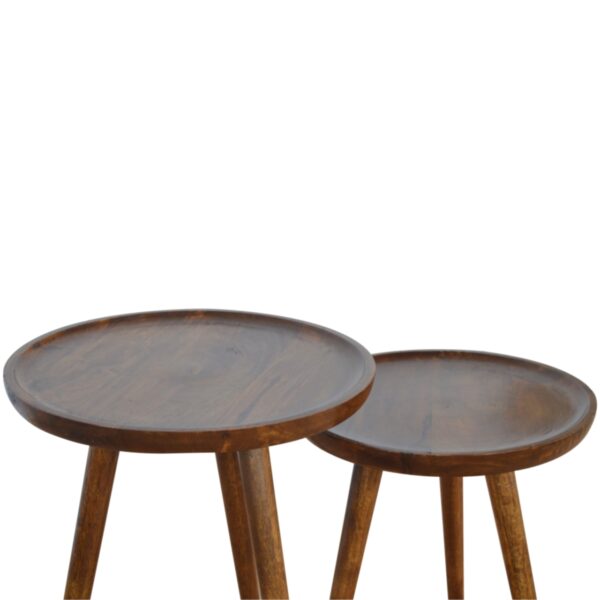

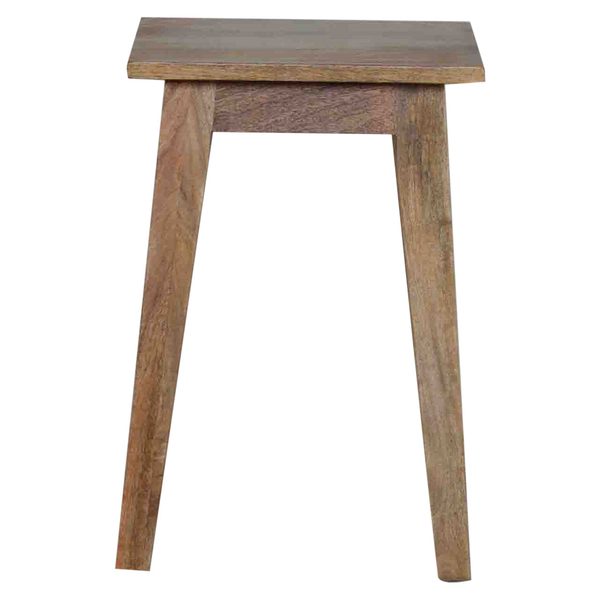
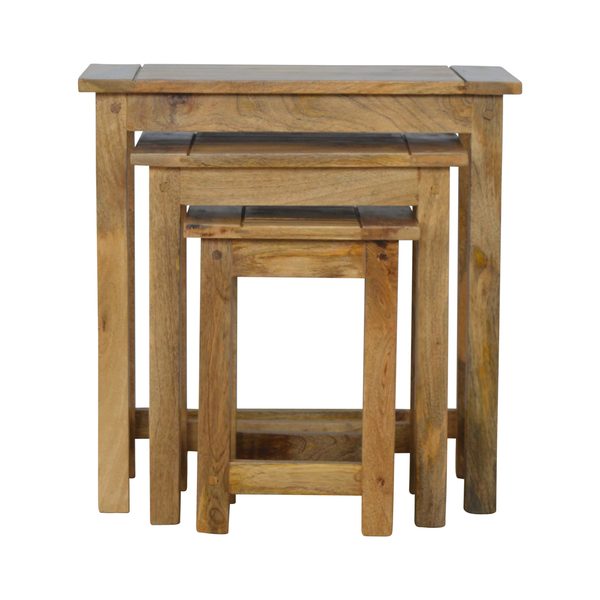
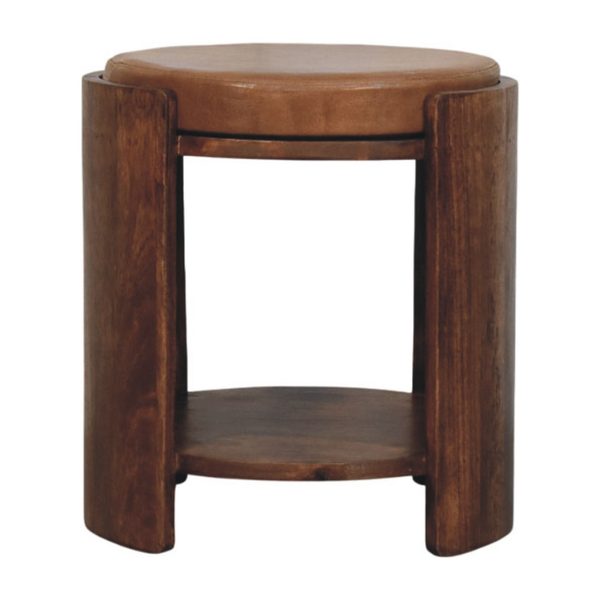
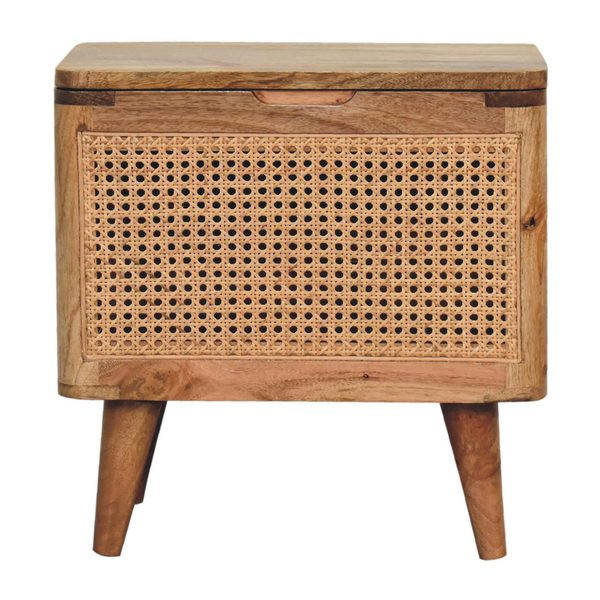
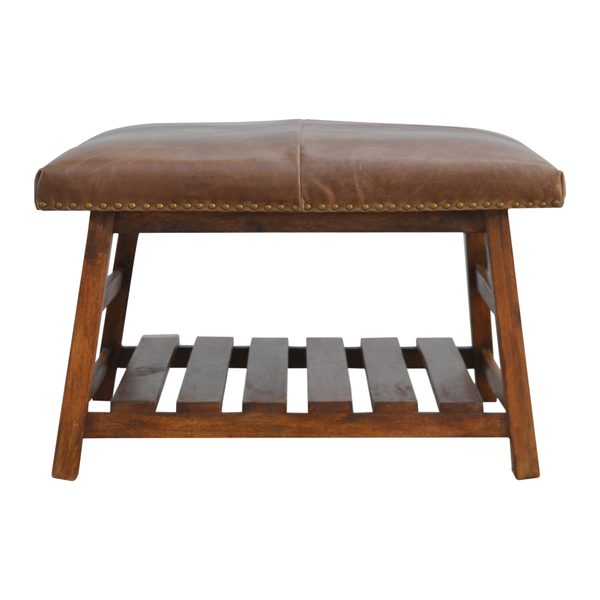
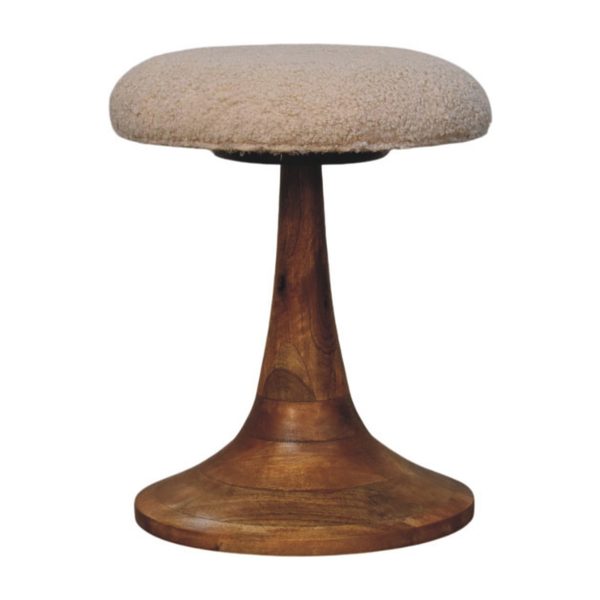
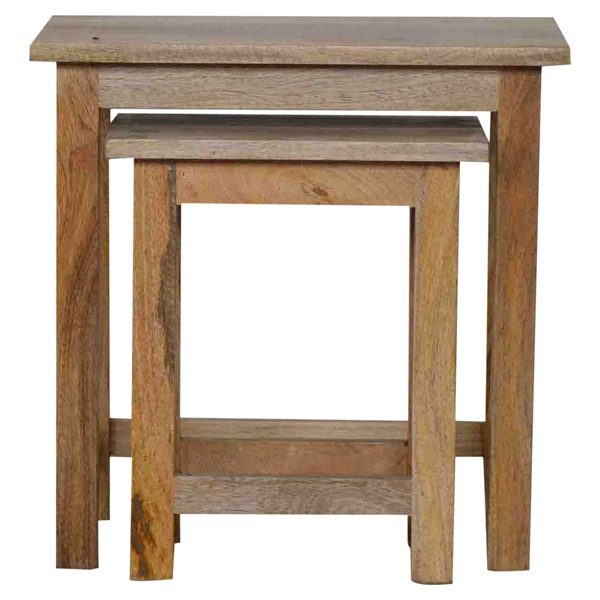
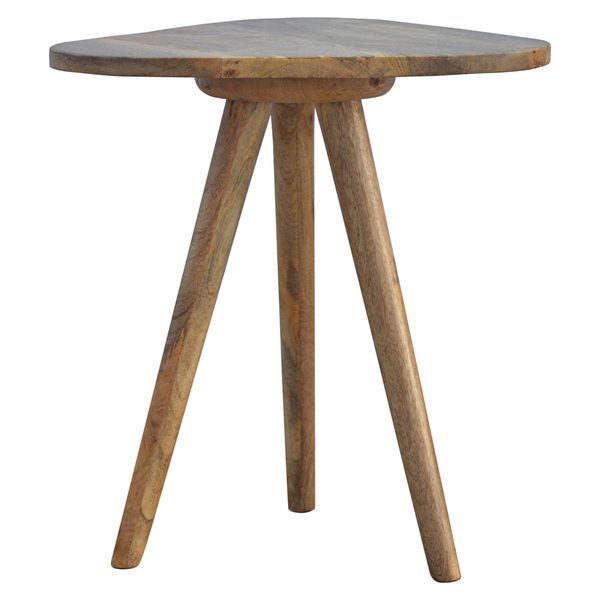
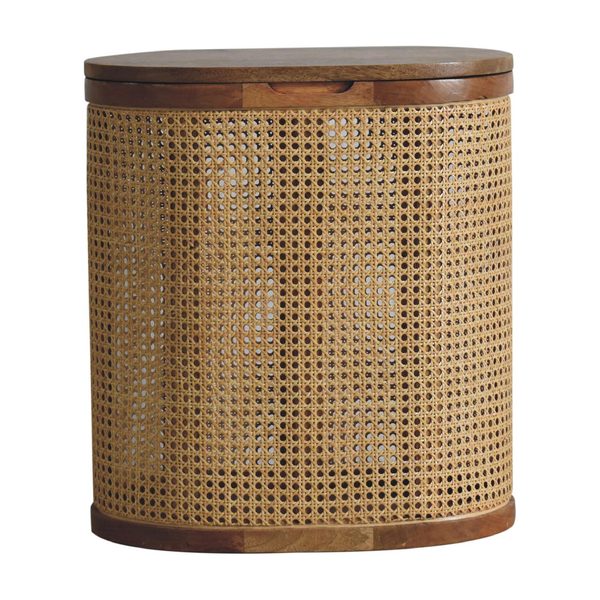
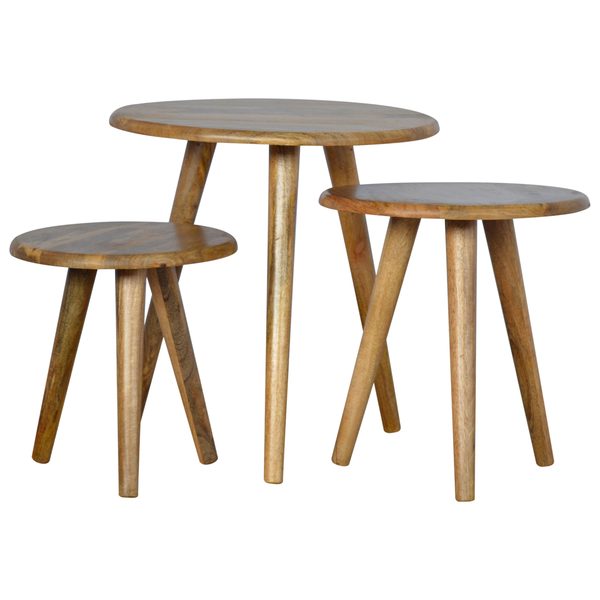
Choose mango grain on the top and supporting body
Mango commonly has golden-brown areas and can show darker streaks, mottled grain or other tones. Compare the wood actually visible on the top, shaped body and supports. A broad exposed top shows more pattern from beside the sofa than narrow legs; a curved body can reveal different areas from the doorway. Choose the amount of variation you want at that position.
Read the selected coating and expected variation when a particular shade or grain matters. Compare the whole finished form with nearby floor and furniture rather than expecting an exact species-based match. Check which components use mango and their construction, then assess usable sitting or other permitted contact separately. Ask about any sourcing requirement for the specific item; the wood name alone does not establish reclaimed origin or certification.
Choose usable proportions for the documented task
Confirm the intended function before comparing sitting or another contact role. Where seating is supported, read usable height and top dimensions with your own routine. A broad base or shaped body may occupy room beyond the contact area. Do not treat outer width as automatically equal to useful sitting space.
Plot the full stool beside surrounding furniture and allow the movement needed for its task. Natural timber stools provide a more grain-led direction once physical fit is clear. If another surface role is desired, confirm it explicitly rather than assuming the wood top supplies a table function. Select the practical candidates before choosing the mango finish that belongs in the room.
Read coating care and handling for ordinary use
Follow instructions for the actual finish where hands, objects or the documented sitting contact meet it. Mango wood does not establish an untreated surface or permission to use oil, wax or a familiar furniture polish. Check different components separately when their materials vary. Ask about incomplete care before making easy upkeep a condition.
Read actual dimensions and handling guidance if the stool changes positions regularly. A compact-looking wood body should not be assumed lightweight. Living furniture helps compare the surrounding arrangement. Confirm supplied parts and assembly, then ask benssur about unclear use or measurements. Choose the mango piece within a furniture routine you understand, with material character supporting a useful function.