
Fabric Stools
Fabric stools should be chosen through where the textile appears and what the piece is intended to do. Start with the actual top and body covering, then read the construction beneath it. Fabric does not establish filling, removable covers or a particular sitting height. A soft-looking small form can have a different supported purpose from the furniture beside it.
Read moreRead less
Use this collection to compare contact and care within a clear room role. Stools provide the wider purpose-and-fit guide. Bouclé stools focus on a looped textile direction, while leather stools compare a different documented covering. Choose useful dimensions and intended use first, then decide how the fabric relates to your sofa, floor and daily routine.
Showing the single result
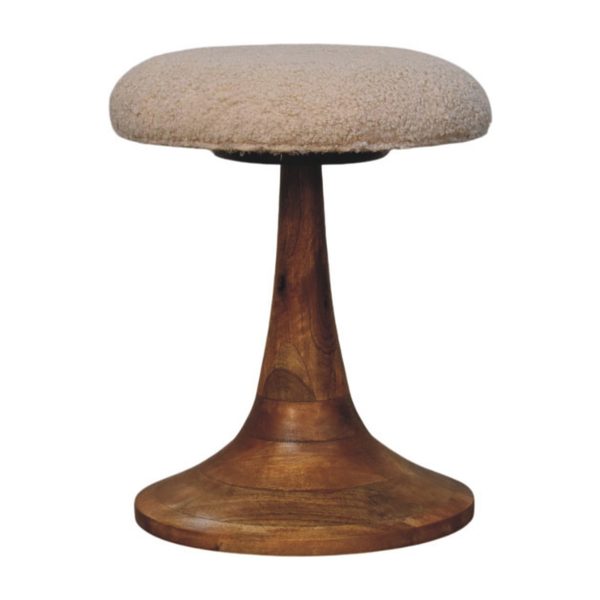

Read the fabric where it meets the top and body
Review close and full views of the selected covering. Textile only on a top contributes a different amount from a broadly covered stool body. Check seams and any exposed support material, then compare the actual texture with nearby seating. A related fabric can work without an exact match to the sofa.
Read composition and care for each covered component rather than assuming one blend throughout. Ask about missing information if surface feel or content is a deciding preference. Black stools provide a colour route once the covering is understood. Choose the actual visible textile area, not a fabric word detached from the stool’s shape and supported contact.
Keep the upholstered appearance within the actual task
Confirm intended use before selecting the piece for occasional sitting or another role. Where sitting is documented, compare usable height and surface dimensions with your routine, then read support and filling where stated. Upholstery alone does not guarantee a soft or comfortable seat for every person.
Plot the complete body beside the sofa and other furniture, allowing approach and the movement used for the chosen task. Decorative stools help compare form with function if the accent itself leads the brief. Do not assume a covered stool supplies a footrest or side-table role just because it sits nearby. Choose the task through actual product information before finalising the textile.
Choose care for ordinary contact and movement
Follow the selected fabric’s cleaning method and confirm any removable-cover feature separately. A zip or seam is not permission for machine washing. Consider the documented contact routine and ask about missing material guidance before choosing the stool on a maintenance assumption. Read any supplied stain or wear information for the exact covering used on the stool.
Read body and support care alongside the covering. If the piece moves between positions, check actual handling guidance rather than assuming its smaller form makes it easy to lift. Living furniture helps place it in the wider seating arrangement. Confirm supplied parts and assembly, then ask benssur about unclear use or dimensions. The fabric should belong to a stool chosen for practical everyday contact.