
Rattan Stools
Rattan stools should be compared through where cane appears and how the actual contact surface is supported. Natural rattan comes from climbing palms, but a stated synthetic rattan-look material is a different construction. Check whether the component is a frame, woven panel or another detail; the name does not establish one complete cane stool or the same surface everywhere.
Read moreRead less
Use this collection to choose the material within a clear furniture task. Stools provide the broader purpose guide. Timber stools offer another component direction, while decorative stools focus on form and supported function. Read usable dimensions, actual loading and care before treating an open-looking pattern as proof of comfort, a table role or suitable outdoor exposure.
Showing all 2 resultsSorted by recommended
-
Week’s PickOriginal price was: $599.00.$539.00Current price is: $539.00.
-
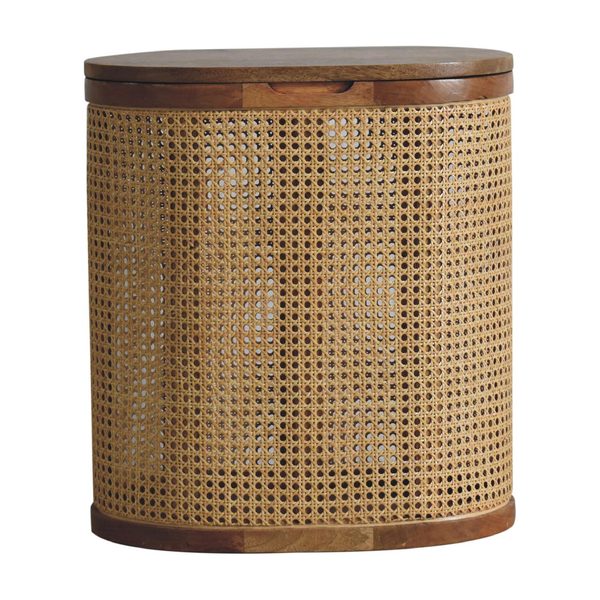

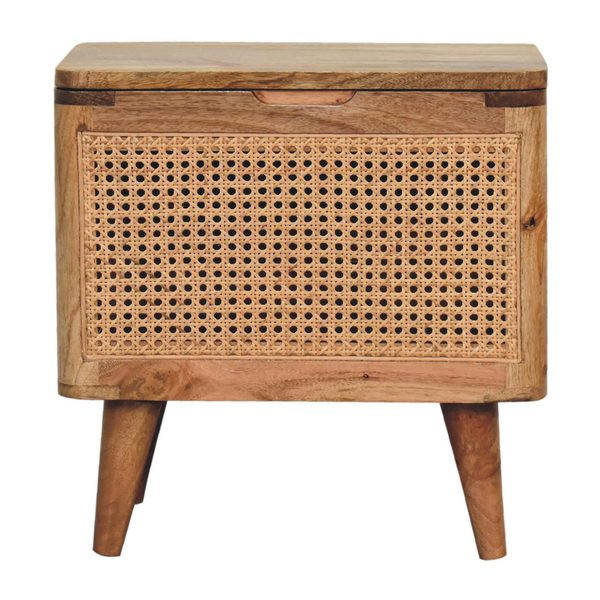
Identify cane coverage and the surface beneath the task
Read top, body and supports separately, then review the complete product views. A woven-looking top and a cane frame around another surface create different contact arrangements. Check how the material meets any rim or supporting edge. The outer body may include space that is not usable sitting or object area.
If seating is documented, compare that supported contact with the actual task and person. An open weave does not guarantee a preferred feel or sitting position. Fabric stools provide another covered-contact comparison. Choose the real rattan component and support rather than assuming every cane-labelled stool is a woven seat with equivalent proportions.
Choose the intended use before adding extra furniture roles
Read supported function and loading guidance before assigning the stool to the room. A woven or sculptural form does not automatically become a side table. If object use is documented, compare the actual contact surface and permitted routine rather than choosing it solely because it stands at a convenient height beside the sofa.
Plot the full frame and base with approach to surrounding furniture left useful. Living furniture helps compare that position within the seating arrangement. Do not infer outdoor use from a natural-looking material: read the actual intended setting. Choose the rattan piece for a real supported role, with its texture finishing the room rather than supplying unconfirmed functions.
Follow care for the weave, finish and other components
Read the actual natural cane or synthetic alternative and its coating guidance. Woven detail, surrounding frame and another top material can need separate care. Do not borrow water treatment or a cleaner from another rattan-looking item. Ask about incomplete instructions before choosing the stool on a maintenance assumption.
If the piece is moved frequently, check handling and dimensions rather than assuming every open-looking form is light. Natural timber stools offer another visible-material route after purpose is settled. Confirm assembly and supplied parts, then ask benssur about unclear contact or use details. The cane character should belong to a stool whose actual routine is practical and understood.