
Leather Stools
Leather stools should be chosen through the exact covering and the purpose the selected piece supports. Start with where leather is documented: a top or broadly covered body creates a different contact and visible area. Check whether that covering is genuine leather, microfibre leather or another leather-look material before comparing leather finishes. Read the components separately.
Read moreRead less
Then compare finish, usable dimensions and the room position. Stools provide the wider task-and-fit guide. Fabric stools offer another covered surface, while decorative stools focus on form and actual function. Choose the real construction for the intended use before deciding that a leather-looking accent should also supply sitting, a footrest or another furniture role.
Showing all 4 resultsSorted by recommended
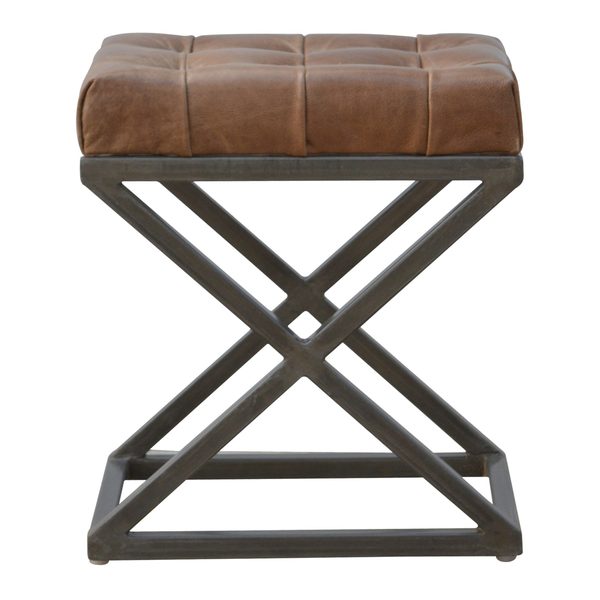

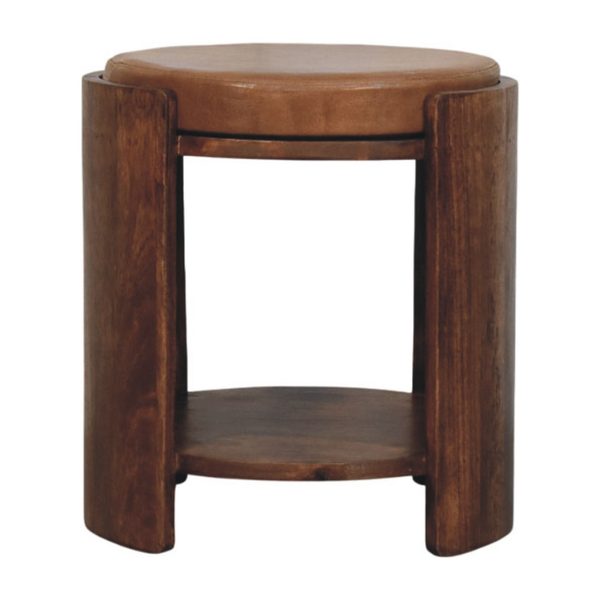
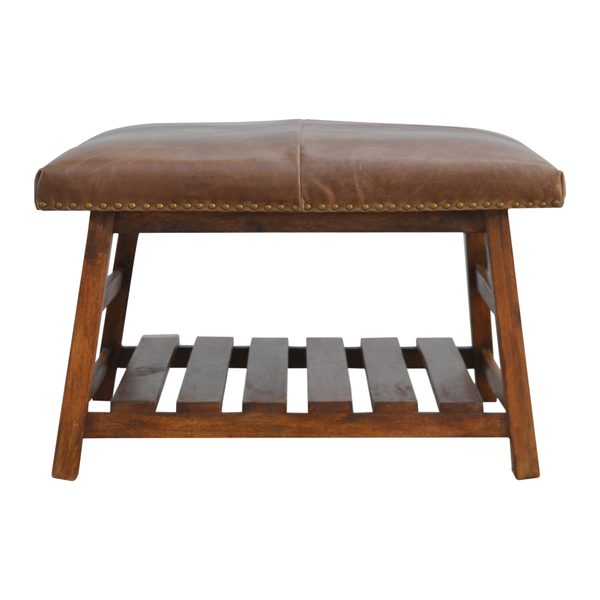
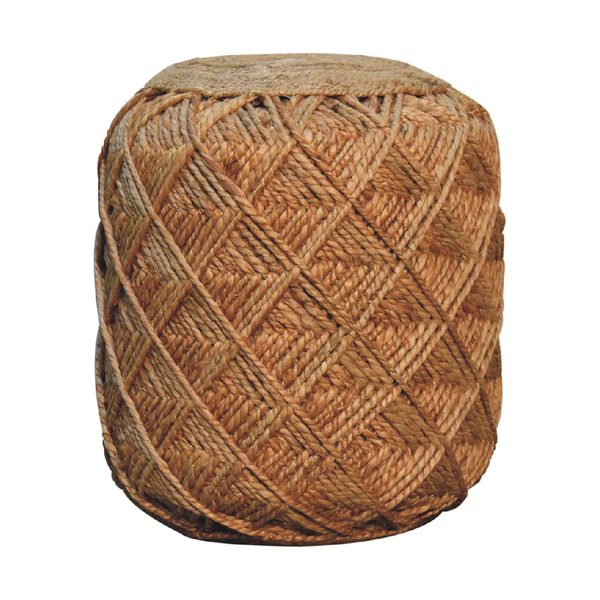
Compare genuine leather finish across the actual stool surface
Where genuine leather is documented, read its finish before judging the grain. Aniline leaves natural grain visible without a surface coating or with a non-pigmented one; a pigmented finish conceals natural grain or surface. These descriptions explain a useful appearance difference, rather than ranking the complete stool. Do not assign a finish from an image.
Review top, sides and seams where present. A smaller curved body may show the covering differently from a broad flat seat, so judge the actual form. Compare its tone and sheen with nearby furniture without expecting an exact leather match. Read the selected covering and finish before choosing the grain and cleaning routine for that top or curved body.
Choose supported contact and dimensions before the leather accent
Read the stool’s intended use and any actual loading guidance. If sitting is supported, compare usable height and surface area with the task, along with the construction beneath the covering. Leather does not establish filling or personal comfort. A substantial covered body can include visual space beyond the useful contact zone.
Plot the full footprint and movement beside surrounding seating. Black stools offer a darker colour route after material and purpose are clear. Do not infer a footrest or table function from a leather-looking top or a convenient position near the sofa. Choose the leather finish after the stool’s intended use, usable top and occupied position fit the task.
Follow care for the selected covering and finish
Read contact-care instructions before using conditioner, cleaner or polish. A method permitted on another leather item may be unsuitable for this finish or a synthetic alternative. Ask where composition or coating information is incomplete. Keep the covered surface’s care separate from another body or support material.
If the stool is moved during ordinary use, follow actual handling guidance instead of treating a smaller upholstered form as automatically light or portable. Living furniture provides the wider arrangement comparison. Confirm supplied parts and assembly, then ask benssur about uncertain usable dimensions or intended use.