
White Outdoor Benches
White outdoor benches can create a light seating accent against planting, darker paving or another background. Compare the whole form in the intended setting rather than one finish sample. Beside a pale wall, the outline may sit more quietly; against a darker surface, it can become a stronger feature.
Read moreRead less
Then confirm the actual materials, exposure guidance and care. White does not establish weather resistance or a particular coating, and the full base still needs a practical place. Outdoor benches cover those first site checks. Decide how much light colour you want in view from the garden and from inside the house. A narrow frame can create a small pale detail, while a broad seat or back can become a clearer feature. Check that complete shape in the position where people will use it.
Showing the single result
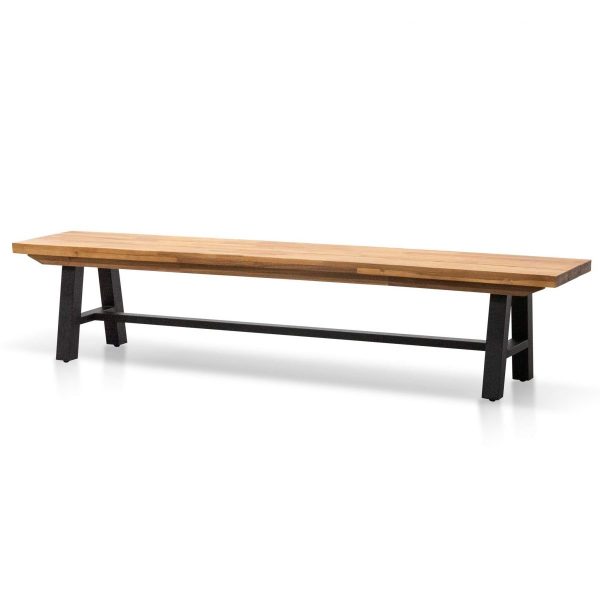

Should the light bench blend with the building or stand apart?
Look at the proposed position from the usual approach and seated area nearby. Compare white with paving, walls and the view around it. A broad pale form contributes differently from a smaller light seat on a contrasting base.
Read the actual shade and components rather than expecting all whites to match existing outdoor furniture. Shape still determines how much of the bench is visible. Black outdoor benches offer another contrast direction, while timber outdoor benches focus on a wood material choice. Keep site and usable seat requirements fixed when judging those appearances so a palette decision does not create a practical compromise.
What finish care belongs to the actual white components?
Identify the materials and coating on seat, frame and any other part. Colour should not create a shared cleaning method or a promise that outdoor marks will disappear. Follow the instructions for ordinary dirt and frequent hand or shoe contact.
Ask about exposure suitability and any maintenance or protection requirements for the selected product. Do not infer a painted-timber structure, fade resistance or washable cushions from a light photograph. If different materials share the same colour, their care may still differ. Identify the areas touched regularly, including the seat edge and any arms, and follow their finish care. Plan how to reach the back and lower frame for ordinary cleaning when the bench is in place.
Can the pale form remain practical when people use it?
Compare usable height, depth and length with the intended task, then mark the full base and occupied area. Include room to approach, sit and rise without blocking doors or a garden path. A light colour does not reduce physical space.
Check the supporting surface and follow assembly or securing guidance for the actual design. Garden benches focus on a resting view and its approach. If dining is important, compare real seat-to-table fit separately. Mark the occupied position on the site with the full base included. Once approach and rising space work, look from the usual route to decide whether the pale outline should blend with the building or stand against planting.
Frequently Asked Questions
Explore outdoor furniture to plan the wider setting around the light bench.