
Rectangular Coffee Tables
Rectangular coffee tables offer a clear lengthwise surface to compare with the sofa and the items you use together. Start with usable top area: a tray, book and ordinary drinks may need different zones rather than one crowded display. Then check the corners within the room route. The rectangular shape keeps width towards the ends, but that same outline needs to fit where people stand and pass.
Read moreRead less
Use this collection to test the whole table against your seating, not just its visual length. Oval coffee tables change the end outline, while square coffee tables offer a different balance of length and width. Compare actual dimensions for each shape before choosing a centre surface.
Showing all 5 resultsSorted by recommended
-
On SaleOriginal price was: $1,023.00.$900.00Current price is: $900.00.
-
-
-
-
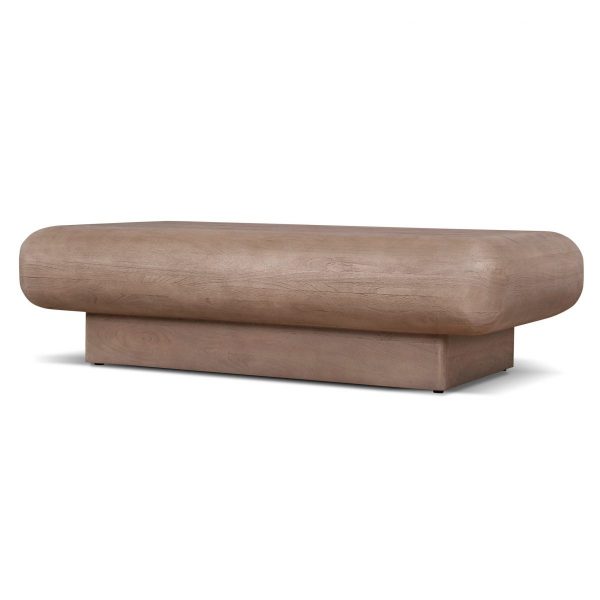

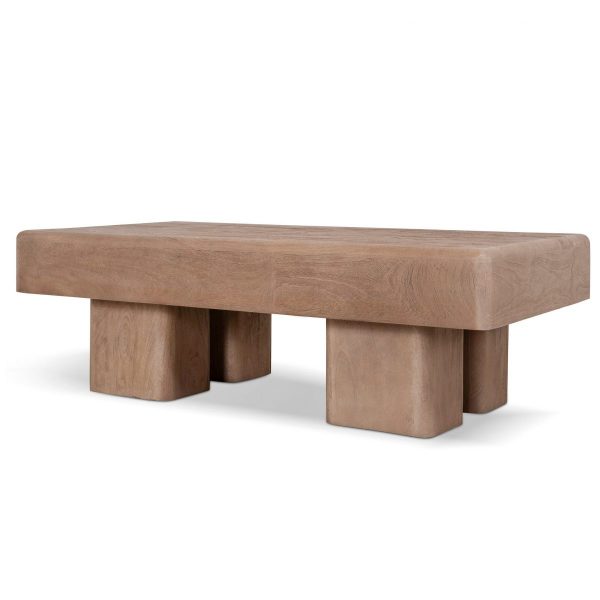
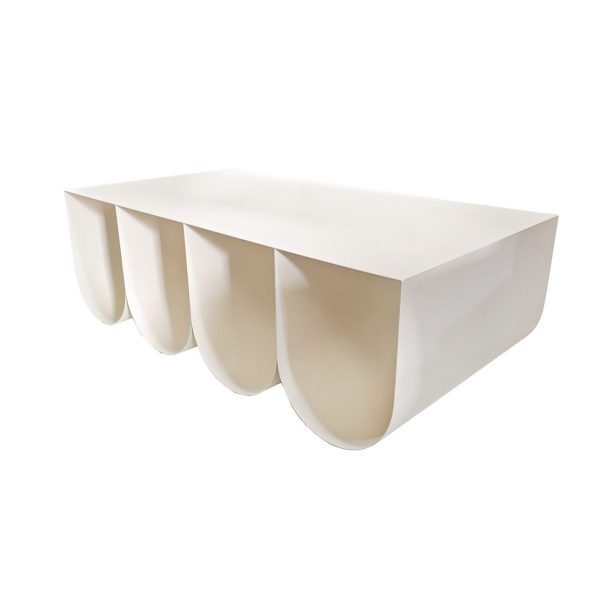
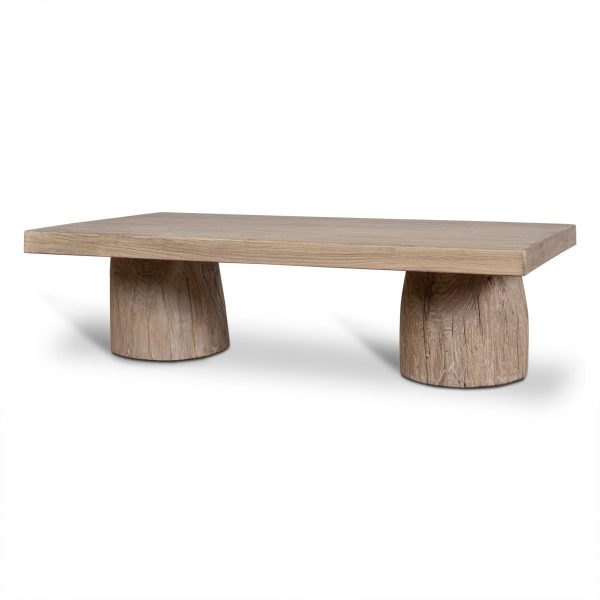
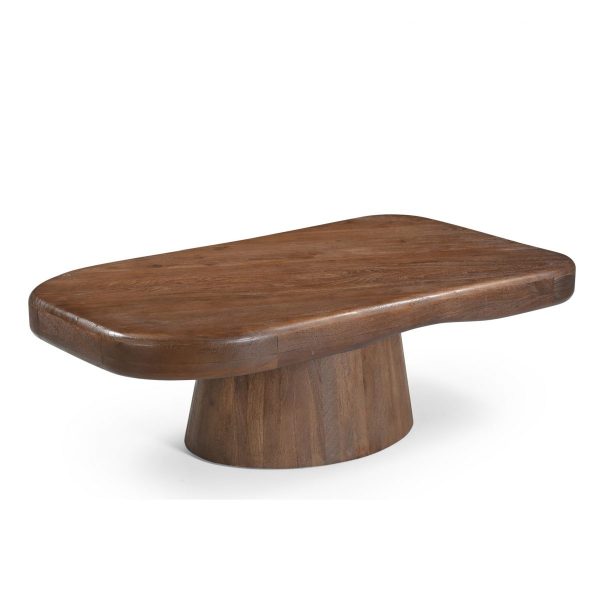
Use length to organise shared serving without excessive reach
Map the top along the seats that use it most often. Extra length can place surface near different people, but width and distance from the sofa still affect reach. Compare height with the actual seat and test the routine of putting down a cup. Do not choose a long table solely because it matches the sofa’s visual proportions.
Arrange your usual tray and reading items on the proposed top. A rectangle can keep distinct zones, provided its actual dimensions support them. Leave working area rather than filling the full surface with a permanent display. Coffee tables provide the wider reach guide if that practical fit is still unresolved.
Check the four corners in the ordinary walking route
Plot the complete rectangular top and base in the everyday layout. Trace the path from the door to the seating and the space used when someone stands up. The ends may sit near a chair approach or narrow the route around the sofa. Use actual measurements rather than expecting the shape to suit every long room.
Compare oval tables on the same plan if the end outline is the problem. If overall size is the limit, small coffee tables focus on a separate compactness decision. A different shape does not automatically create useful access; each candidate needs its complete footprint tested beside the fixed furniture.
Compare the base and storage through the long outline
Review the table from seated height as well as above. Legs or another support may occupy a different outline beneath the rectangular top. Check their projections and cleaning access. If drawers or shelves are documented, measure their usable openings and movement separately from the main top dimensions.
Coffee tables with drawers focus on concealed access, while shelf coffee tables consider visible storage. Confirm the actual feature instead of assuming a long table has extra capacity. Read surface care, assembly and supplied parts before ordering. Ask benssur about an unclear base or storage measurement so the straightforward rectangular surface belongs to a workable table.