
Square Coffee Tables
Square coffee tables give the seating group a surface with similar length and width. That can create a clear central arrangement, but it also means depth deserves as much attention as the side facing the sofa. Start with how people use the centre: a shared tray, books or several places to put down drinks. Then check reach and the route around every corner.
Read moreRead less
Use this collection to compare the equal-sided outline against your actual seating plan. Do not choose square solely for visual balance if its depth crowds the room. Rectangular coffee tables offer a lengthwise alternative; round coffee tables change the corner outline. Compare dimensions and the same everyday serving items before deciding.
Showing all 3 resultsSorted by recommended
-
Week’s PickOriginal price was: $887.00.$736.00Current price is: $736.00.
-
On SaleOriginal price was: $733.00.$645.00Current price is: $645.00.
-
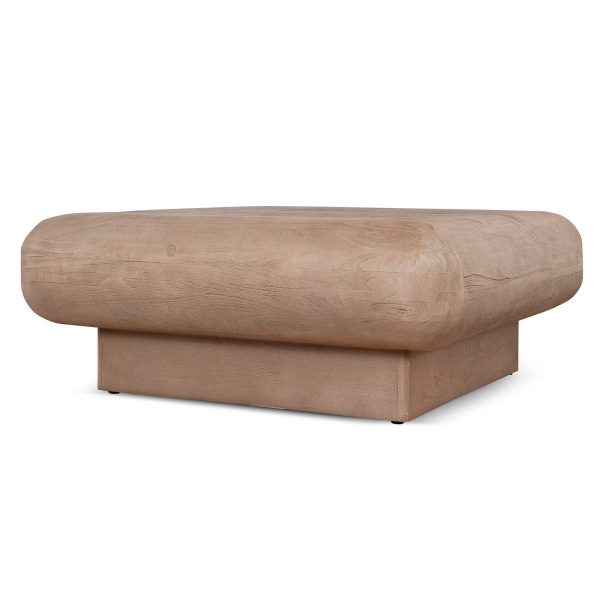

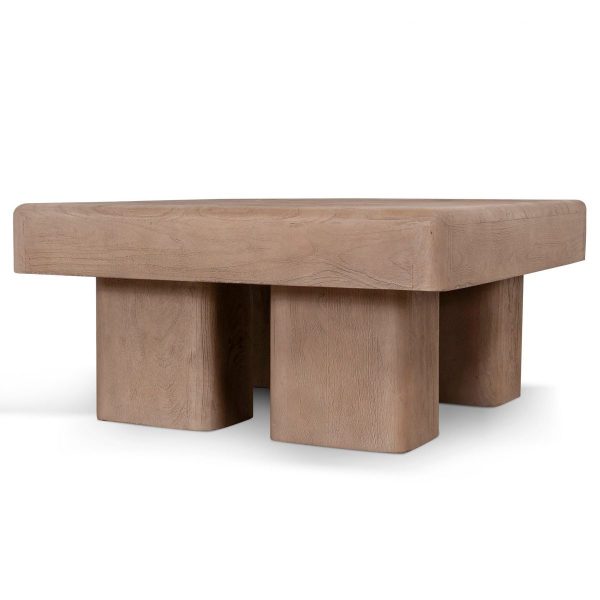
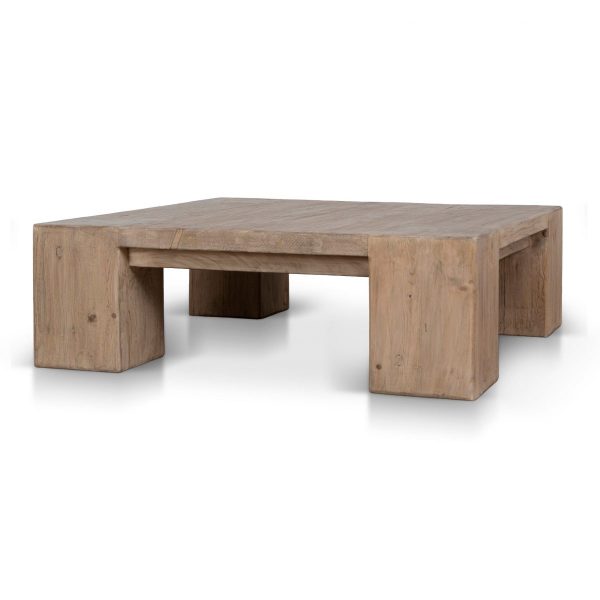
Use the square top for a clear shared task
Lay out the tray or objects that need to stay together. A square surface can provide useful depth around a central group, but only if the actual dimensions suit it. Keep accessible working area at the sides used most often rather than placing a large display in the centre and expecting everyone to reach around it.
Compare height and position from the actual sofa. A deep top may put objects on the far side outside convenient reach. Coffee table sets offer another arrangement if distributing surfaces would serve separate seats better. The square should be chosen for the task it performs, not to create symmetry on an empty plan.
Check depth and corners through the whole seating layout
Mark all four sides and include the support beneath them. Check standing space from the sofa and the path towards a separate chair or doorway. A square with the desired frontage can still extend too far into the room because its depth follows the same scale. Use the actual footprint, not only the edge nearest the sofa.
Compare small coffee tables when overall size is the constraint. If the room needs a long surface without the same depth, test a rectangle on the identical plan. Shape changes the distribution of area, but no format automatically preserves access. The useful decision is the full route with people and furniture in place.
Compare the support and finish around the central outline
Review the table from seated height to see how legs or a base sit beneath the square top. Their footprint may differ from the surface and affect cleaning access. If storage is documented, compare usable compartments and opening movement as separate measurements. Do not assume a square body establishes extra capacity.
Read material care and loading for the intended serving routine. Timber coffee tables or glass coffee tables offer different surface directions once the layout works. Confirm assembly and supplied components. Ask benssur about unclear top or base measurements before choosing a square centre whose visual balance still needs a practical room fit.