
Glass Coffee Tables
Glass coffee tables make the surface and what lies beneath it part of the living-room decision. Check the actual glass finish first: a transparent top has a different visual role from a tinted or otherwise specified surface. Where you can see through it, the base, rug and any lower contents remain part of the composition. That openness does not reduce the real footprint the table occupies.
Read moreRead less
Use this collection to compare glass specification, base shape and room fit together. Read the selected product’s care and handling information instead of assuming one type of glass construction. Coffee tables cover the wider height and reach decision. Glass side tables offer another role if a nearby surface rather than a central table is needed.
Showing all 3 resultsSorted by recommended
-
On SaleOriginal price was: $749.00.$659.00Current price is: $659.00.
-
-
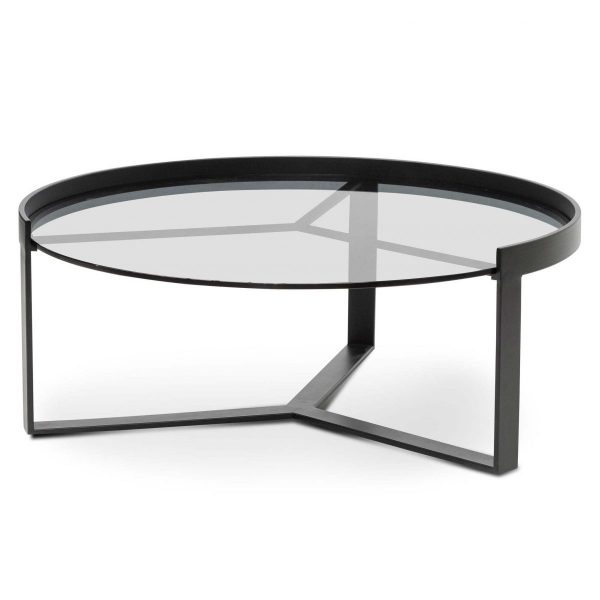

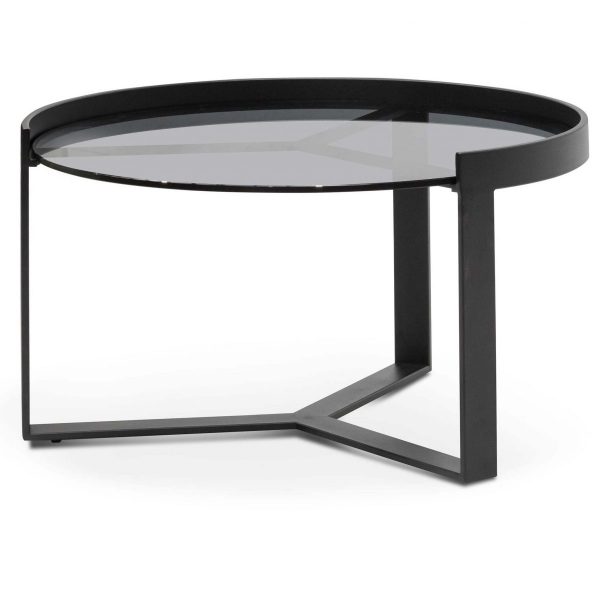

Look through the surface as well as at its outline
For a transparent design, compare the base and rug from seated height. Supports that seem minor in a top-down photograph may be prominent through the glass. A strongly patterned rug or visible lower shelf can also contribute to the table’s appearance. Decide whether that layering suits the room rather than assuming transparency makes every arrangement quieter.
Read the stated glass finish and review several views of the selected item. Do not presume all glass tops are clear or show what is below equally. Coffee tables with shelves provide a useful comparison when visible lower storage is part of the plan, with its own clearance and loading questions.
Measure the physical glass table beyond its lighter appearance
Plot the assembled top and base with the sofa and walking route. Check any projection, including supports extending beyond the glass. A visually open surface still needs room when people stand, pass or reach across it. Compare the table height with the actual seat and your ordinary serving routine.
Test the usable top against a tray or larger book. Shape matters through dimensions and position, so compare round coffee tables and rectangular coffee tables on the same room plan if the outline remains open. Do not choose a broader glass table simply because it appears less visually solid in a photograph.
Read the glass and care specification before daily use
Check the actual glass construction, edges and any stated treatment in the product information. Do not infer a safety treatment, scratch resistance or loading capacity from the collection name. Follow the selected item’s instructions for assembly, cleaning, handling and placing objects on the surface. Ask where relevant information is missing.
Consider the routine of cleaning both the visible top and areas beneath it. A transparent surface may expose objects or dust that a solid top conceals, so practical access matters. Small coffee tables offer another footprint direction, while benssur can clarify glass or base details. Choose the surface only when its real specification suits the room and intended use.