
Round Coffee Tables
Round coffee tables put a circular surface into the seating group. Start with diameter and position, then test the routes around it. A continuous curve changes the outline compared with a rectangle, but it does not guarantee a smaller footprint. A broad circle can still reach too far towards the sofa or a separate chair. The useful choice is how the actual top serves the seats and objects you use.
Read moreRead less
Use this collection to compare the circle with your living-room plan. Check the base as well as the top and include normal standing space. Oval coffee tables offer more length in one direction; square coffee tables retain fuller surface towards their corners. Choose shape through dimensions and ordinary use.
Showing 1–24 of 27 resultsSorted by recommended
-
Week’s PickOriginal price was: $1,049.00.$871.00Current price is: $871.00.
-
On SaleOriginal price was: $1,329.00.$1,170.00Current price is: $1,170.00.
-
On SaleOriginal price was: $1,029.00.$906.00Current price is: $906.00.
-
-
-
-
-
-
-
-
-
-
-
-
-
-
-
-
-
-
-
-
-
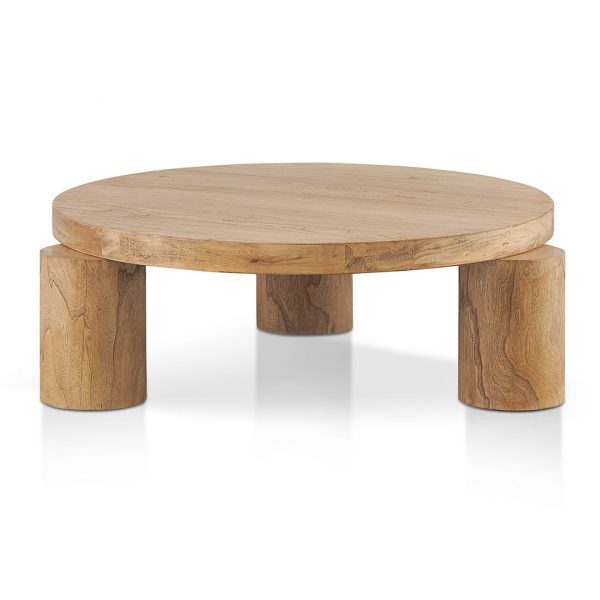

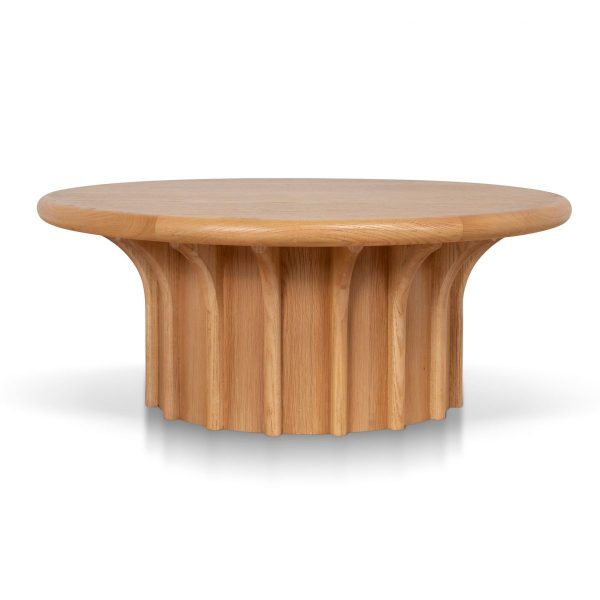
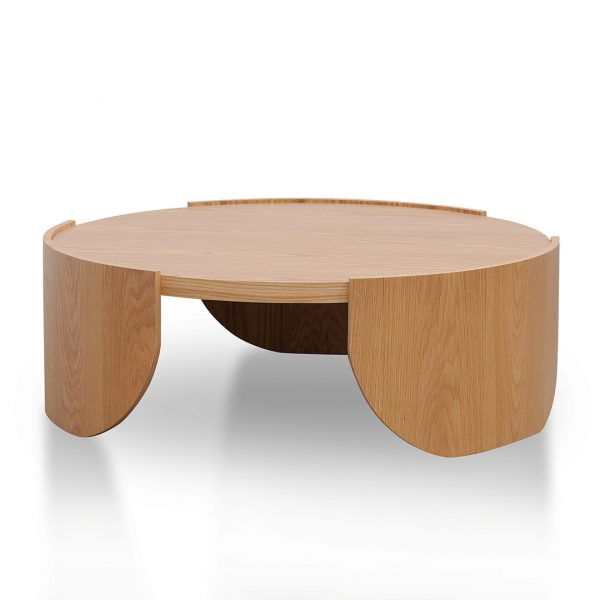

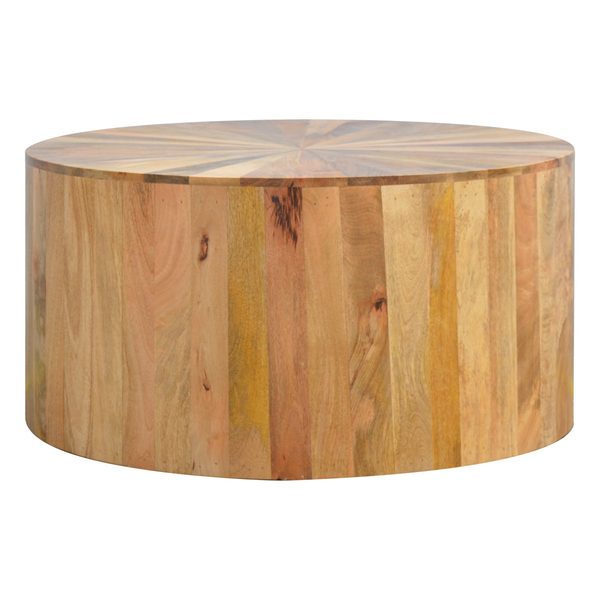
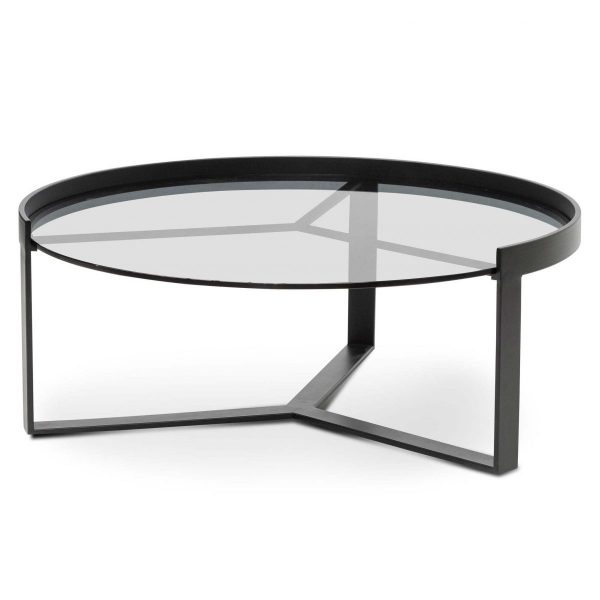
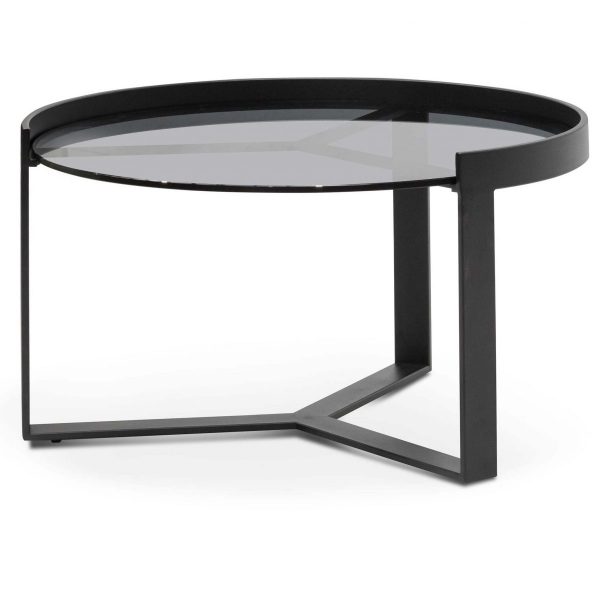
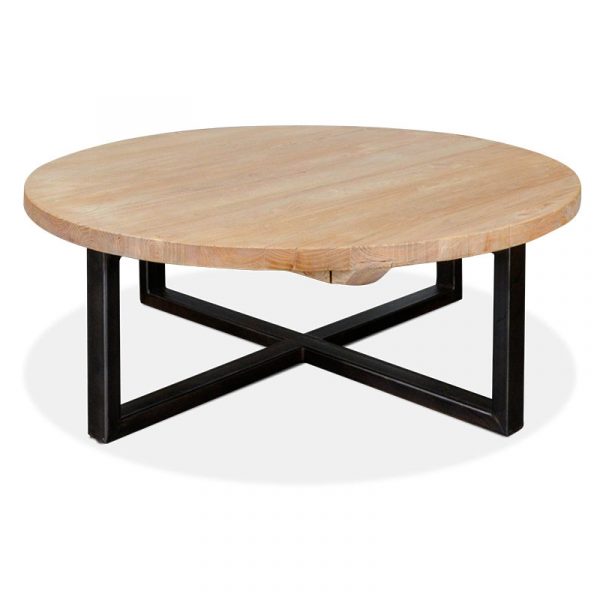
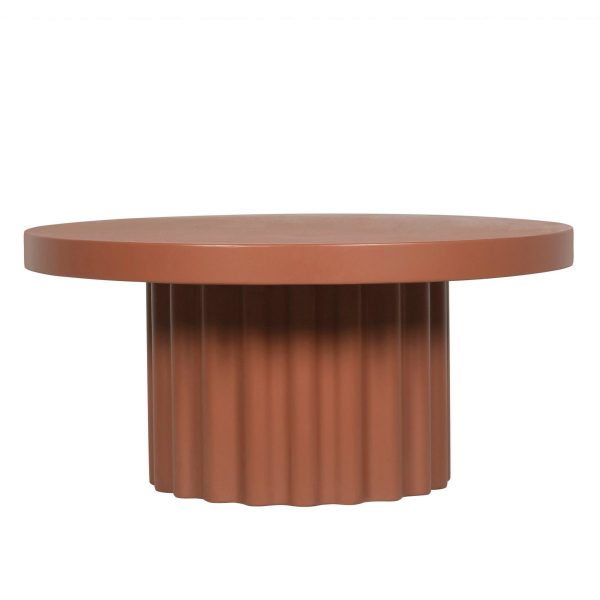
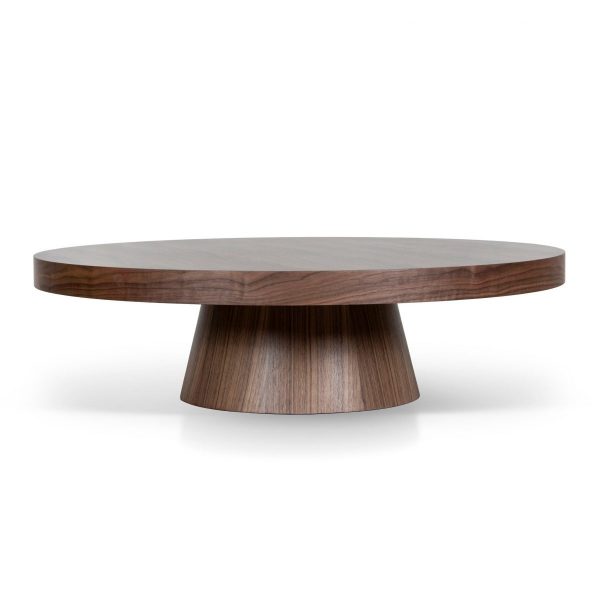
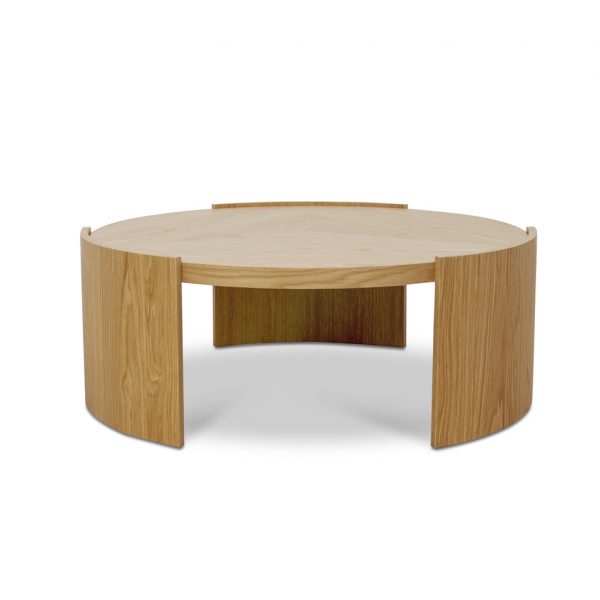
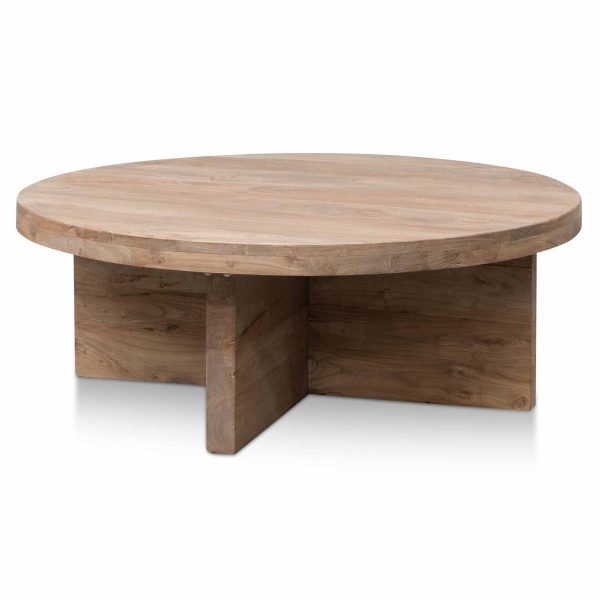
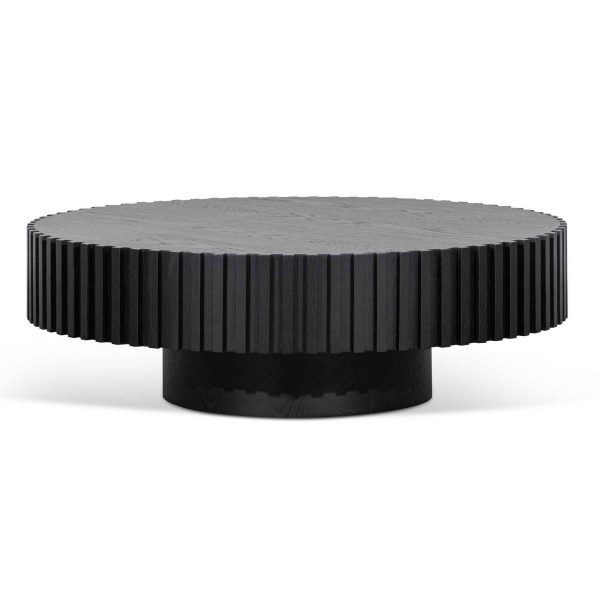
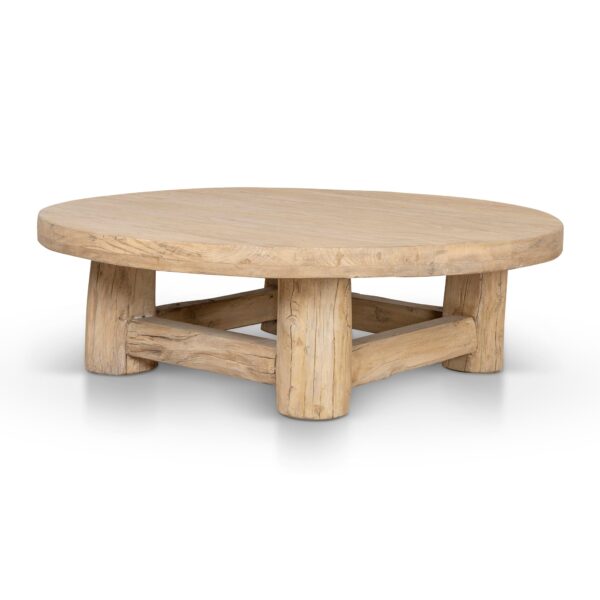

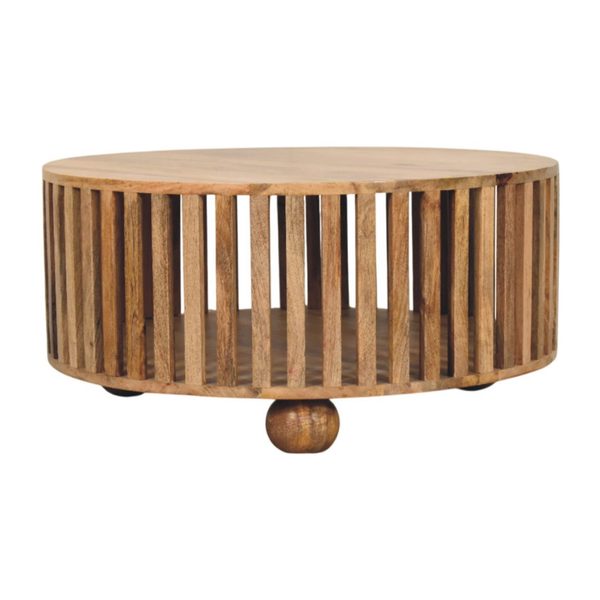


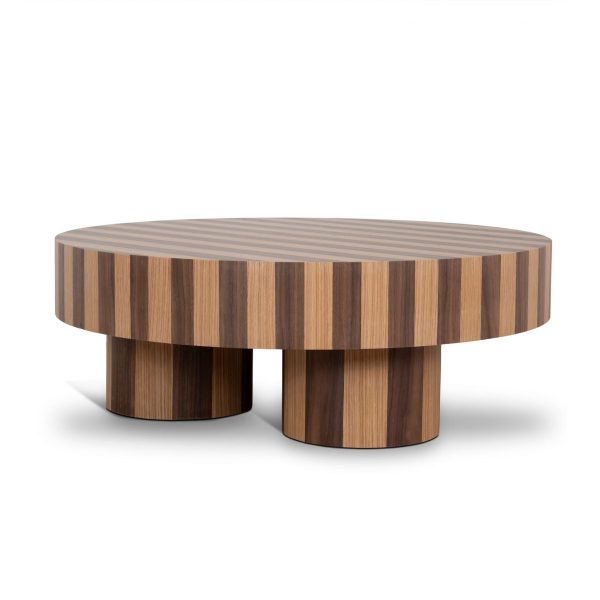


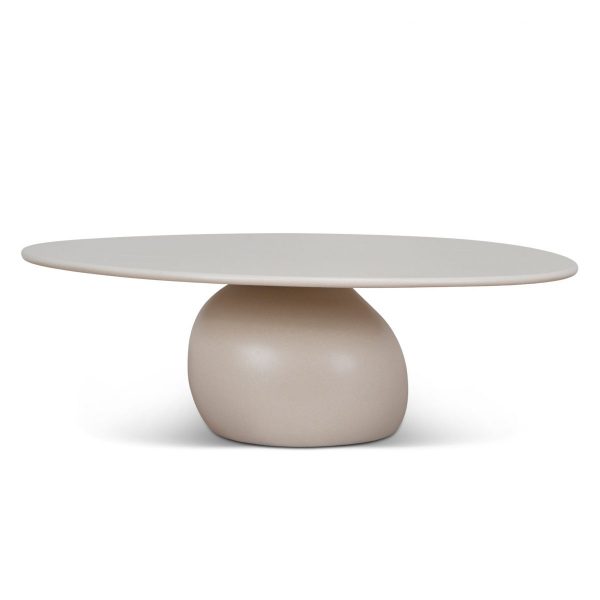


Use diameter to check reach from the seating group
Place the full circle on your plan and check the seats that need a surface. Moving it towards one person can make it less convenient for another, so establish the shared position before selecting size. Compare height with the actual sofa and test putting down a cup in the intended place.
A round top can be approached from different angles, but reach depends on its size and distance. Side tables may better serve a separate chair than increasing the central circle. Choose the round table for its own clear role, with the route between seats kept usable. Avoid relying on a fixed rule that circles suit every room.
Fit trays and books within the circular working area
Measure the objects that stay on top. A rectangular tray can occupy much of the broad centre, leaving smaller curved areas around it. Check that those areas still serve a cup or other daily item rather than assuming the diameter describes a rectangular usable space. Keep the top practical after the display is arranged.
If a long shared serving area is important, compare rectangular tables using the same objects. If overall footprint is tight, small coffee tables provide another size direction. The round outline should help the real activity, not simply replace corners with curves while leaving insufficient working space.
Compare the base where people pass and the floor remains visible
Review supports from seated height and include their full footprint. A central base or separate legs can occupy different space beneath a round top; the selected specification needs to explain the actual arrangement. Check cleaning access and the route past projecting parts rather than measuring the top alone.
Read surface care, assembly and any loading guidance before ordering. Pedestal coffee tables focus on central support if that shape matters, but a round top does not itself establish a pedestal. Ask benssur about unclear diameter or base measurements. Choose the circular top with its actual supports marked on the plan, leaving useful reach and a clear route past the seated group.