
Coffee Tables with Storage
Coffee tables with storage are for a living room where the central surface needs to do more than collect everyday objects. Begin with the items that cause clutter and decide which should stay visible, which should be hidden and which belong elsewhere. That list helps choose the access method. Storage is useful only if retrieving and putting things away feels practical from the seating area.
Read moreRead less
Use this collection to compare the actual compartments with a clear, workable top. A storage label does not establish drawers, shelves or another particular mechanism. Coffee tables with drawers and coffee tables with shelves focus on those documented formats. Check the selected table’s dimensions and operation before deciding the feature solves your room’s needs.
Showing all 2 resultsSorted by latest
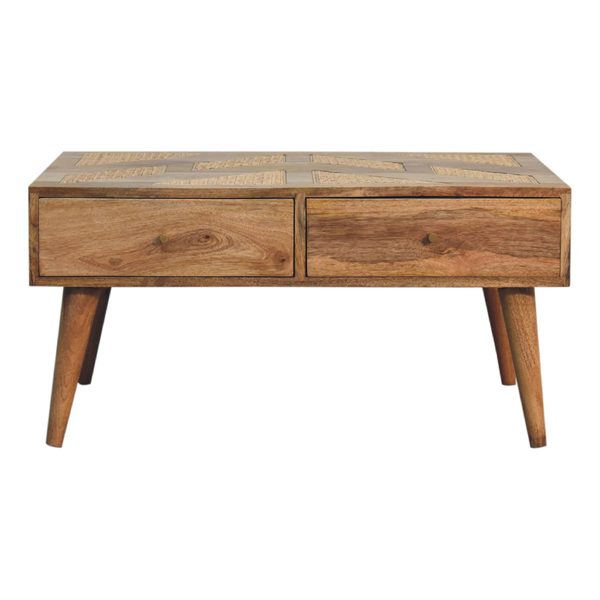
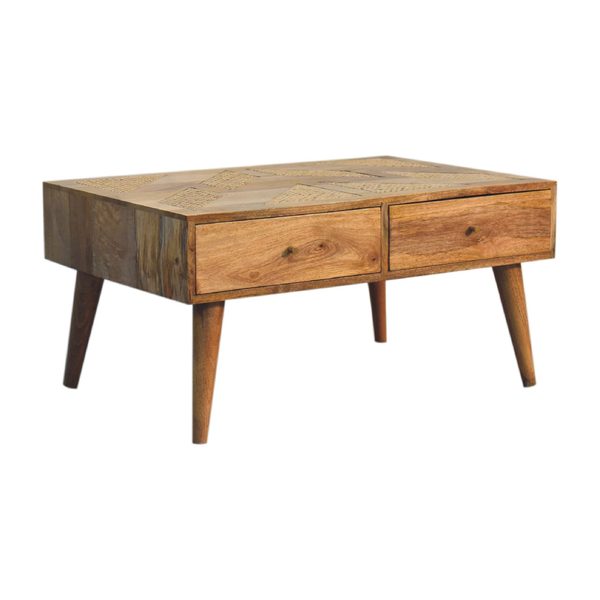
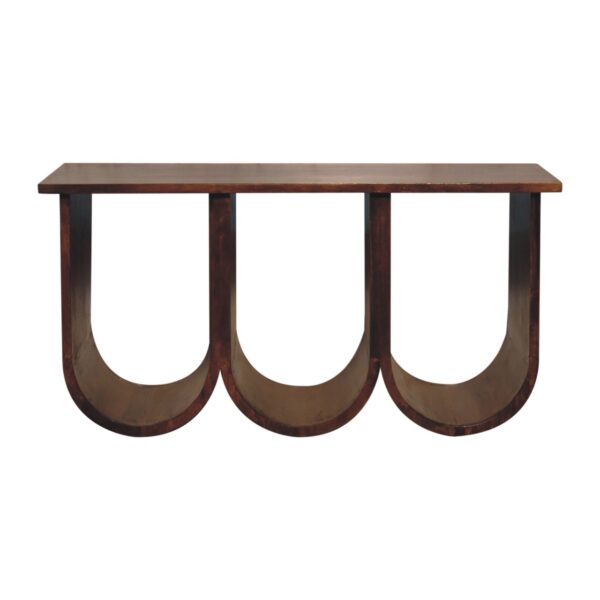
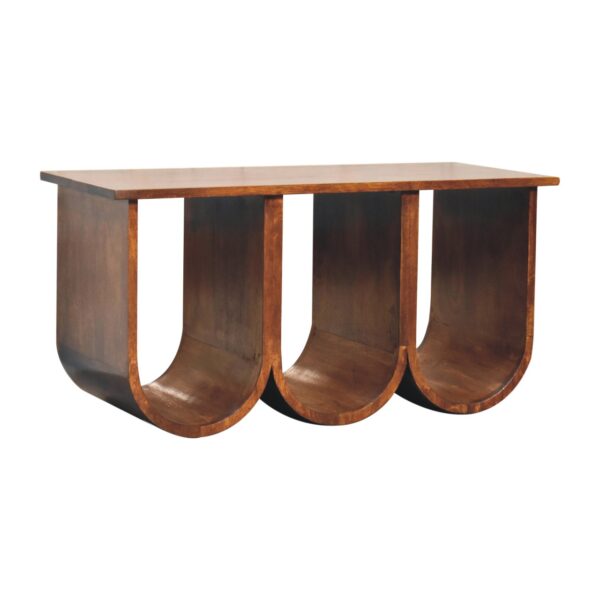
Choose the storage format from the daily clutter list
Separate frequently used objects from spare items. Remotes or a book in progress need accessible storage, while rarely used cables may belong somewhere else. Decide whether seeing the contents is helpful or distracting. An open shelf and a concealed compartment create different access routines, so choose around the items rather than the word storage.
Measure the largest object and read usable compartment dimensions. Dividers, hinges or other described structures can reduce space. Do not use the table’s outside rectangle as a capacity estimate. Confirm the actual storage format and any load guidance for the chosen product, particularly when the feature is the main reason for selecting it.
Test putting things away as well as taking them out
Map the table beside the sofa, then check each opening or retrieval path. Include room for the user to stand, lean or lift the intended object. A feature that works in an empty display may become awkward beside a rug edge or another piece of furniture. Use the selected item’s operation instructions.
Think about a simple evening reset: can the surface be cleared without first moving several accessories? If a lid or another moving top is documented, check what happens to objects above it before operating. Drawer coffee tables offer a closer comparison for hidden access, while shelf coffee tables focus on retrieving visible items without an enclosed front.
Preserve the central table role after adding storage
Compare table height and reach from the sofa independently of the compartment. The working top still needs room for drinks, a tray or reading material. A larger storage body can change the footprint and base clearance, so plot the full assembled dimensions rather than choosing from capacity alone.
Read materials, care and assembly for the complete table, including the storage operation. Check supplied parts and follow loading guidance. Small coffee tables help explore a tighter footprint, while coffee tables cover the wider central-surface decision. Ask benssur about missing internal or operating details so the storage choice becomes a practical routine rather than another place where objects are difficult to reach.