
Dining Benches
Dining benches can differ substantially in usable sitting area even when their outer lengths look similar. Legs, shaped ends, back details and seat depth influence how people share the piece. Compare the part actually used for sitting rather than treating a long silhouette as a complete capacity specification.
Read moreRead less
Once the room arrangement is understood, review those interior dimensions and the table’s support positions together. This guide focuses on that practical design comparison. Browse any listed pieces with the intended users in mind, or use the broader dining benches planning guide when deciding where shared seating belongs alongside the table and other furniture. The useful choice serves real seated positions, not just a nominal length.
Showing all 2 resultsSorted by recommended


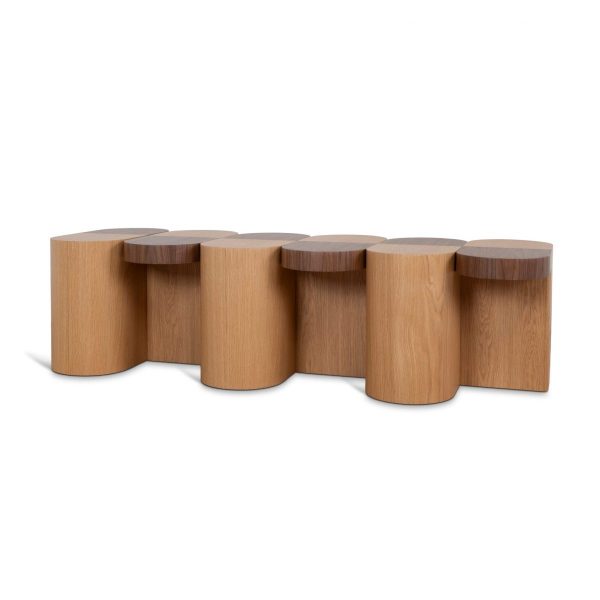
Separate the useful seat from the complete bench
Look for actual seat length and depth where specified, alongside full width and projections. Shaped ends or a back can change usable positions without being clear from an overall dimension. Ask about missing measurements central to the users you want to accommodate.
Consider normal posture at the table rather than sitting across the bench in an unrelated pose. Review the edge and any back support for that task. Follow the stated use and load guidance rather than inferring capacity from a substantial-looking seat. The practical comparison identifies the area used by people, then judges whether its shape and support serve an ordinary meal together.
Check bench supports against the table base
Mark the bench legs or other support outline separately from the seat. A top can fit beneath the table while its lower structure meets a table leg or central base. Compare actual underside clearance, full depth and seated height at the intended position.
Use the dining tables category with both furniture specifications beside each other. Check how users approach and whether one person can leave without making the shared arrangement awkward. If the room needs another form at some positions, compare dining chairs rather than assume a single bench must serve every seat. Useful fit comes from the complete occupied setting, not a simple shorter-than-table rule.
Read construction and movement details for daily use
Confirm seat and frame materials, finish and any upholstery rather than inferring bare timber from the bench outline. If the piece is moved regularly, use stated weight and handling information; a visually open base does not establish lifting convenience.
For a material-led comparison, review timber dining benches through real component details. Follow care for the sitting surface and any different support material. Confirm assembly and actual supplied quantity too.