
Ottomans
Ottomans need comparing as actual low furniture forms, not simply as broad tops in front of a sofa. The usable surface, support and base can have different dimensions, and the intended function should be read on the selected item. A padded-looking shape is not proof of seating, storage or table use.
Read moreRead less
Once the main role is clear, compare how the piece approaches the chair, sits on the floor and leaves nearby surfaces reachable. This guide focuses on those practical design details. Browse any listed items with real measurements in mind, or use the broader ottomans and footstools guide when deciding the main purpose before assessing the particular form and materials.
Showing 1–24 of 25 resultsSorted by recommended
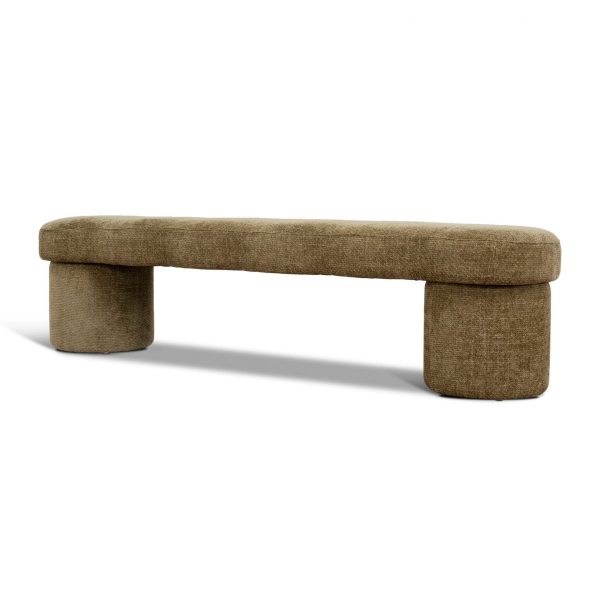

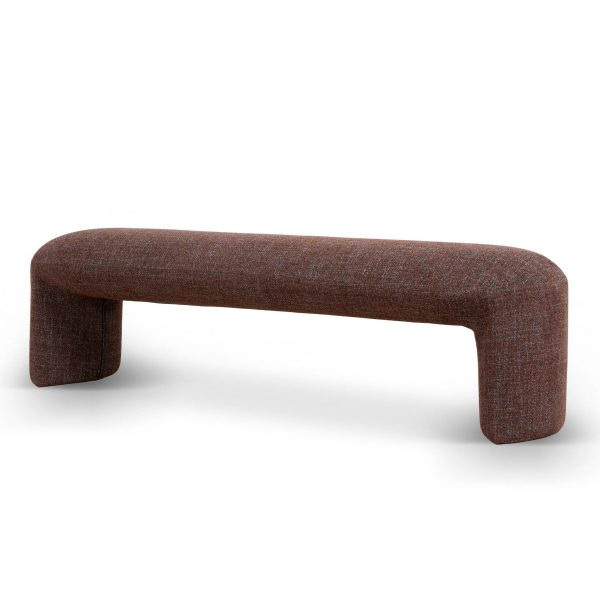
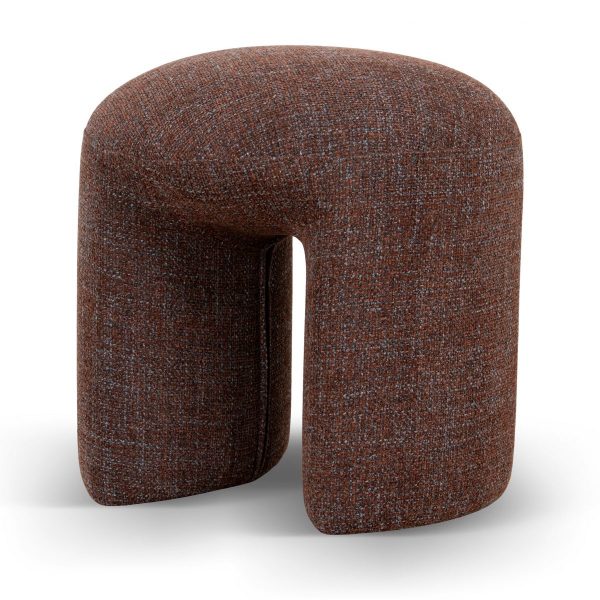
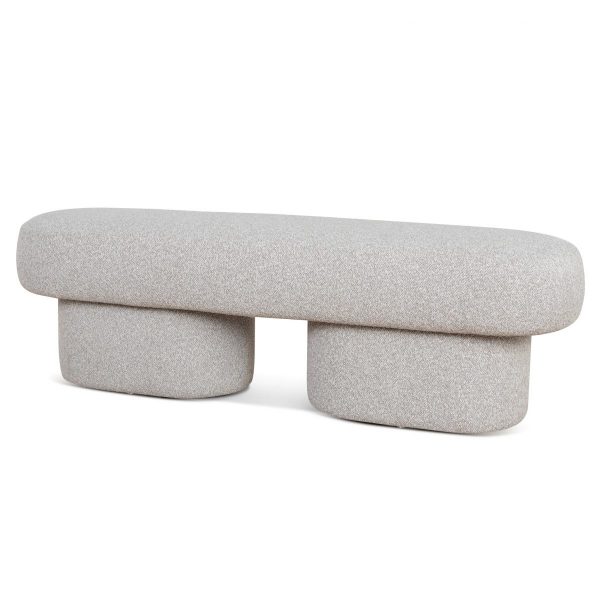
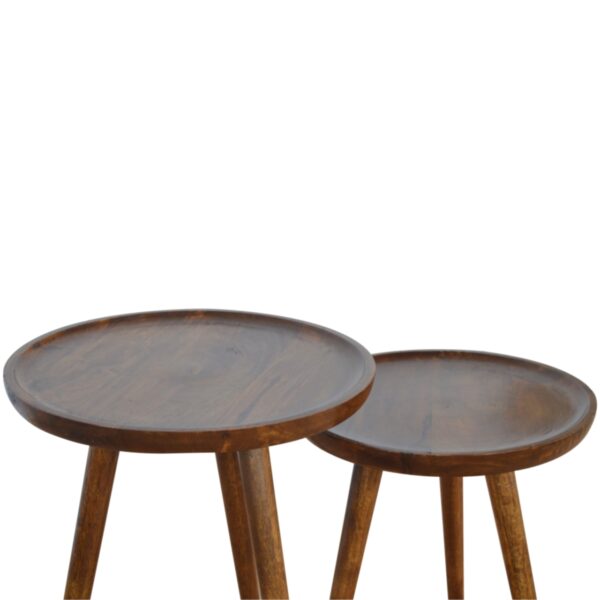
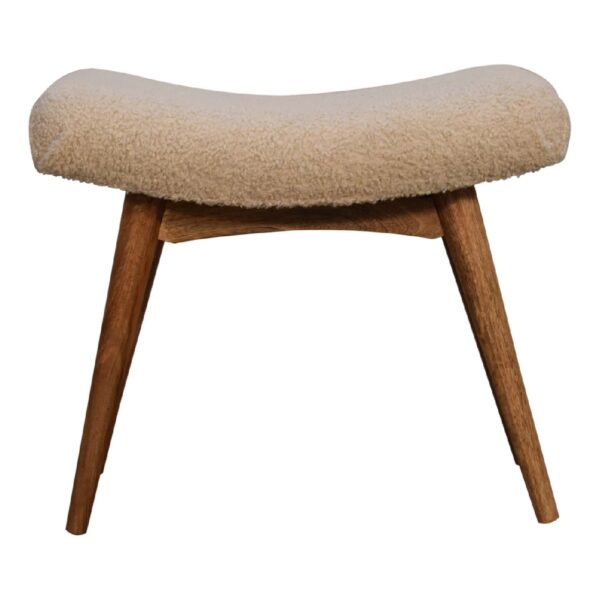
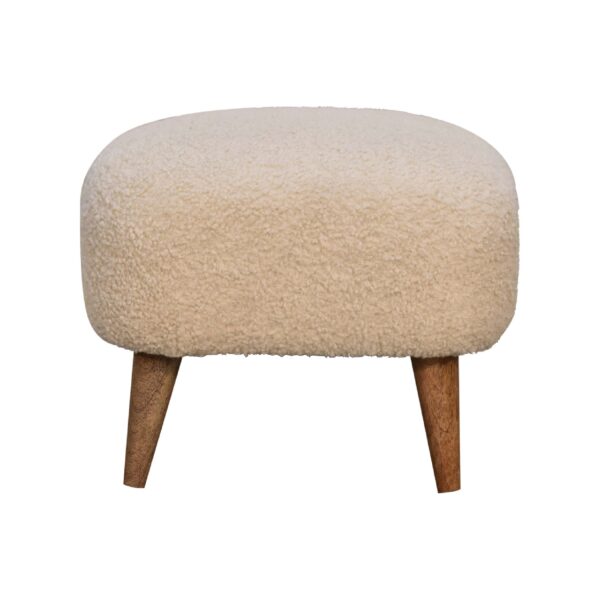
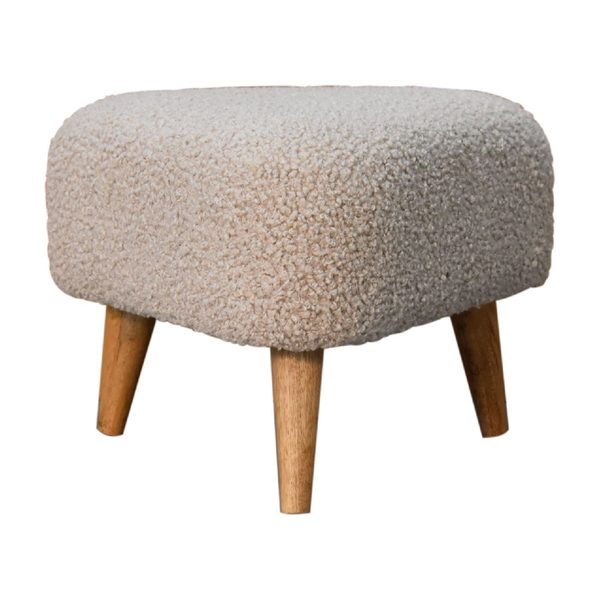
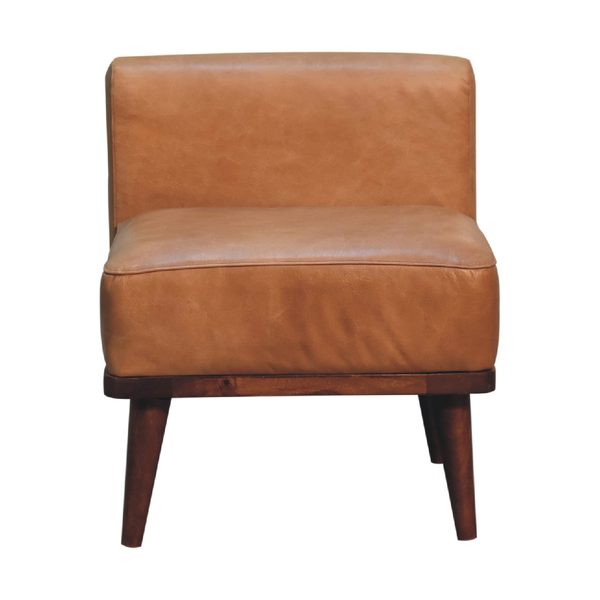
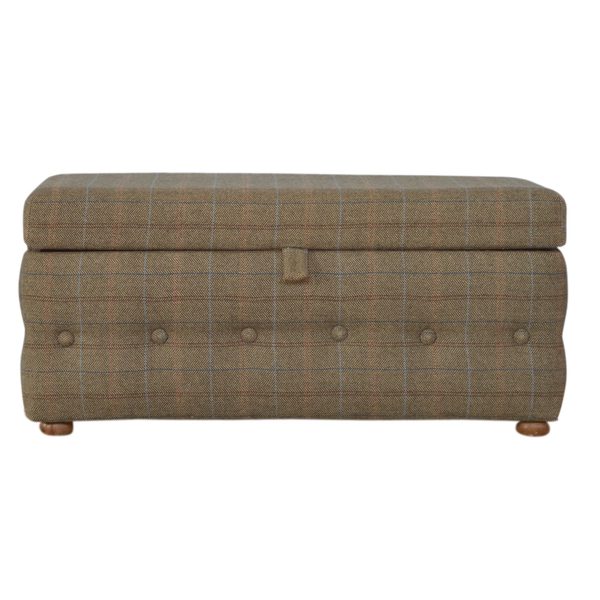
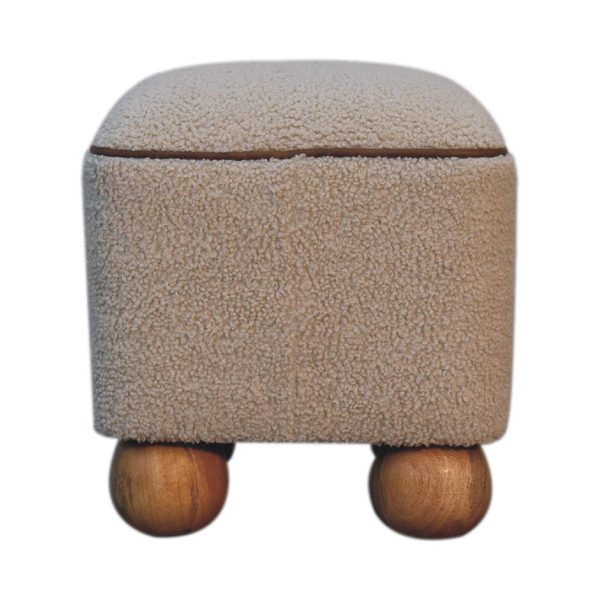
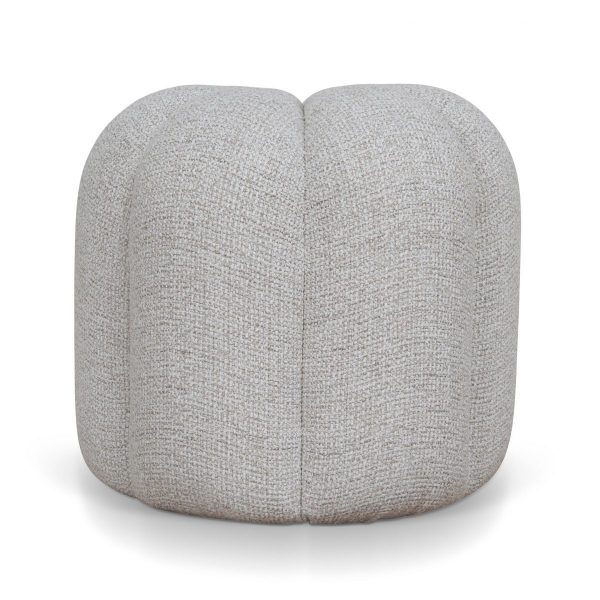
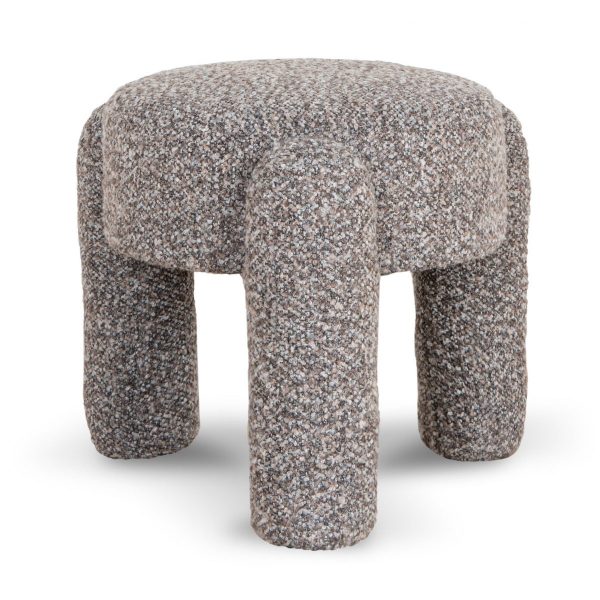
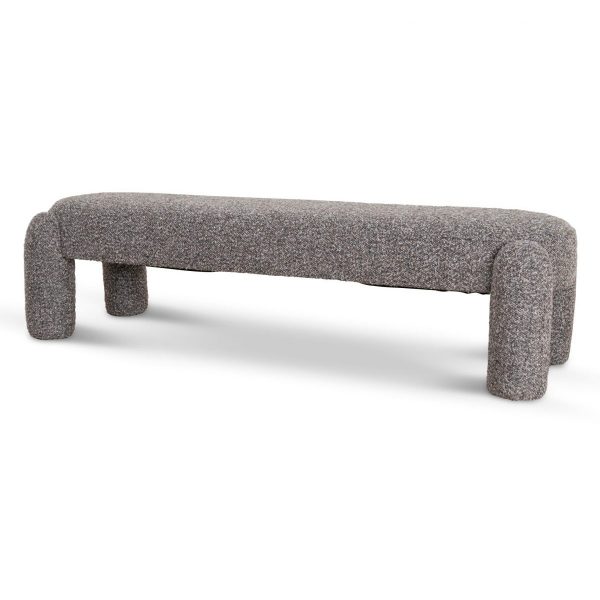
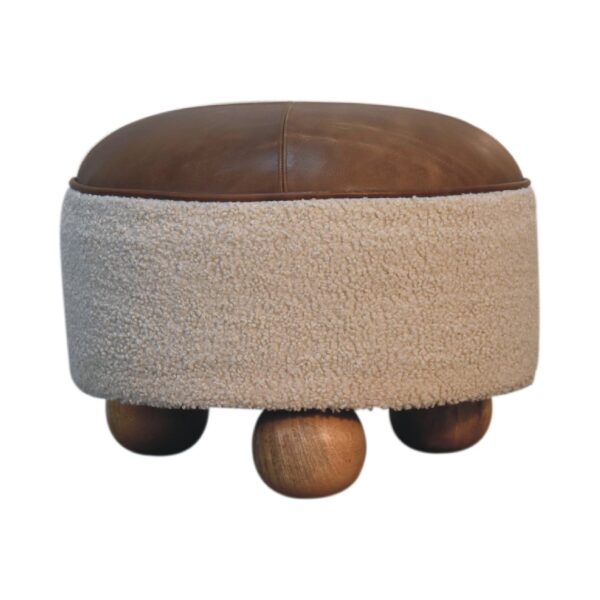
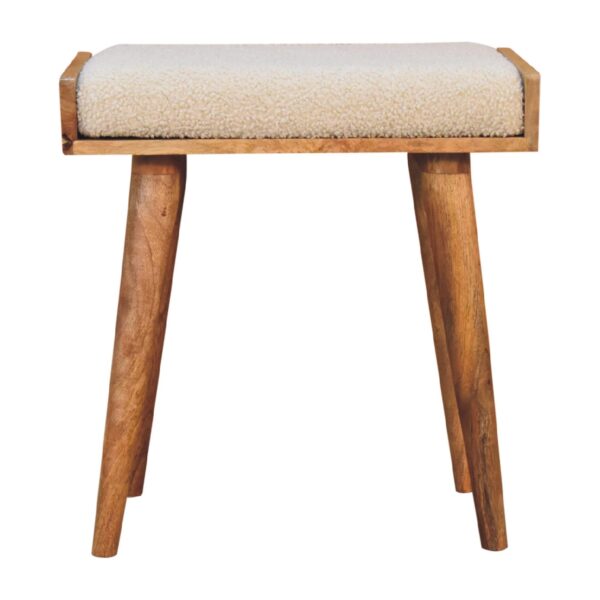
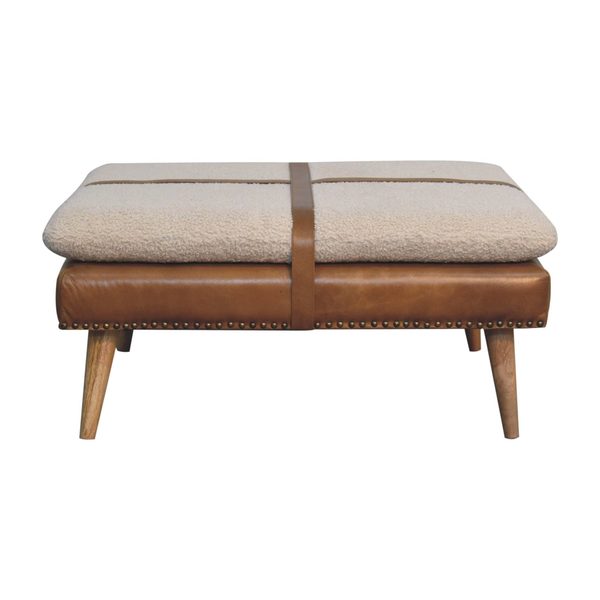
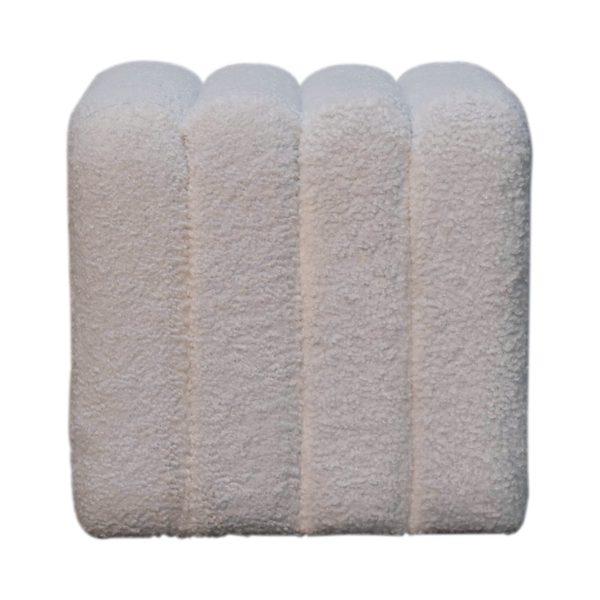
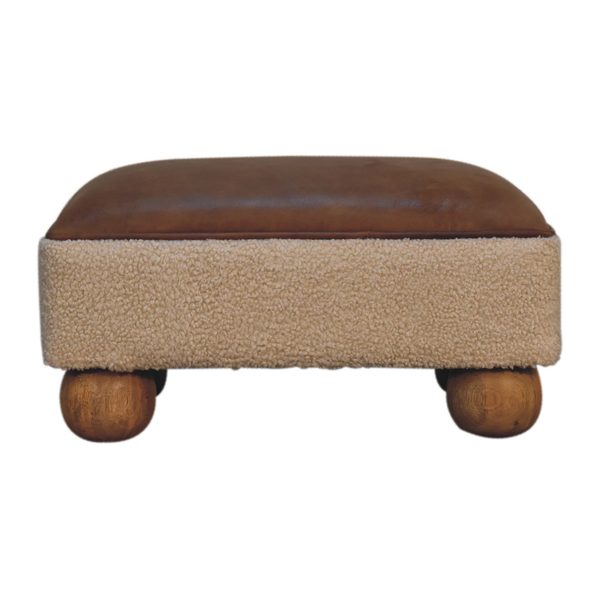
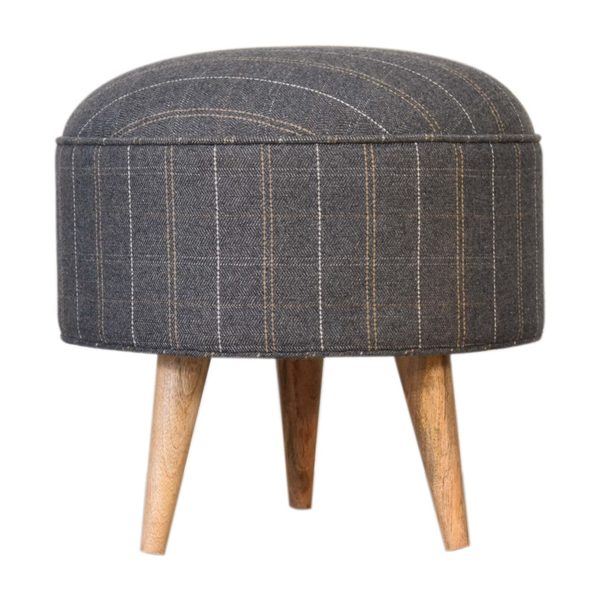
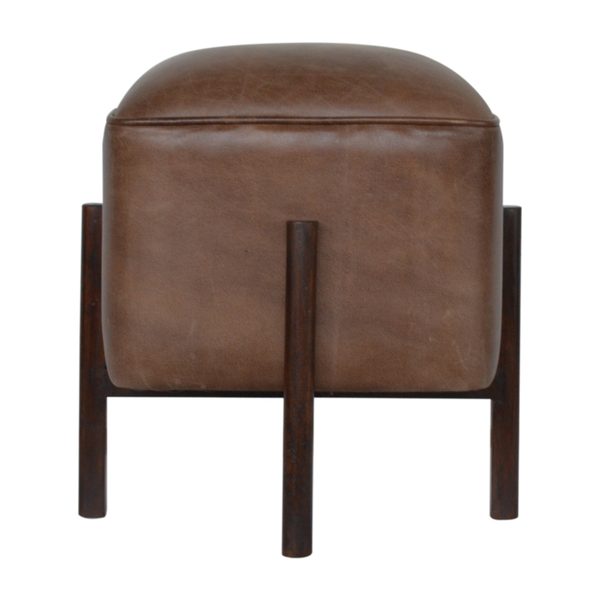
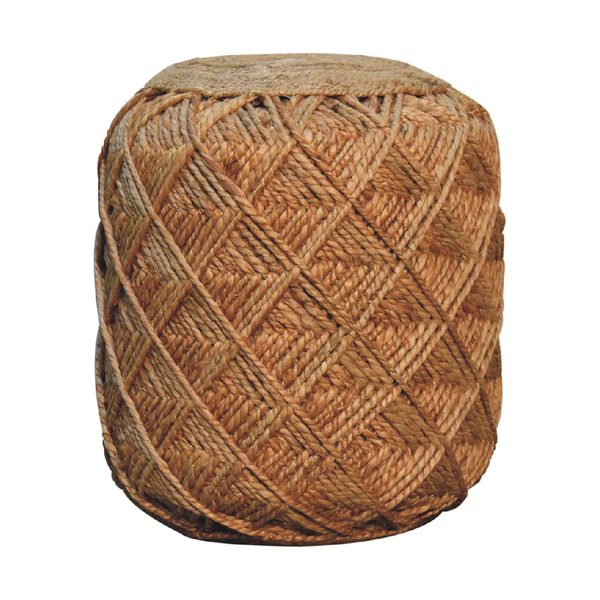
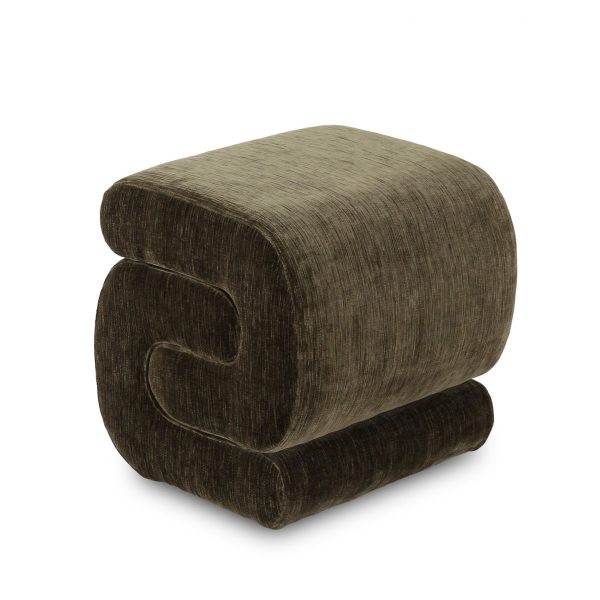
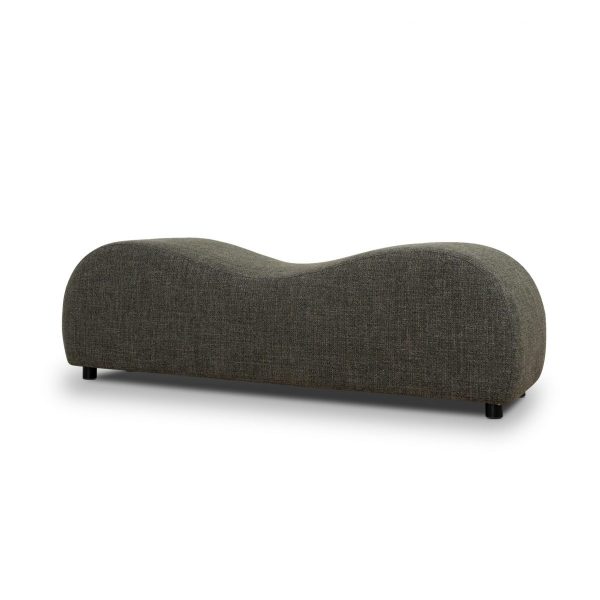
Separate usable top from the outer body
Check actual top dimensions and shape, including curvature or any taper that changes working area. Maximum width can describe the exterior without telling you the area available for the intended contact. Read support and use guidance rather than infer capacity from a substantial top.
Compare height with the existing seat when foot support is the purpose. Another permitted role needs its own dimensions and placement check. For a circular form, review round ottomans with useful area and diameter separate. The main task should fit the actual top, not an imagined flat surface inside a furniture silhouette chosen mostly for appearance.
Measure the base in the occupied arrangement
Mark full floor footprint alongside chair or sofa, table and room routes. A base can taper or project differently from the top, so keep both outlines where the specification provides them. A low sightline does not reduce physical space.
Include the user resting or reaching from the seat. The sofas category helps compare that main furniture relationship. Check handling information if the ottoman is moved regularly rather than assuming visual lightness means easy lifting.
Read features and covering for the selected piece
Confirm actual covering, padding where specified and any compartment or opening needed for the task. The ottoman label does not establish those features. If storage is provided, compare capacity and opening room independently from the closed shape.
Use fabric ottomans or another material-focused guide with the real surface description. Follow care for mixed components and keep accessories within intended use. Confirm assembly and included parts too.