
Timber Meeting Tables
Timber meeting tables bring wood into a surface that several people use together. Start with the actual construction: top, edge and supports may use different components. Read which components use solid timber, veneer or another stated material. Then read the finish that meets papers, laptops and drinks during ordinary work.
Read moreRead less
Use this collection to compare those components and finishes with participant space and the room’s permanent furniture. Meeting tables provide the wider layout guide. Oak veneer meeting tables focus on a documented wood layer, while natural timber meeting tables place more emphasis on visible grain. Choose wood through construction and use as well as appearance.
Showing all 4 resultsSorted by recommended
-
On SaleOriginal price was: $1,424.00.$1,253.00Current price is: $1,253.00.
-
-
-
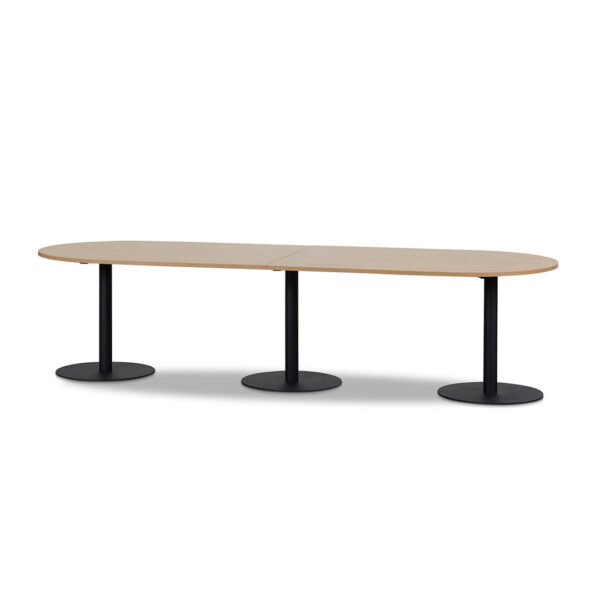

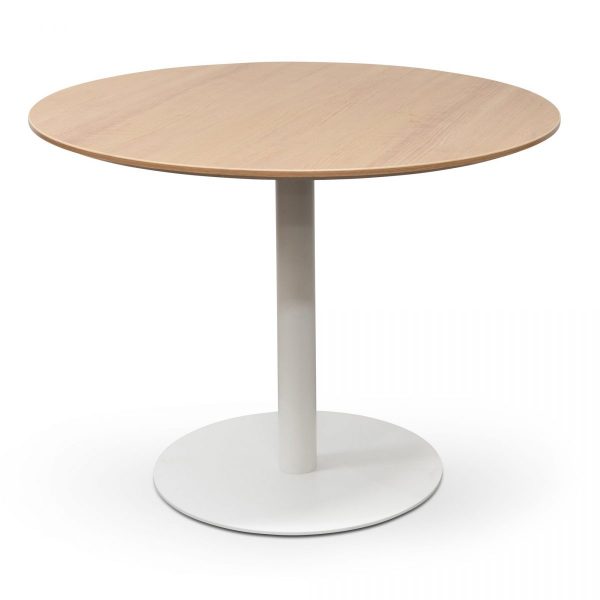
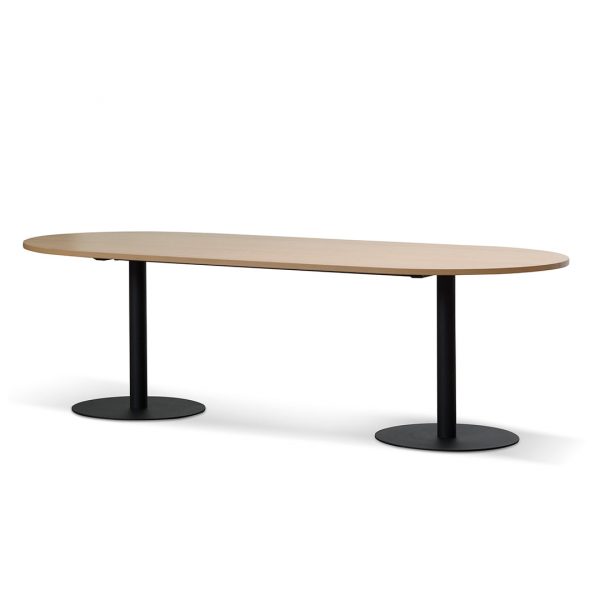

Read wood components separately across the table
Check top, edge, legs and base in the product description. A visible grain face does not establish an all-solid build or explain concealed supports. Ask about missing details when they affect comparison. A solid-timber base can sit below a veneered top, so read the actual construction of both.
Review grain and finish at the room’s full scale. A broad wood top can relate differently to flooring and storage from narrow timber supports beneath another surface. Exact matching is unnecessary, but the relationship should be deliberate. Compare the actual selected product and working arrangement rather than judging material quality from a close-up image or a generic species name.
Choose the finish through the shared contact routine
List the equipment, paper groups and serving items placed on the top. Read care for the actual finish under that use. Timber does not establish permission to oil, wax or sand a surface, nor does a wood name prove resistance to marks. A natural-looking table may already have a treatment requiring specific maintenance.
Check any product loading or operation guidance, then compare the selected finish’s permitted cleaners with the project’s actual cleaning routine. Black meeting tables provide another surface relationship if the room needs a darker centre. Choose the finish on a table that has useful working area, rather than assuming timber character resolves contact care or office suitability.
Keep the wood table practical around each participant
Compare usable top dimensions with the normal people and objects. Include chair width and movement for sitting or standing. Read support locations below each position; they may interrupt clearance differently from the top outline. Plot the complete table and chairs within the room route.
Confirm cable or power features only where documented. Office chairs offer the related seating guide, while office meeting tables focus on a shared task sequence. Check assembly and delivery-component access. Ask benssur about uncertain construction or measurements before choosing the timber surface. Choose exposed wood for the room view and a finish you can maintain around the equipment used at meetings.