
Natural Timber Meeting Tables
Natural timber meeting tables put wood character across a shared working surface. Start with the amount of grain that remains visible after laptops, papers and other meeting items are placed. A broad top can become a main material feature, but it should still organise the work and people it serves. Compare the selected grain and finish with the floor, storage and wall finishes already present.
Read moreRead less
Use this collection to choose that wood relationship through actual dimensions and construction. Natural appearance does not establish untreated or all-solid timber. Meeting tables provide the wider participant-layout guide. Oak veneer meeting tables offer a narrower surface direction when an oak layer is specifically documented. Keep visual character within a workable shared-table arrangement.
Showing all 4 resultsSorted by recommended


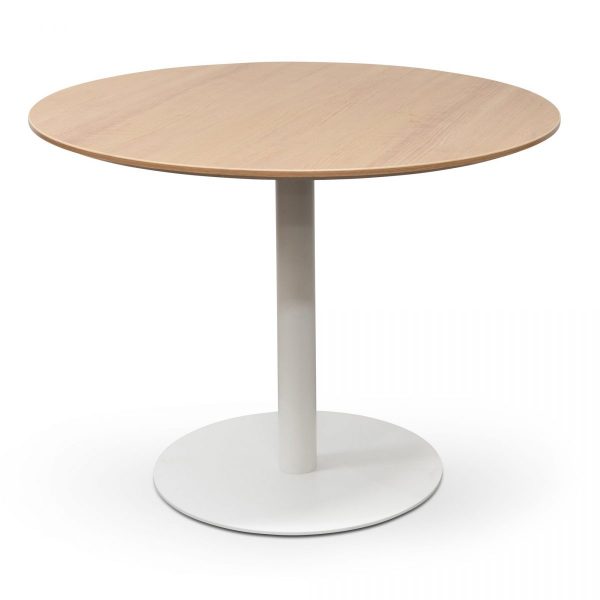
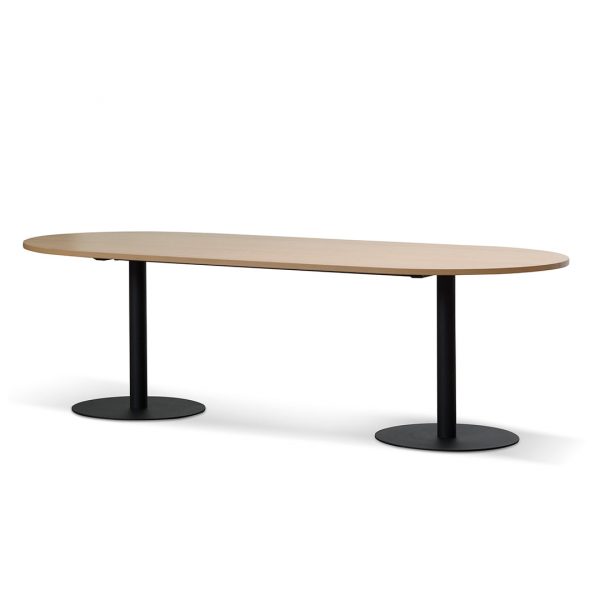
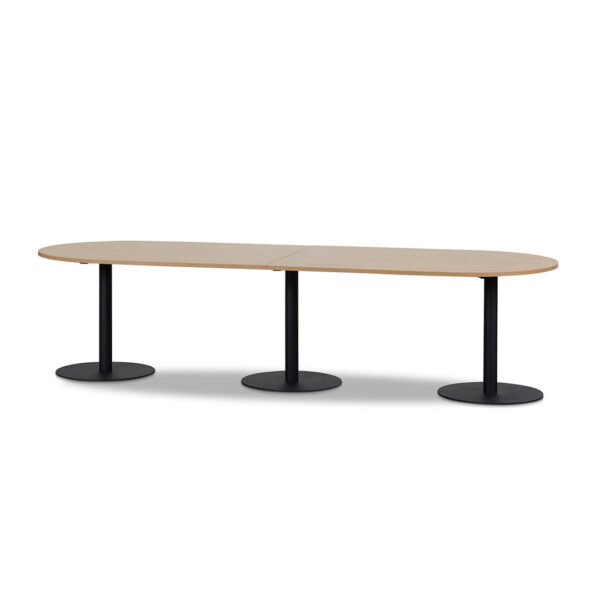
Choose how much grain should remain visible during a meeting
Lay out the normal working objects on the proposed top. They may cover a significant part of the wood and divide the pattern into smaller areas. Decide whether the grain should lead the room or provide a quieter surface around the work. Review the full top, not only a small close-up.
Compare grain scale and actual tone with permanent office furniture. Matching every wood is unnecessary; a clear relationship can include different finishes. Black meeting tables offer another visual direction if the room already contains several prominent timber surfaces. Choose the material feature through the loaded table rather than an empty photograph with no participants or equipment.
Read the natural finish and supporting construction separately
Check which parts use timber and where veneer or other materials are specified. Natural is an appearance direction, not proof of one complete construction. Ask about missing component details where they affect the purchase. Review the supporting base as well as the top, because both influence the room view and actual occupied space.
Read the coating or treatment and its care before choosing cleaning products. A natural-looking surface may already be finished, so do not assume permission to oil or wax it. Timber meeting tables provide the broader wood-construction comparison. Choose the top’s contact care through the real specification rather than the grain or species name alone.
Keep participants and access central to the material choice
Compare usable top dimensions with the normal people and working items. Check chair widths, any arms and the supports below each position. Outer length alone does not establish comfortable capacity or access. Plot the complete table and chair movement within the room, including the route from the door.
Confirm any actual cable features separately instead of inferring them from office use. Office chairs offer the related seating comparison. Check intended setting, assembly and delivery-component access, then ask benssur about unclear dimensions or the product details your project needs. The natural timber surface should be chosen on a shared table that works for the actual room routine.