
Black Meeting Tables
Black meeting tables create a defined darker centre for shared work. Begin with where black appears: the top, support or selected components can each make a different room feature. Then check the actual finish under the light that reaches the meeting area. A dark colour name does not establish a matte surface or guarantee freedom from reflections.
Read moreRead less
Use this collection to compare that appearance with papers, laptops and the participant positions you need. Read the real dimensions and supports before settling on the finish. Meeting tables provide the wider shared-work guide. White meeting tables offer another surface direction when a lighter working centre would better relate to the room and its permanent furniture.
Showing all 4 resultsSorted by recommended


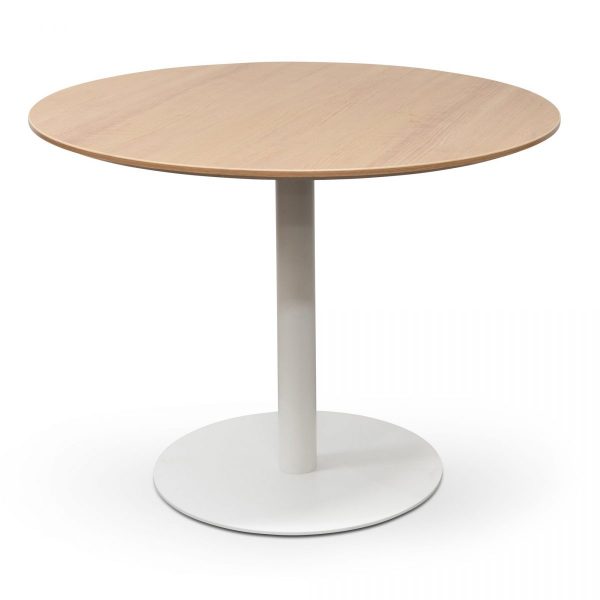
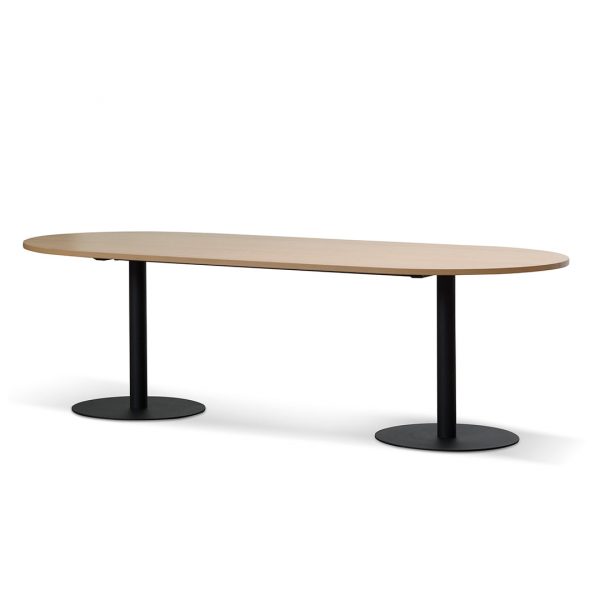
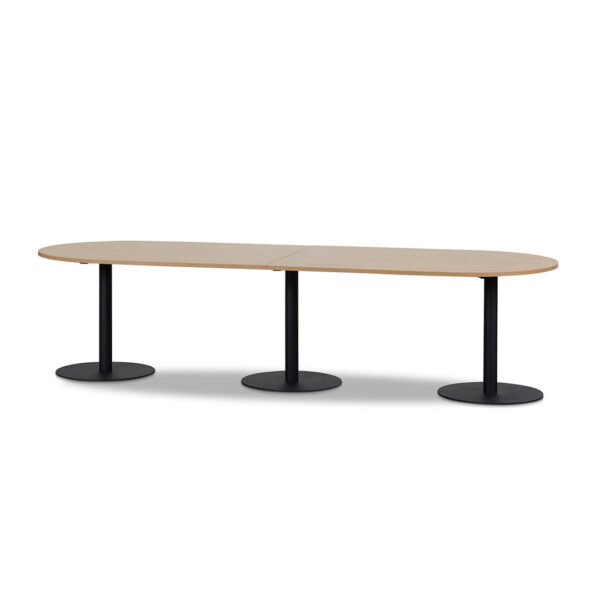
Check the black working surface under meeting-room light
Review the stated coating and sheen, not only the colour. Look at how the chosen top will relate to windows, lamps and device screens in the actual room. A reflective black finish and a less reflective one have different visual effects; neither should be inferred from the black name. Ask about the finish if light at the table will decide the choice.
Compare the tabletop with the objects normally used during meetings. White papers, dark devices and another display can change how much surface remains visible. Decide whether the black should lead the room or provide a quieter boundary for those items, rather than judging the empty table alone.
Keep participant space clear within the darker outline
Plan actual working positions with laptops, papers or the task the table serves. Compare top dimensions and chair width instead of relying solely on a person-count label. Include any arms and the movement used when people stand. Black colour does not establish more usable space or a particular capacity.
Read support dimensions and check the area below each position. A dark base can blend visually with other furniture while still occupying its full footprint. Office chairs provide a related seating comparison, and office meeting tables offer another task-led route. Choose the complete group using actual dimensions and access rather than the visual strength of a dark centre.
Read the black coating for contact, care and project use
Check the actual material and finish instructions before using cleaning products or relying on resistance to marks. Black may describe a coating or selected components, not one construction. Frequent contact with equipment and drinks needs the selected surface’s guidance, so compare the stated coating, care and intended setting with your project’s equipment and cleaning routine.
Confirm supplied features instead of assuming cable or power access. Check assembly, intended setting and delivery-component dimensions, then compare natural timber meeting tables if visible grain would provide a different room relationship. Ask benssur about an unclear coating or support detail. The dark shared-work feature should belong to a table chosen for an actual useful meeting routine.