
Seating with Storage
Seating with storage should be chosen through when its two functions are needed. Start with what you sit down to do and which stored items need to be reached before, during or afterwards. A combined piece can be useful, but its actual opening may require the sitting area to be cleared. Read that sequence rather than assuming both jobs happen conveniently at the same time.
Read moreRead less
Use this guide to compare the routine within the wider storage bench guide. Benches offer the seating-only comparison, while bedroom storage explores another household format. Choose usable seated proportions and retrievable compartments together, with the access movement matched to the furnished room before appearance finishes the decision.
Showing all 8 resultsSorted by recommended
-
-
On SaleOriginal price was: $1,006.00.$956.00Current price is: $956.00.
-
-
-
-
-
-
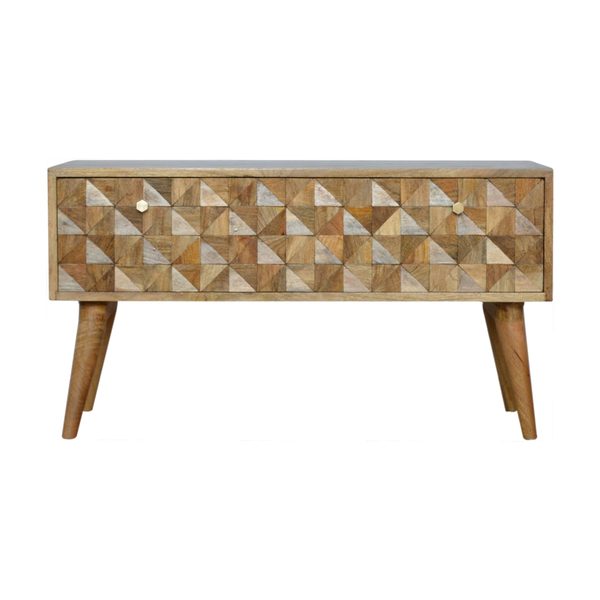


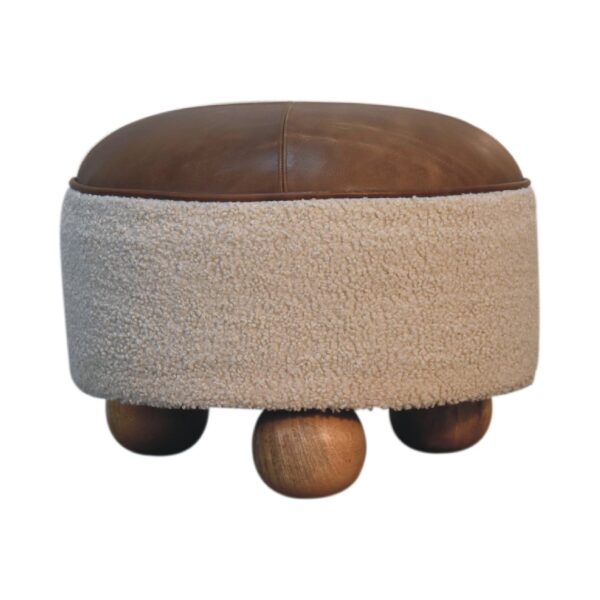
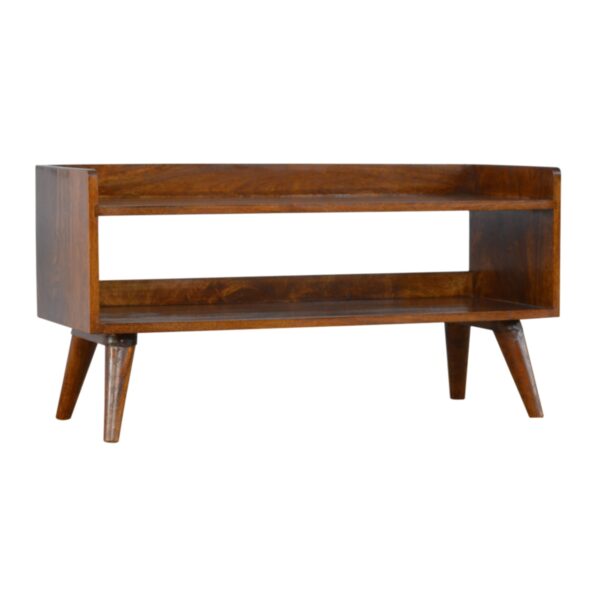


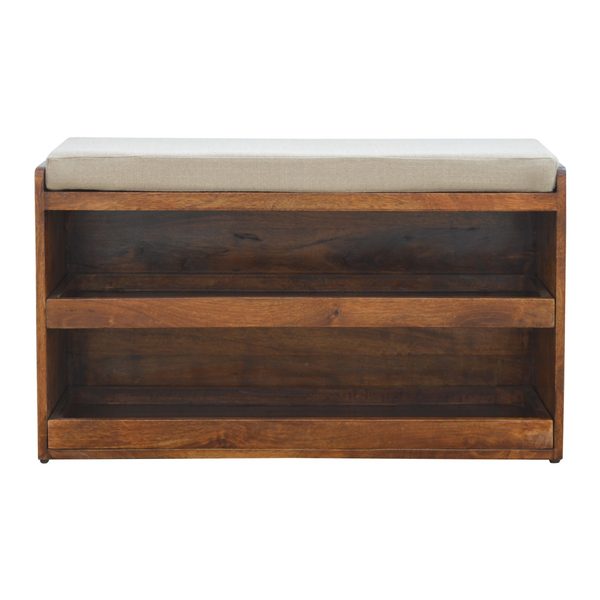
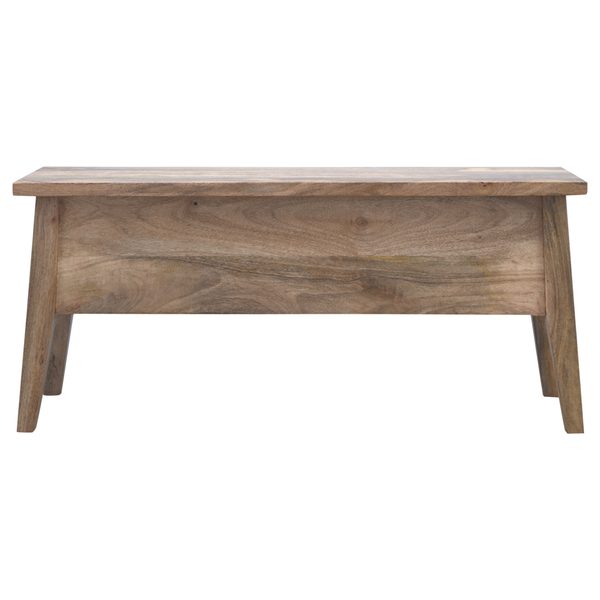
Decide which contents need to be reached during the sitting task
List the everyday sequence and separate objects needed immediately from those stored for occasional use. A piece used while sitting may be inconvenient beneath a surface that must first be cleared. That relationship matters more than simply adding hidden capacity. Read the actual mechanism before assigning each object a place.
Measure the groups with lifting clearance, then compare usable internals and the opening. Entryway benches and bedroom benches provide closer sitting-role comparisons where their intended use suits the brief. Choose the contents and access from the real task rather than trying to conceal everything beneath a seat whose operation interrupts the very routine it should help.
Test the change between occupied seat and open storage
Plot the bench in use, then mark the actual access movement and any area that must be emptied first. Include the person retrieving objects and surrounding furniture. An arrangement can fit as seating yet leave the storage awkward to operate. Confirm mechanism instructions rather than inferring controlled movement from a photograph.
Read usable sitting height, depth and length separately from outer storage dimensions. Follow the selected support and loading guidance instead of assigning person capacity by label. Fabric storage benches offer a covering comparison after these tasks work. Choose the two operating states together so the combined furniture saves a useful place rather than creates an inconvenient compromise.
Balance the combined role against another storage format
Compare the actual space and retrieval routine with keeping seating and storage as separate pieces. The combined bench is useful only where its dimensions and operation suit the room. A larger internal box does not help if needed objects remain difficult to reach, or if the seated position is unsuitable for the everyday task.
Read surface and interior care independently, with assembly and supplied parts confirmed. Storage furniture provides the wider format comparison, while mango wood storage benches narrow a material direction once function is clear. Ask benssur about missing opening or usable measurements. Choose the combined role through a practical daily sequence, with useful sitting, reachable contents and space for the actual opening.