
Side Tables with Drawers
Side tables with drawers can give nearby items a place below the working top. Start with what needs putting away and compare actual drawer interiors with those contents. The number of fronts or the outside table width should not be used as the useful compartment measurement.
Read moreRead less
Then test drawer access beside the occupied chair or sofa. A convenient closed shape may need more room once opened. Side tables cover the first seated-reach and top-space checks. Here, useful drawer space and easy opening are the priorities. A remote, glasses case and charging lead may fit well in one layout but need a different compartment in another. Choose somewhere to put those items away and find them again without disturbing the objects above.
Showing all 8 resultsSorted by latest
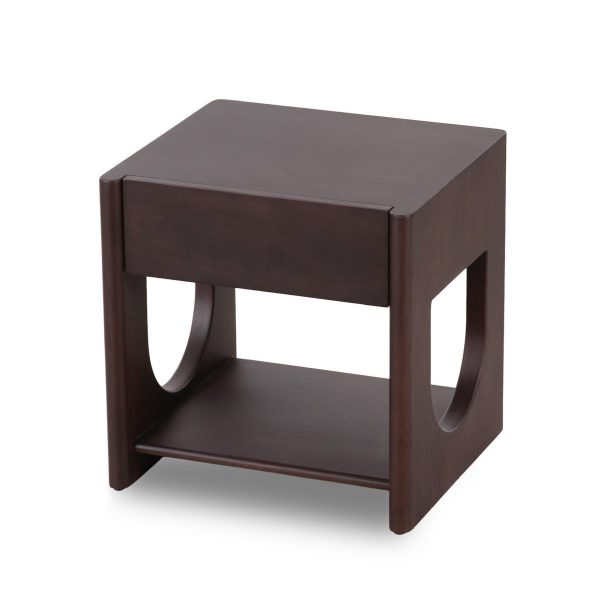
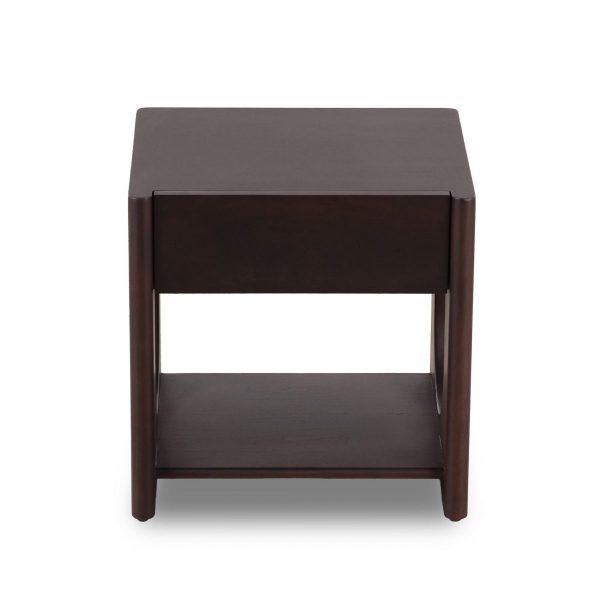
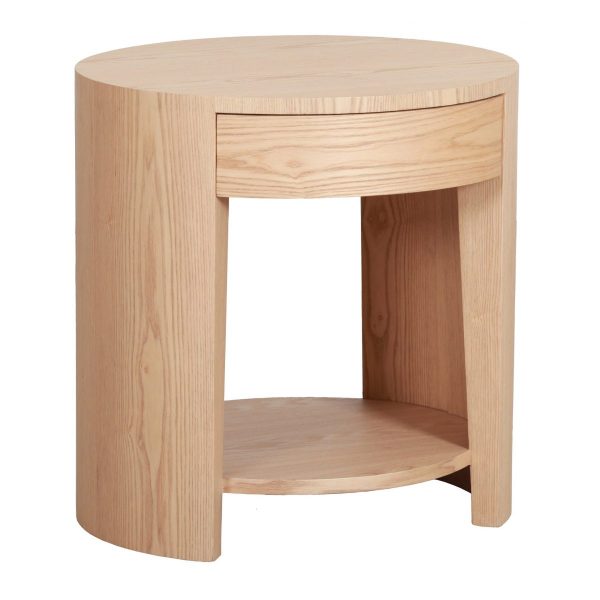
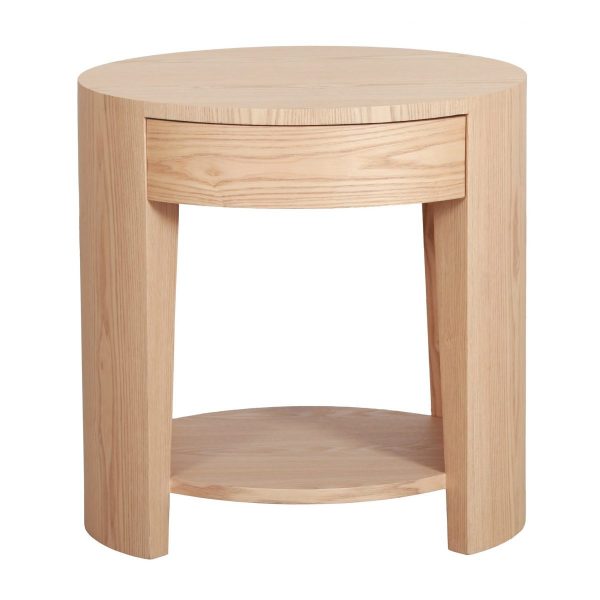

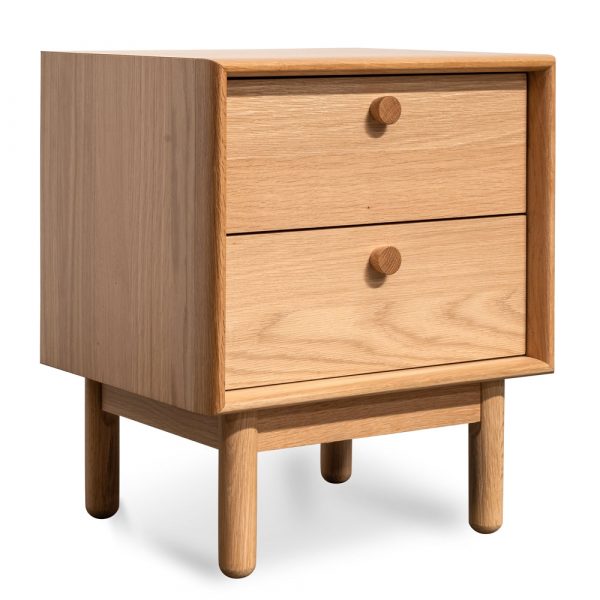
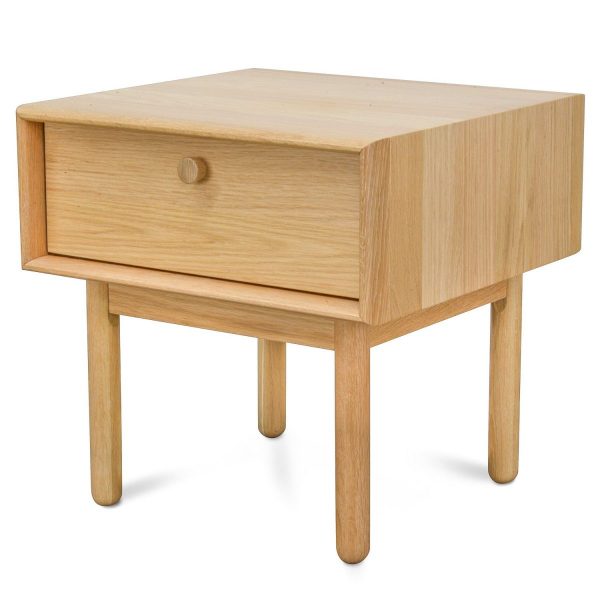
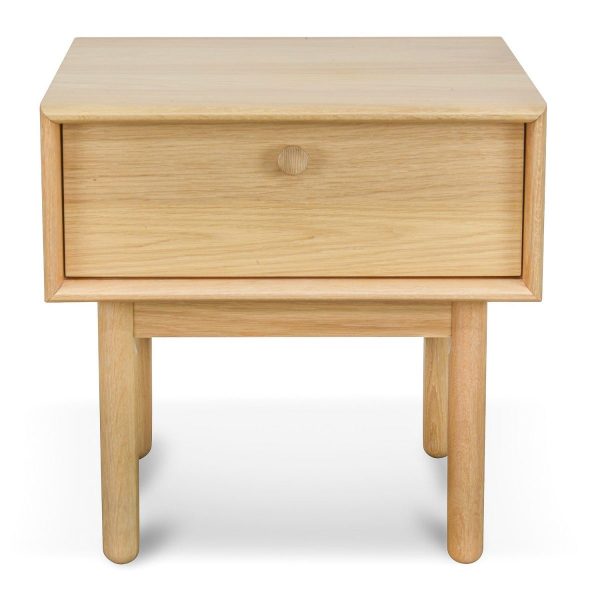
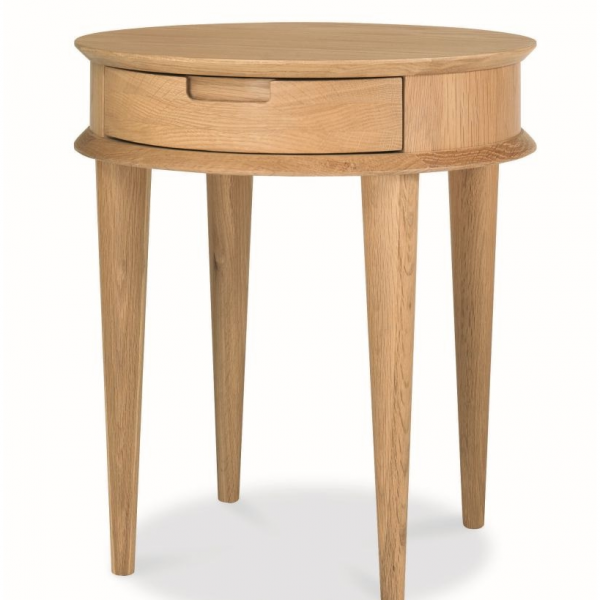
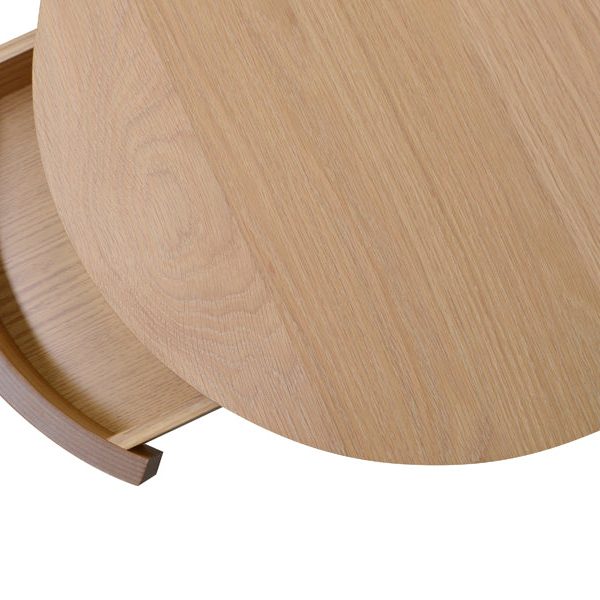
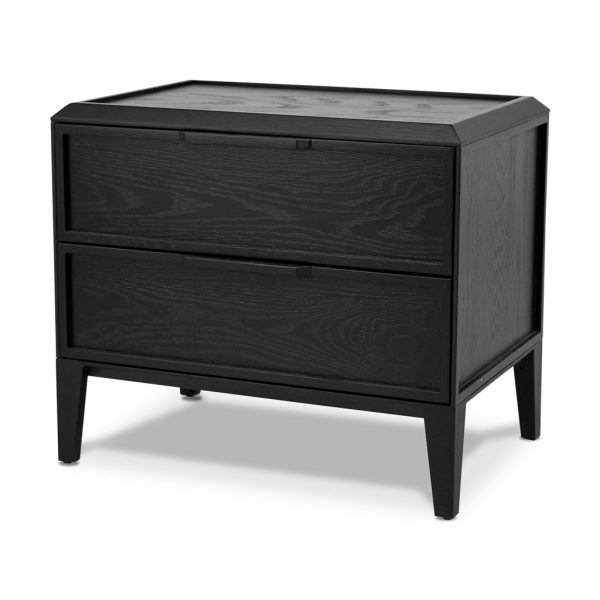
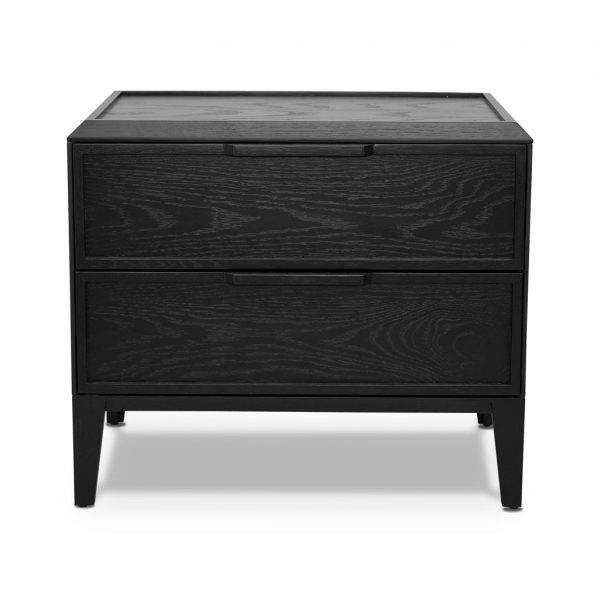
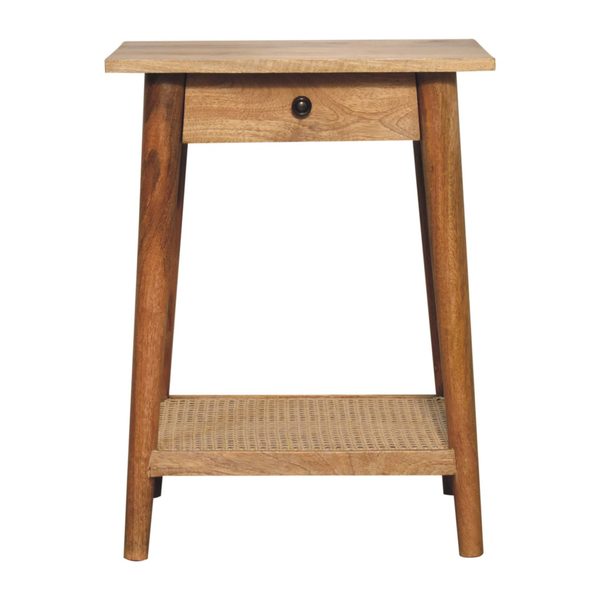
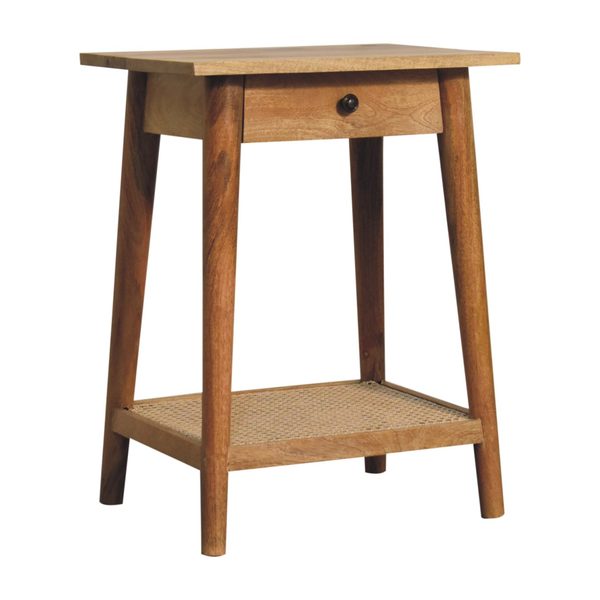
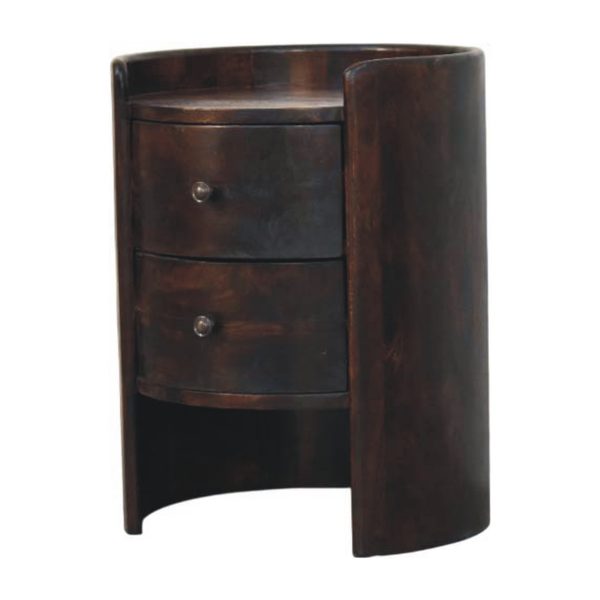
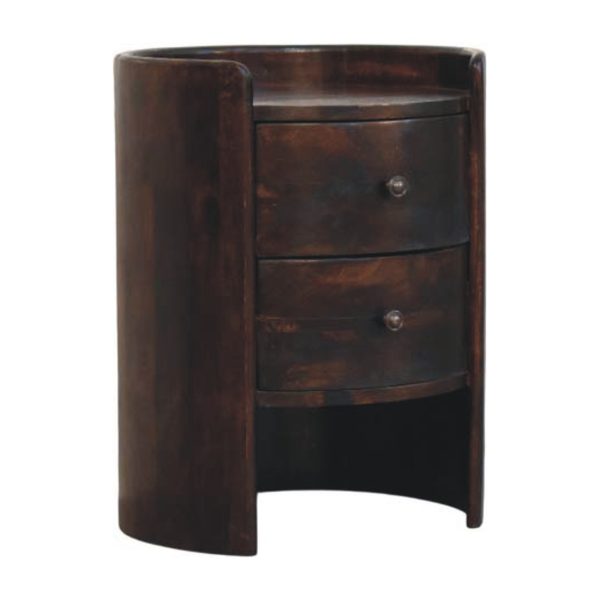
Which items need the drawer’s useful inside space?
Measure remotes, reading items or other small belongings as the groups you will actually keep. Compare their height, width and depth with the usable interior, including any partitions or supports described for the drawer. Leave practical room to find and remove things.
Confirm supplied drawer quantity and features in the actual product information. Do not assume one front equals one roomy compartment or that a runner offers a particular extension or closing function. Tables with shelves provide an open-access alternative where that better suits the contents. Group items by how often you use them. Keep the frequent essentials near the accessible part of the drawer, with occasional belongings behind them if the usable depth allows.
Can the drawer open while the seat remains easy to use?
Mark the full table base and actual opening movement beside the chair or sofa. Include arms, nearby furniture and the person reaching into the drawer. A front that faces the room and one turned toward another piece create different access decisions.
Check that retrieval does not require moving a lamp or pushing the table away from its intended position. Compare table dimensions separately from packaging where setup access matters. Sofa tables refine the particular seat relationship. Try the opening position on the floor with a paper outline. If another chair or cabinet blocks it, compare a different drawer direction or table depth before choosing the finish.
Does the top still serve the everyday surface task?
Measure a lamp base, drink and book together within usable top space, then compare height with comfortable seated reach. Storage below should not be the reason to accept a surface too distant or crowded for the main routine.
Read top, body and drawer materials separately, following finish, assembly and loading guidance. Keep any cable away from both the route and working openings. Tables with storage offer a broader organisation comparison if the exact method is still undecided. Keep the table top ready for the things you use while seated, and put the smaller loose items below. This makes the drawer a useful part of the routine while leaving room to set down and lift a cup.
Frequently Asked Questions
Explore small tables if limited room space is the first constraint, retaining actual drawer interiors and opening movement in the comparison.