
Side Tables with Shelves
Side tables with shelves can place books or other items below the everyday top while keeping them within the furniture arrangement. Start with the useful gap between levels, not shelf count alone. Real contents and the way you reach them determine whether the extra surface helps.
Read moreRead less
Compare the lower shelf’s depth and access beside the actual chair or sofa, then test the working top. Side tables cover first height and surface checks. Here the lower level has its own job: keeping a book, small box or other regular item easy to reach and return. Think about what will remain on view and how you will retrieve it once the table is beside an occupied seat.
Showing all 12 resultsSorted by recommended
-
On SaleOriginal price was: $213.00.$187.00Current price is: $187.00.
-
-
-
-
-
-
-
-
-
-
-
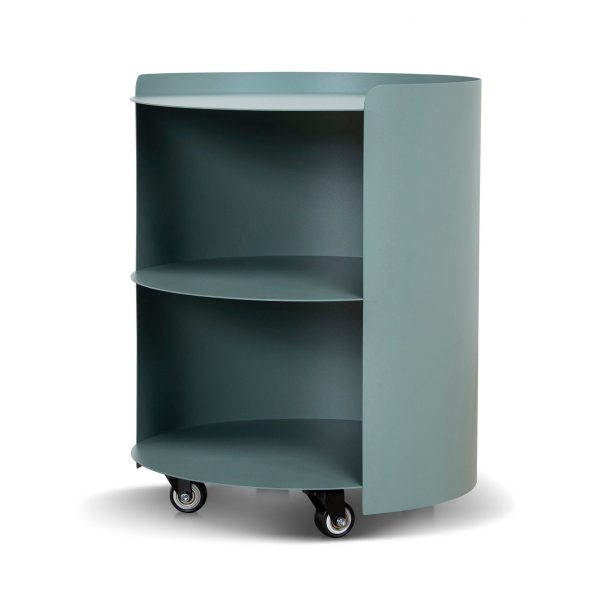

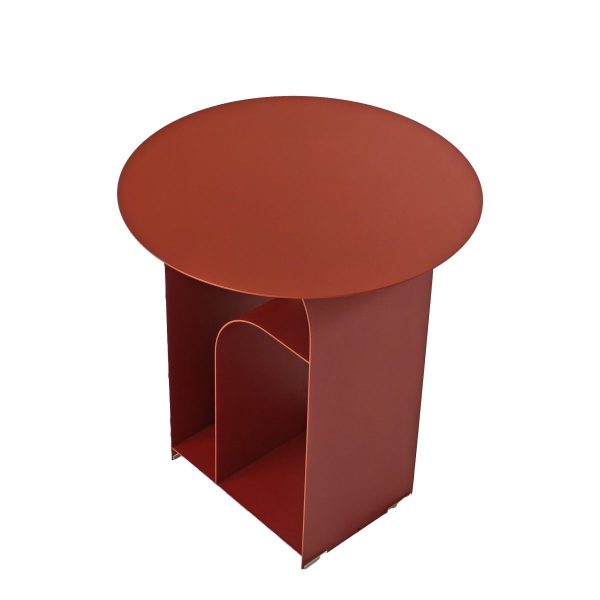
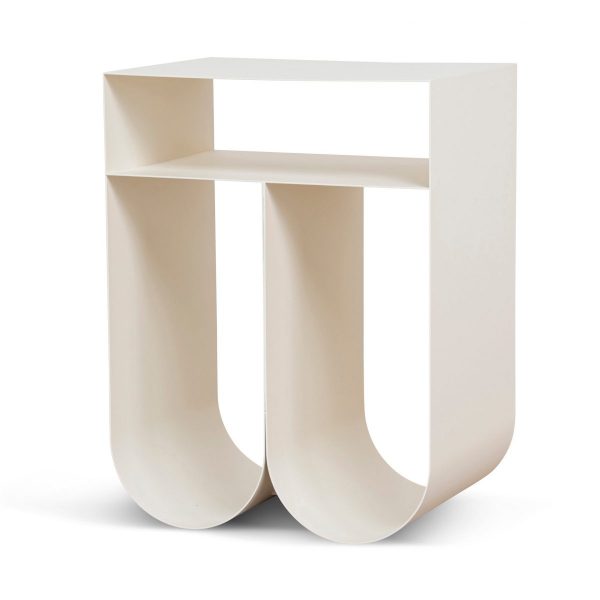
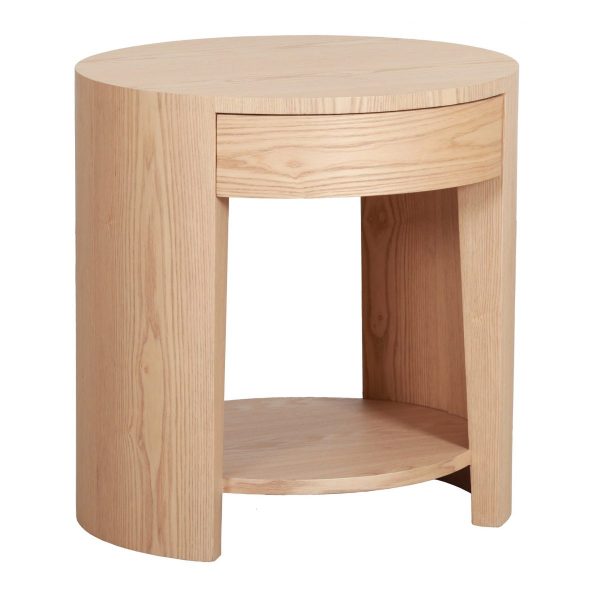
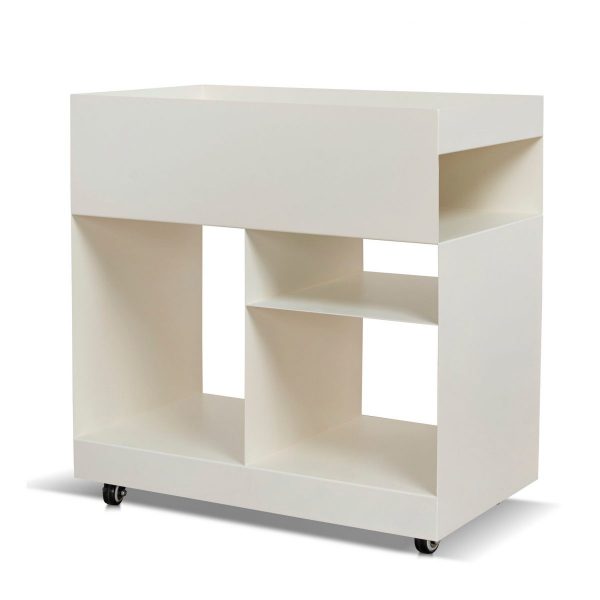
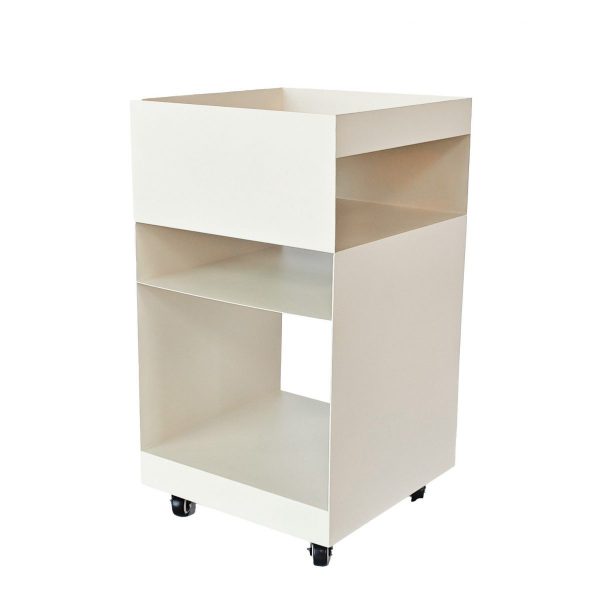
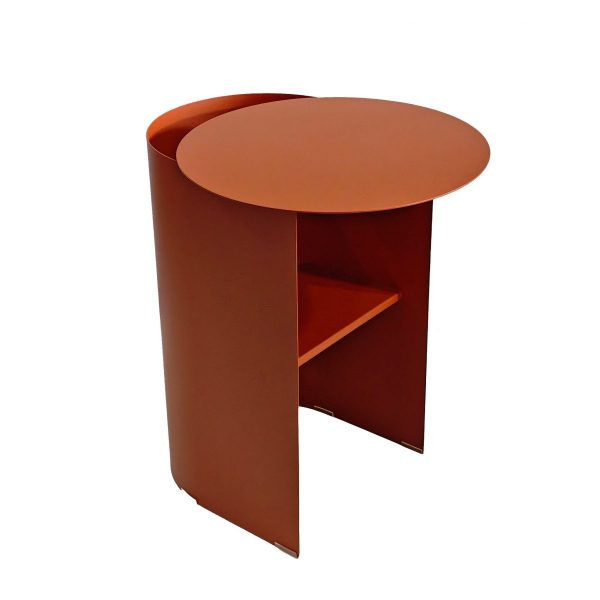
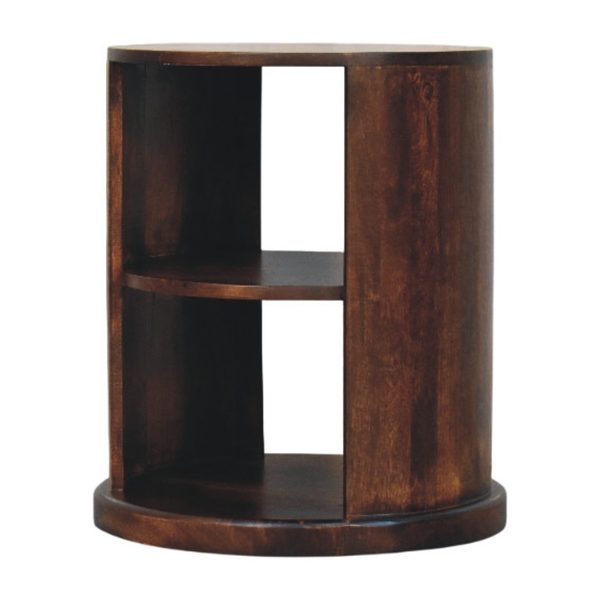
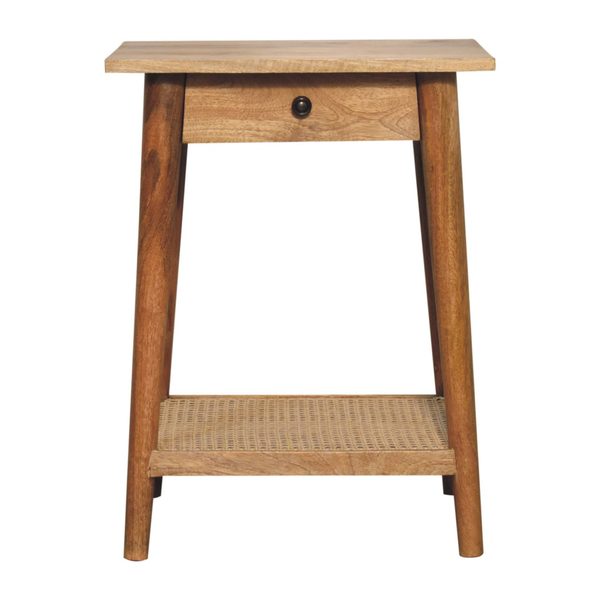
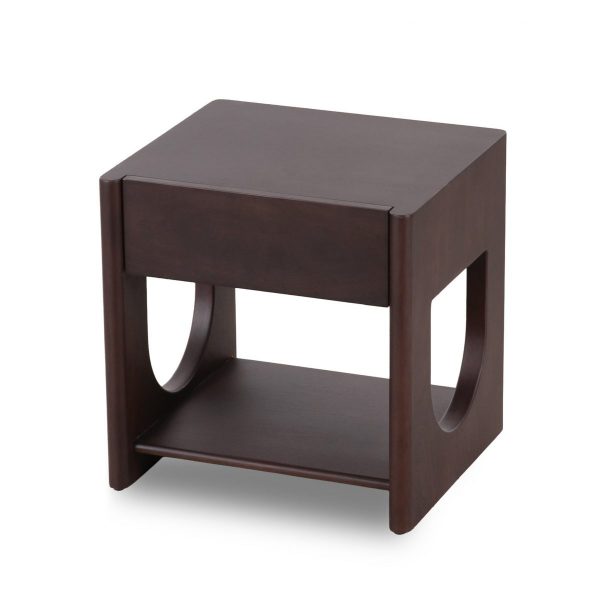
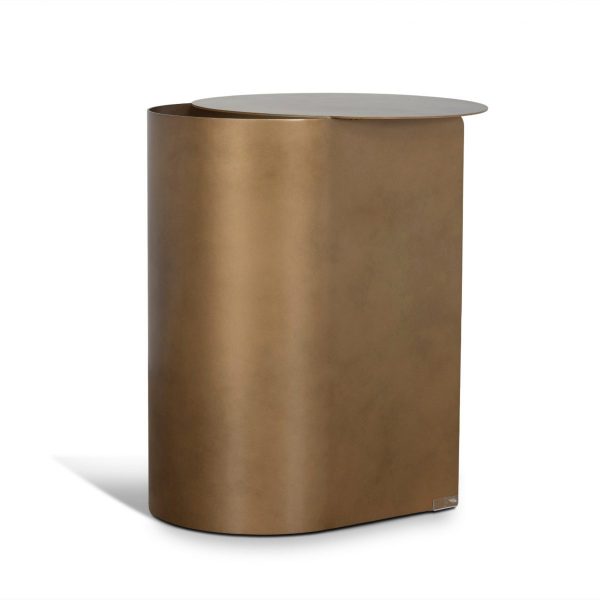

What will fit and remain easy to retrieve below the top?
Measure the books, boxes or other groups intended for each actual shelf. Compare usable width, depth and clear height, including supports that divide the space. A low gap or a shelf set behind a frame can make retrieval different from the front outline.
Leave practical room to remove items without rearranging everything above them. Verify adjustment, loading and supplied features only where stated. Drawer tables offer an enclosed alternative if that better suits the contents. Try taking out the largest item while the smaller ones stay in place. A stack of books may need room above it to tilt and lift, while a box needs a clear route out from the front or side.
How should visible contents relate to the seat and room?
Decide whether the lower level is everyday storage, display or a real combination. Items should remain easy to return even where a decorative object becomes a focal detail. Assess the whole table and contents from the room view, not an empty styled shelf.
Compare material and colour with upholstery and flooring after the useful gaps work. Black tables provide a defined outline, while natural timber tables focus on grain. Avoid filling every remaining opening merely to make the shelf look complete. Keep the shelf arrangement simple enough to use every day. One useful stack or box can be easier to reach and put back than several small objects spread across the whole level.
Can shelf access and the top work without crowding feet?
Mark the complete base with the seat occupied and room to enter or rise. Include the position of lower contents and the movement needed to reach them. A shelf may occupy space differently from a top above an otherwise open base.
Compare lamp, drink and book on the usable top and test comfortable seated reach. Read materials, loading, assembly and component care accurately. Sofa tables refine that relationship where the table belongs beside a sofa. Try reaching down without shifting the table or brushing the contents with your feet. If the lower shelf is awkward from the seat, use it for less frequent items or compare a more accessible shelf position.
Frequently Asked Questions
Use tables with storage for a broader organisation comparison if the best below-top method is still being decided.