
Natural Timber Side Tables
Natural timber side tables bring visible grain into the space beside a sofa or chair. Decide how much wood character you want to see: a patterned top can become a small focal point, while a quieter grain may sit comfortably beside stronger upholstery. Look at the whole table with your floor and the timber pieces you already own.
Read moreRead less
A natural-looking finish can still have a clear or tinted coating, so check its description before choosing care. Compare the top size and height with the objects you keep nearby. The broader timber table guide covers construction choices; here the emphasis is grain, room relationships and a useful place beside your seat.
Showing all 19 resultsSorted by recommended
-
-
On SaleOriginal price was: $806.00.$709.00Current price is: $709.00.
-
-
On SaleOriginal price was: $849.00.$747.00Current price is: $747.00.
-
On SaleOriginal price was: $459.00.$404.00Current price is: $404.00.
-
-
On SaleOriginal price was: $479.00.$422.00Current price is: $422.00.
-
-
-
-
-
-
-
-
-
-
-
-
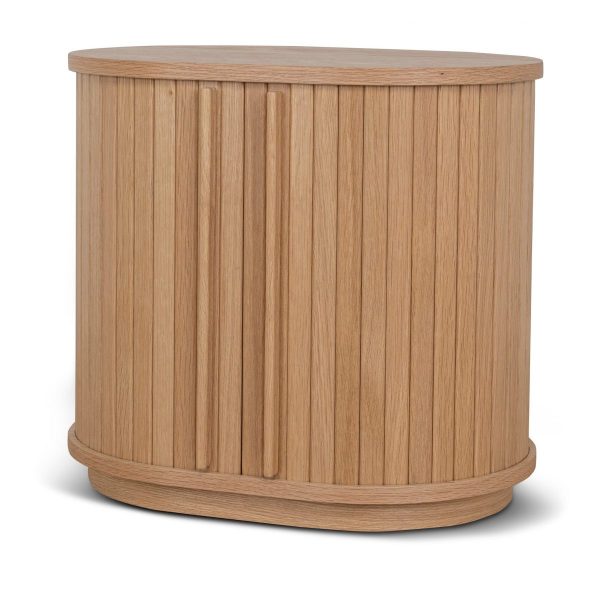


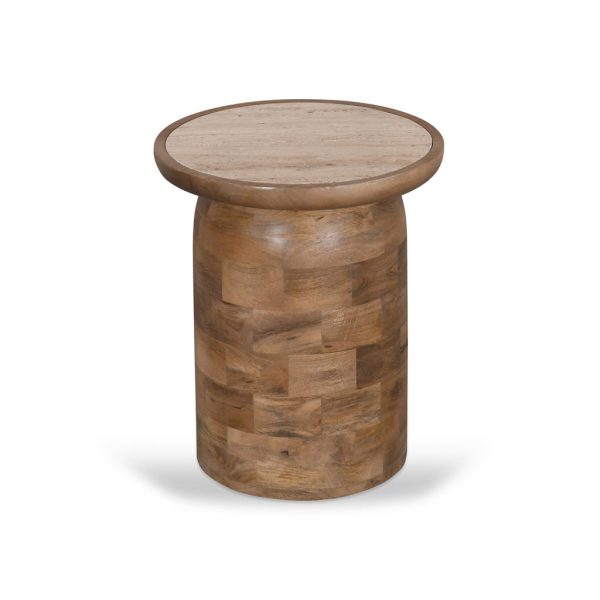

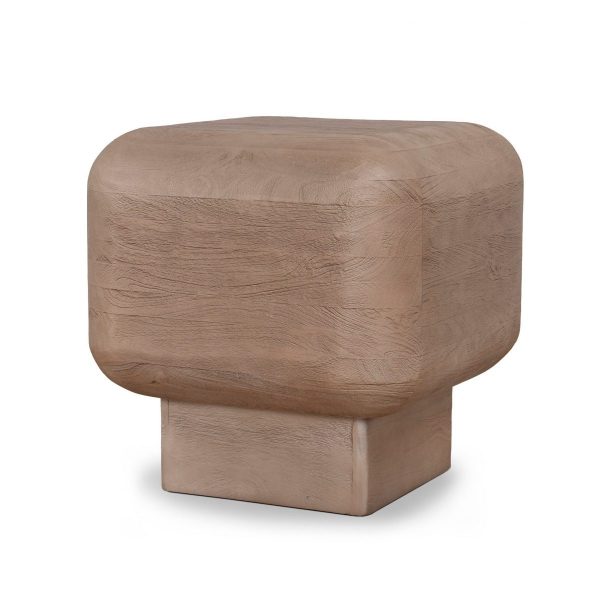

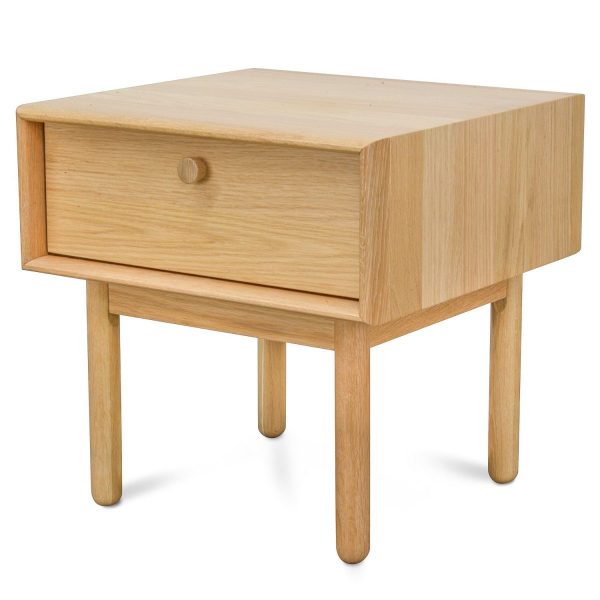

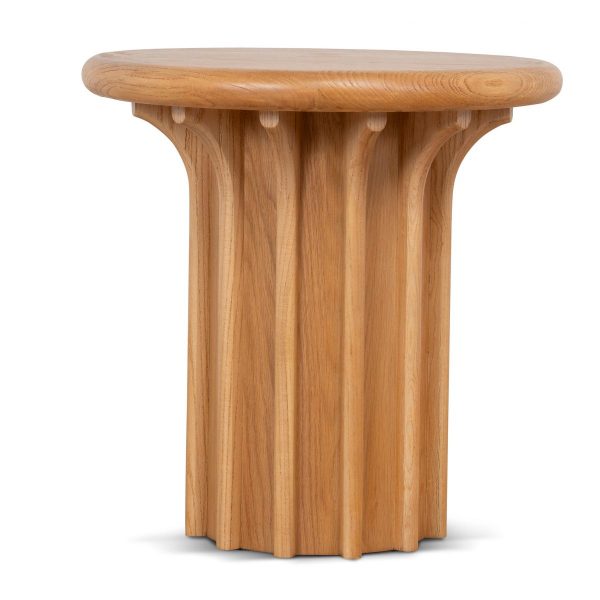
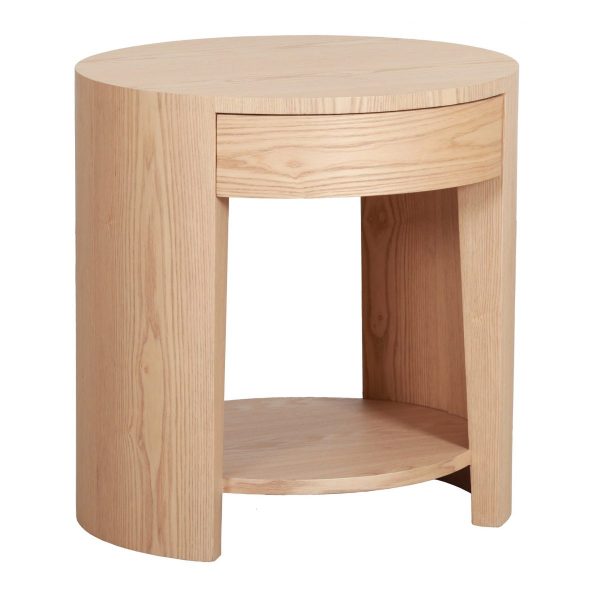
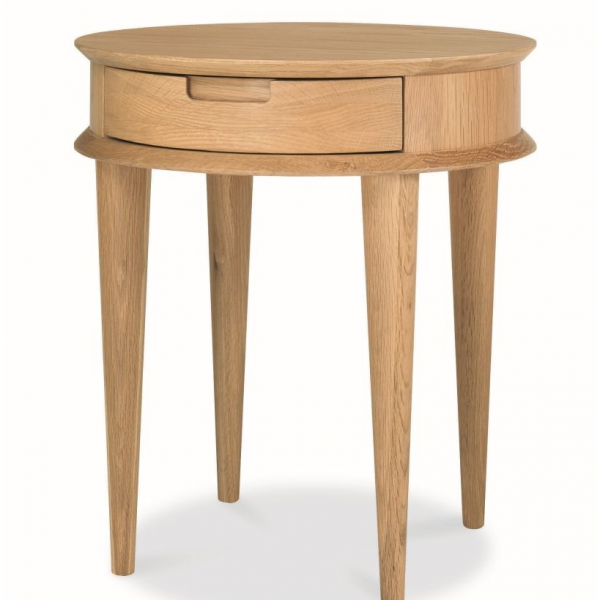
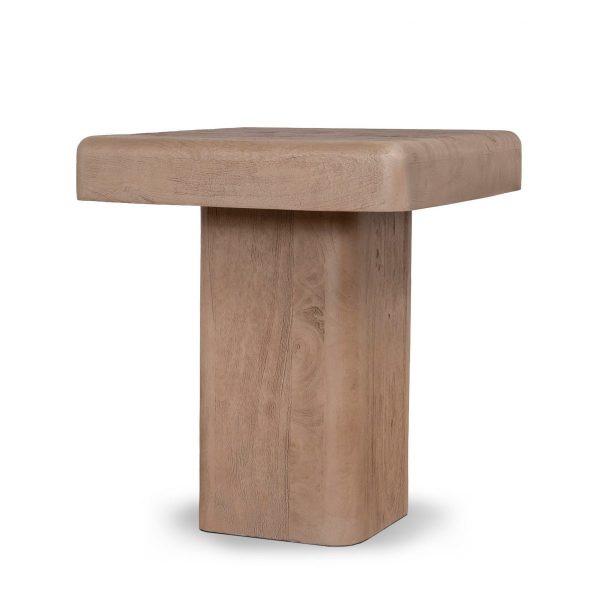
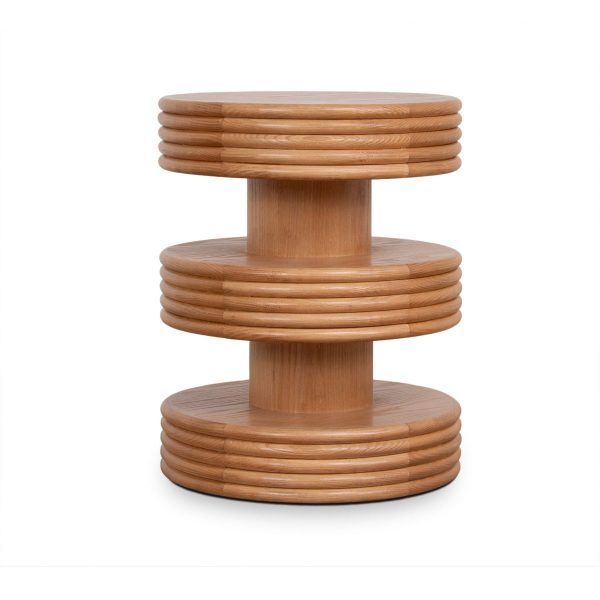
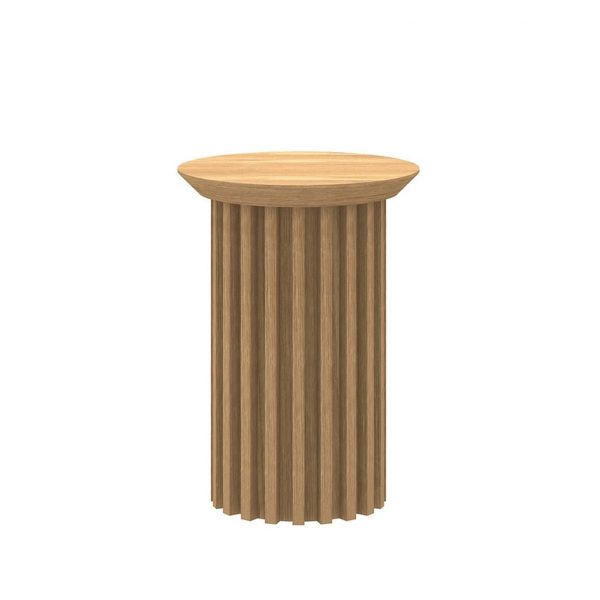
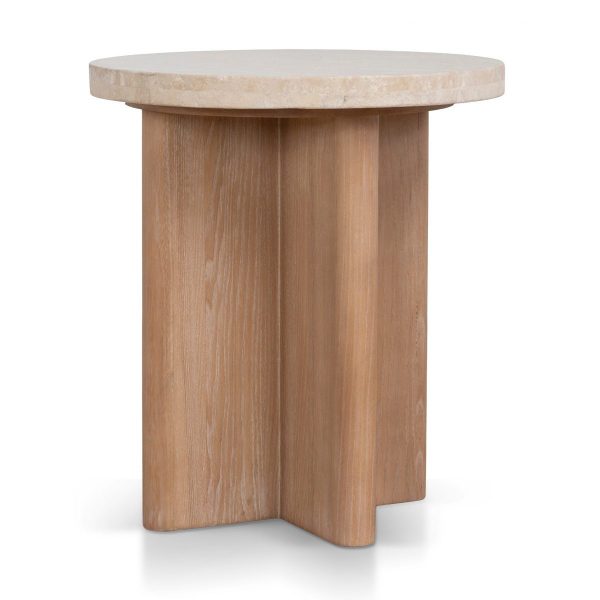
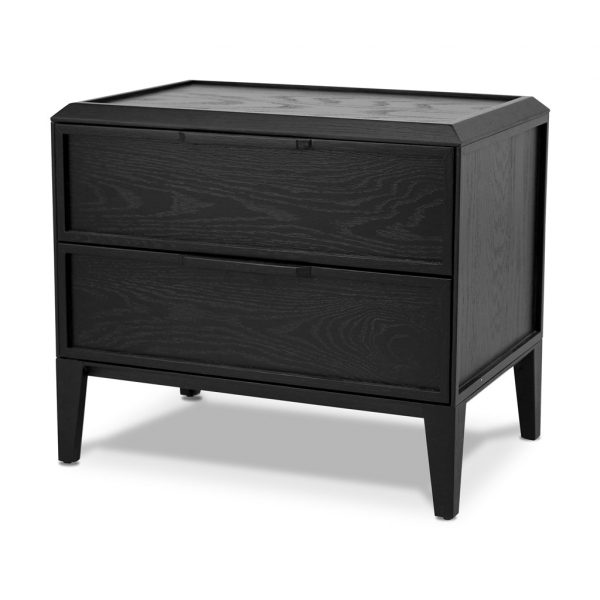
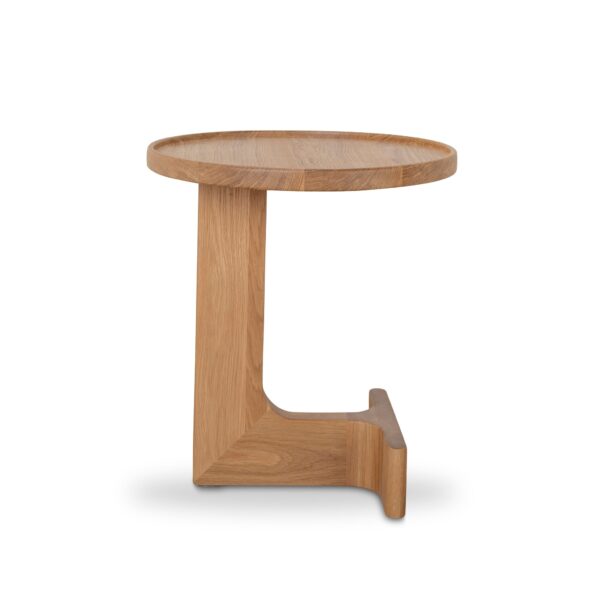

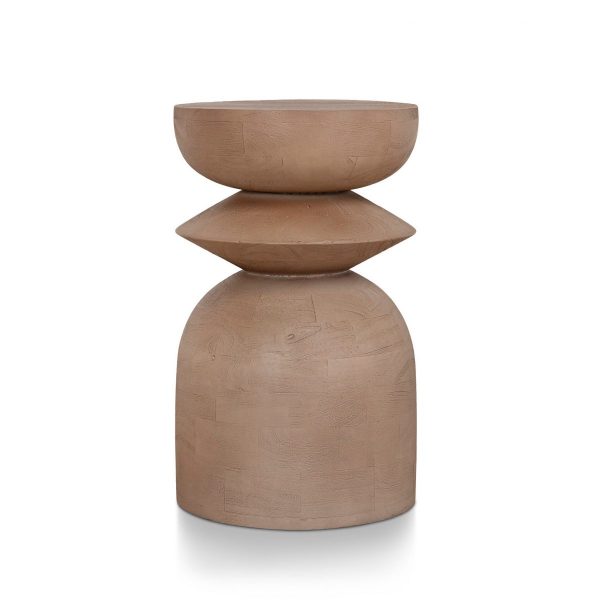
How much visible grain should sit beside the upholstery?
Compare the table with the actual seat and the objects that will normally rest on top. A more active grain may become an accent beside plain fabric, while another finish can leave patterned upholstery more prominent. Assess top, sides and base together.
Look at the relationship with existing timber instead of assuming the same species or a perfect match. Use the selected design’s appearance and variation information. Mango wood tables provide a named-species comparison where that matters. Compare how the grain runs across the visible top and how much your lamp or books would cover. For two tables in one room, choose a consistent tone without expecting identical natural patterns.
What actual coating and construction sit behind the natural look?
Read the material of each top and support component, keeping veneer, solid wood and other stated construction accurate. Grain alone cannot identify the complete structure. Check the applied finish before choosing oil, polish or another treatment.
Wood absorbs and releases moisture as room humidity changes, expanding or shrinking with it. Follow product placement and care instead of treating a natural appearance as an unchanging surface. Oak veneer tables and walnut veneer tables offer precise surface-layer comparisons. Check the finish on the edges you will touch and the top where objects rest. If you prefer visible timber texture, confirm how the coating affects that appearance rather than choosing a treatment from the colour alone.
Can the grain-led table fit the seated routine?
Measure useful top area for the lamp, drink and book, then compare height with comfortable reach from the actual seat. Include room to handle items without reaching awkwardly over an arm or another object. A grain pattern does not establish enough surface space.
Mark the complete base with the chair or sofa occupied and movement to enter, rise and pass. Follow assembly and surface-protection guidance for ordinary contact. Sofa tables refine that seat relationship. If the top has strong grain, leave part of it visible around your everyday objects. A slightly larger usable surface may let the table serve a lamp and drink without hiding the wood detail that attracted you.
Frequently Asked Questions
Explore grey tables if the next comparison is a quieter neutral surface instead of prominent wood character.