
Timber Side Tables
Timber side tables should be chosen through the actual wood components and the surface task beside the seat. Read the top, supports and any storage parts separately. Solid timber, veneer and mixed construction are different descriptions, and visible grain on one part cannot identify the whole table.
Read moreRead less
Then compare useful top space and comfortable reach with the lamp, drink or book you keep nearby. Side tables cover those first practical checks. Different wood parts can bring different grain, edges and care needs to the same design. Compare those details with how you will use the table: regular drinks, a reading lamp or a place to return small belongings. The finish should suit that everyday contact as well as the room.
Showing 1–24 of 69 resultsSorted by recommended
-
Week’s PickOriginal price was: $429.00.$356.00Current price is: $356.00.
-
-
-
-
On SaleOriginal price was: $806.00.$709.00Current price is: $709.00.
-
-
On SaleOriginal price was: $849.00.$747.00Current price is: $747.00.
-
-
On SaleOriginal price was: $459.00.$404.00Current price is: $404.00.
-
-
-
On SaleOriginal price was: $479.00.$422.00Current price is: $422.00.
-
-
-
-
Week’s PickOriginal price was: $749.00.$674.00Current price is: $674.00.
-
Week’s PickOriginal price was: $612.00.$551.00Current price is: $551.00.
-
-
-
On SaleOriginal price was: $1,424.00.$1,353.00Current price is: $1,353.00.
-
-
-
-
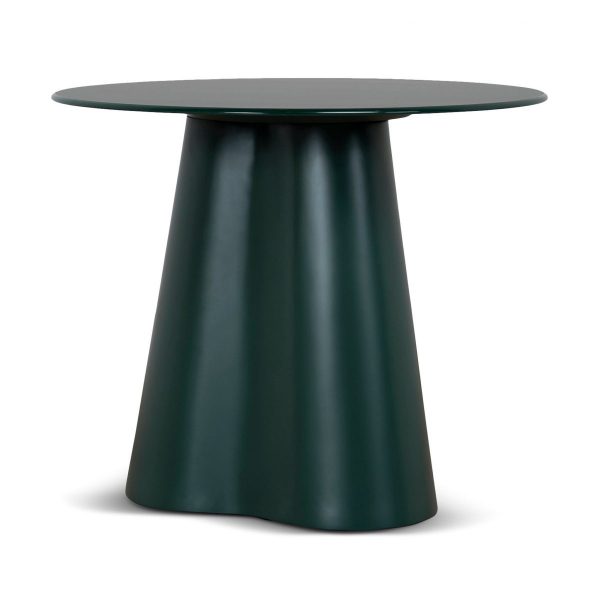

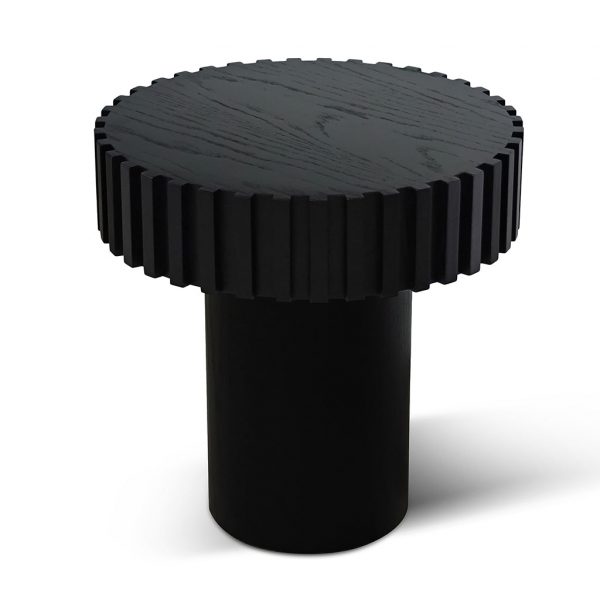
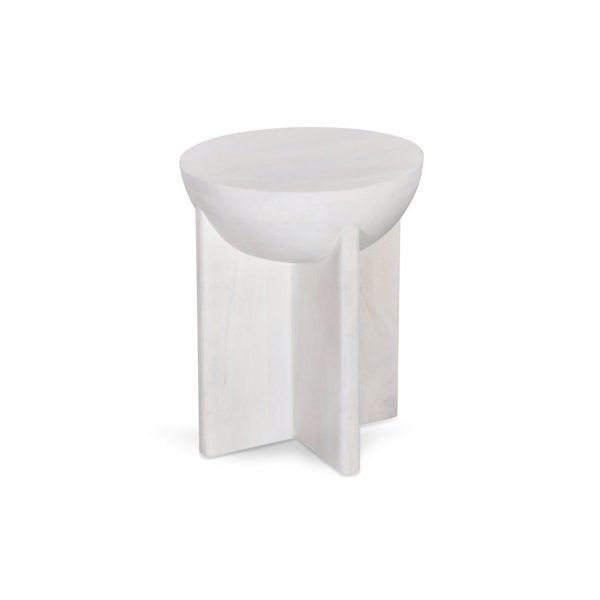
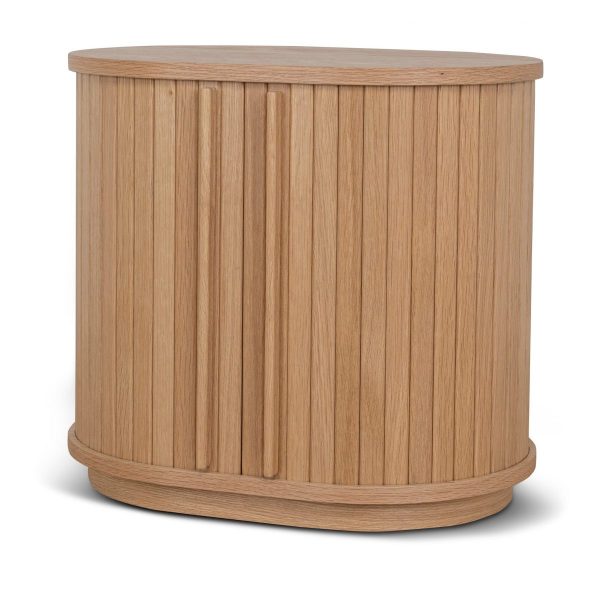

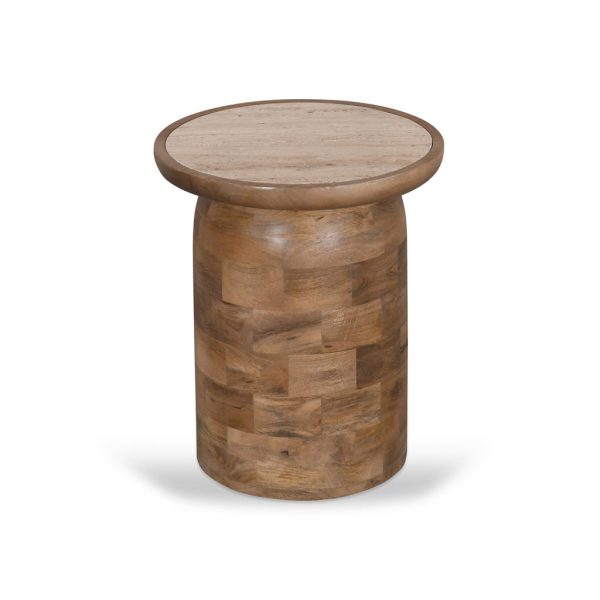

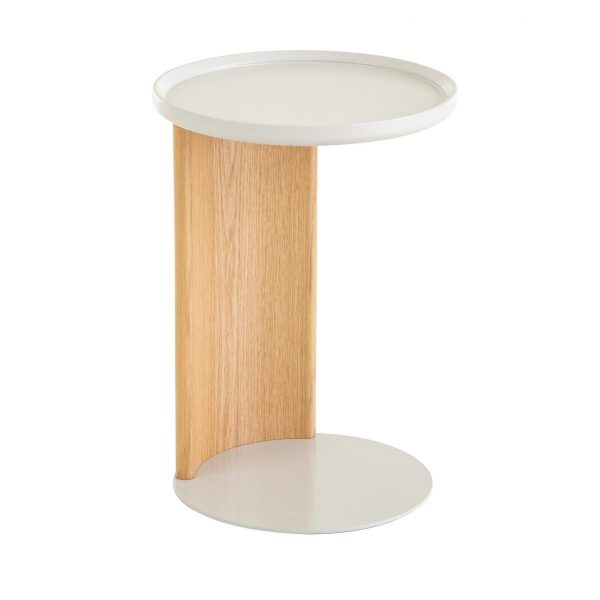
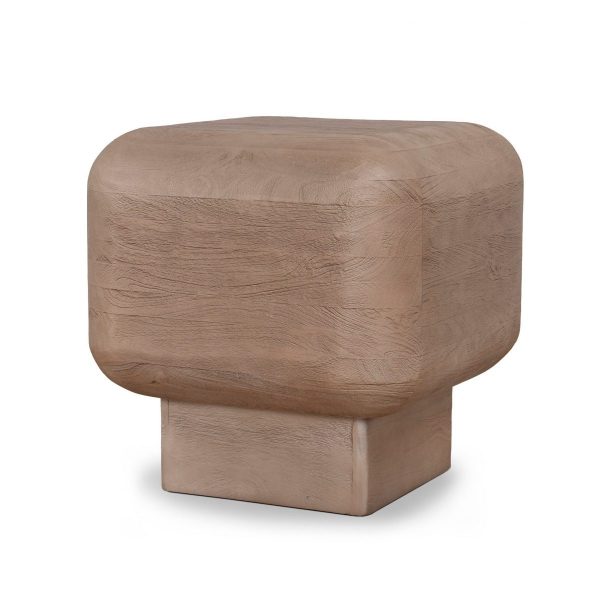


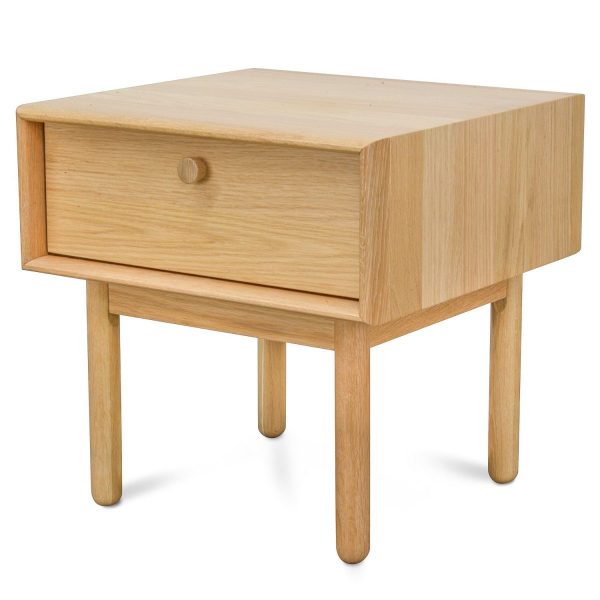

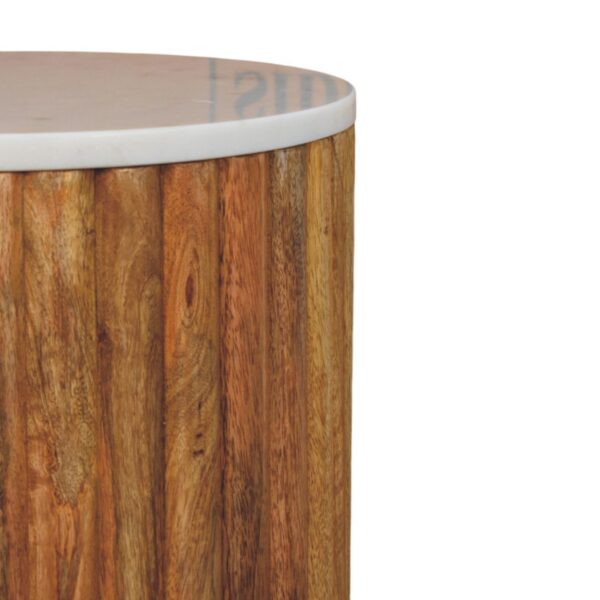
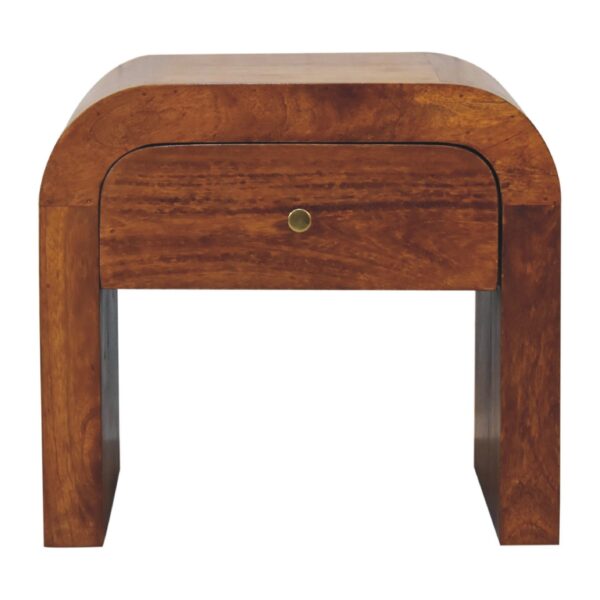
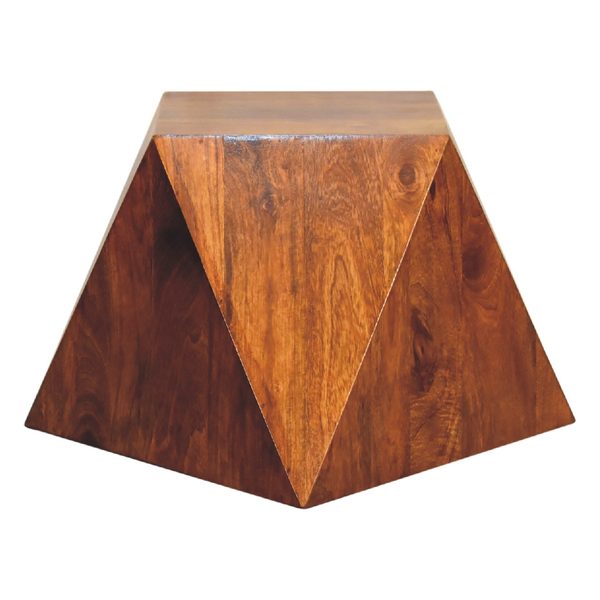
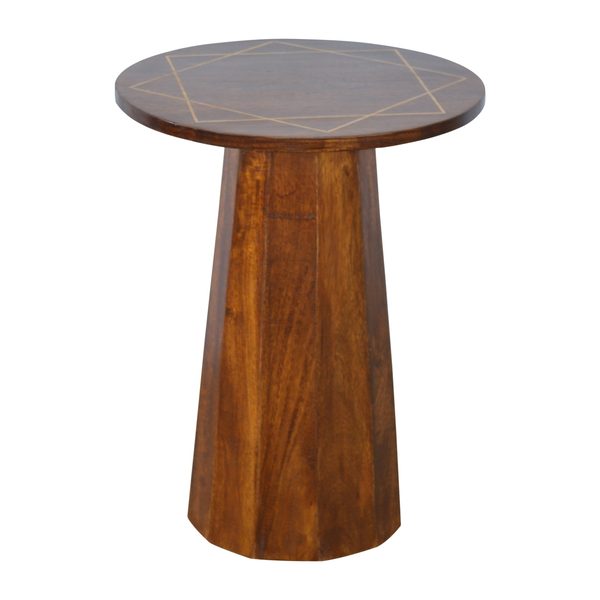
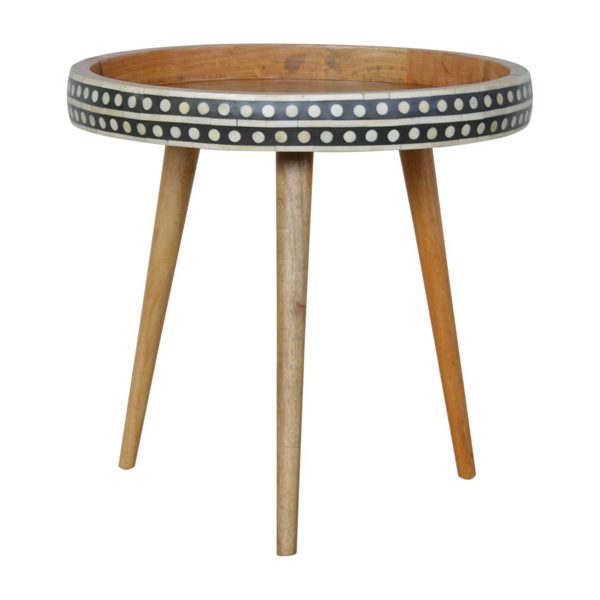
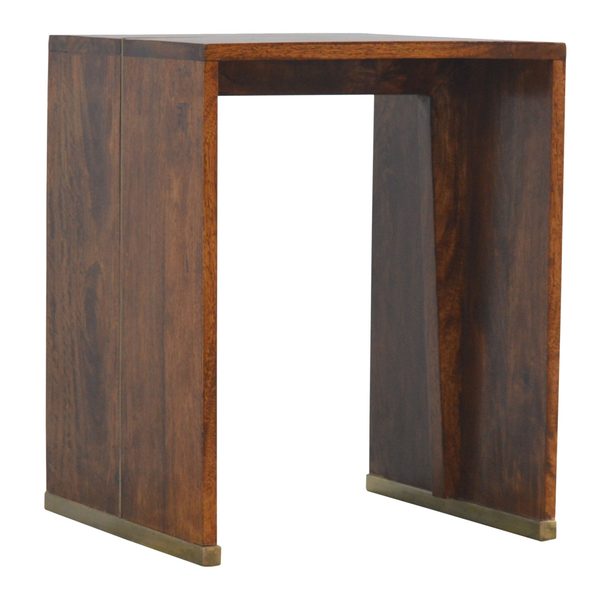
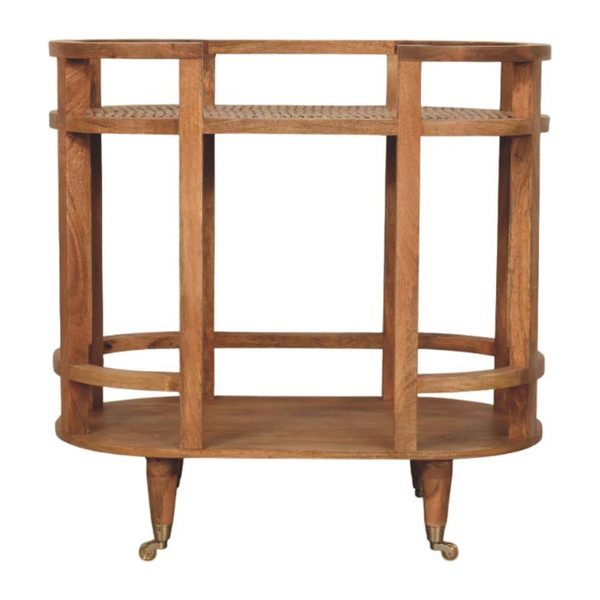
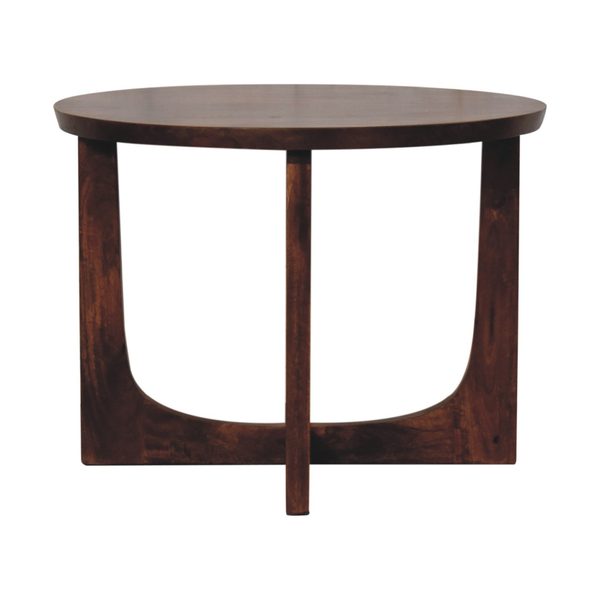
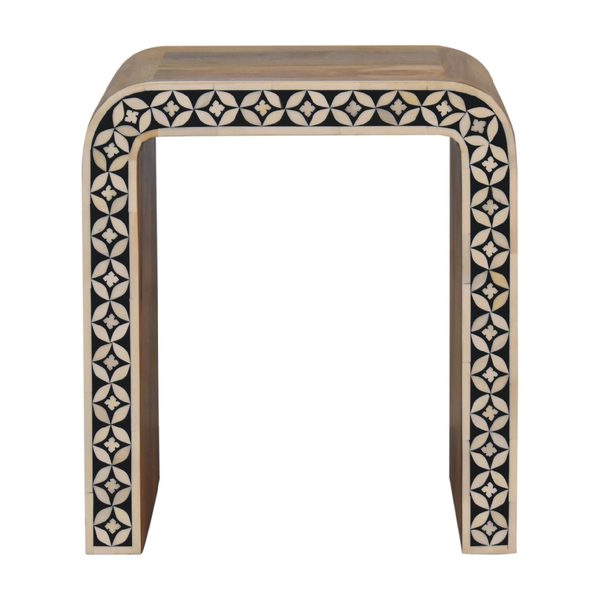
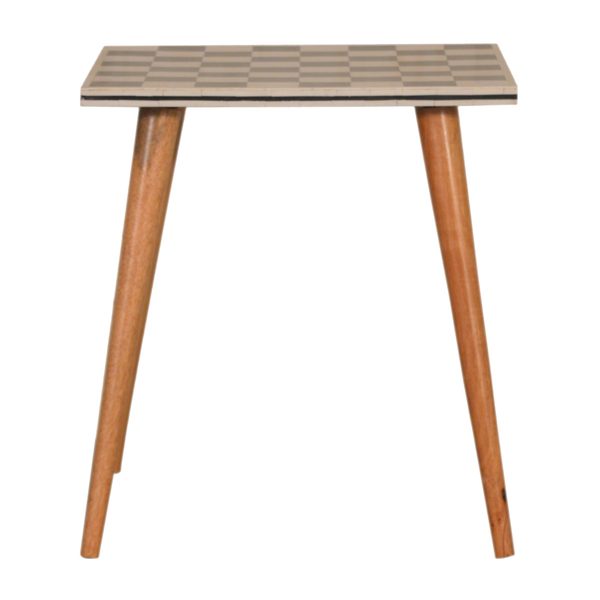
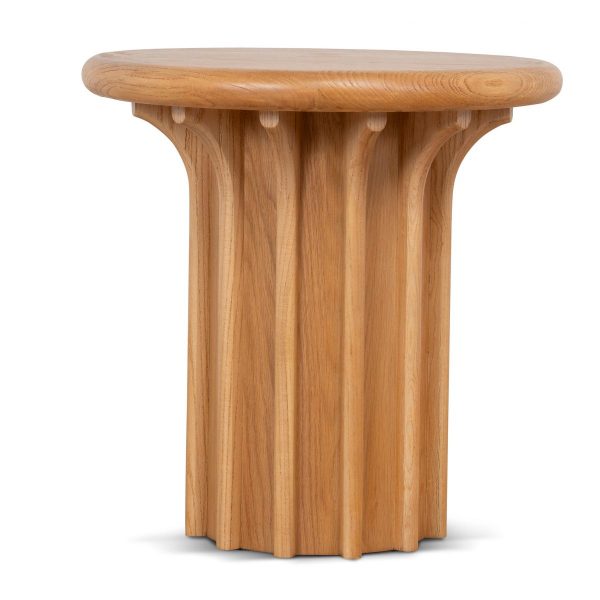
Which wood parts form the working table?
Read the top, frame, base and storage components in the material list. Keep veneer and solid timber statements accurate wherever supplied. Available edges, joints or underside views can help clarify the construction, but should support rather than replace the written detail.
Ask about missing information where it affects your choice. Timber does not establish sourcing, a load limit or a seating function by itself. Mango wood tables narrow a named species, while oak veneer tables focus on a specific surface layer. Decide which construction detail matters most to you. An exposed timber edge, veneered top or timber frame can create a different result; compare the named parts and their finish before deciding which best fits your brief.
Can the top and full support fit the seated task?
Measure the actual lamp base, drink and book together within usable top area. Compare height and distance with comfortable reach from the chair or sofa, including its arm. Outside table width should not establish enough convenient placing space.
Mark the full base and all projections with the seat occupied, leaving room to enter, rise and pass. Read stated use and loading rather than judge from a substantial timber form. Sofa tables refine that relationship. If the timber support is the detail you like most, check it from the seated position too. A broad base or low rail can change where feet belong even when the top has enough room for your objects.
Which finish care belongs with ordinary surface contact?
Follow the applied coating’s instructions rather than choose oil, wax or a cleaner because the table contains timber. Wood responds to moisture, so ordinary drink and plant contact needs the protection directed for the actual finish. Keep another component’s care separate where materials differ.
Read room placement and assembly guidance, and plan lamp leads away from routes or storage openings. Natural timber tables focus on visible grain after those practical facts are clear. Plan coasters, plant protection and spill cleanup for the selected coating. Check whether regular care needs a particular product, so you can keep the useful surface in good condition during everyday use.
Frequently Asked Questions
Explore tables with storage if below-top organisation is another practical requirement alongside the wood construction.