
Oak Veneer Side Tables
Oak veneer side tables give you an oak surface to compare through grain, finish and the way it sits beside your seating. Veneer is a timber layer over a supporting material, so check the top and base separately. The useful choice is the actual table, rather than an assumption that every component is solid oak.
Read moreRead less
Look at the colour and grain across the full top, including the edge that remains visible beside a sofa or chair. Oak finishes can vary between designs. Use the wider timber table guide for construction comparisons, then judge the veneered surface against the top space, height and care your everyday use needs.
Showing all 8 resultsSorted by recommended
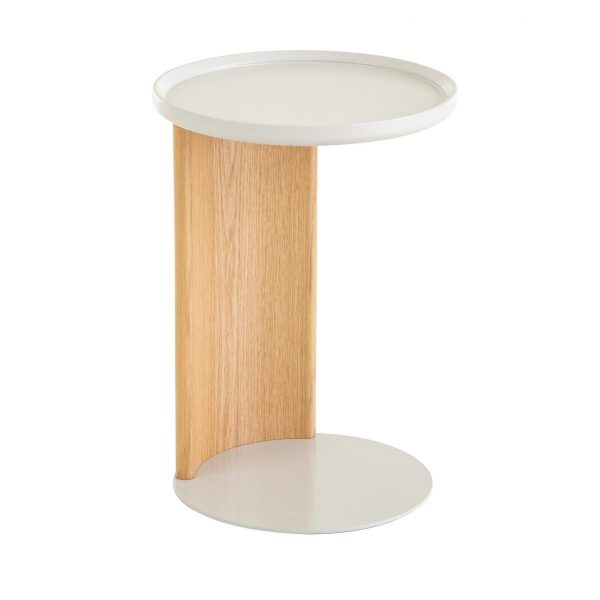


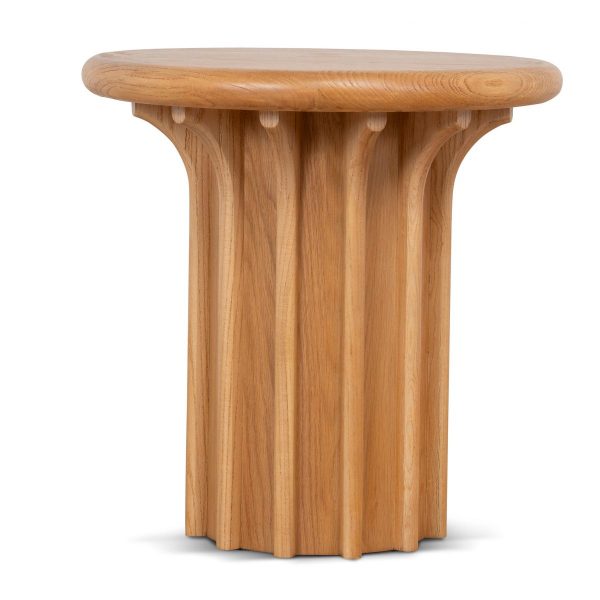
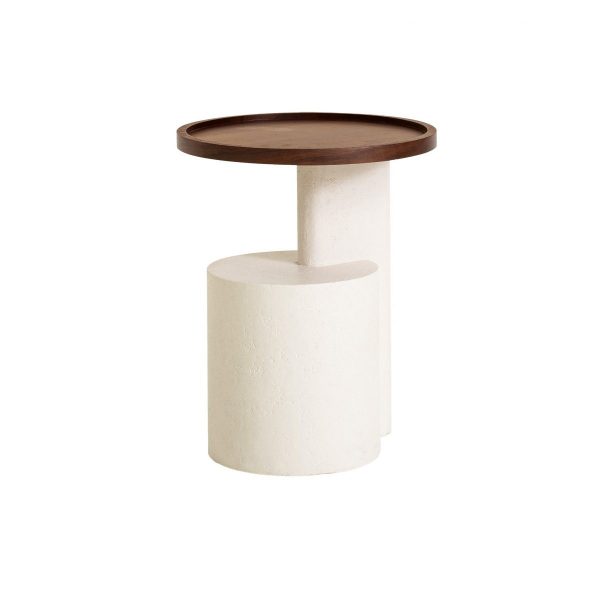
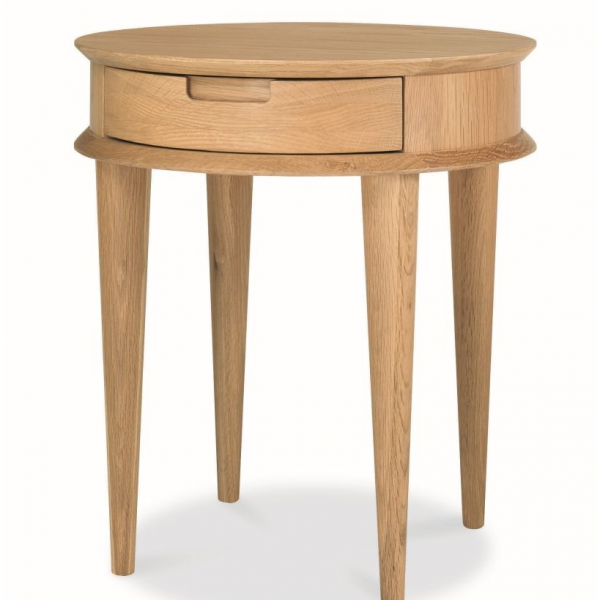
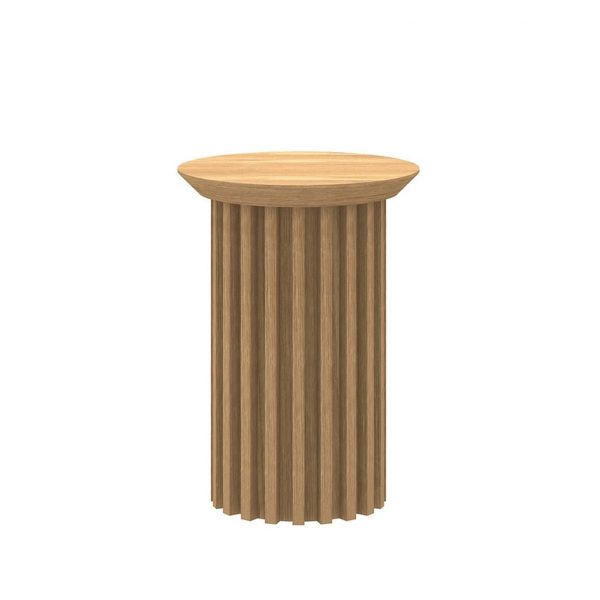

Which surface carries the oak layer and what is underneath?
Read top, sides, base and any storage parts individually. A veneer component may sit alongside another stated construction. Available edge or underside views can support the written material list without identifying every part of the table on their own.
Check how the top edge is finished and how it meets the base. Those details influence the table’s appearance from the seat and the surfaces you will touch. Ask about an important missing material detail, and use the stated loading guidance for your lamp and other objects. Walnut veneer tables provide another named surface comparison while the same useful top and seated-access requirements remain in place.
How should the oak finish relate to other timber?
Compare the complete table with flooring, furniture and the items you will normally keep on top. Stains or coatings can alter the visible tone, so the oak name should not set an exact colour expectation. Assess the top and base separately where their materials differ.
A compatible warmth or deliberate contrast may be clearer than chasing an uncertain species match. Natural timber tables focus on visible grain more broadly. Keep useful top area and seated height fixed while comparing finishes. Look at the direction and pattern of grain on the full surface, then compare the edge and base tones. When pairing two tables, a consistent finish can connect them even if the individual grain arrangements differ.
What care suits the layer and everyday table use?
Follow the applied finish’s cleaning and surface-protection guidance. Do not assume sanding, oiling or abrasive treatment suits a veneered construction. Ask about approved maintenance where it is unclear, particularly at edges where objects are moved.
Measure lamp, book and drink together on the usable top and read stated use or loading. Mark full base and movement to enter or rise from the seat. Tables with drawers refine below-top organisation if needed. Leave room for any coaster or protective pad the surface requires. If a lamp occupies most of the top, compare a larger usable area or storage below it so a drink and smaller belongings still have a clear place.
Frequently Asked Questions
Use side tables for the wider reach and surface task once the oak veneer component is accurately understood.