
Walnut Veneer Side Tables
Walnut veneer side tables offer a named wood surface within a table whose support and useful dimensions still need checking. Confirm where the veneer appears and what other parts are made from. A timber layer over a base material should not become a solid-walnut-throughout statement.
Read moreRead less
Compare the actual finish with nearby furniture rather than expect one fixed dark shade. Then check lamp, drink and book on the useful top. Timber tables cover broader construction questions. The visible walnut layer may bring grain and warmth to a small part of the room without requiring every timber piece to match. Compare the edge finish and grain direction as well as the colour, especially when the top is viewed closely from the adjacent seat.
Showing all 4 resultsSorted by recommended
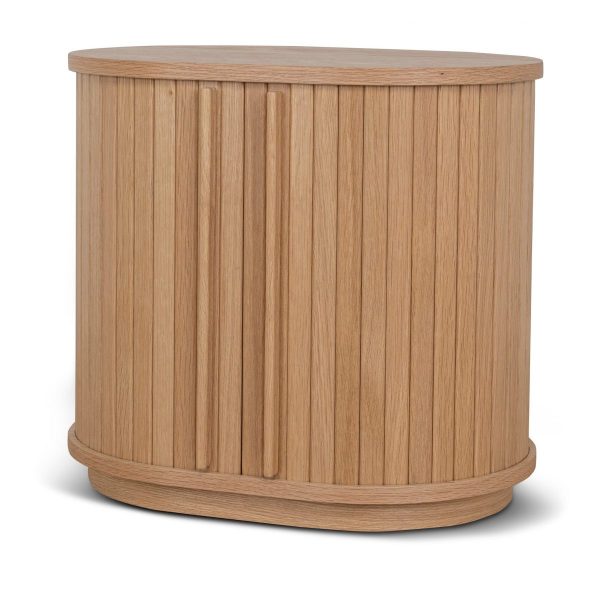

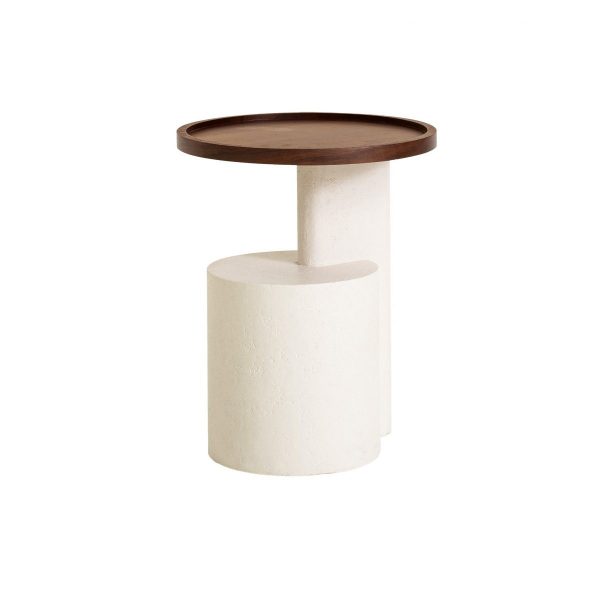

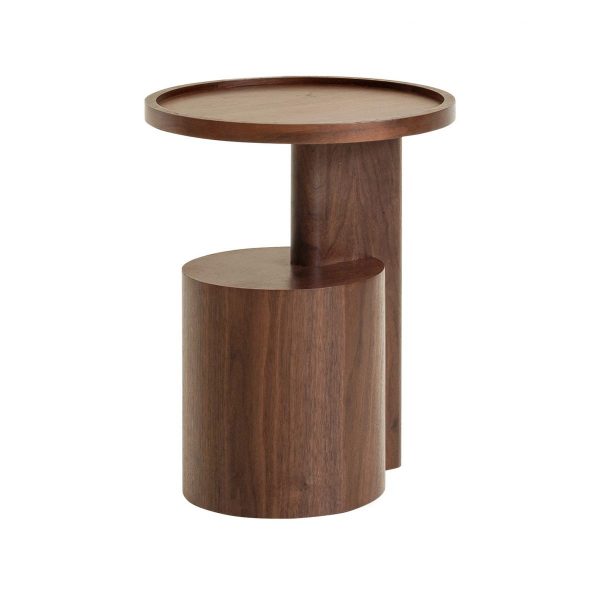
What does the named walnut surface describe?
Read the material statement for the top and any covered sides, then check the base and supports separately. Other components may use different construction. Available edge or underside views can support the written description without proving the whole table on their own.
Keep actual core, finish and use information beside the veneer detail. Walnut on the surface does not establish sourcing, origin or a load limit. If the wood layer is central to your brief, ask about missing information before choosing. Oak veneer tables provide another named surface comparison, with the same distinction between visible timber and the structure supporting everyday objects.
Which walnut tone belongs beside your existing furniture?
Use the selected design’s finish and variation information, not a broad expectation that walnut is always dark. Compare the complete top, sides and base with flooring, seating and nearby timber. A lamp or another object may cover part of the grain.
Choose a compatible warmth or deliberate contrast rather than insist on an uncertain species match. Natural timber tables focus on visible grain more broadly, while black tables offer a defined dark accent across materials. Keep useful top space and seated height fixed while judging those room relationships. Compare a grain detail with a wider room view. If a large lamp covers much of the top, look at the visible edges and sides too; those may carry more of the walnut character in the finished arrangement.
What handling protects the actual layer and coating?
Follow the surface’s approved cleaning and contact-protection instructions. Do not assume sanding, oiling or abrasive polishing suits a veneer layer. At edges where objects are moved, use the care appropriate to the actual coating and construction.
Measure everyday objects together within the useful top and test comfortable reach from the seat. Read loading and assembly, then mark the complete base with room to enter or rise. Sofa tables refine that practical position. Plan protection for cup bases and any objects moved across the edge. If a repair is ever needed, ask for a method suited to the specific layer and coating before treating it like a thicker solid-timber surface.
Frequently Asked Questions
Use side tables for the wider surface comparison once the walnut layer, supporting construction and actual coating are clear.