
Small Side Tables
Small side tables are useful when the surface task is limited or the seat-side gap is constrained. Begin with what must fit on top, rather than the smallest outside measurement available. A compact table works only when everyday items can be placed and reached without crowding one another.
Read moreRead less
Then identify whether the room lacks width, depth or access around the seat. Small does not reduce every part of the form. Side tables cover the first height and reach checks. For a tight gap, decide which objects really need that position and which can sit elsewhere. A table for one drink has a different brief from a reading spot with a lamp and books. This helps you compare compact designs around the job you need them to do.
Showing 1–24 of 47 resultsSorted by recommended
-
On SaleOriginal price was: $213.00.$187.00Current price is: $187.00.
-
-
-
-
-
On SaleOriginal price was: $459.00.$404.00Current price is: $404.00.
-
-
-
-
Week’s PickOriginal price was: $612.00.$551.00Current price is: $551.00.
-
-
-
-
-
-
-
-
-
-
-
-
-
-
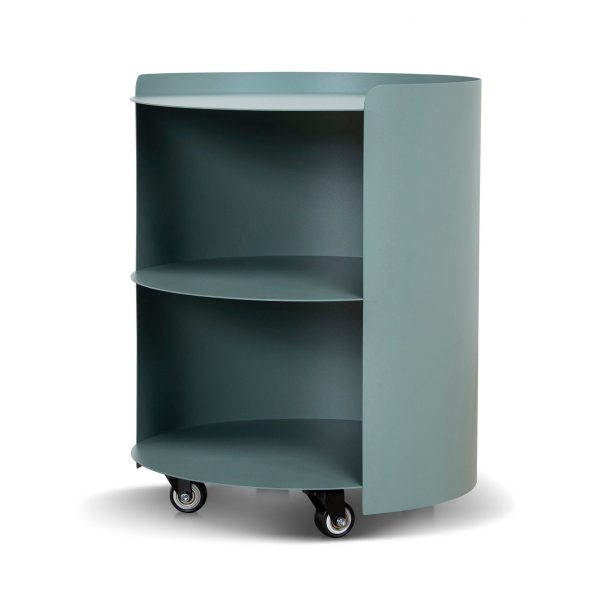


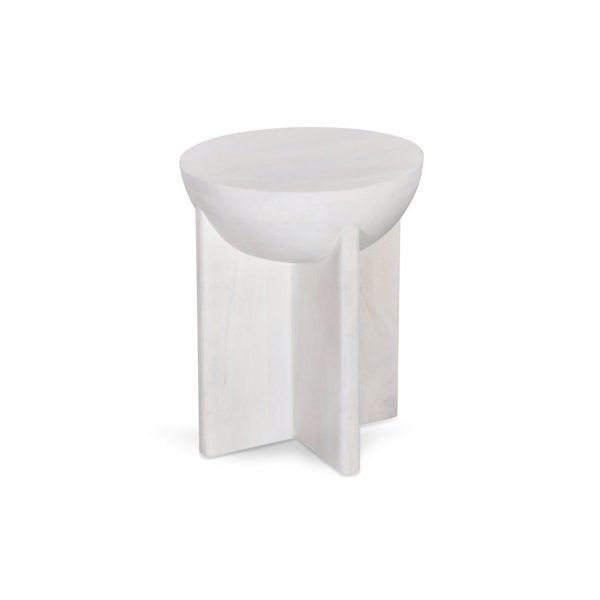
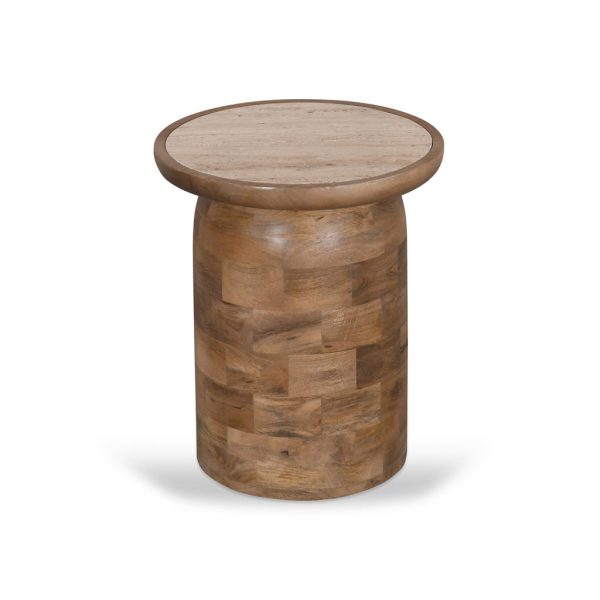
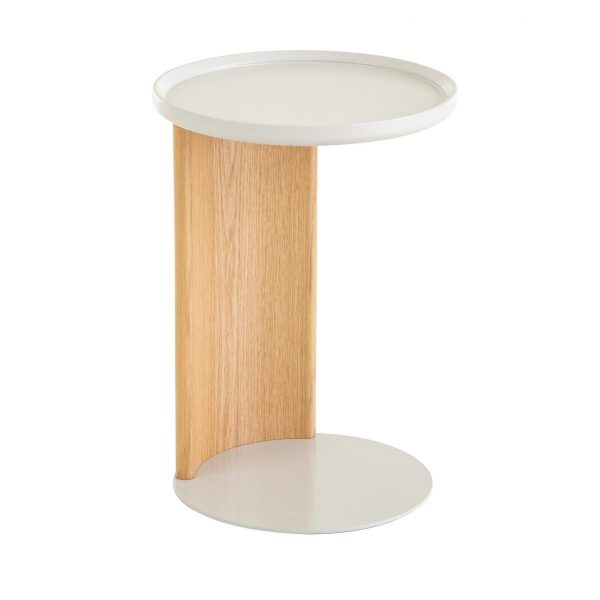
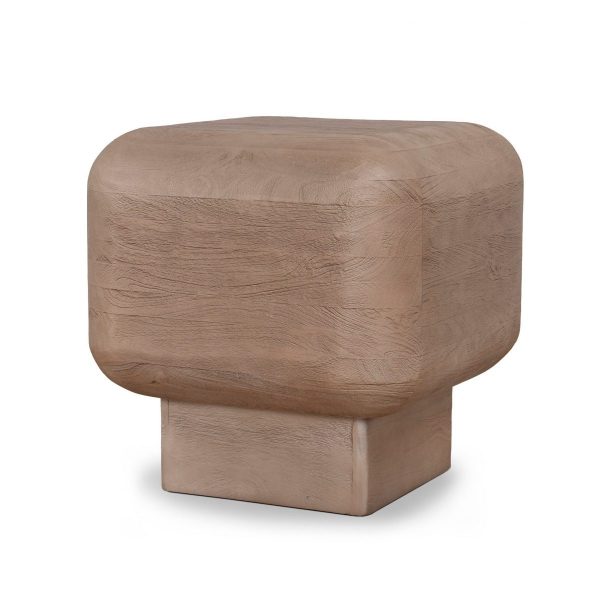
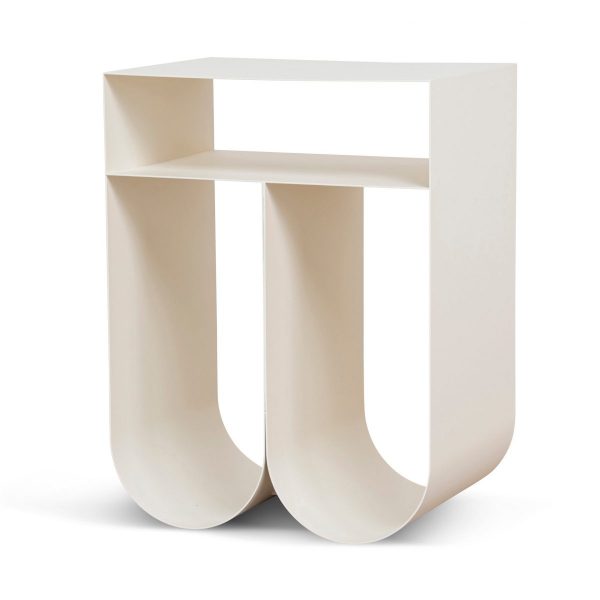
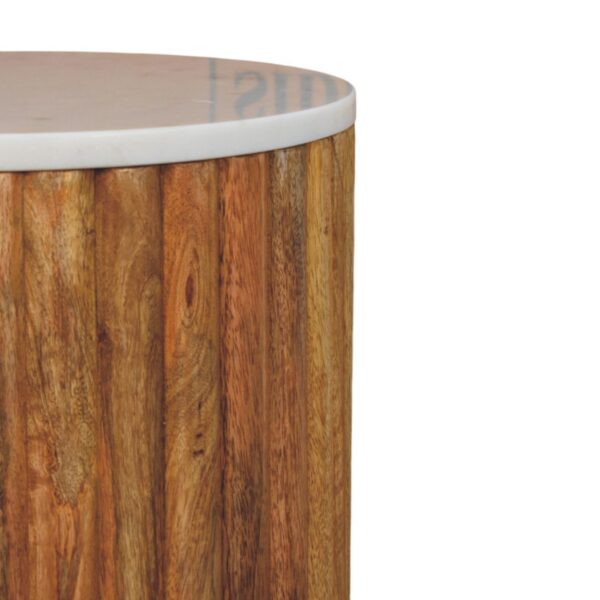
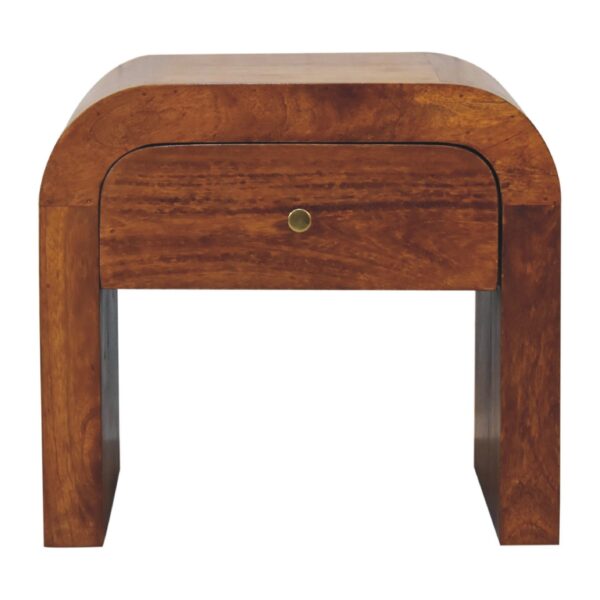
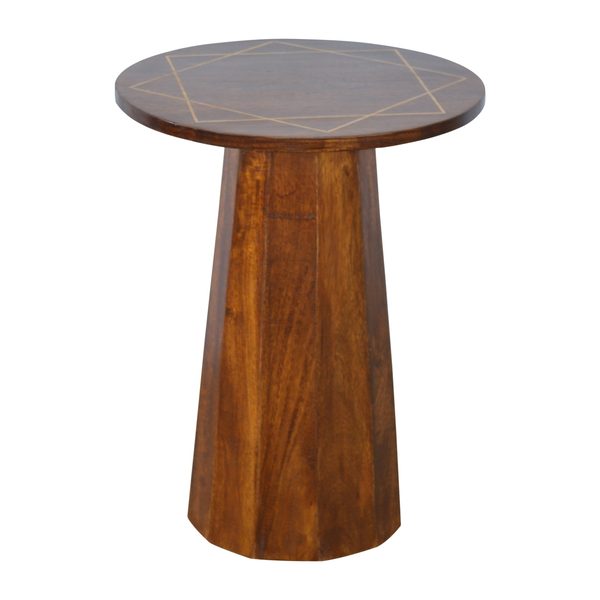
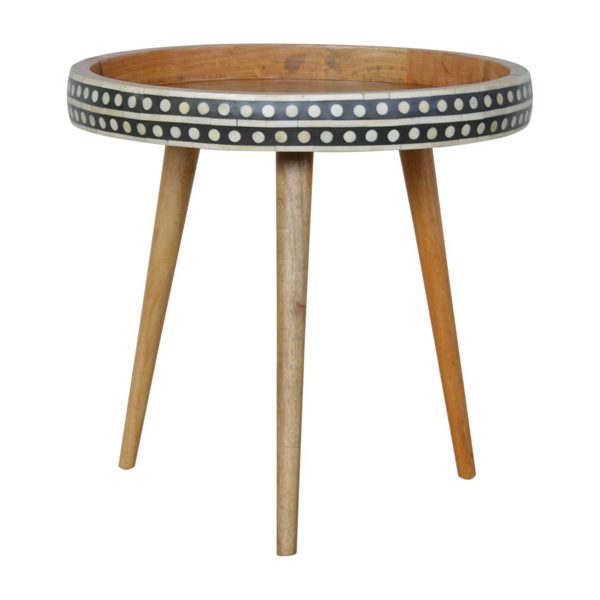
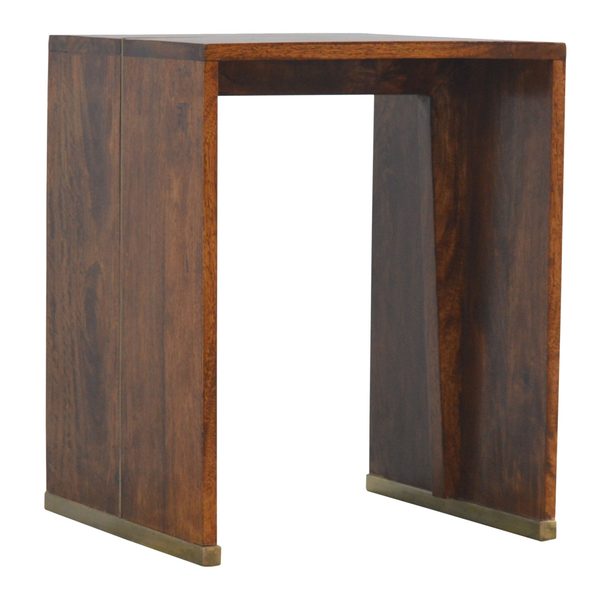
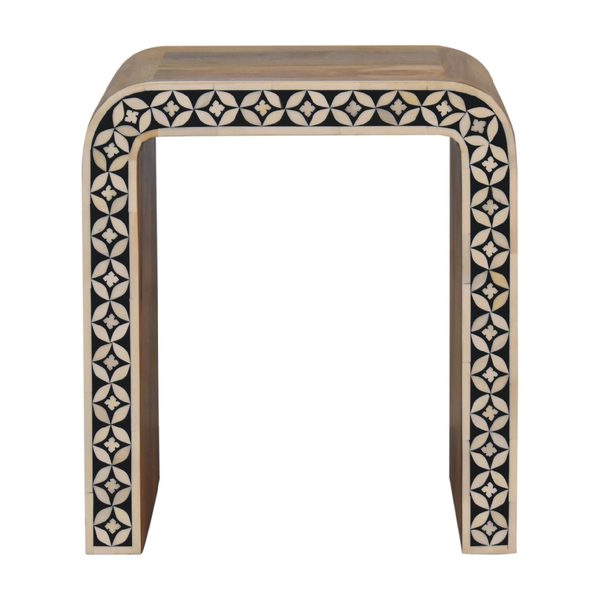
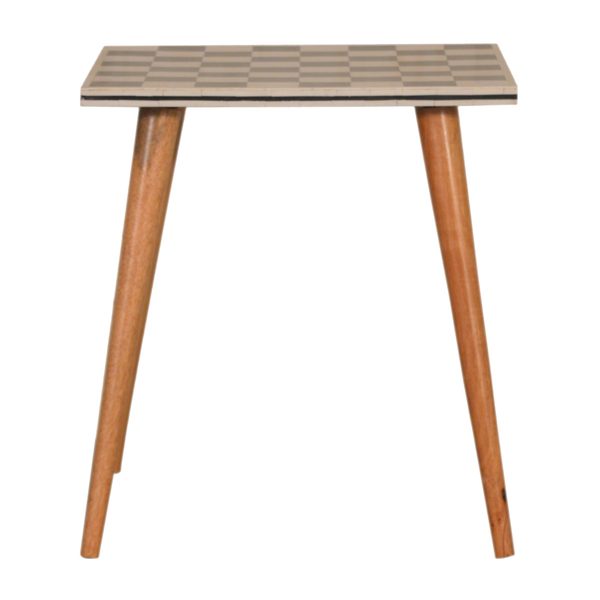
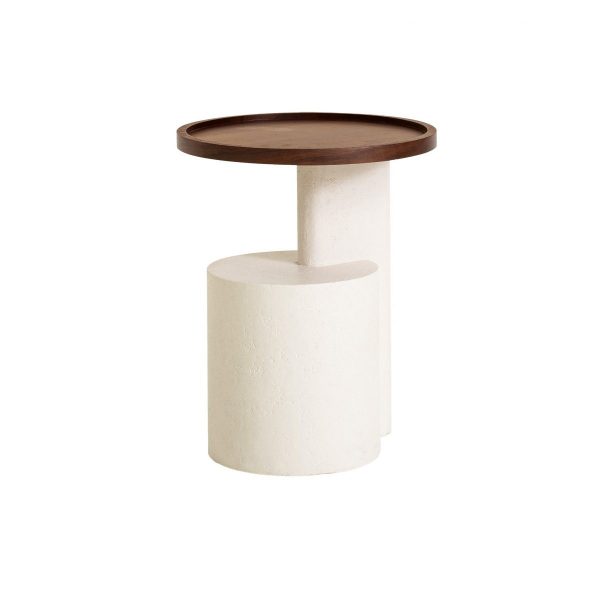
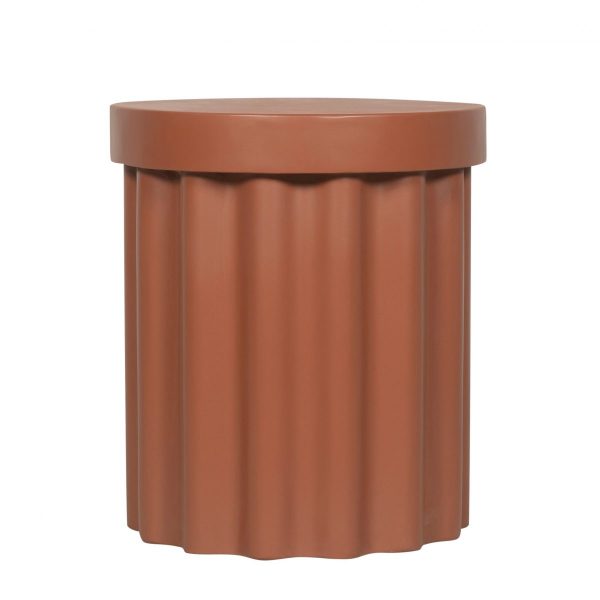
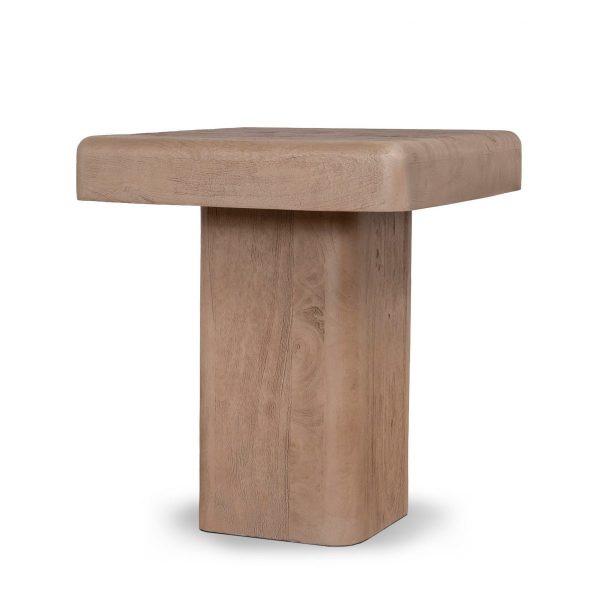

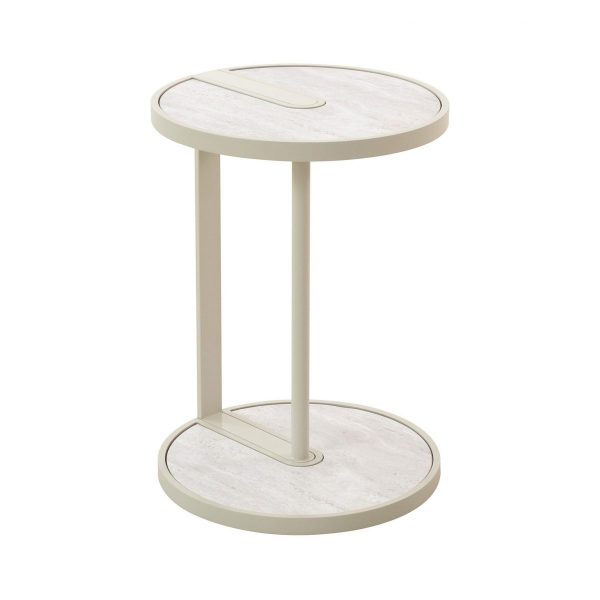
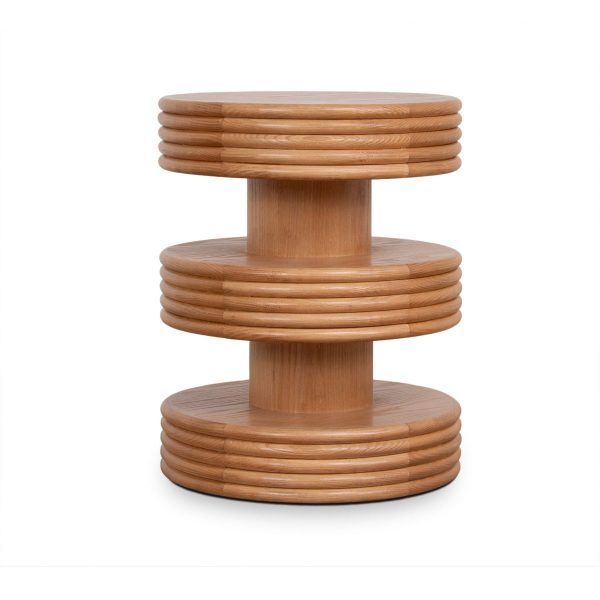
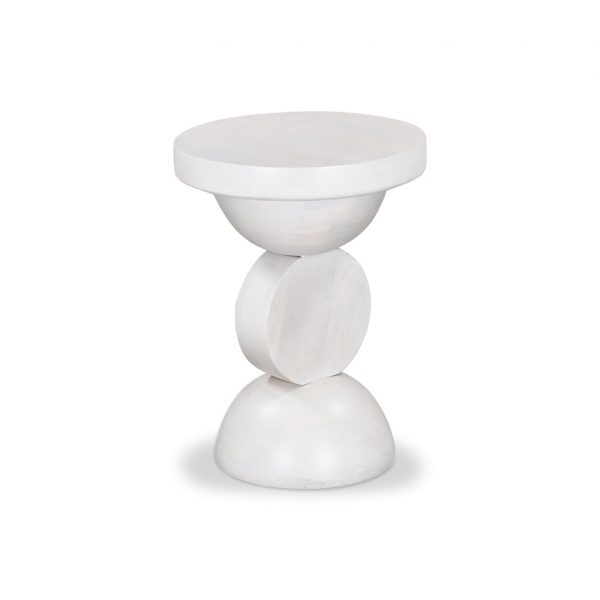
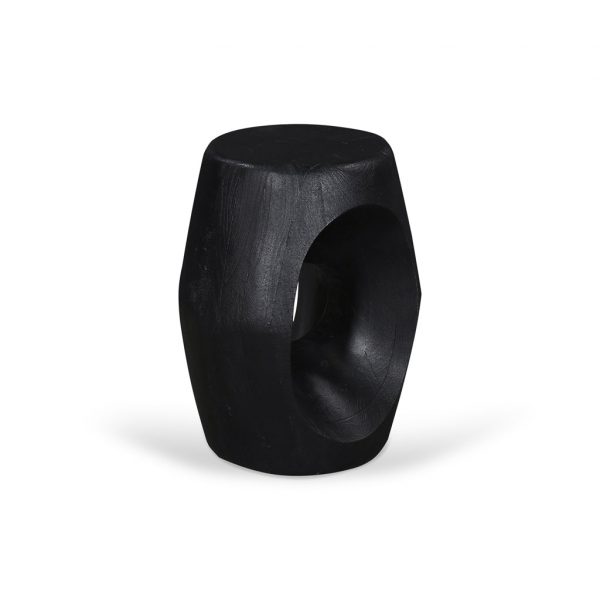
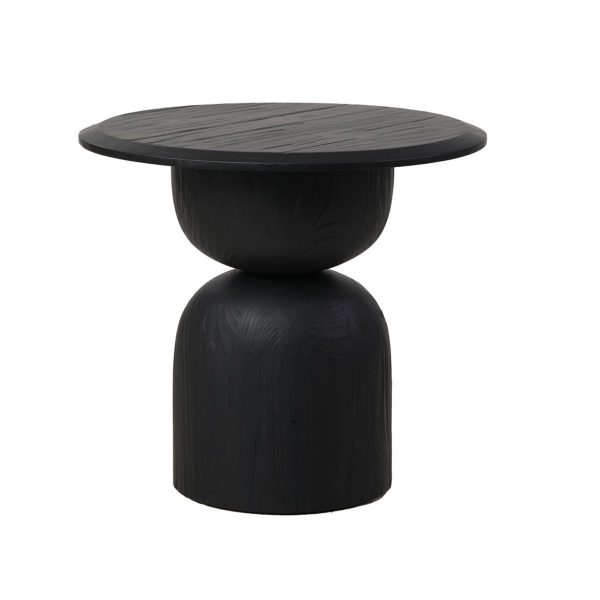
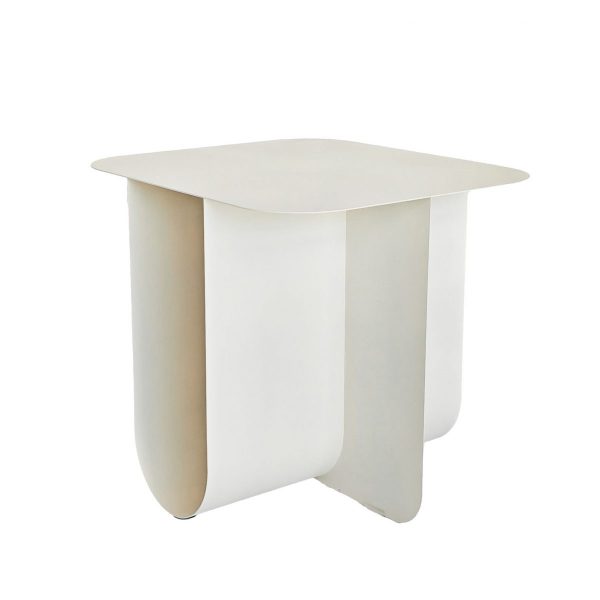
What is the smallest useful surface for your actual items?
Measure the lamp base, cup, book or other objects needed together. Leave room to handle them rather than cover the entire top with their outlines. A single landing place can need different space from a surface that also carries lighting.
Compare usable area inside any curve, lip or other stated detail, not outside dimensions alone. Round tables and square tables offer different item layouts at their actual sizes. Trace a possible top on paper and arrange the objects inside it. If a wide lamp leaves little room, consider moving the lighting or choosing a slightly larger surface while keeping the floor route clear.
Which measurement is constrained beside the seat?
Record available width and depth separately, then include the complete base and projections. A small top may sit on a broader foot, while another table fits the floor but is awkwardly placed for seated reach. Height remains a separate comparison.
Mark the chair or sofa occupied with movement to enter, rise and pass. Include any storage opening or shelf access where stated. Sofa tables refine the particular seated arrangement. If depth is tight, compare a shallower form; if the seat-side gap is narrow, pay close attention to width and base projections. Check the height independently so the smaller footprint still offers easy reach.
Which extra functions belong in the compact brief?
Decide whether below-top organisation is needed or whether a simple surface serves the task more directly. Verify storage and useful interiors only where stated. Adding a function can change opening movement or the base, so compare the complete design.
Follow actual materials, assembly and loading, keeping surface care accurate for drinks, plants or a lamp. Tables with storage offer that separate task comparison when it matters. A small table should remain useful, with only the roles the household needs and enough room to use them. An extra shelf may help books move off the top, but it also needs an accessible gap below. Keep it only if that lower space serves items you actually want nearby.
Frequently Asked Questions
Check tables beside existing seating to work out which compact shape serves your chair and everyday objects.