
Square Side Tables
Square side tables give the useful top two equal directions, making item placement and corner positions important parts of the choice. Compare the actual surface with the lamp, drink or book you want nearby. A straight-edged outline should not establish enough space for every grouping or identify the whole base beneath it.
Read moreRead less
Then test the table beside the occupied seat, with useful height and room to pass. Side tables cover first reach and surface planning. The straight edges can align with a sofa arm or a nearby cabinet, while the corners give small objects distinct places. Decide how those edges will face the seat and route through the room. Then check the whole table in that position with the items you intend to use.
Showing all 3 resultsSorted by recommended
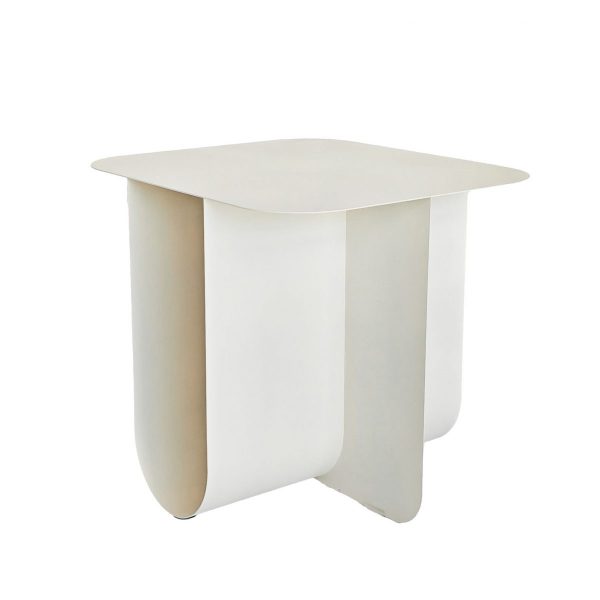

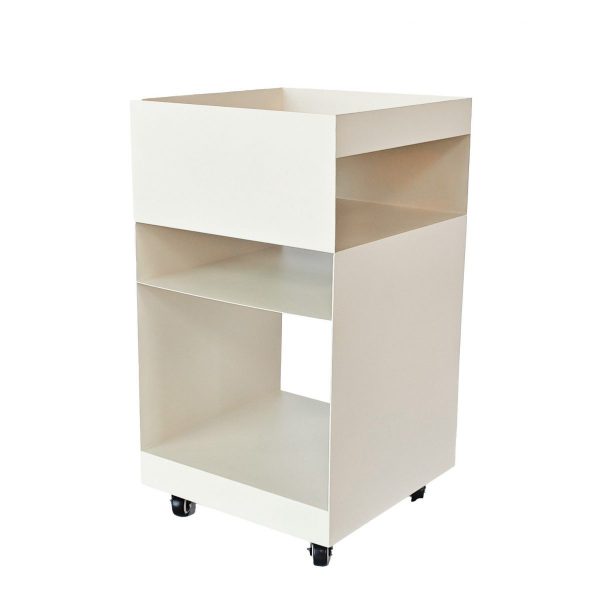

How will objects share the equal-sided top?
Measure real items together within usable width and depth, leaving room to pick them up. A lamp base can take a substantial part of the surface even where the square looks generous when empty. Check any lip or other stated detail separately.
Compare the usual landing position with seated reach rather than treat all corners as equally convenient. Round tables offer a curved-edge comparison, while rectangular tables provide a longer direction. Keep useful object space fixed while considering those shapes. Try a square paper outline with your objects. A lamp in the rear corner may leave the front area available for a drink and book, provided you can still reach the lamp controls comfortably.
Where will the corners and base sit beside the seat?
Mark the actual square top and complete support footprint with the chair or sofa occupied. Include room for feet, movement to enter or rise and the walking route. The base may project differently from the equal-sided top.
Test the planned orientation against nearby furniture and doors, including storage openings if present. A square can fit an empty gap while placing a corner awkwardly along a frequent route. Small tables refine a constrained surface task where useful dimensions still work. Turning the table can change which corner faces the route, so mark each proposed position before deciding. Check the nearest corner while sitting down and standing as well as when passing the empty seat.
What construction and surface care fit the everyday task?
Read top, base and other components individually, following actual loading, assembly and use. Square shape does not establish timber, stone, one support arrangement or a seating function. Keep those facts separate from appearance.
Follow the selected finish’s protection for drinks, plants and ordinary handling. Plan any lamp lead away from the walking path and table openings. Tables with shelves offer a lower-level organisation comparison if needed. Choose how to protect the areas where a drink or plant will sit, and keep enough space around them for ordinary handling. Where the finish or grain has a clear direction, compare how it looks with the square turned towards the seat.
Frequently Asked Questions
Use sofa side tables to refine the square surface’s relationship with the particular sofa and seated routine.