Does Timber Furniture Need To Match Your Floors?
Estimated reading time: 5 minutes
Timber furniture does not need to match your floors exactly. Although matching finishes can create continuity, contrasting timbers can give a room greater depth. When pairing timber furniture with timber floors, the relationship between their colours matters more than an identical finish.
Flooring forms the visual foundation of an interior. Furniture sits within that broader composition, where its appearance also depends on surrounding walls and available light. Consequently, a dining table should complement the room as a whole rather than reproduce the floor beneath it.
Why Identical Timber Is Not Always Necessary
Timber is a naturally variable material. Even pieces made from the same species can differ in colour and grain. Stains and surface coatings introduce further differences.
The WoodSolutions Guide to Timber in Internal Design explains how natural colour variation contributes to timber’s visual character. Therefore, choosing the same species for your flooring and furniture does not guarantee an exact match.
From a design perspective, close matching can create a quiet, continuous appearance. However, it can also reduce the distinction between individual pieces. A table with a contrasting finish can establish a clearer focal point within the dining area. Neither approach is inherently better. The choice depends on whether you want the furniture to blend into its surroundings or have a stronger presence.
Start With the Timber’s Undertone
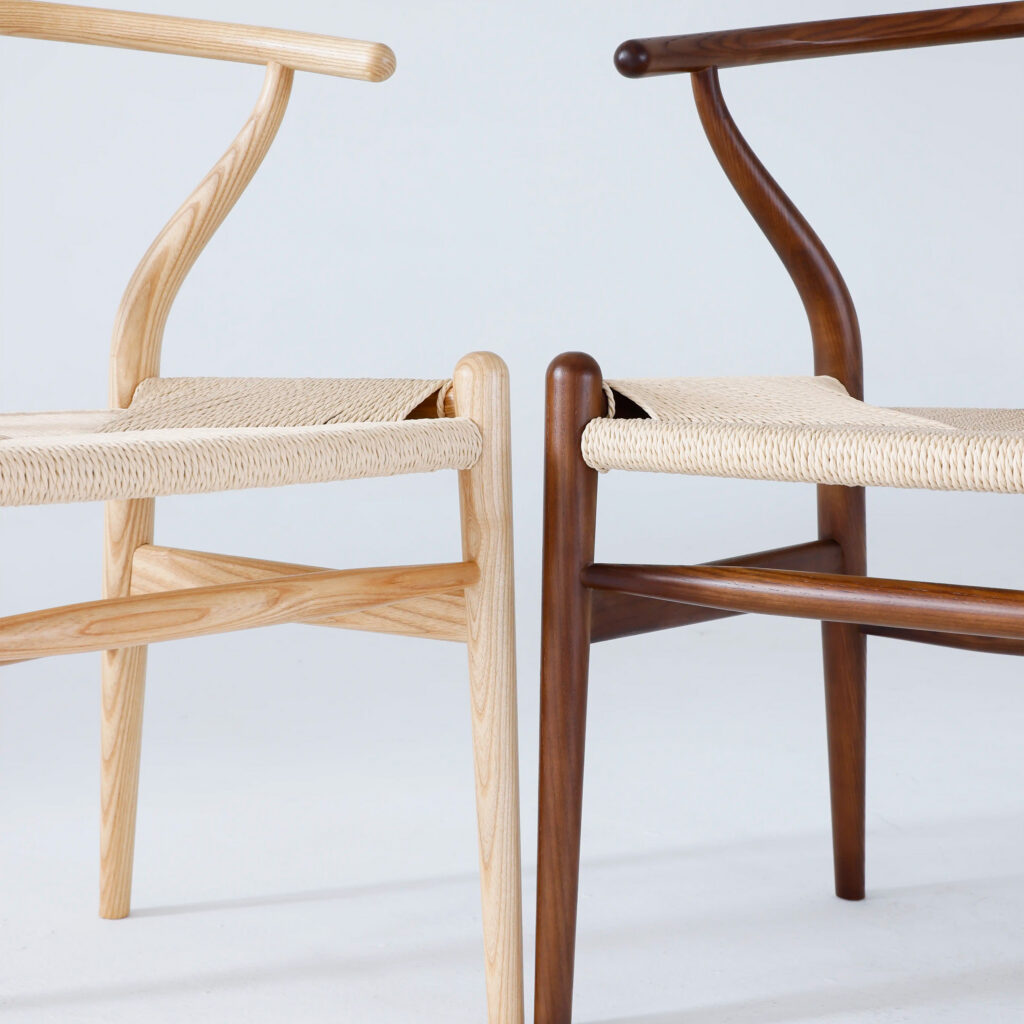
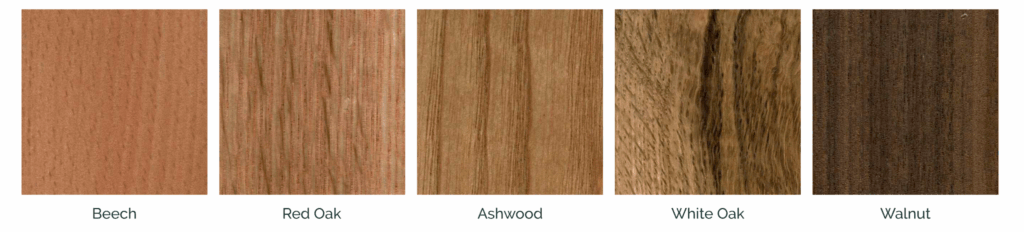
When combining timber furniture with timber floors, begin with the undertone. This is the underlying colour visible within the overall finish. Some timber surfaces appear golden or reddish. Others have a muted, grey-brown appearance. These differences can influence whether two finishes feel connected, even when one is considerably darker.
For example, a pale floor with a warm undertone may sit comfortably beside a deeper brown table with similar warmth. Their colours differ, but they share a visual relationship. By contrast, a strongly orange floor beside a grey-washed table may create a more pronounced separation. This combination can still work, although it benefits from careful coordination elsewhere in the room.
Treat undertones as a useful starting point rather than a strict rule. Always assess the finished surface, as the timber’s name alone cannot tell you its exact colour.
Use Contrast to Define the Dining Area
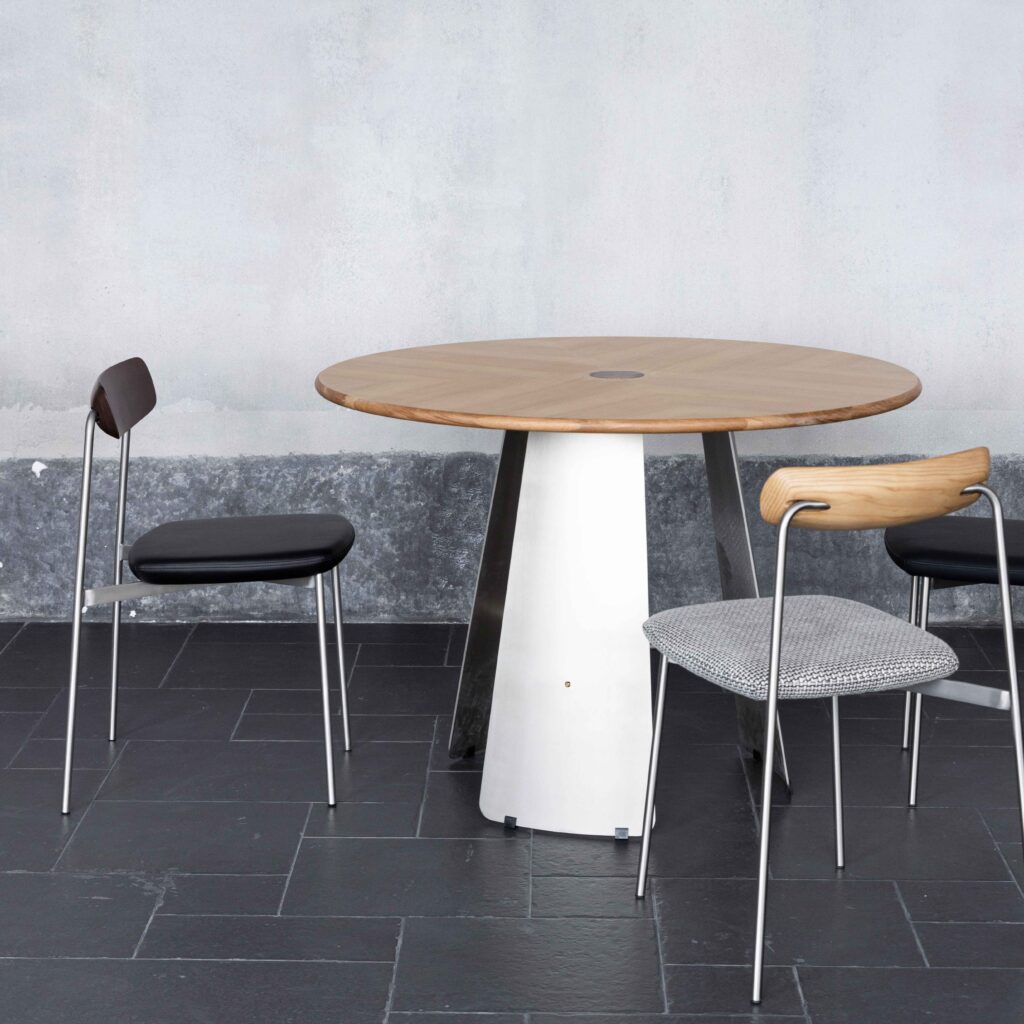
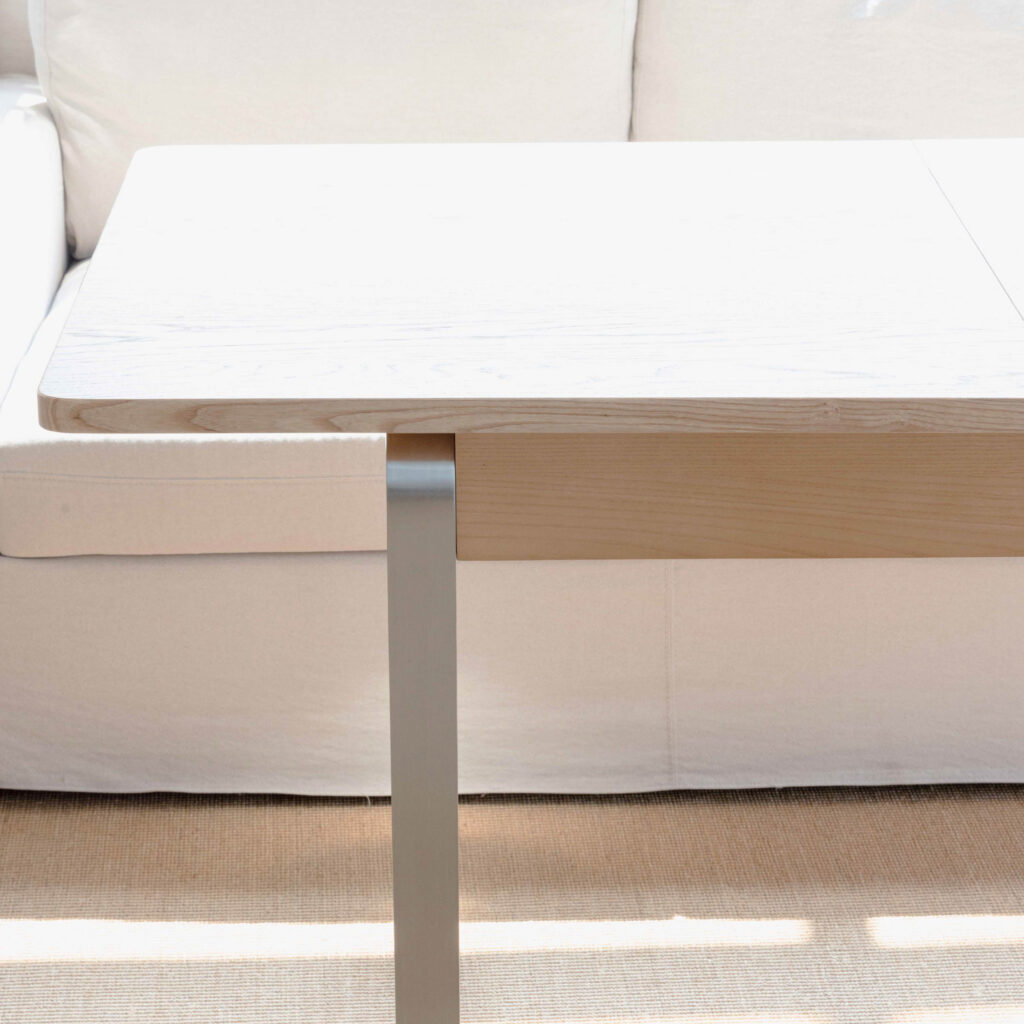
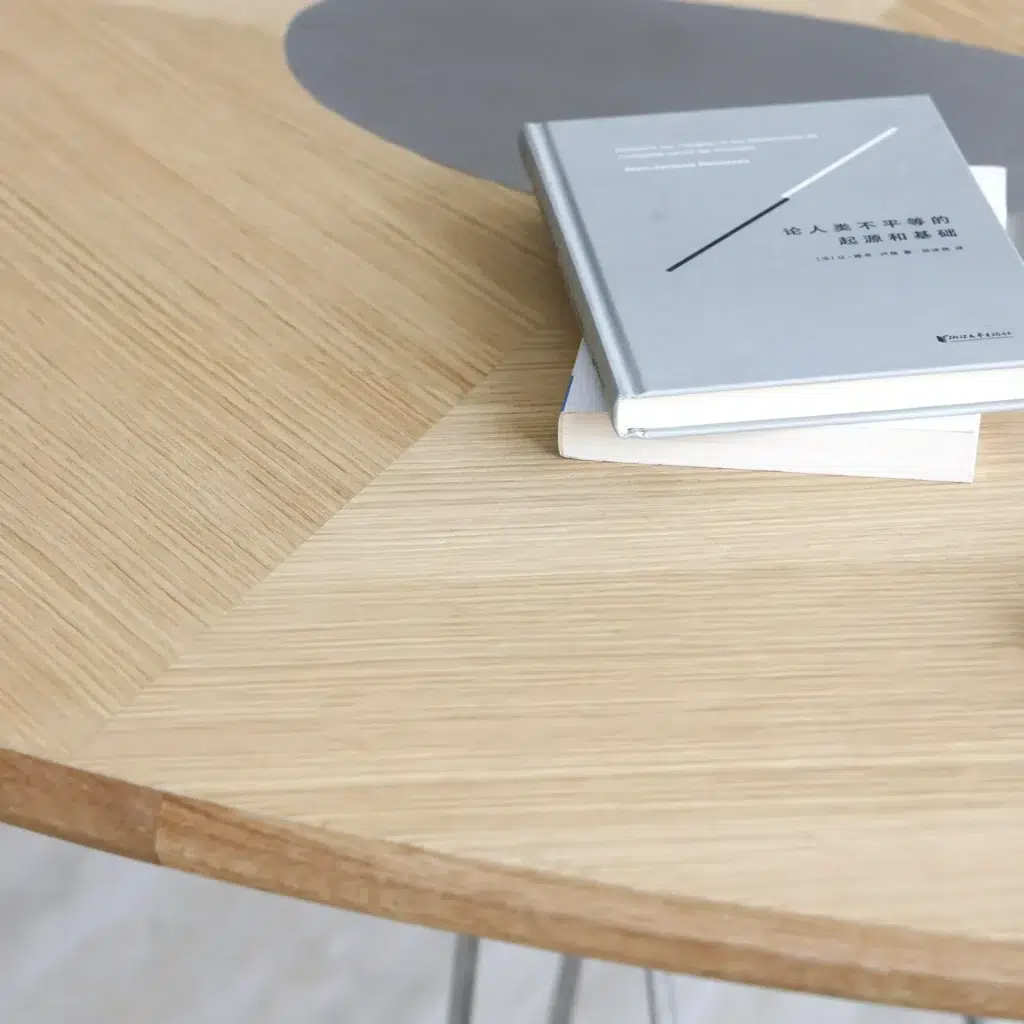
Contrast helps distinguish furniture from its background. In an open-plan home, this can give the dining area a clearer identity without adding a physical divider. A darker table against pale flooring creates a noticeable focal point. Conversely, lighter furniture can introduce visual relief above a dark floor.
Our Guide to Oak and Walnut Furniture explores how different timbers influence an interior’s atmosphere. However, the most useful comparison is between the actual furniture finish and your existing flooring.
When browsing our dining tables, consider how each finish would sit against the largest surfaces in your home. Product photographs provide a starting point, but the surrounding room will influence the final effect.

Consider Grain as Well as Colour
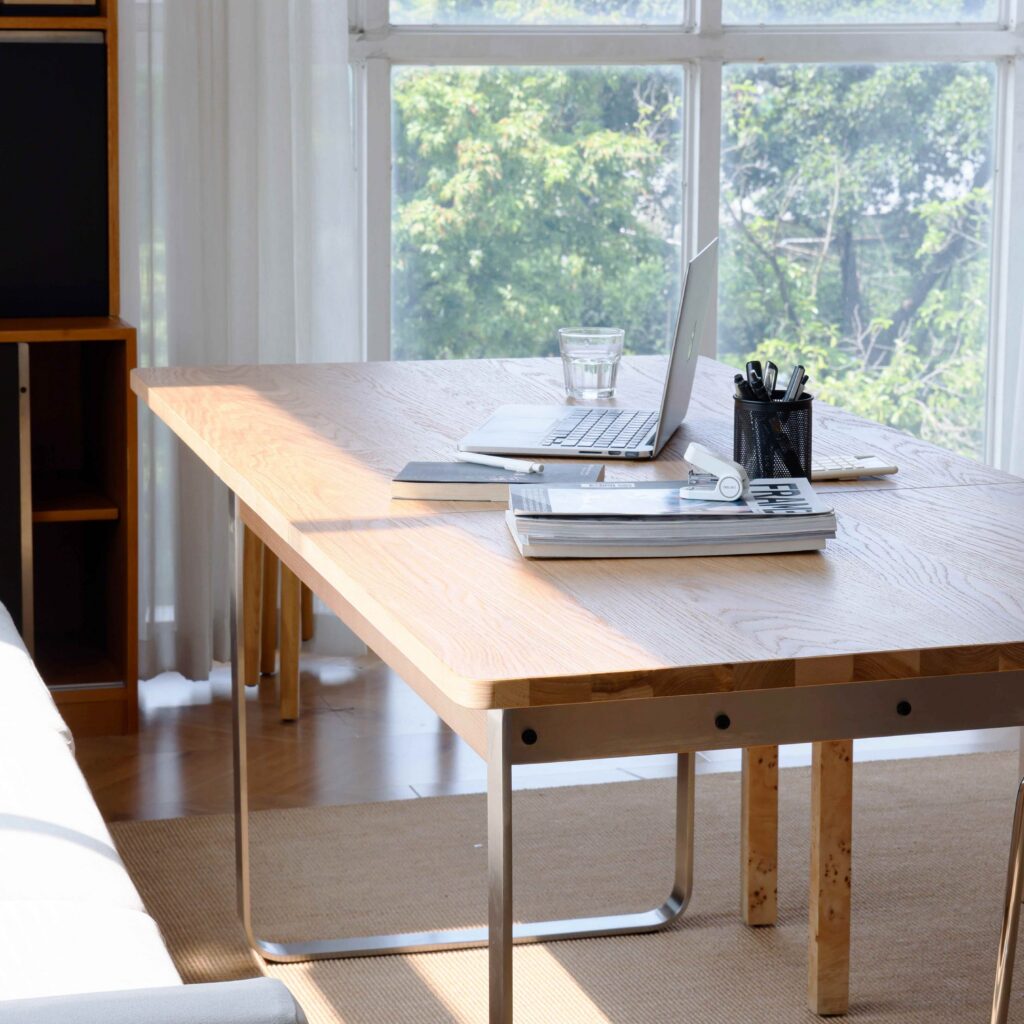
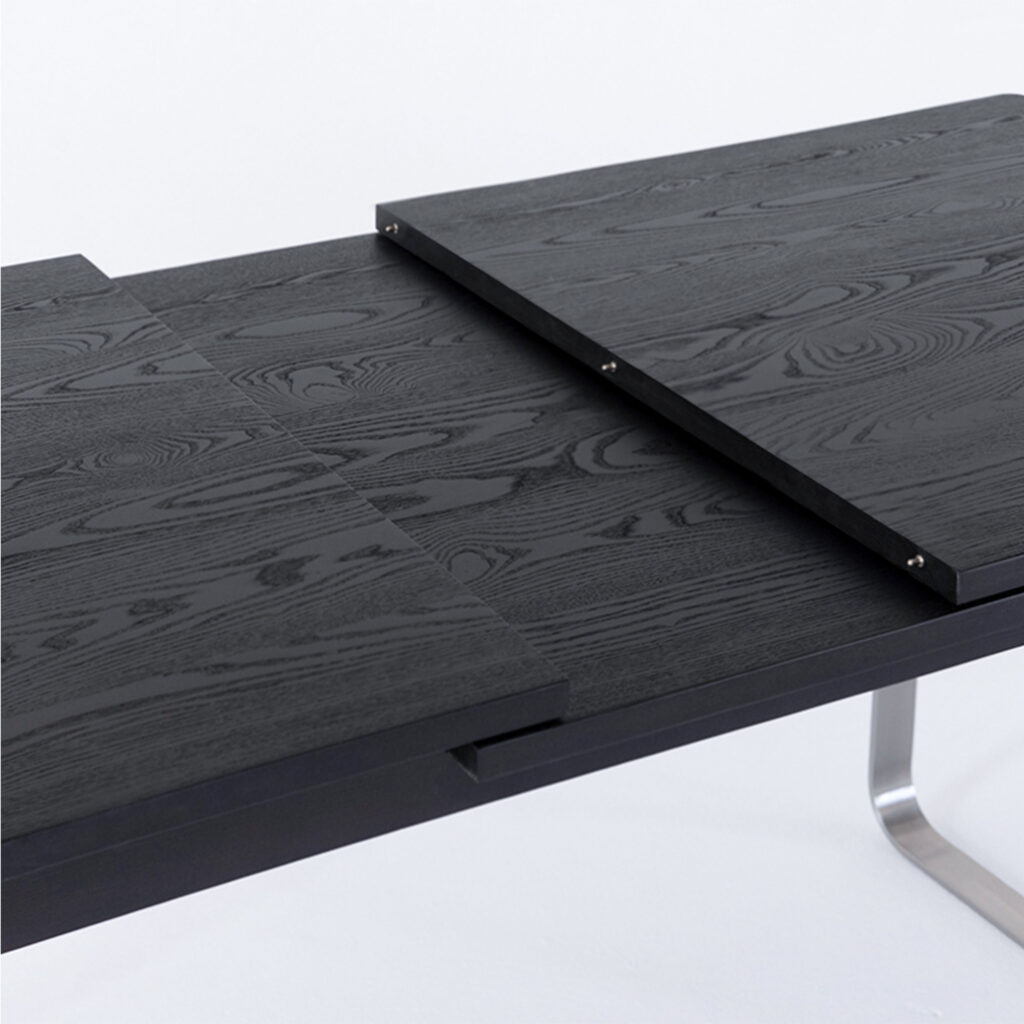
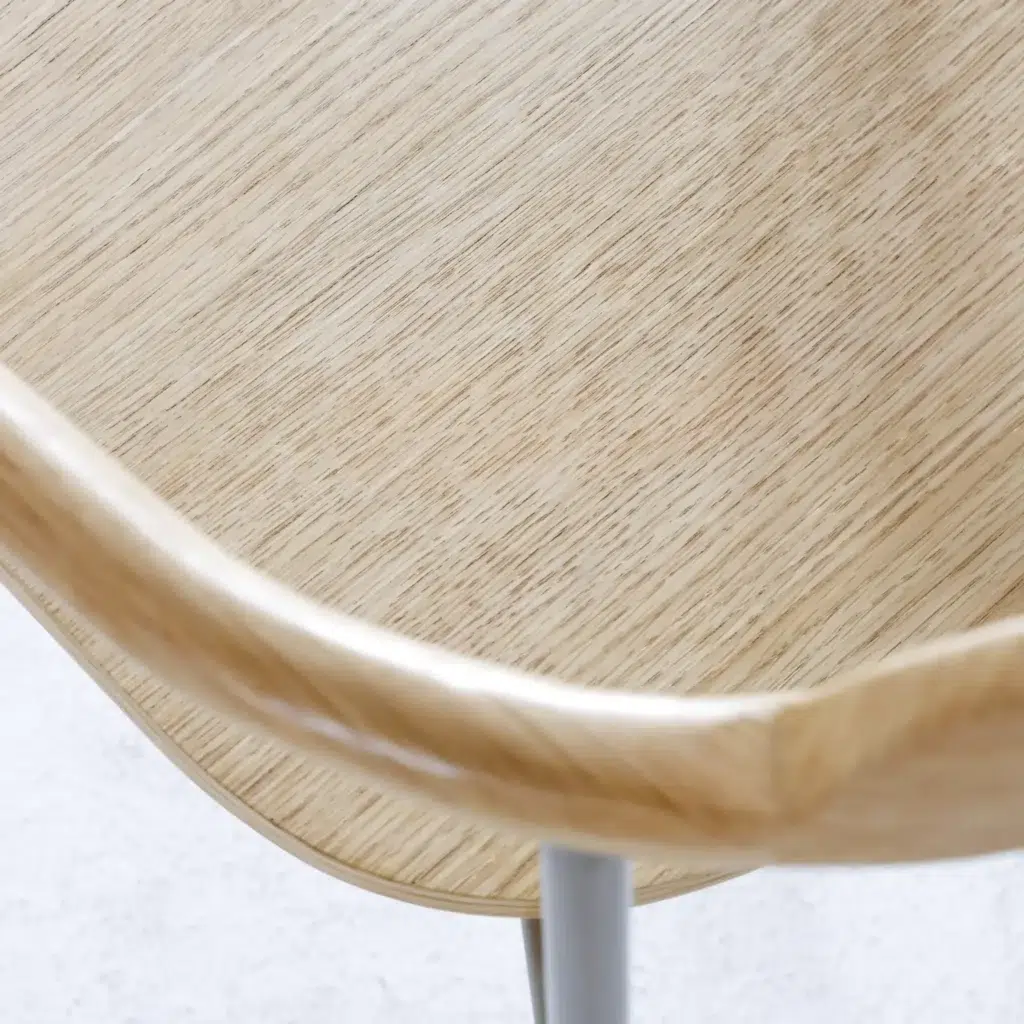
Colour is only one part of the composition. Grain introduces pattern, which can make a timber surface feel visually quiet or expressive.
If your floor has prominent knots or strong grain variation, furniture with a more restrained appearance may provide balance. Alternatively, a relatively uniform floor can form a calm background for a table with distinctive grain.
This does not mean that two expressive timbers cannot coexist. Instead, consider how much visual activity you want across the room. A patterned floor and a heavily figured tabletop will produce a different atmosphere from two understated surfaces.


Connect Different Timbers Through Other Materials
Furniture and flooring do not need to carry the entire colour scheme. Other materials can help connect them.
For example, upholstery can repeat a warm neutral found in the floor. A rug can also introduce a separate background beneath the table, softening the direct comparison between two timber finishes.
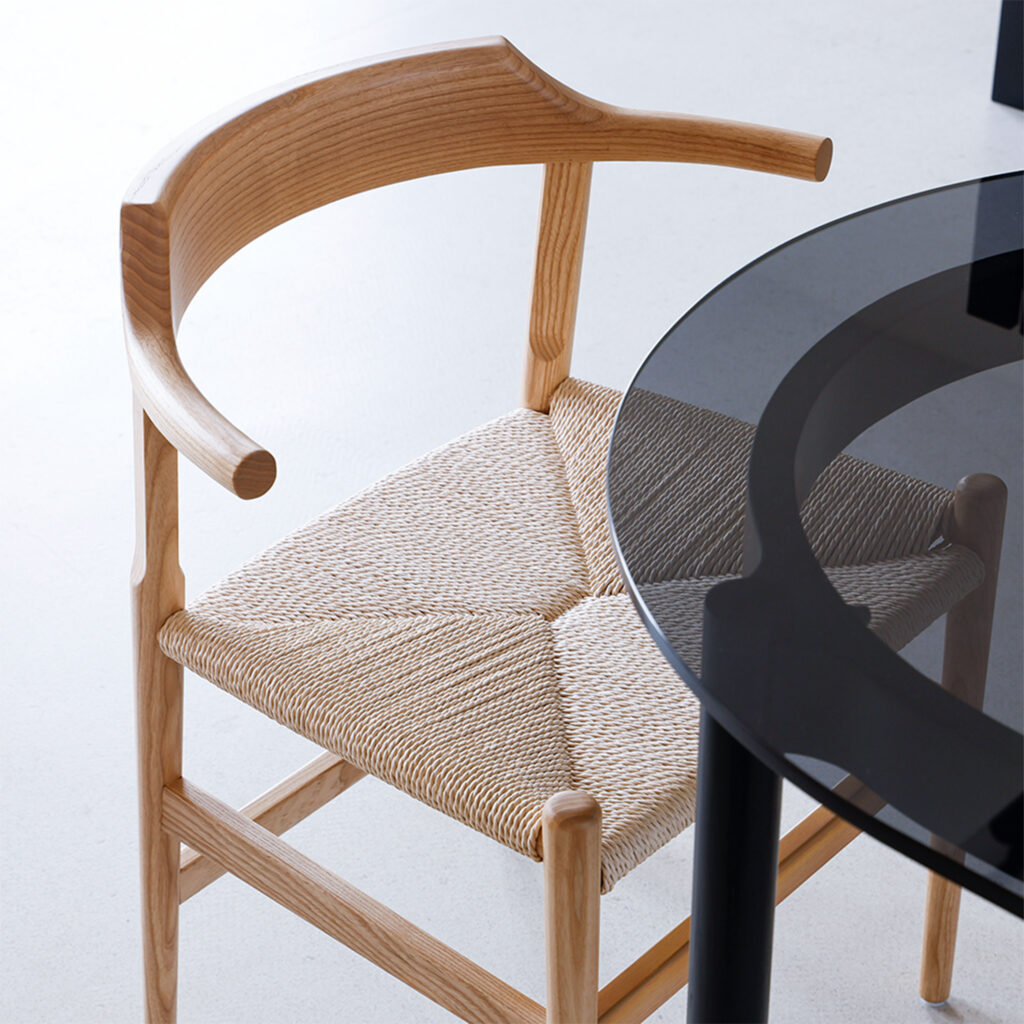
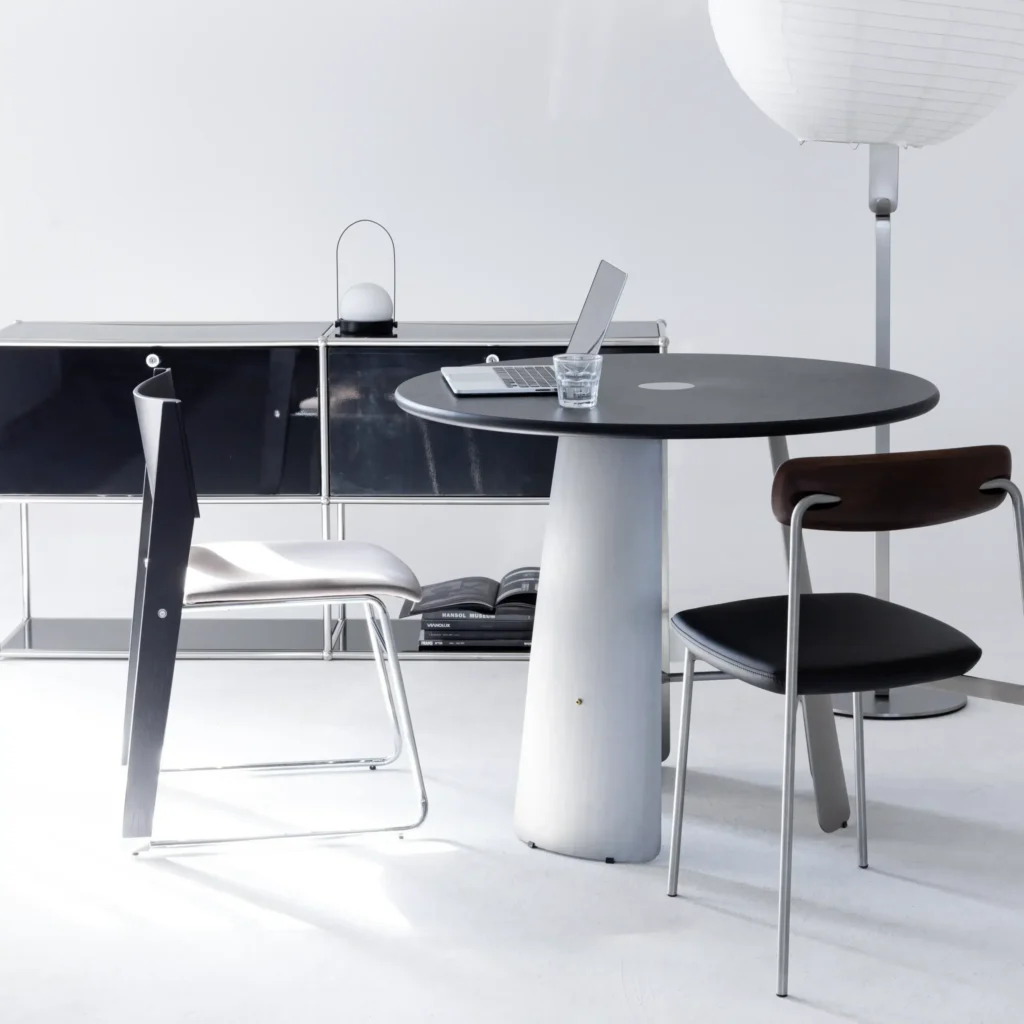
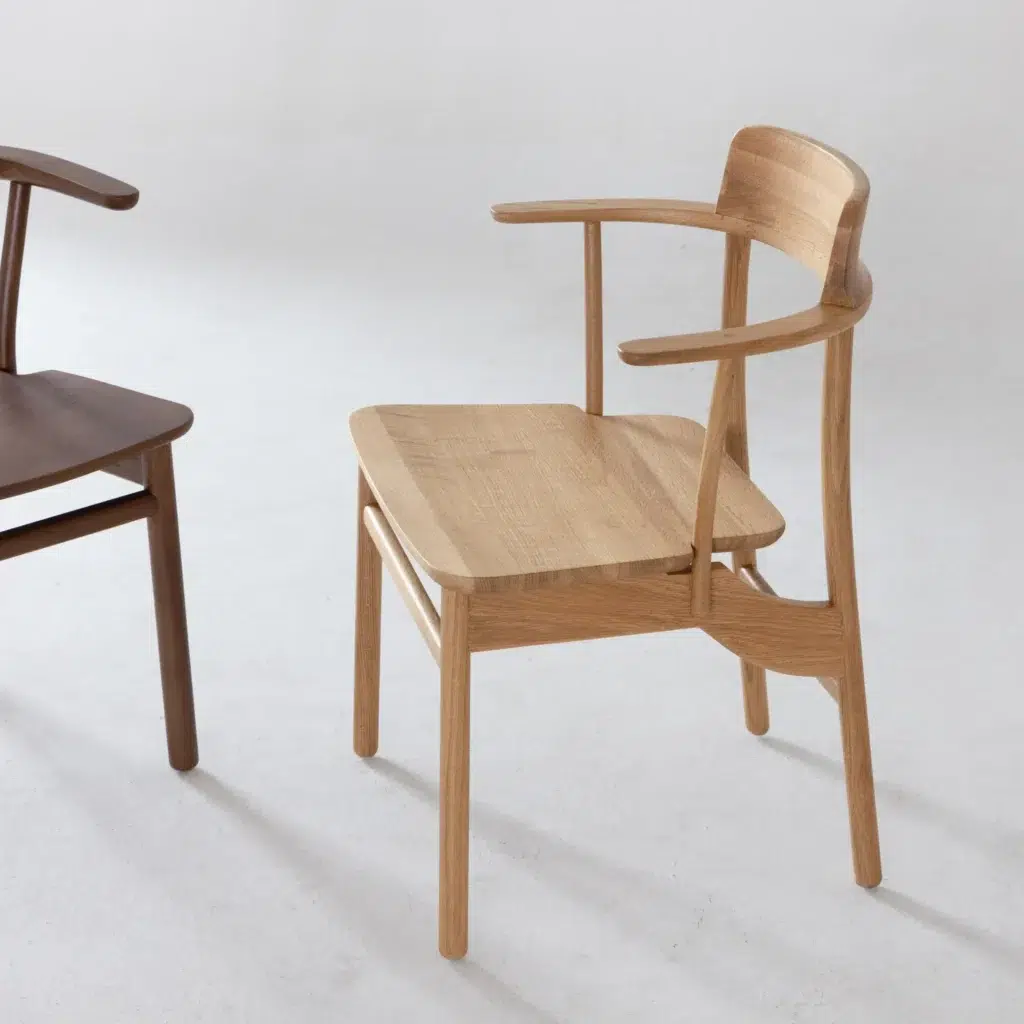
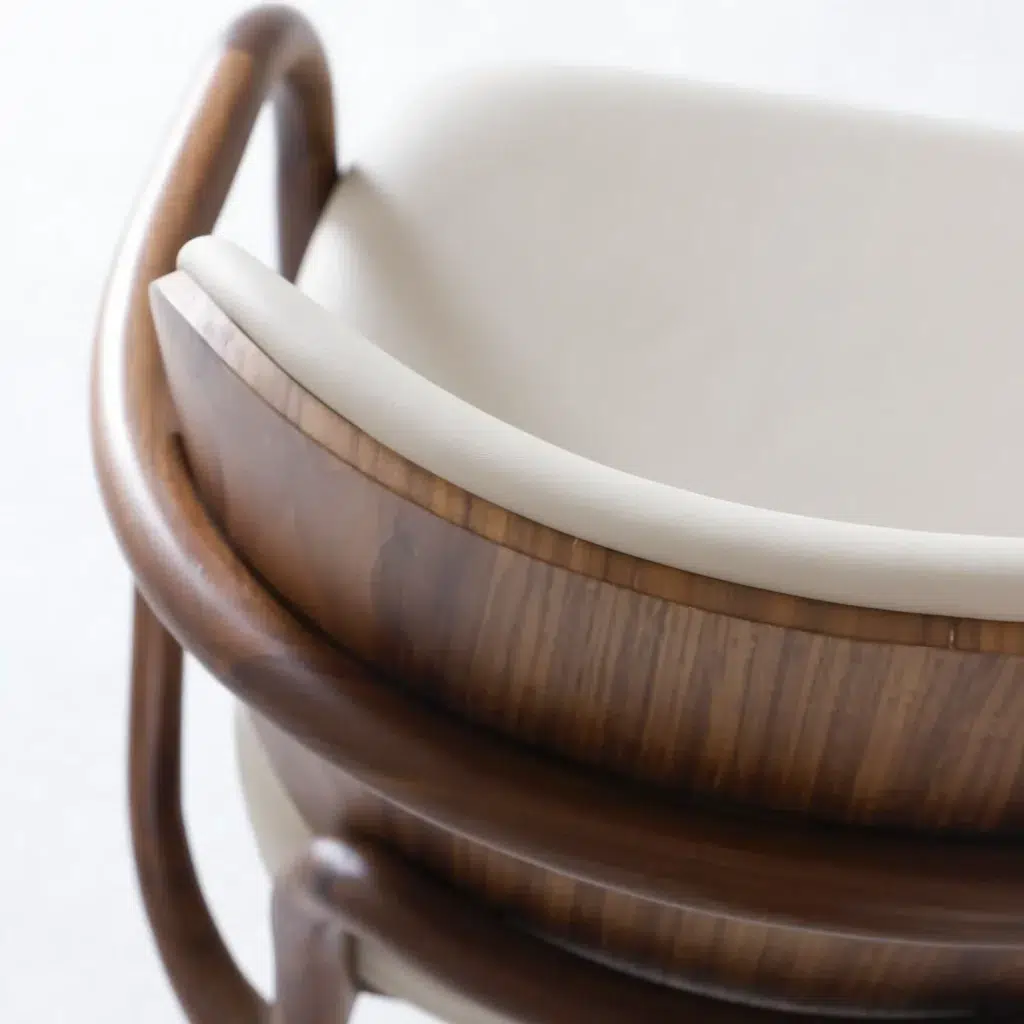
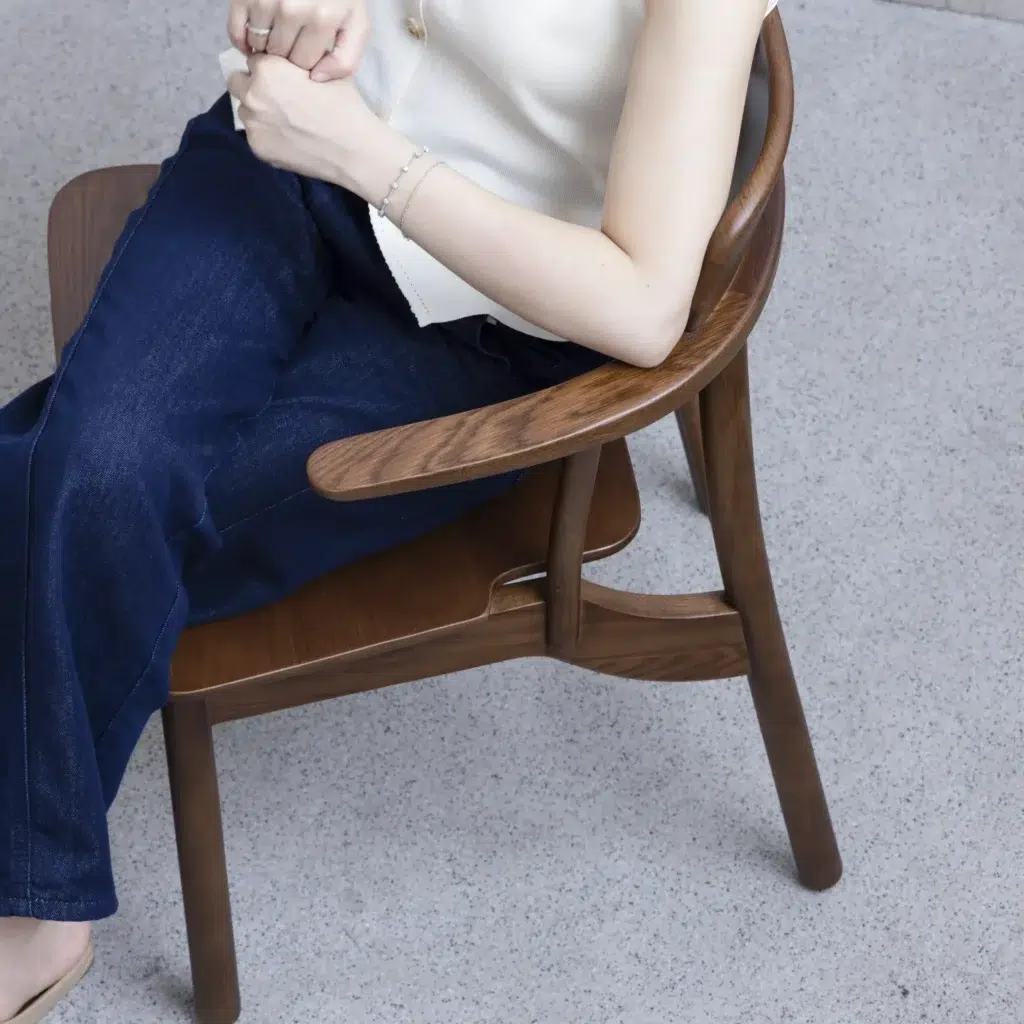
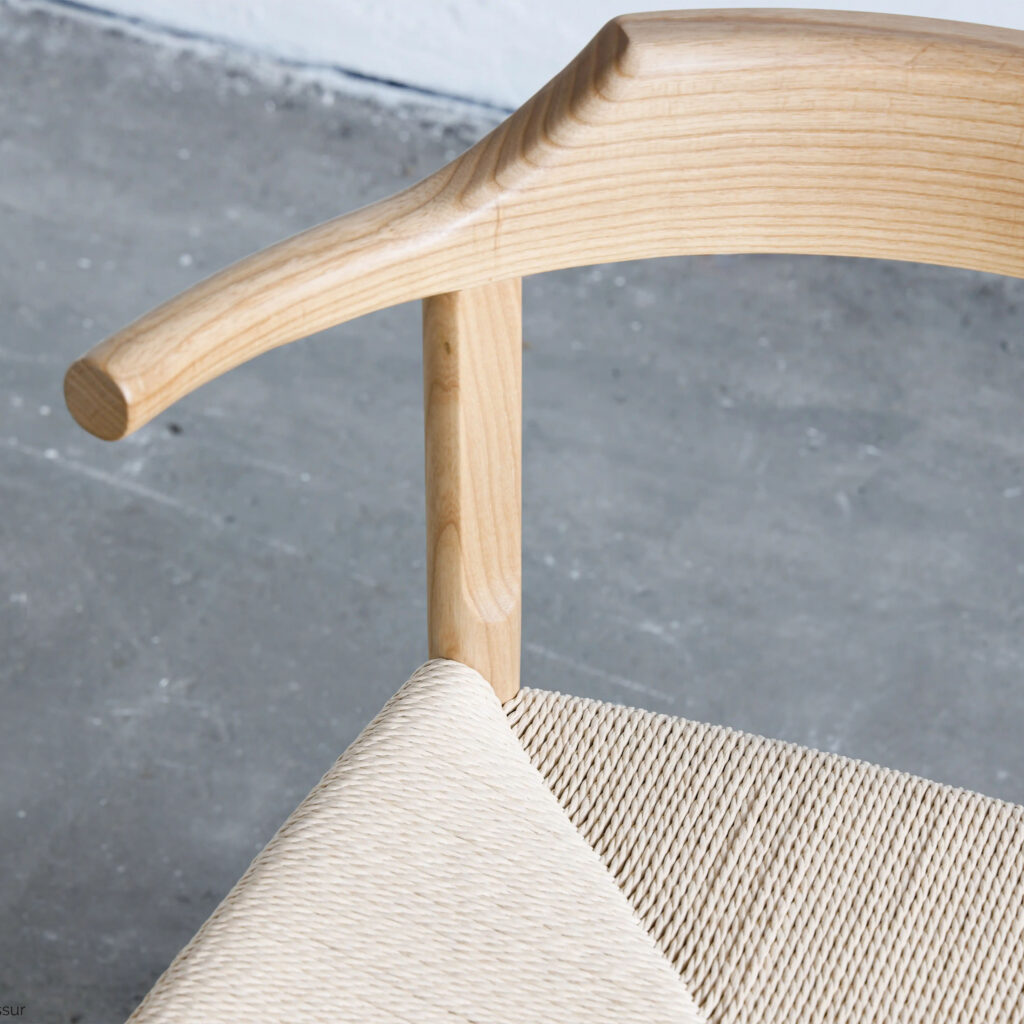
Your choice of dining chairs provides another opportunity to balance the arrangement. Upholstered or metal designs can interrupt an otherwise continuous expanse of wood. Timber chairs, meanwhile, can repeat the table’s finish and give the dining setting a consistent identity. The aim is to create relationships across the room without requiring every surface to match.
Which Materials Work Well Between Different Timber Finishes?
Compare Timber Finishes in Your Home
Before making a final decision, compare a physical finish sample with your flooring where possible. View it in daylight and again under your evening lighting.
Place the sample beside the floor rather than assessing it in isolation. This makes differences in undertone easier to recognise. Also consider nearby cabinetry, particularly in an open-plan kitchen and dining space.
If samples are unavailable, bring clear photographs of your flooring when viewing furniture in person. Photographs cannot reproduce colour perfectly, but they can support a more informed discussion.
Ultimately, pairing timber furniture with timber floors is an exercise in visual balance. An exact match is one option, while a considered contrast can be equally cohesive. Choose finishes that relate to the whole interior and allow each material enough distinction to express its character.
One Last Tip: Avoid the Almost-Match
Two timber finishes that look almost identical can draw more attention to their differences than a clearly contrasting pair. A table that appears to match your floor online may reveal a pinker undertone or a stronger yellow cast once placed in the room.
If you cannot achieve a convincing match, consider a more distinct finish. A deeper brown table against pale flooring can feel deliberate, while a near-match may leave the room looking slightly unresolved.