10 Mistakes People Make When Buying Dining Furniture
Estimated reading time: 7 minutes
Buying dining furniture is an investment in your home, so it’s important to choose pieces that work for more than just their appearance. Your dining table and chairs should complement your space while also being comfortable, practical and suited to your everyday lifestyle.
However, choosing the right dining furniture isn’t always as simple as finding a style you love. Size, comfort, materials and proportions can all affect how your dining setting looks and functions. Before buying a new dining table or dining chairs, avoid these 10 common mistakes:
1. Buying a Dining Table Without Measuring Your Space
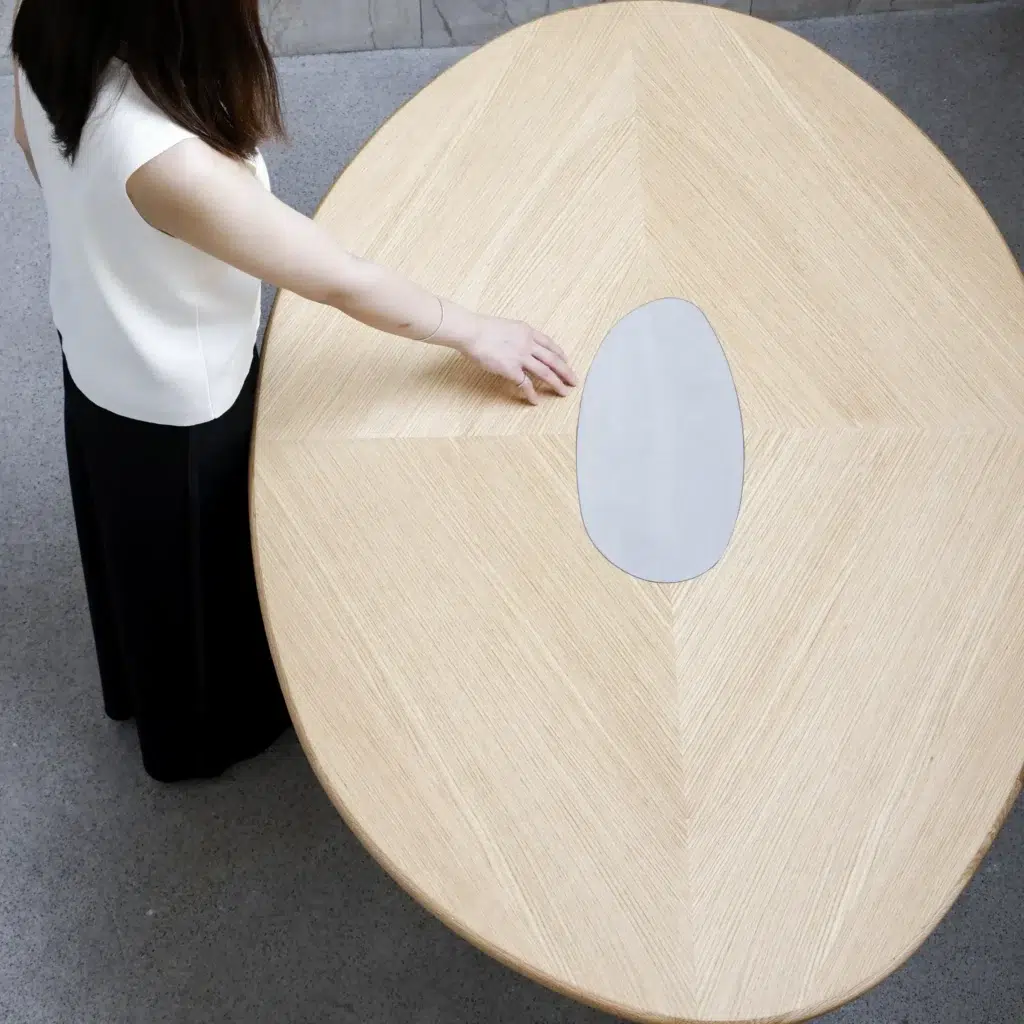
One of the biggest mistakes when buying dining furniture is choosing a table before properly measuring the room. A dining table may technically fit within the space but still feel too large once you add chairs. You also need enough room to pull chairs out and comfortably walk around the table.
Before buying, measure the entire dining area. Consider nearby walls, kitchen benches, walkways and furniture. You can also mark the dimensions of your preferred table on the floor with painter’s tape. This simple step makes it much easier to understand how the table will feel within the room.
2. Forgetting About Dining Chair Proportions
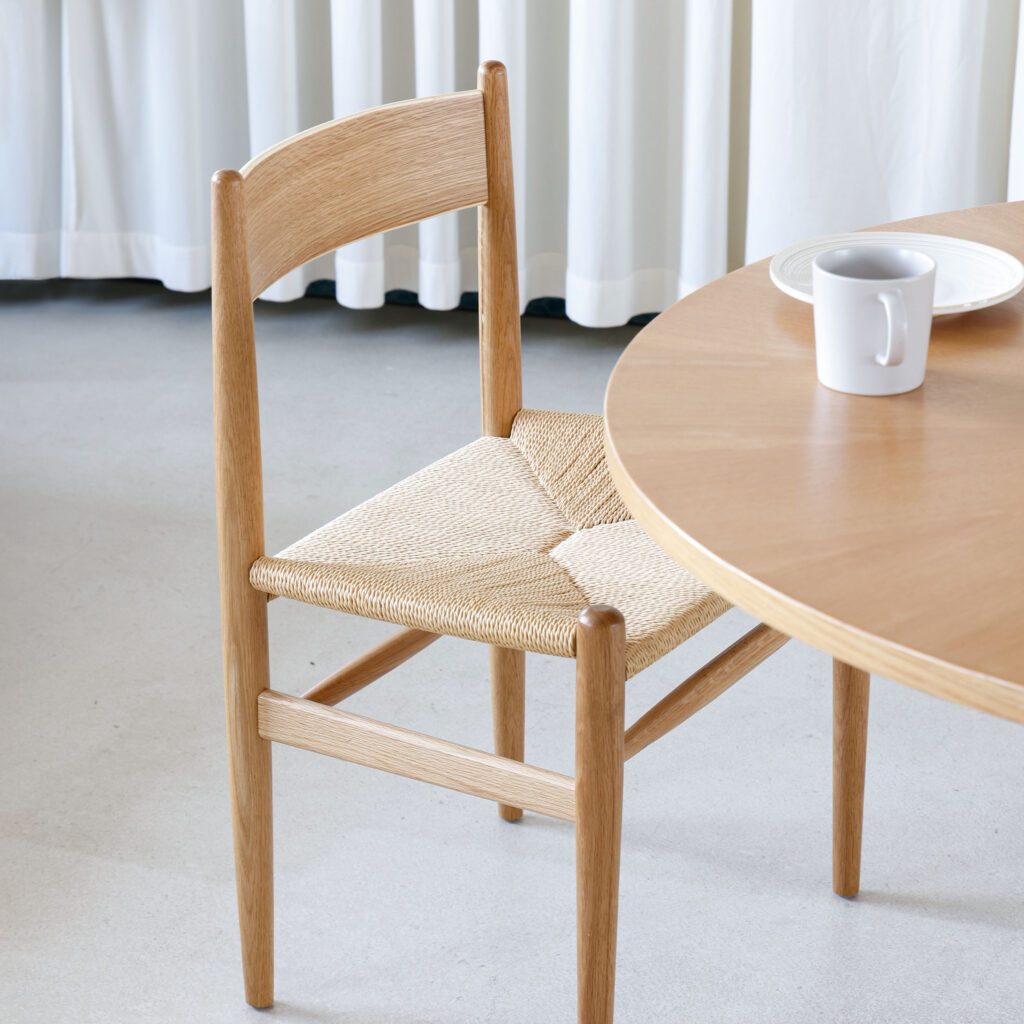
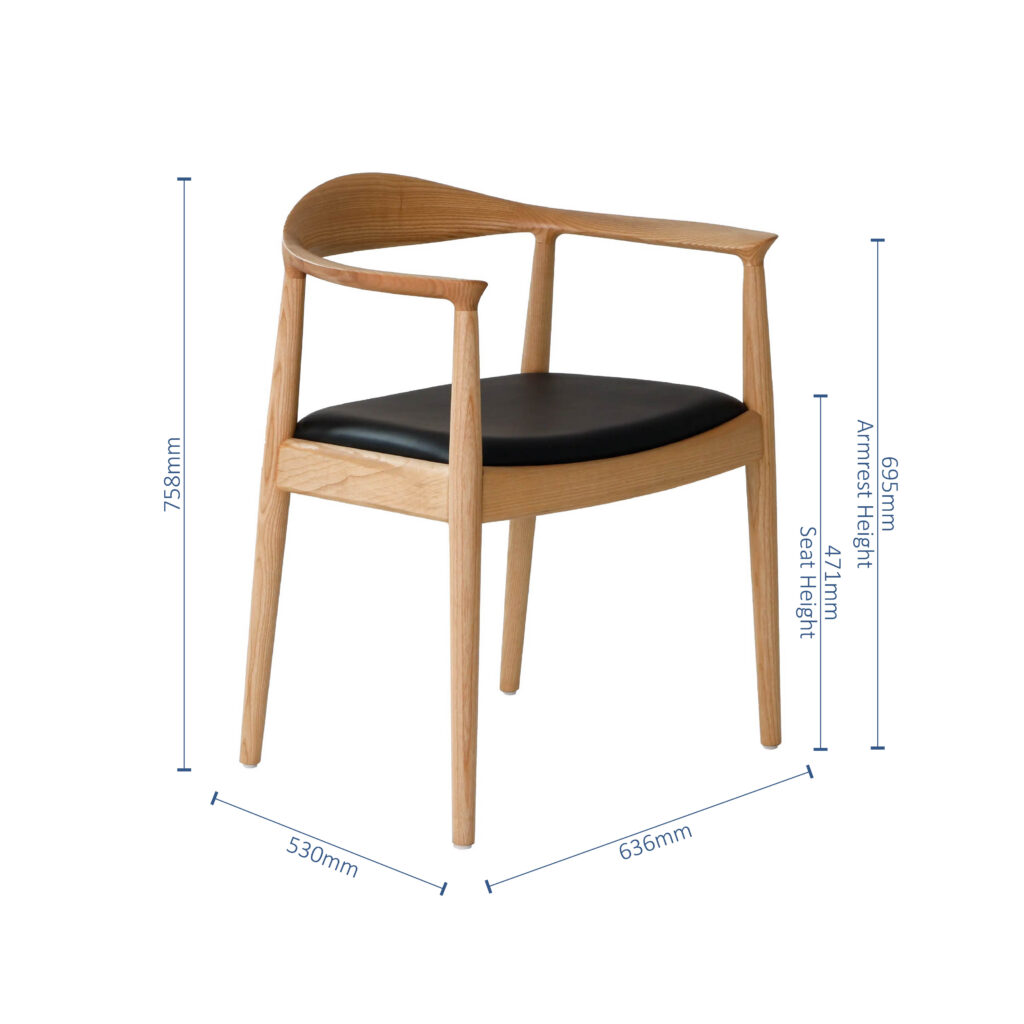
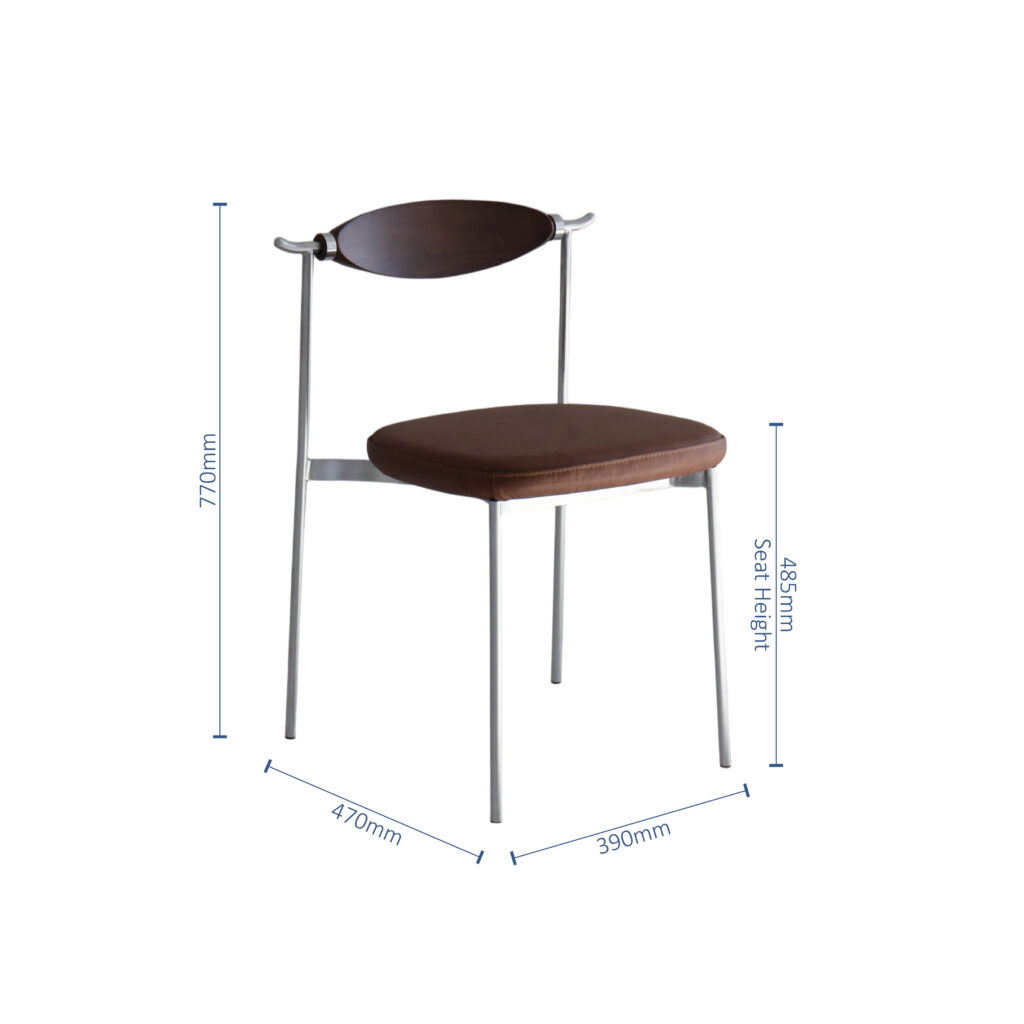
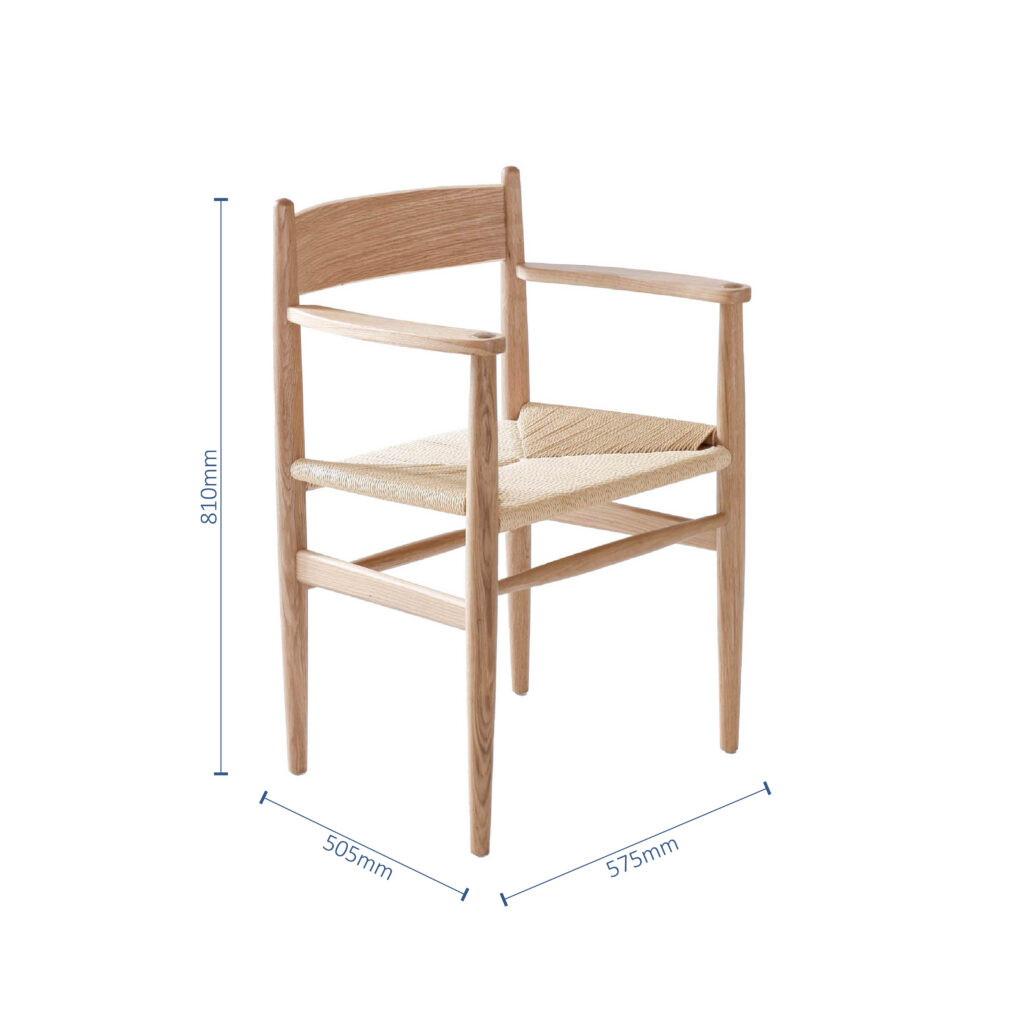
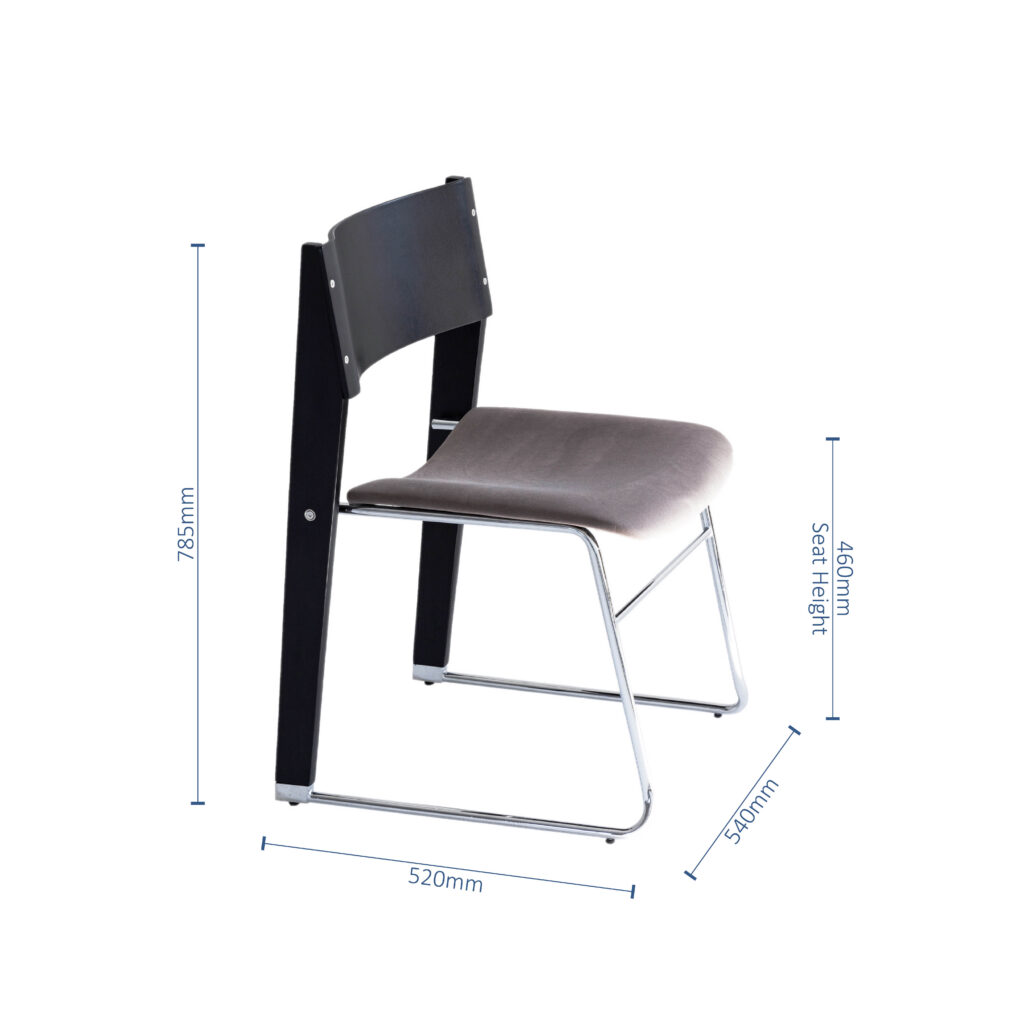
Not every dining chair works with every dining table. Chair height and width can affect both comfort and the overall look of your dining setting.
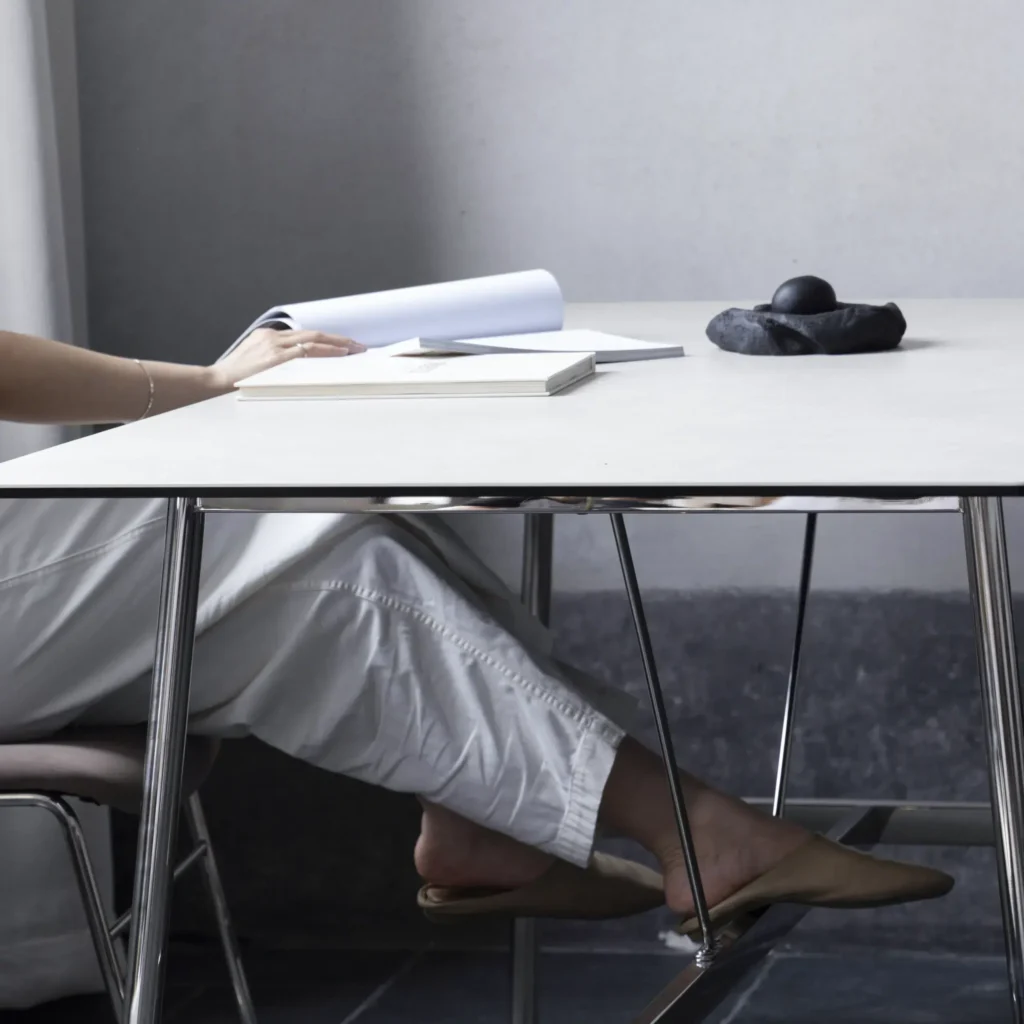
For example, wide dining chairs around a smaller table may make guests feel crowded. In contrast, very slim chairs may look out of proportion beside a large table. Therefore, check the seat height and the space between the chair and the underside of the tabletop. It’s also important to consider how many dining chairs will comfortably fit around your table, rather than how many you can physically squeeze in.
3. Choosing Style Over Comfort
A beautiful dining chair isn’t particularly useful if nobody wants to sit in it. Comfort becomes especially important if you enjoy long dinners, regularly entertain or use your dining table as a workspace.
Look at the backrest, seat depth, cushioning and overall support when choosing dining chairs. If possible, visit a showroom and sit in different styles before making your decision. Ultimately, the best dining chairs balance good design with everyday comfort.
4. Choosing the Wrong Dining Table Shape
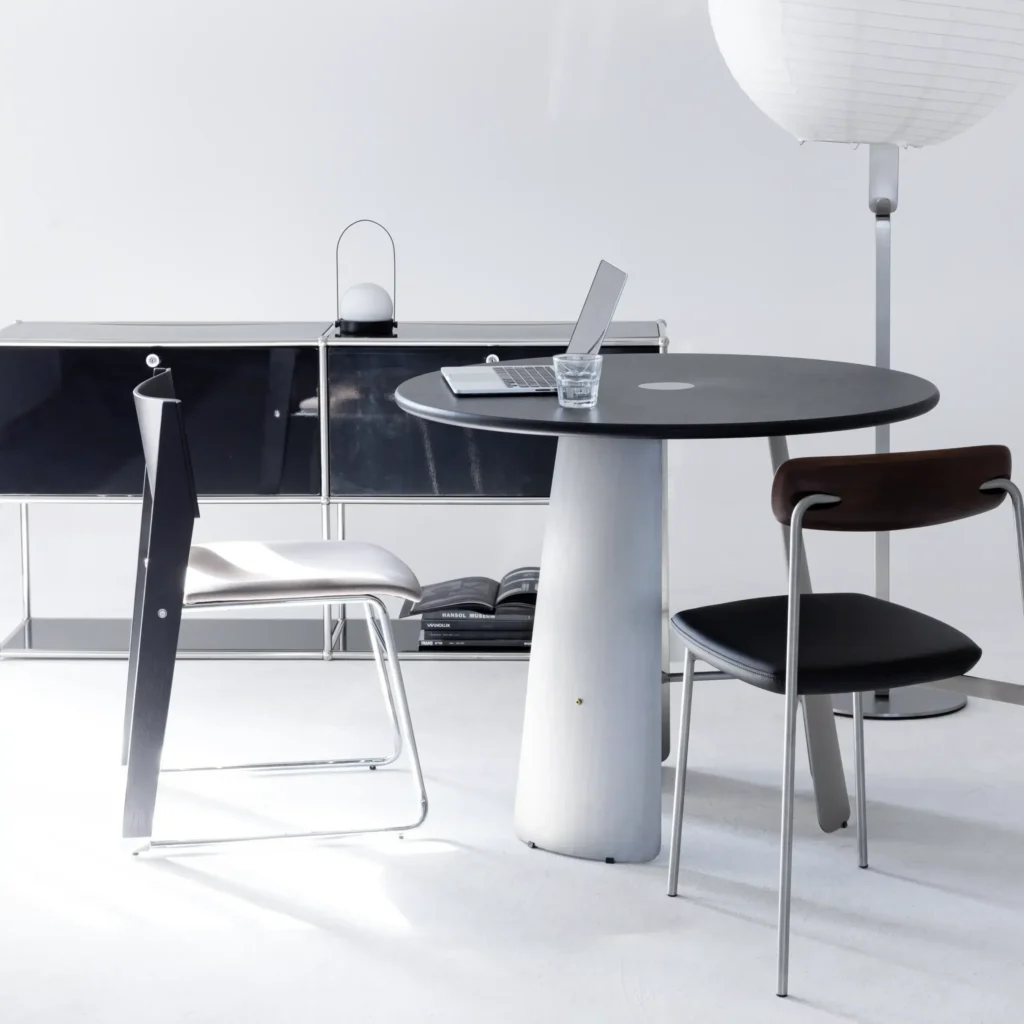
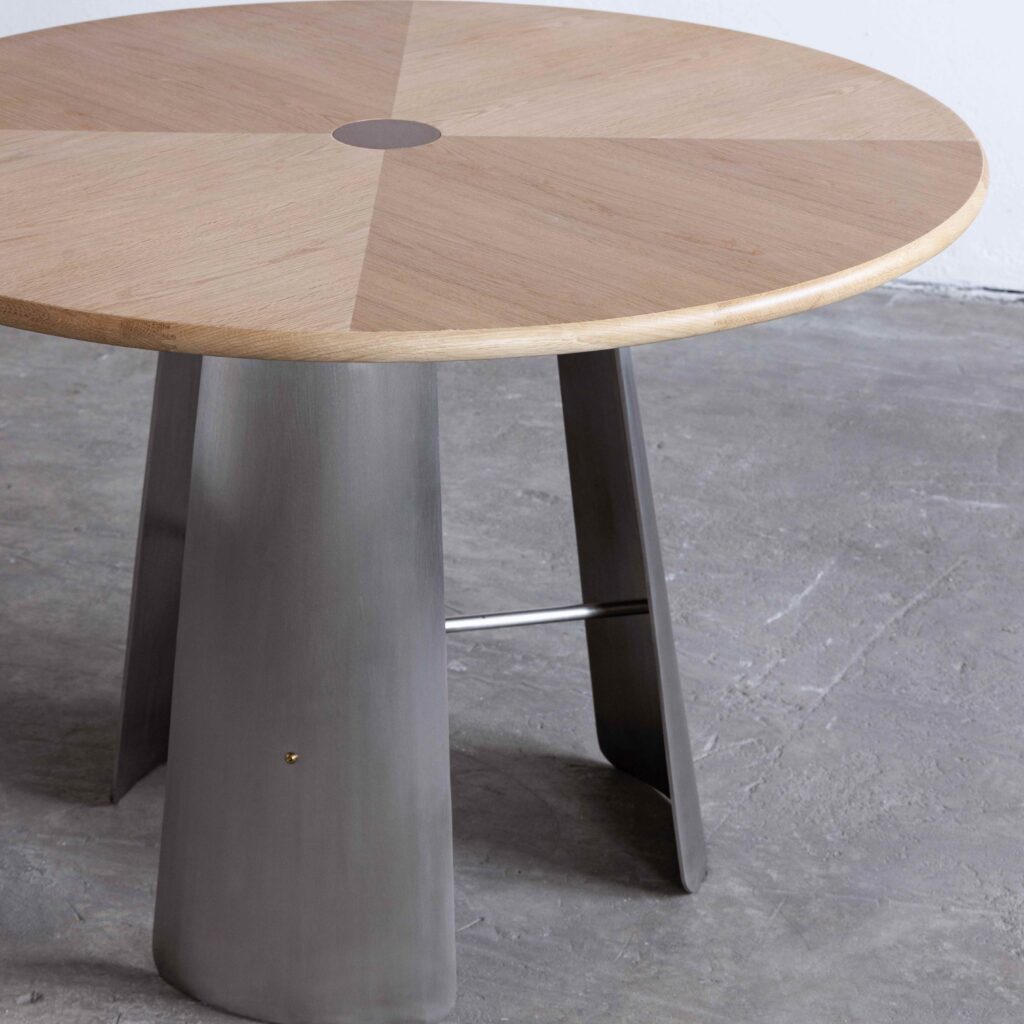
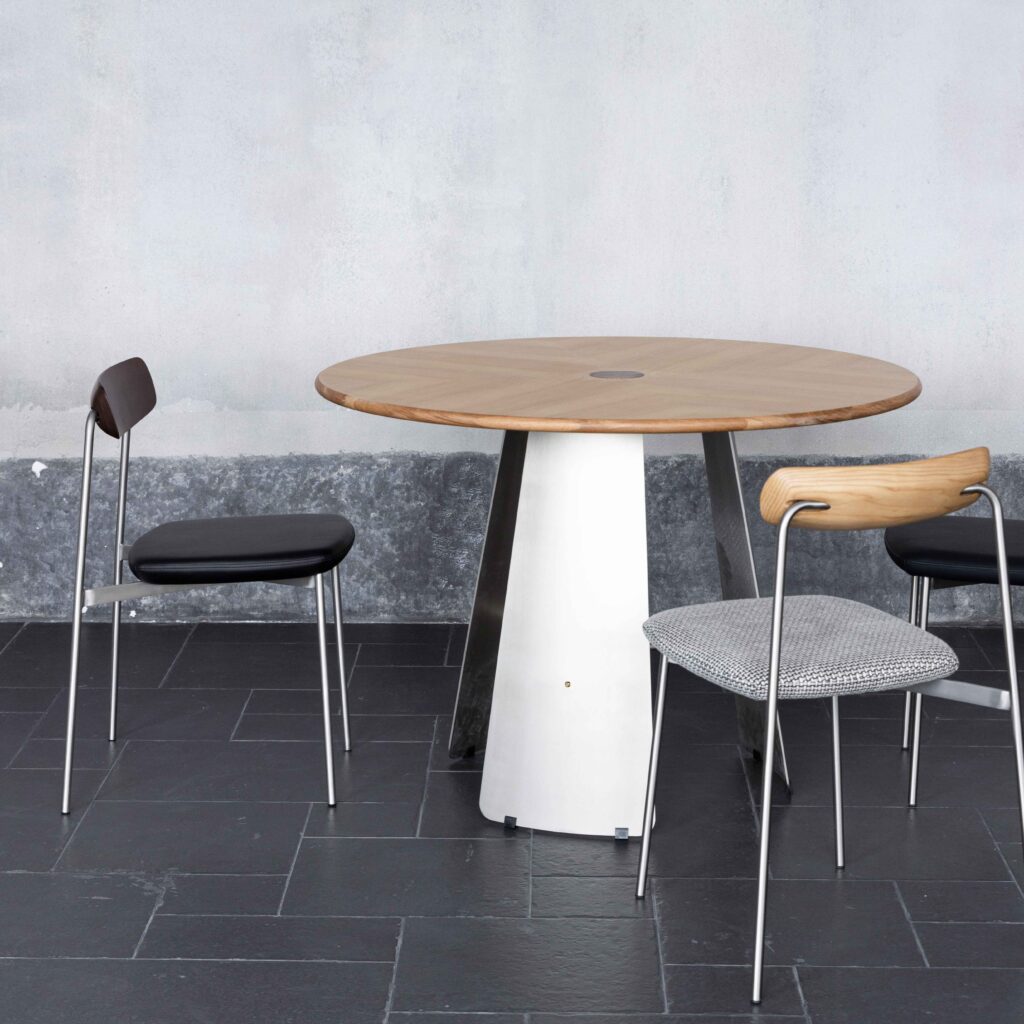
Rectangular dining tables are popular, but they aren’t the best option for every dining room. Round dining tables, however, can work particularly well in smaller or square spaces. Their curved shape can also make it easier to move around the room and creates a more social dining setting.
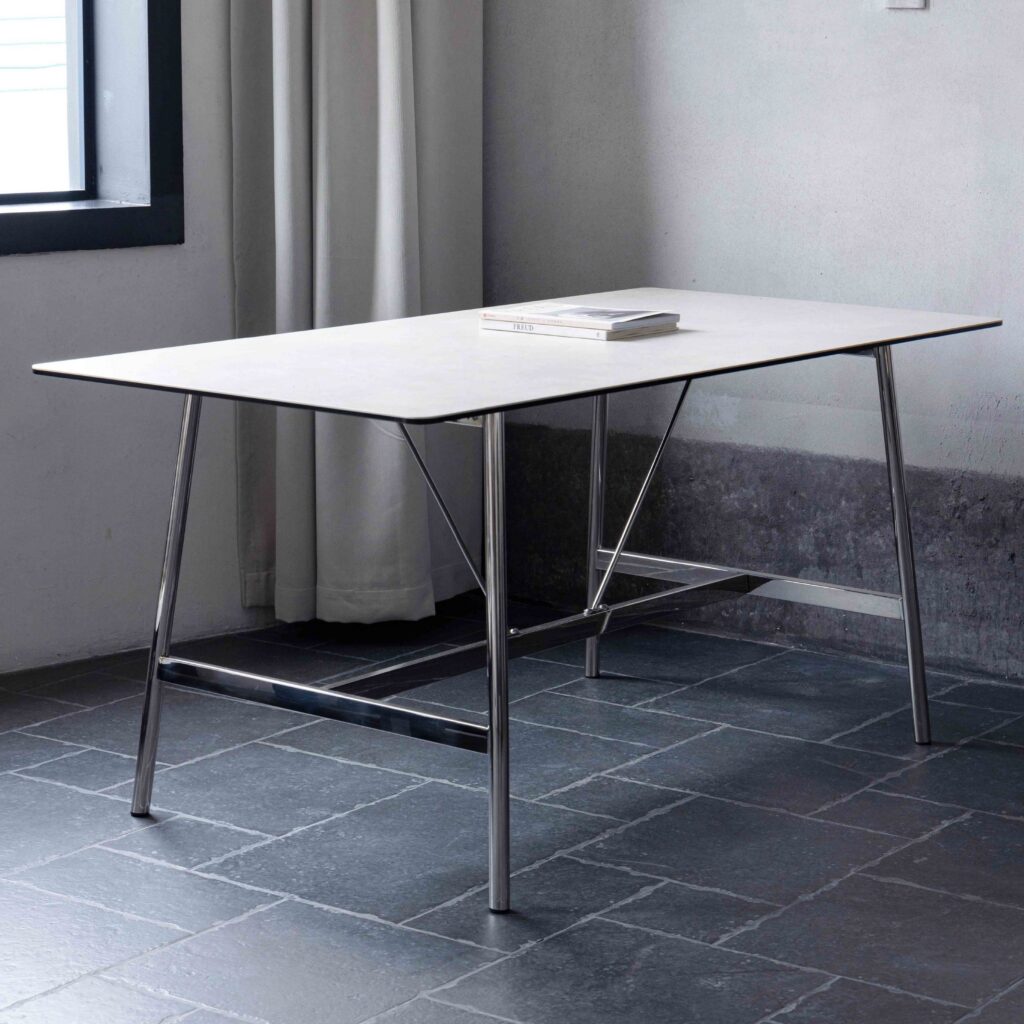
Meanwhile, rectangular and oval dining tables often suit longer rooms and larger groups. Consider the proportions and layout of your room before deciding between a round, oval, square or rectangular dining table.
5. Ignoring How You Actually Use Your Dining Area
When buying dining furniture, think about your real lifestyle rather than your ideal one. Someone who regularly hosts dinner parties will have different needs from someone furnishing a small apartment. Similarly, a dining table used for working from home needs to offer enough space for both work and everyday meals. Before choosing your dining setting, consider:
If you need more flexibility, an extendable dining table can give you extra space when entertaining without permanently taking up more room.
6. Choosing Dining Furniture Materials Based on Looks Alone
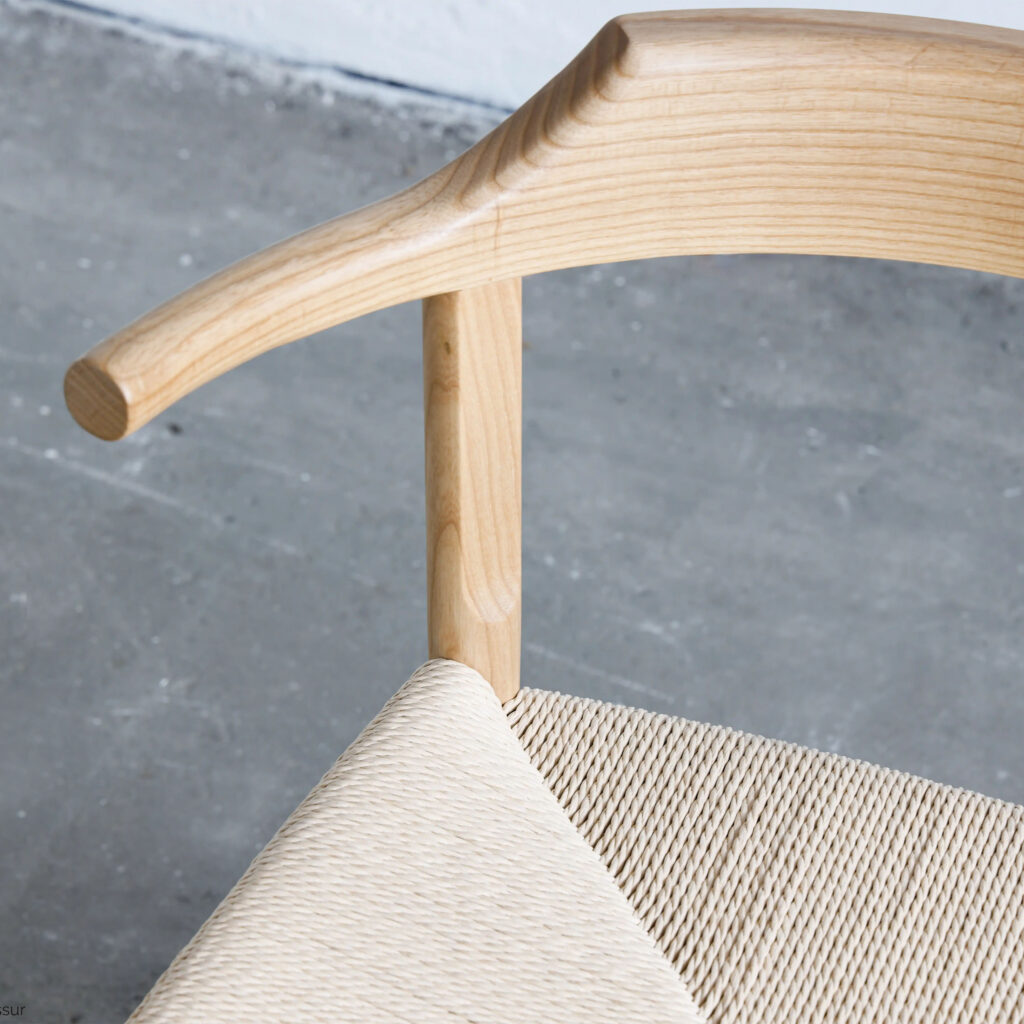
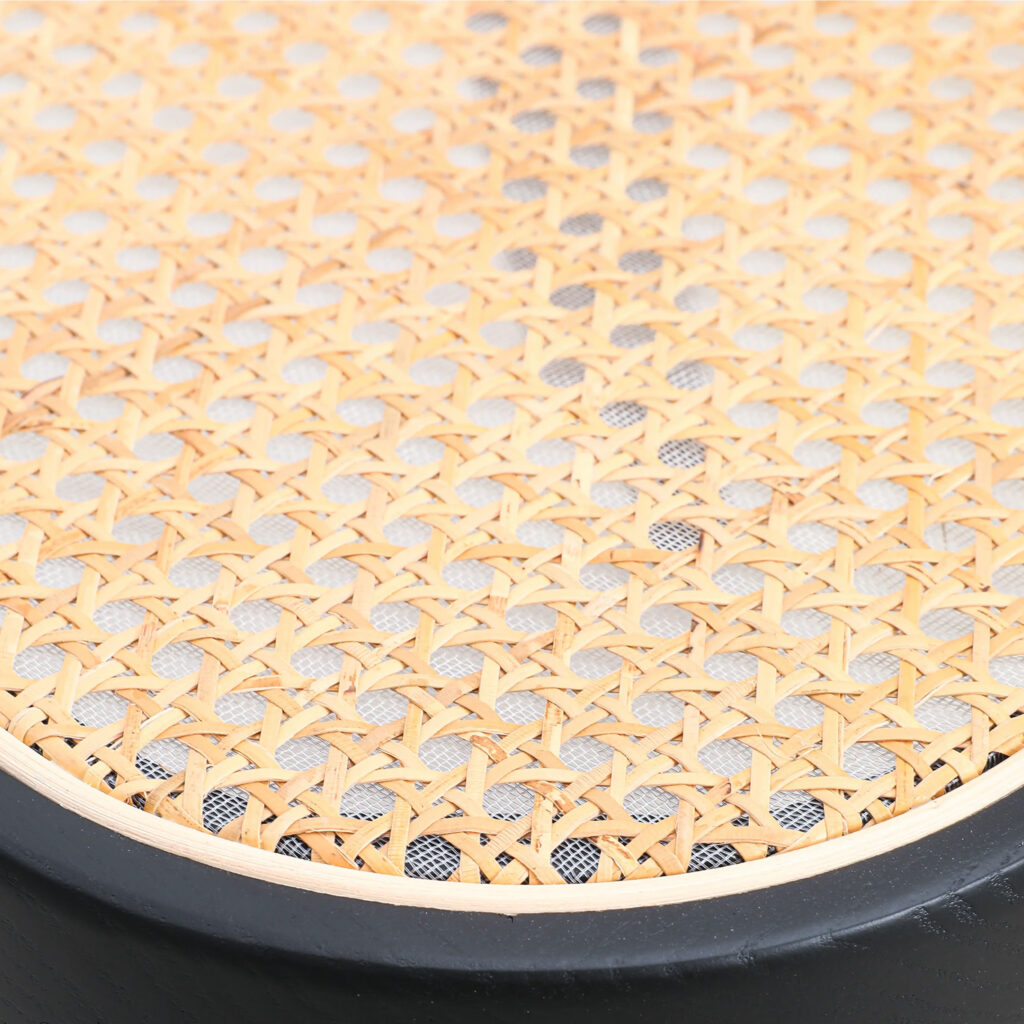
Material plays a major role in how dining furniture looks, feels and performs over time. Timber dining tables bring natural warmth and texture to a room. Meanwhile, stone, sintered stone, glass and metal can create a more contemporary look.
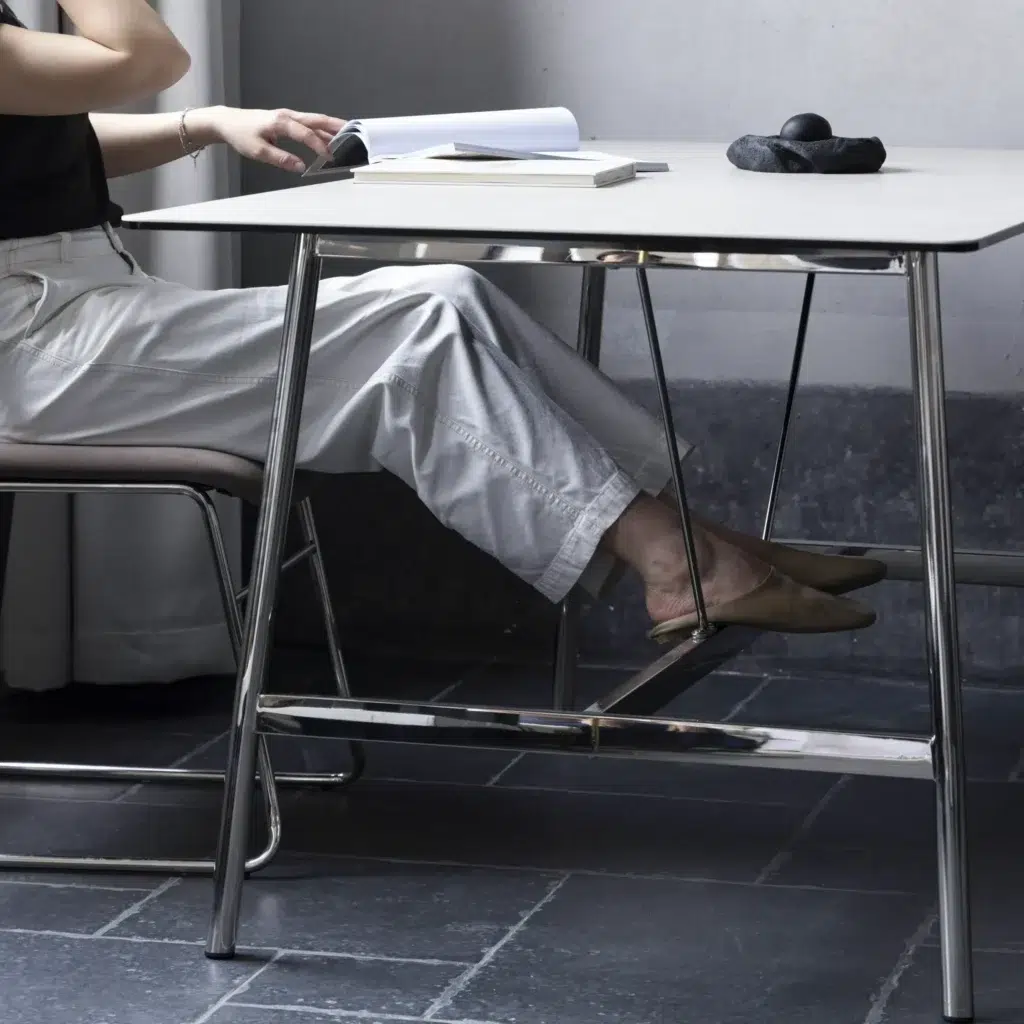
However, appearance shouldn’t be your only consideration. Think about durability, cleaning, heat resistance, scratching and maintenance before choosing a dining table material. This is especially important in busy homes where the dining table may be used for everything from morning coffee to dinner parties and working from home.
7. Making Your Dining Table and Chairs Match Too Perfectly
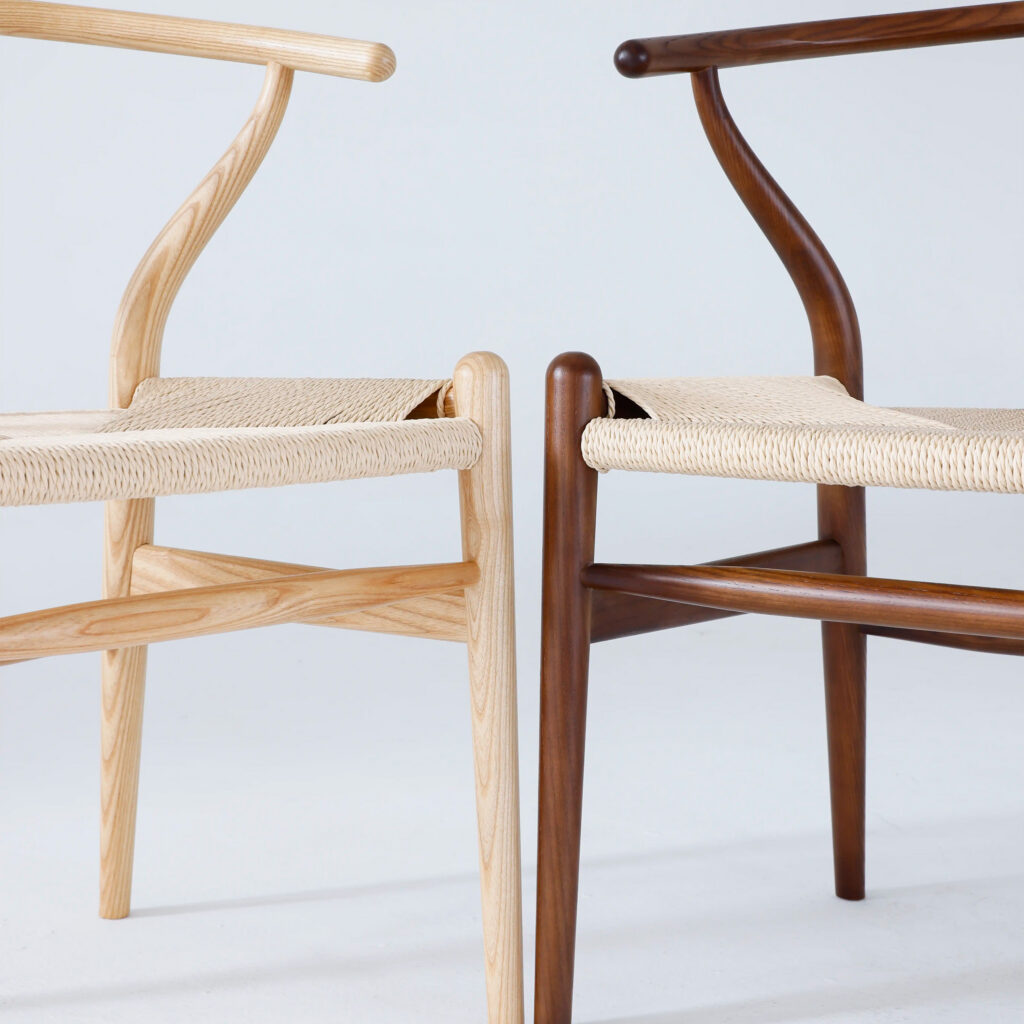
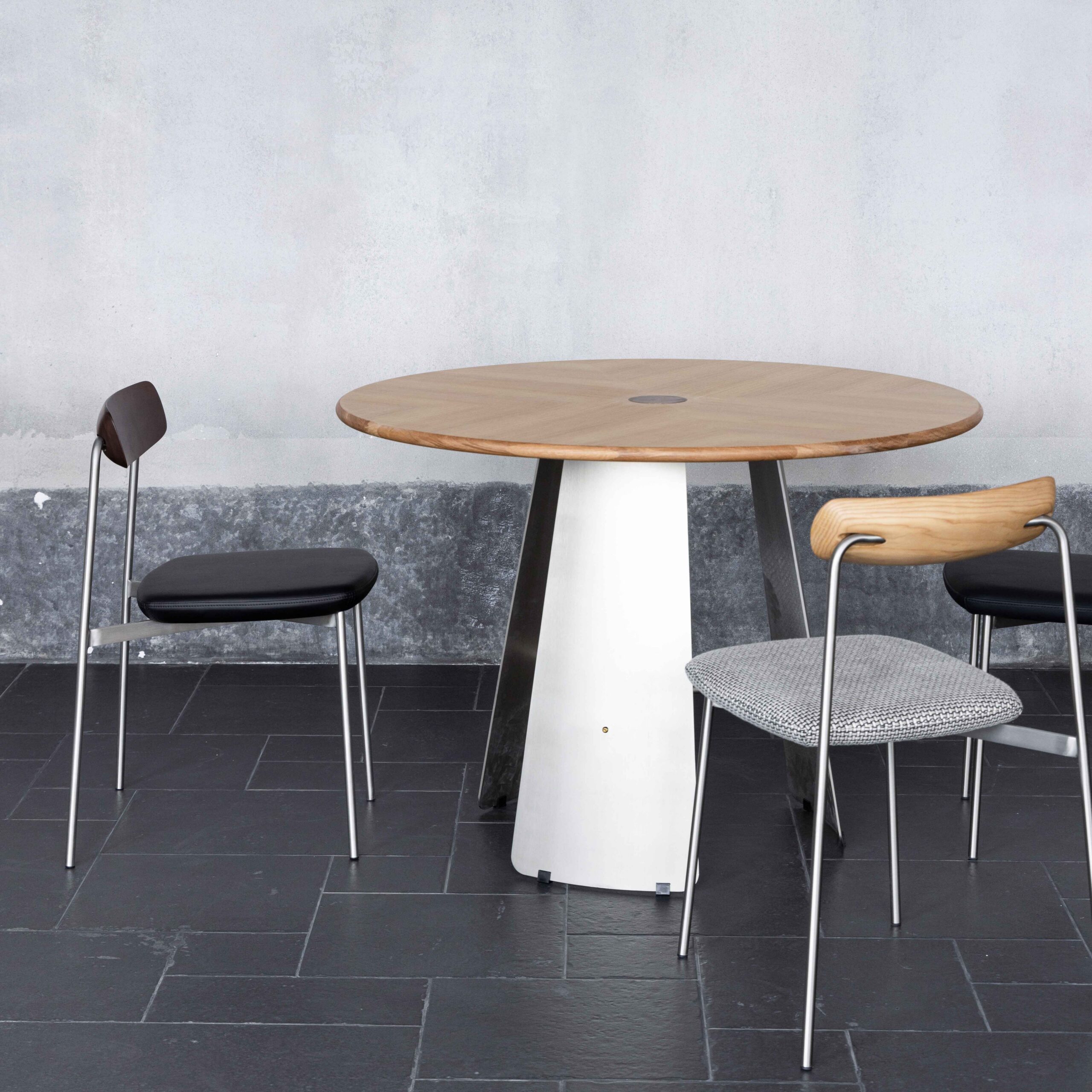
Your dining table and chairs don’t need to come from the same furniture collection. In fact, mixing different materials, colours and shapes can make your dining area feel more considered and personal.
For example, you could pair a sculptural timber dining table with streamlined upholstered chairs. Alternatively, timber or textural dining chairs can soften the appearance of a contemporary stone table. Instead of trying to match everything perfectly, look for a common element that connects your furniture. This could be colour, material, shape or proportion.
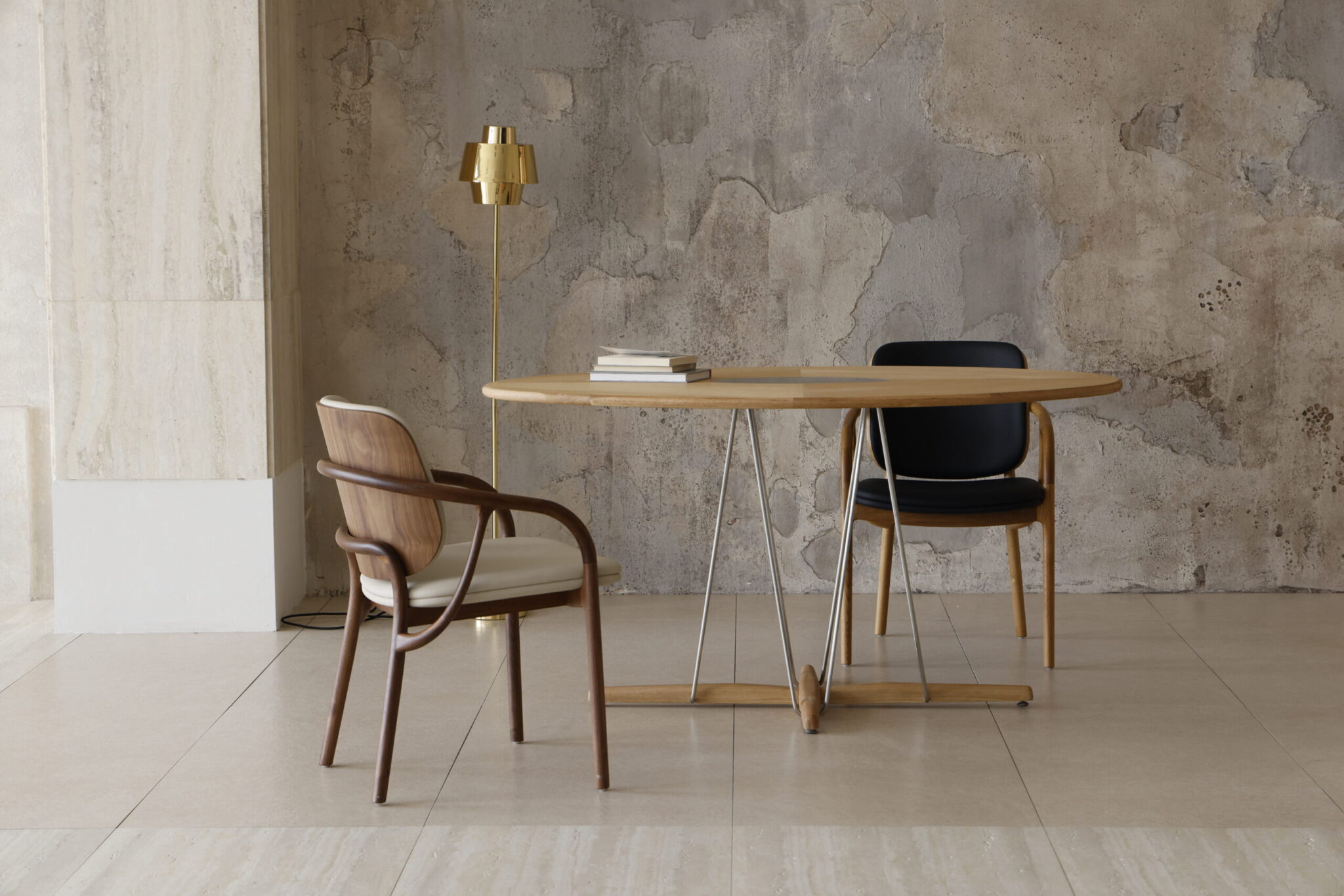
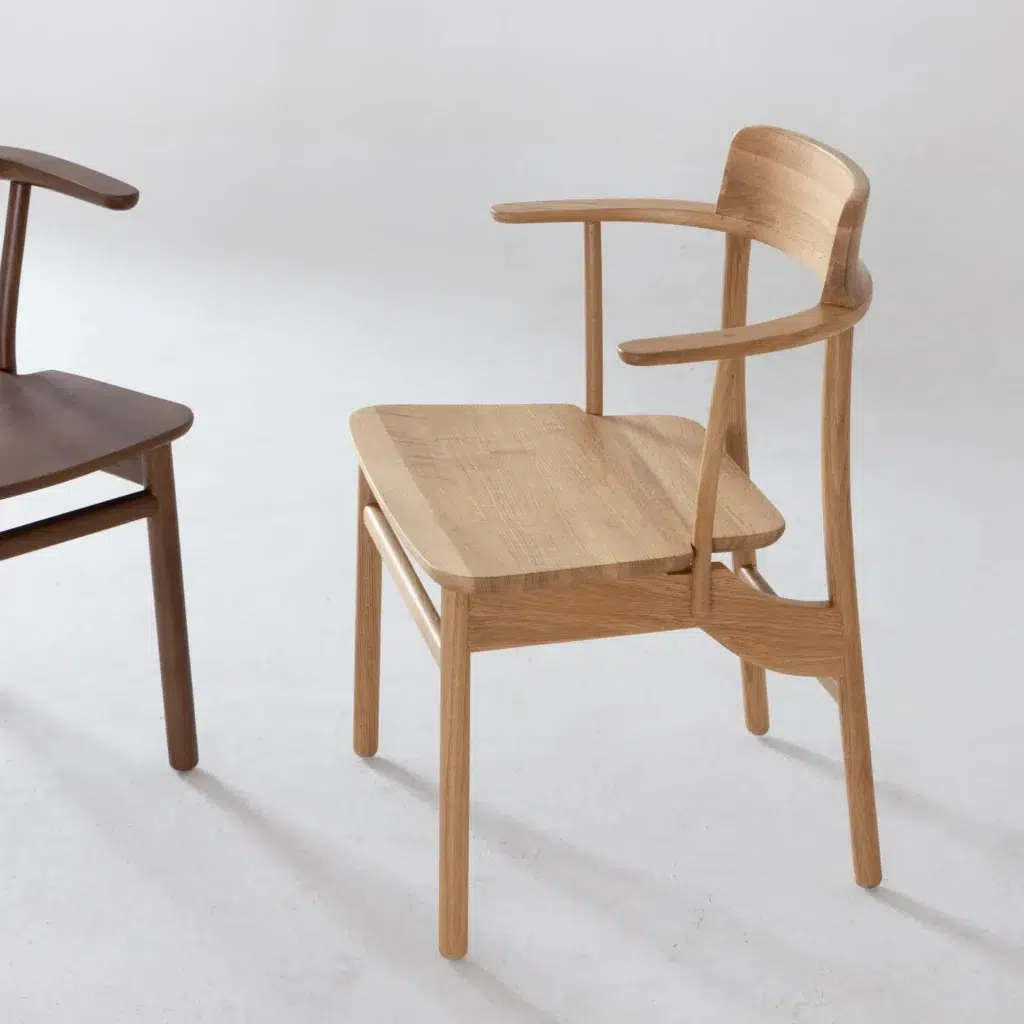
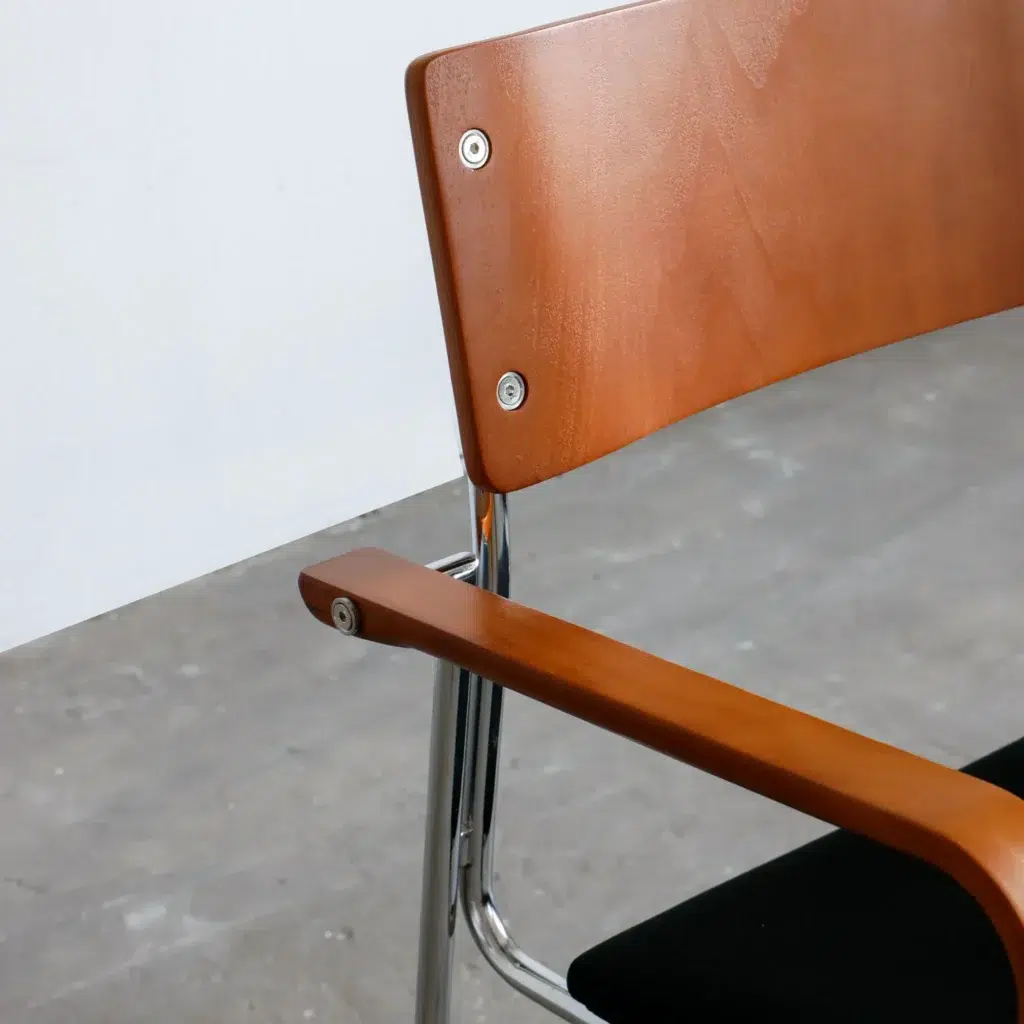
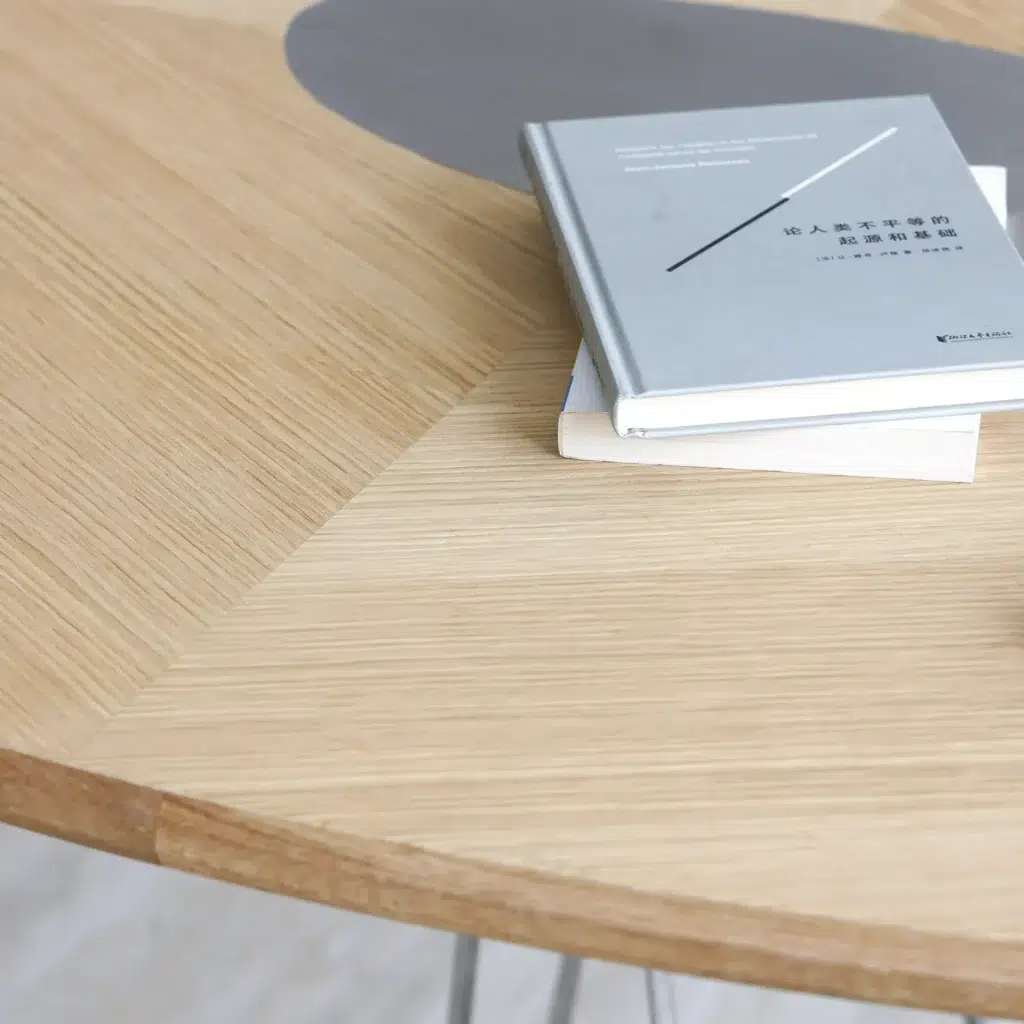
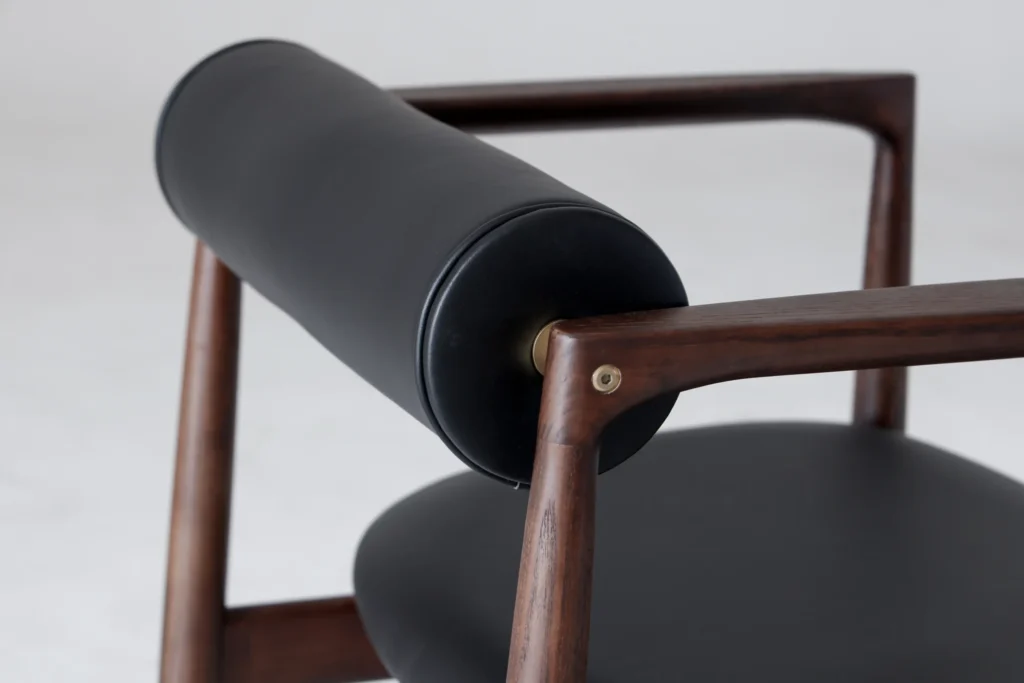
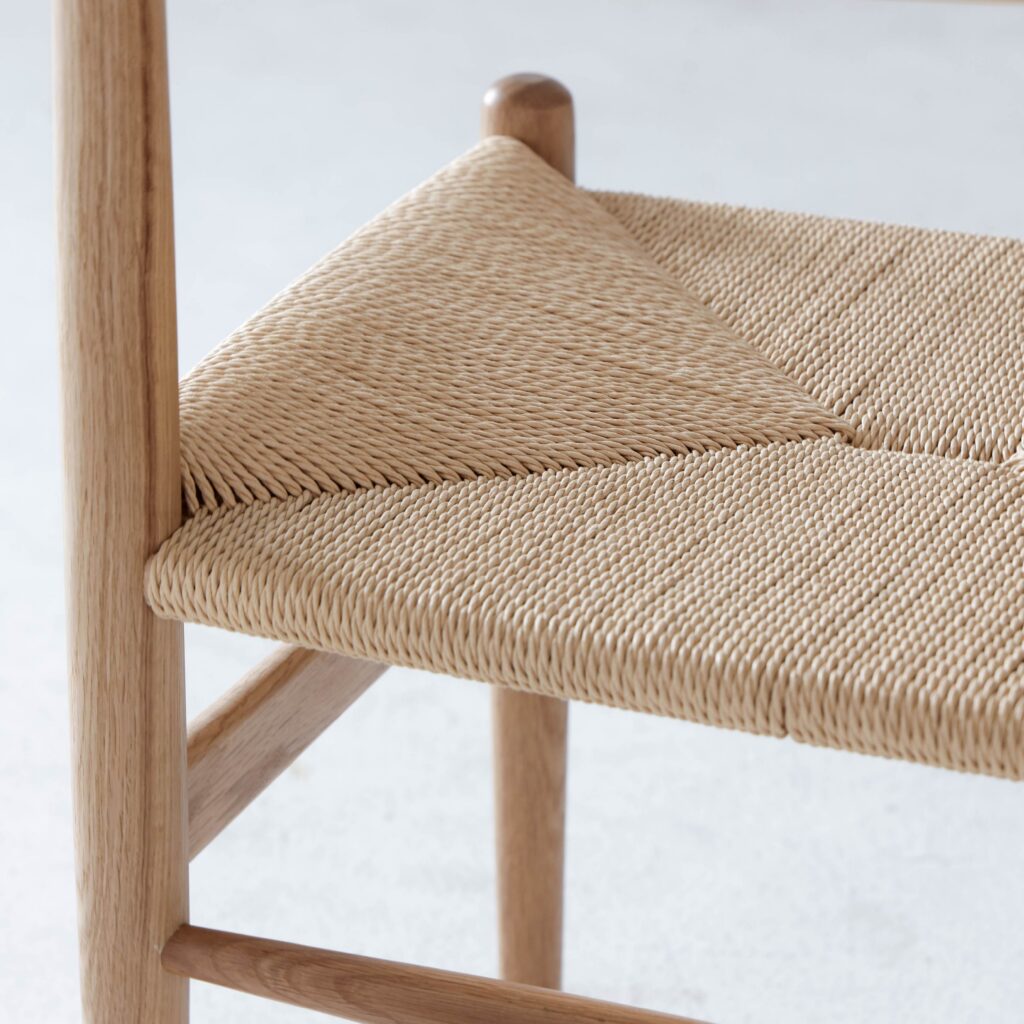
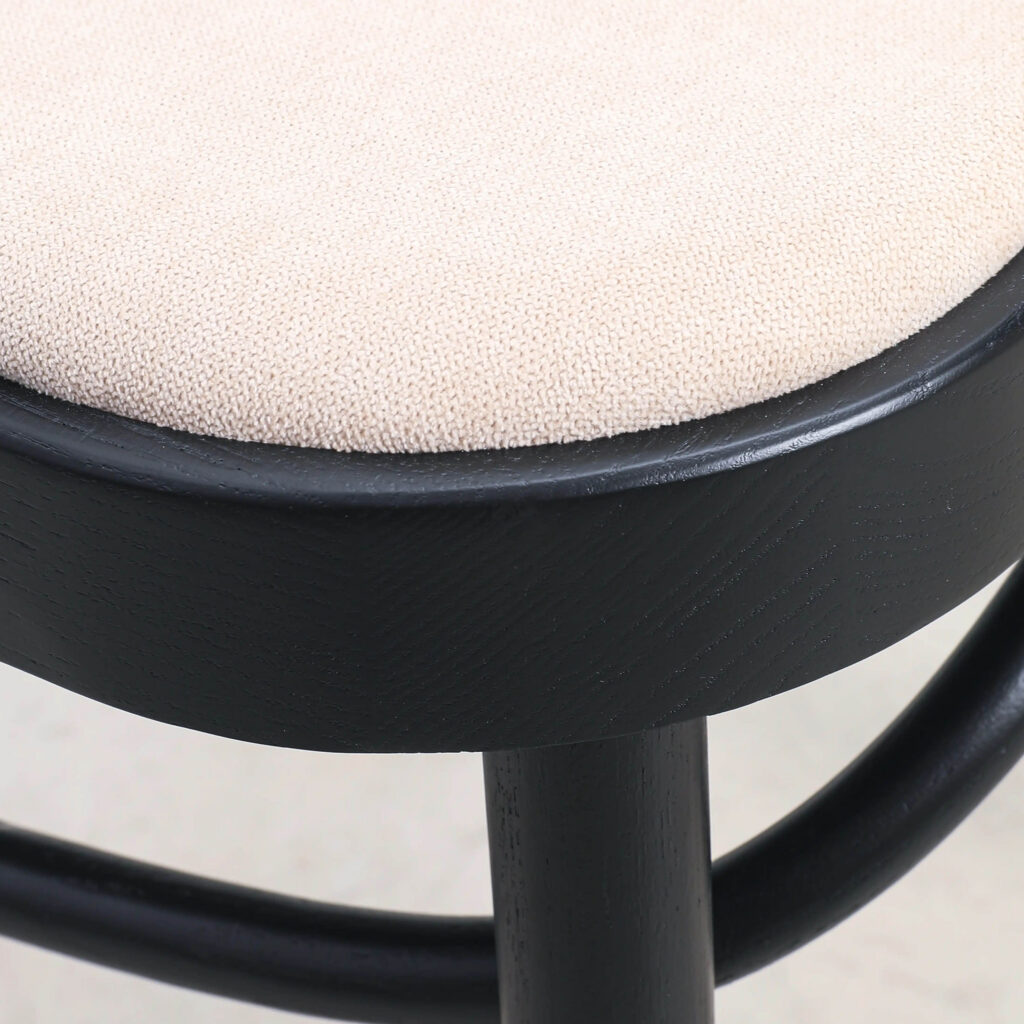
Pictured above, our PEBBLE Dining Table and MUFAN Dining Chair show how contrasting designs can still feel cohesive. The PEBBLE’s sculptural timber form and curved tabletop are complemented by the MUFAN Chair’s softer, rounded silhouette. Whilst the pieces differ in shape, timber tone and detailing, their natural materials and warm finishes create a sense of connection without feeling overly matched.
8. Forgetting About the Rest of Your Interior
Your dining furniture doesn’t exist in isolation. This is particularly important in open-plan Australian homes, where the kitchen, dining and living areas often sit within the same space. Consider how your dining table and chairs work alongside your flooring, cabinetry, lighting and other furniture.
You don’t need everything to match. Instead, repeating a few materials, colours or shapes throughout the room can help create a more cohesive interior. For example, a timber dining table might reference timber cabinetry elsewhere in the room. Likewise, curved dining chairs could complement a rounded coffee table or pendant light.
9. Following Dining Furniture Trends Too Closely
Interior design trends can provide great inspiration. However, dining furniture is usually a long-term purchase. Before investing in a highly distinctive trend, consider whether you’ll still love it in several years.
Instead, choose well-designed pieces that reflect your personal style. You can then introduce current interior trends through lighting, artwork, tableware and accessories, which are much easier to update. This doesn’t mean your dining furniture needs to be boring. Sculptural tables, interesting materials and statement dining chairs can add plenty of personality while still feeling timeless.
10. Choosing Price Over Quality
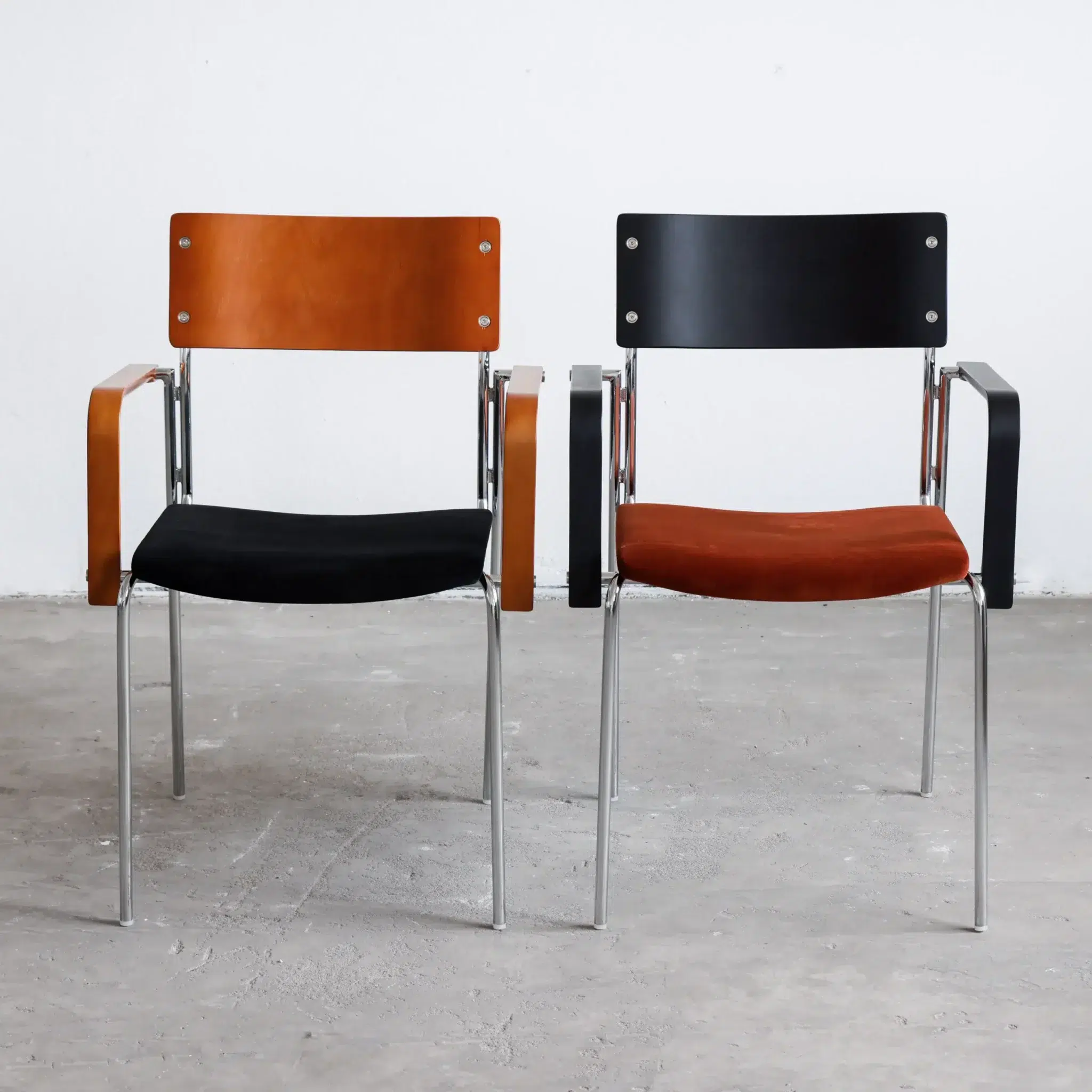
Price matters when buying dining furniture, but it shouldn’t be your only consideration. Dining tables and chairs experience frequent use. As a result, construction and material quality can make a significant difference to how long your furniture lasts.
Before buying, look at the materials, construction, finish and expected lifespan of each piece. Investing in pieces you can keep for years may also offer better value than repeatedly replacing cheaper furniture.
How to Choose Dining Furniture You’ll Love for Years
The best dining furniture isn’t simply the table or chair that looks best online. Instead, it’s furniture that suits your space, feels comfortable and complements the way you live. Take the time to measure your dining area, consider proportions and compare different materials. Most importantly, think about how you’ll actually use your dining table and chairs every day.
Explore our full furniture collection to discover contemporary dining tables and dining chairs for modern Australian homes.