Oak vs Walnut Furniture: Which Timber Suits Your Style?
Estimated reading time: 8 minutes
Choosing between oak and walnut is not simply a question of which timber looks better. Timber influences how furniture interacts with light, colour, architecture and the other materials in a room. In that sense, the oak vs walnut furniture debate is really a question of atmosphere.
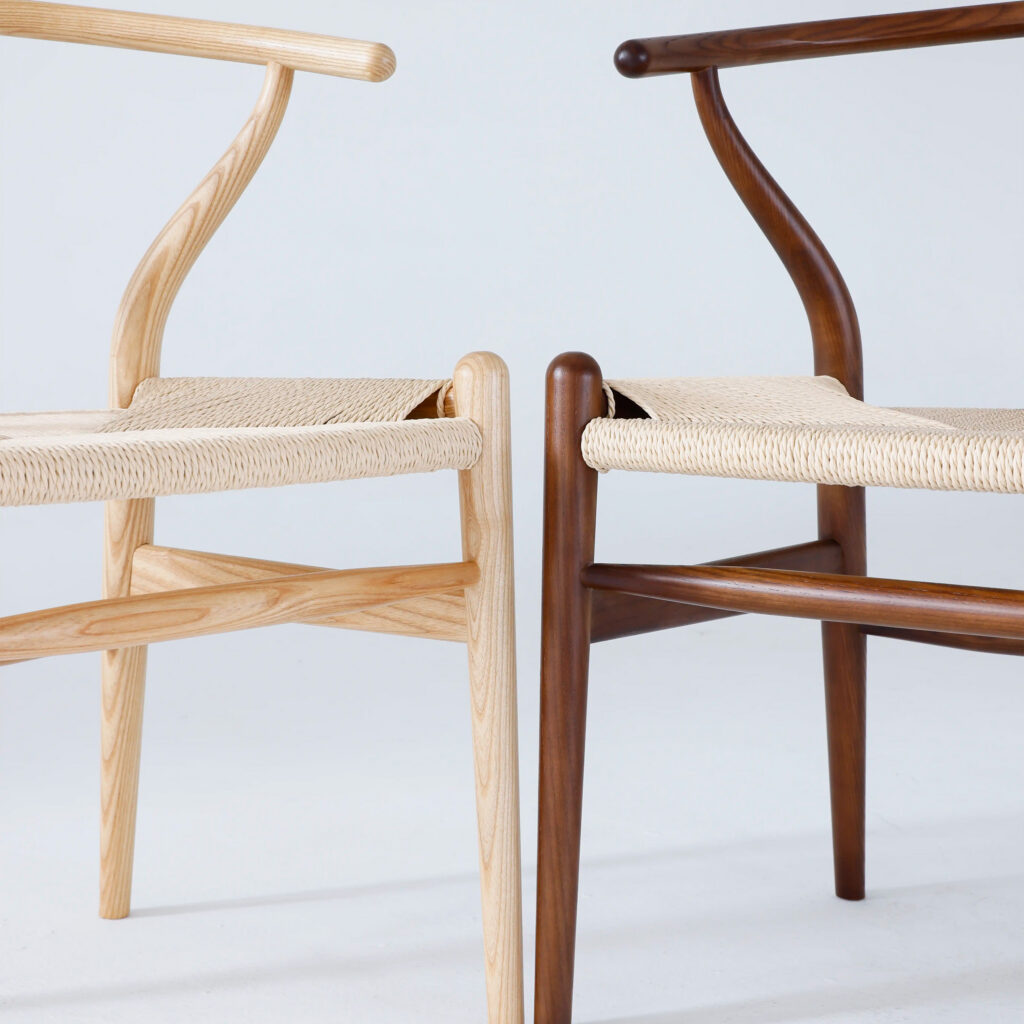
Oak tends to feel light and adaptable. Walnut is usually darker, richer and more visually pronounced. Both are durable hardwoods with long histories in furniture making, yet they create distinctly different interiors.
Understanding those differences can make choosing timber considerably easier.
Oak vs Walnut Furniture: The Fundamental Difference
At first glance, the distinction seems straightforward: oak is generally lighter, whilst walnut is darker. However, colour is only part of the story.
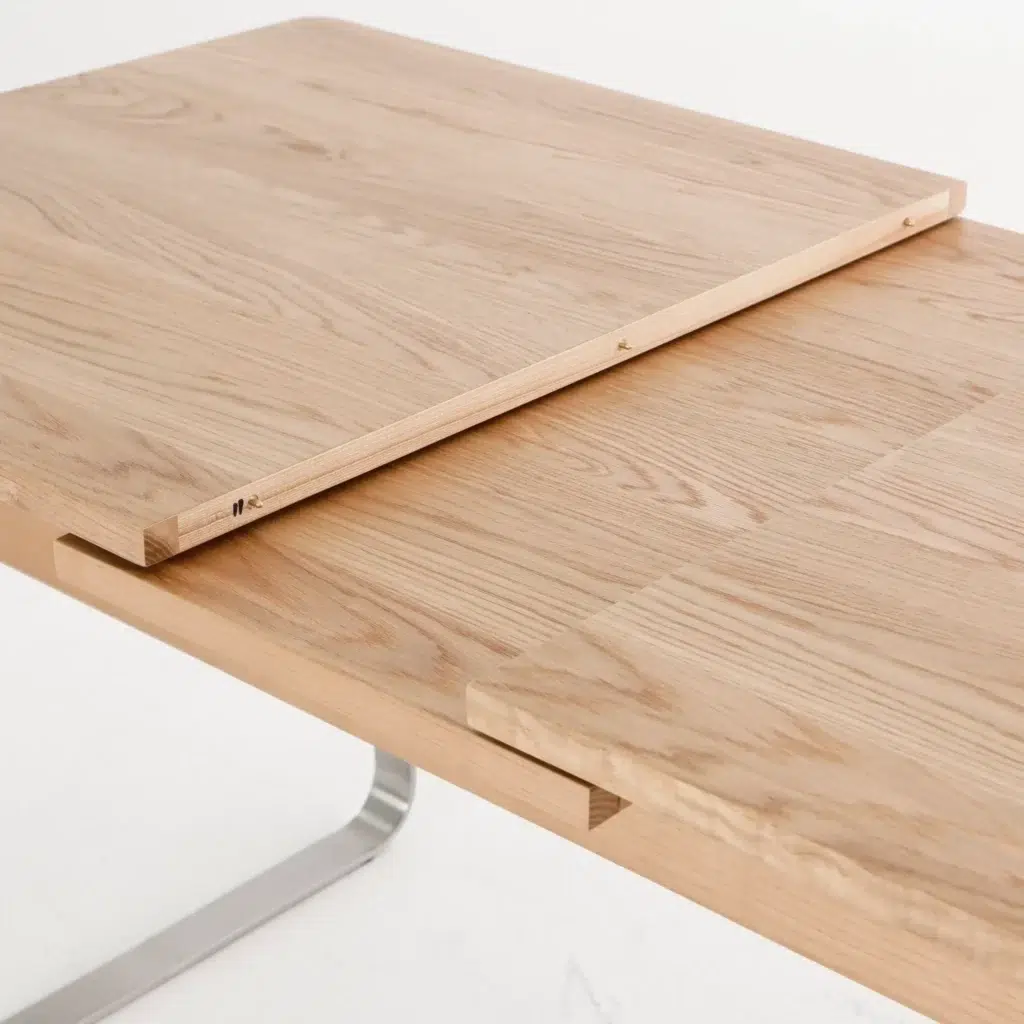
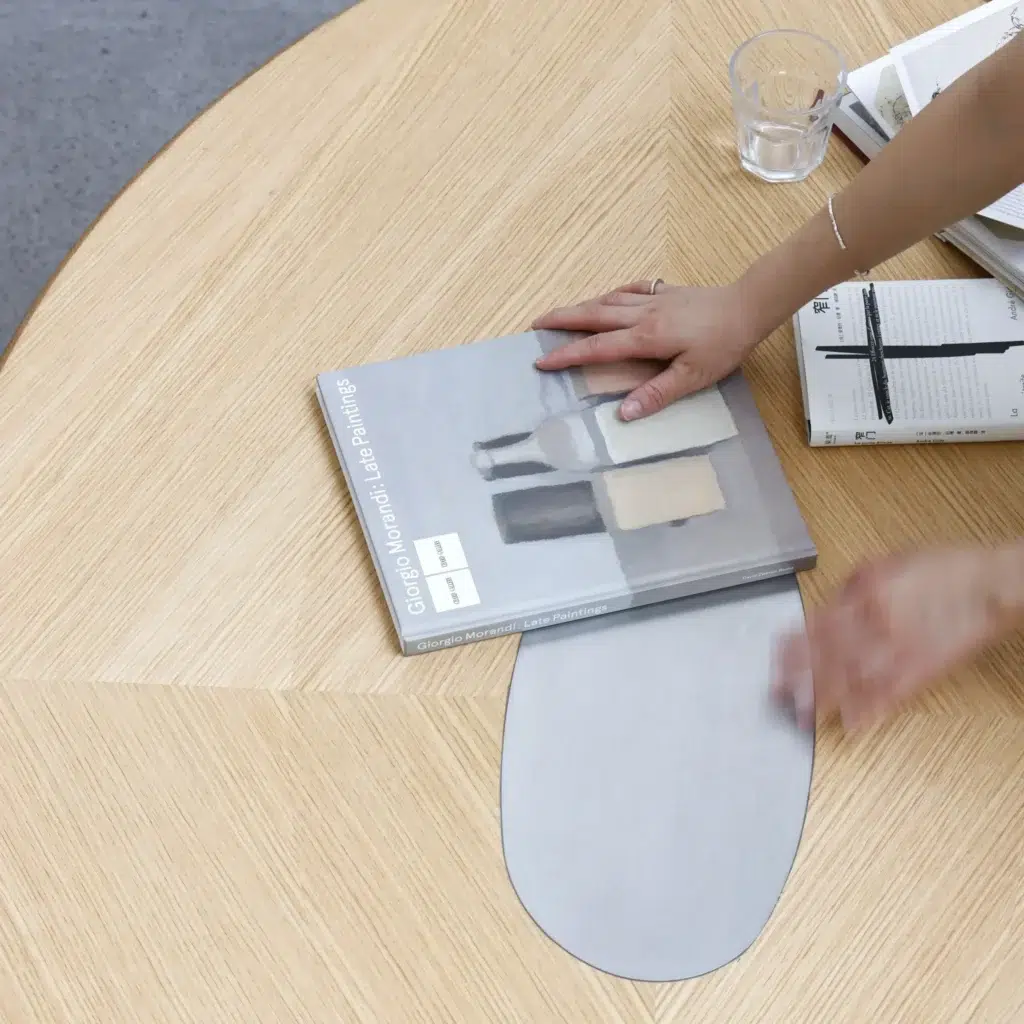
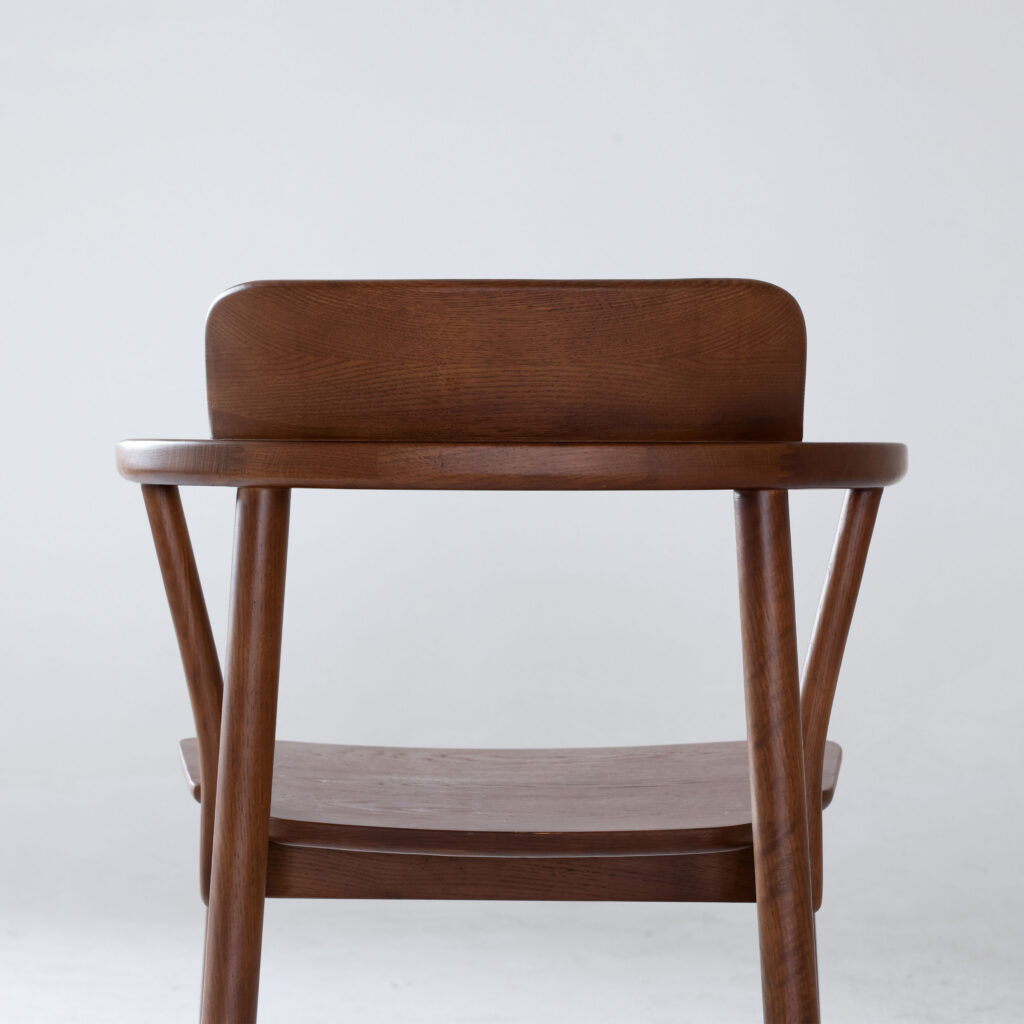
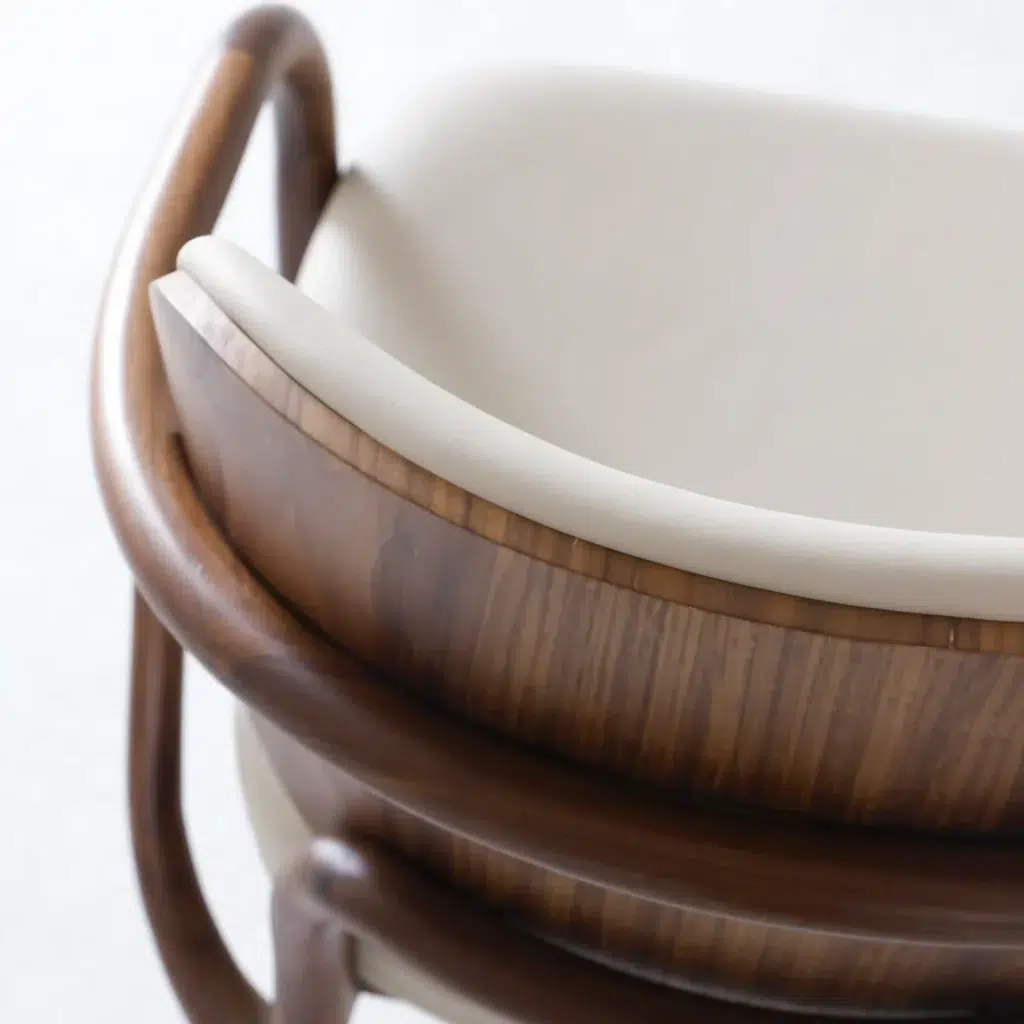
Oak usually has a more visible and textured grain. Its natural variation gives furniture an organic quality, particularly across large surfaces such as dining tables, sideboards and cabinets. Walnut, by comparison, often has a finer and more fluid grain. Its colouring can move between chocolate brown, caramel, grey-brown and occasionally subtle purplish tones. As a result, walnut furniture tends to have greater visual depth.
This difference changes how each timber behaves within a space.
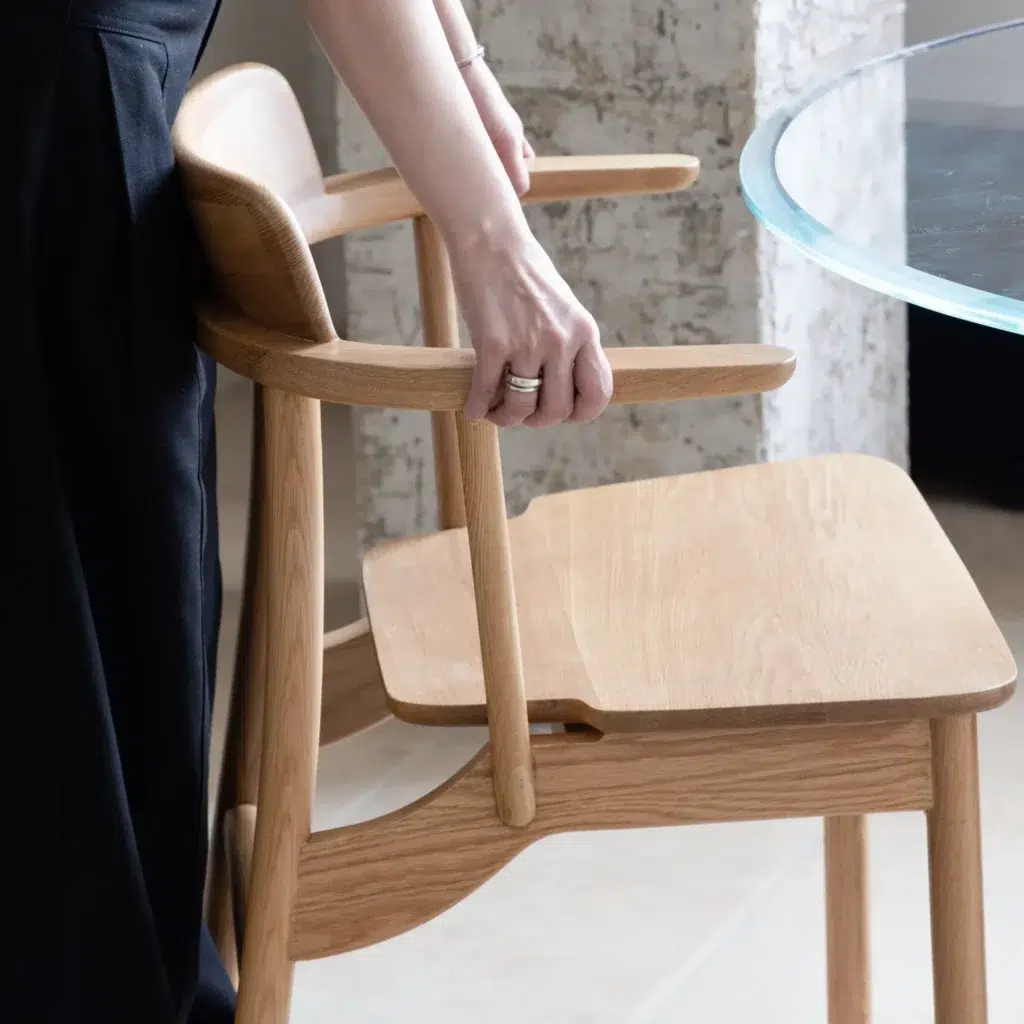
The Character of Oak Furniture
Oak has an unusual ability to feel both traditional and contemporary.
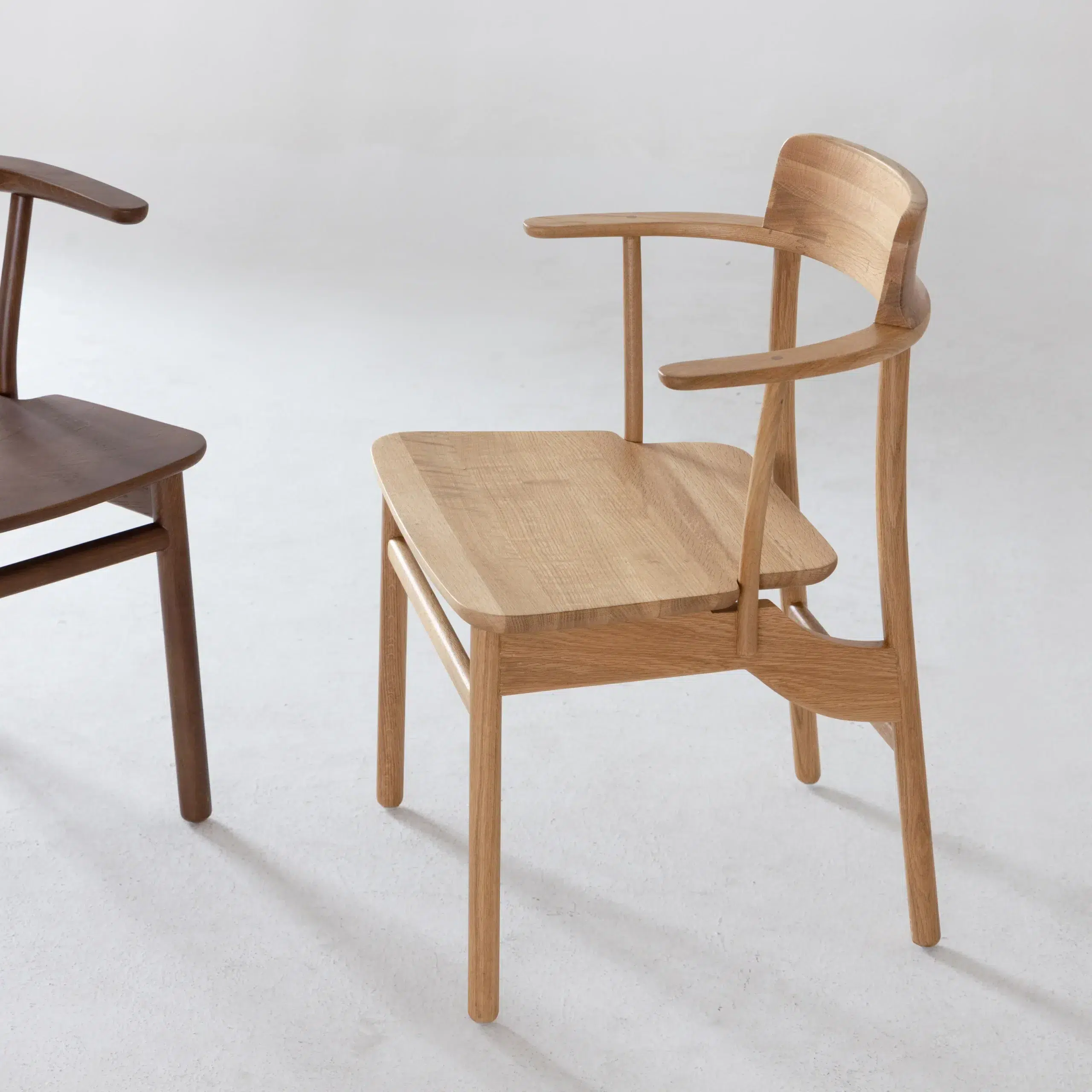
Historically, its strength made it a practical choice for furniture, flooring and construction. Today, those same characteristics give oak furniture a sense of permanence. Yet lighter finishes have also made oak central to Scandinavian, Japanese-inspired and contemporary Australian interiors.
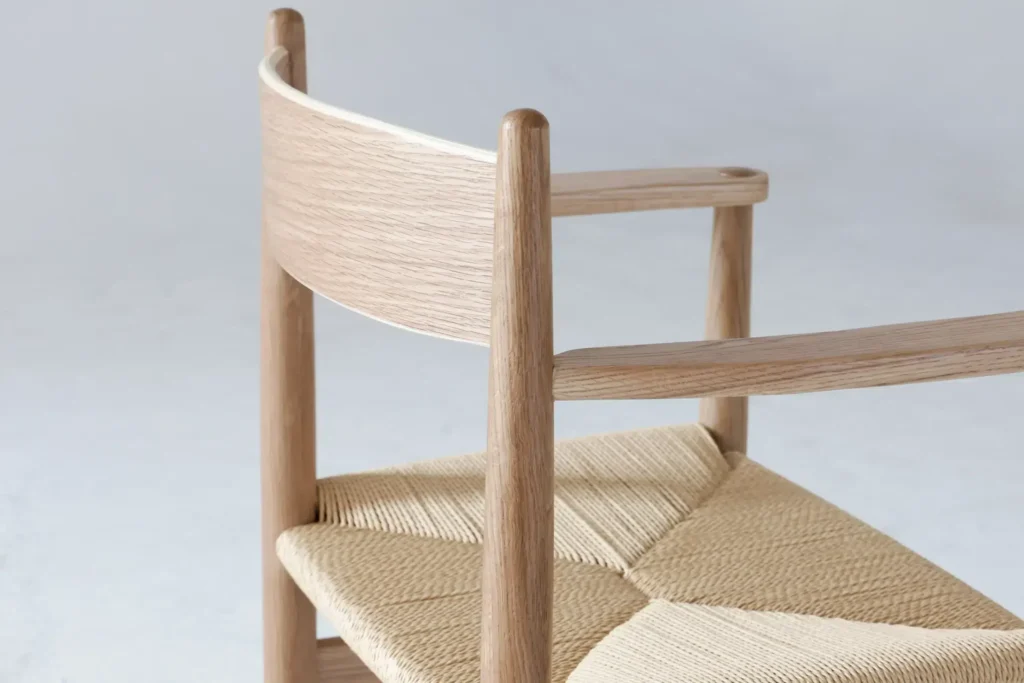
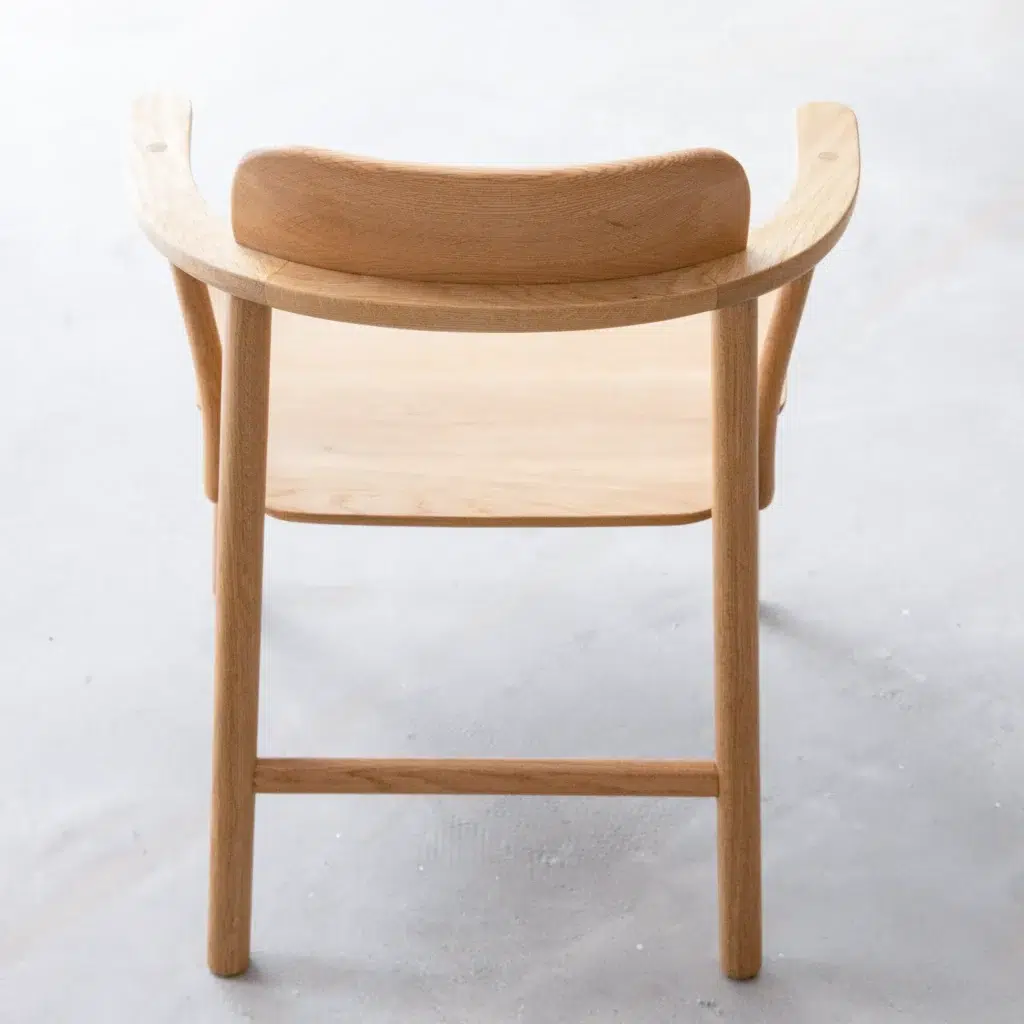
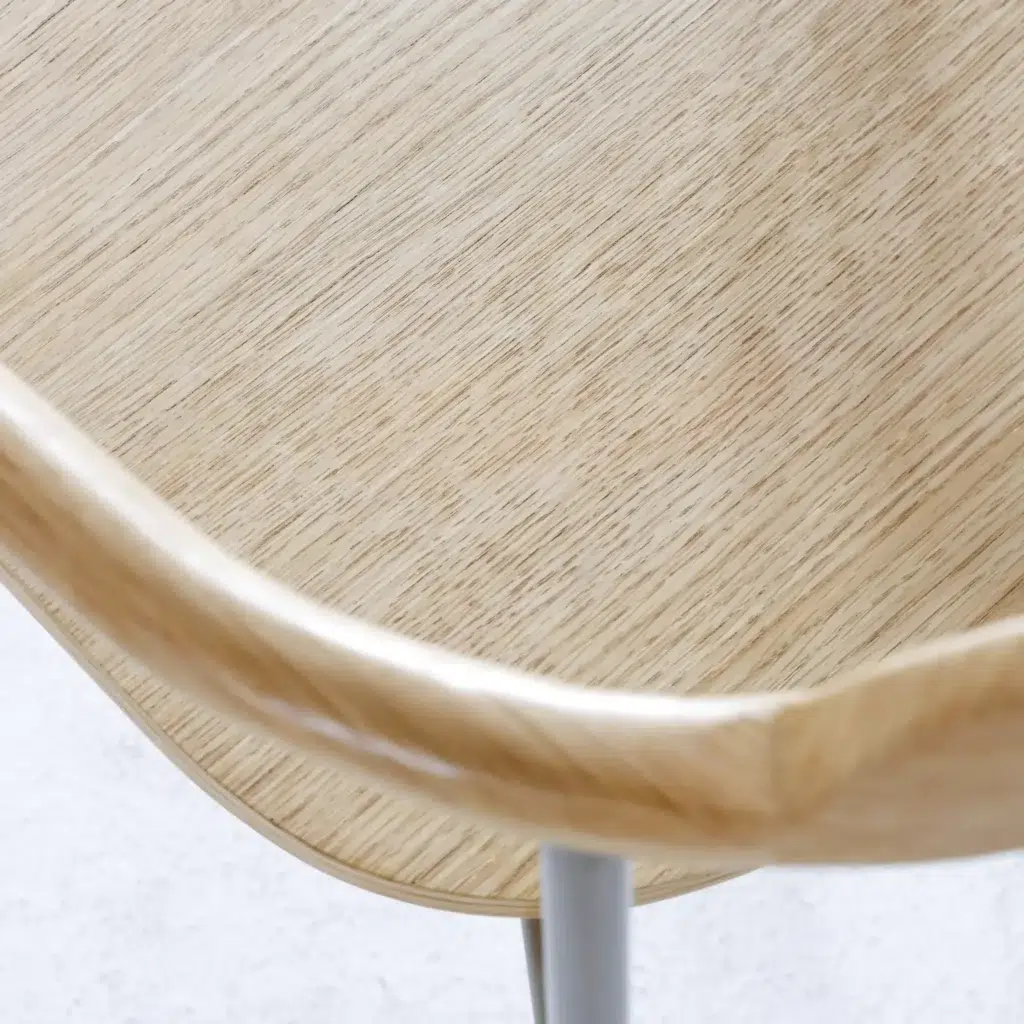
Its grain is one of its defining features. Rather than appearing completely uniform, oak carries visible lines and tonal shifts. These variations remind us that timber is a natural material rather than an industrially perfect surface. This can be particularly effective in minimalist interiors. When a room contains relatively few objects, material texture becomes more important. An oak dining table, for example, can add interest without relying on ornament.
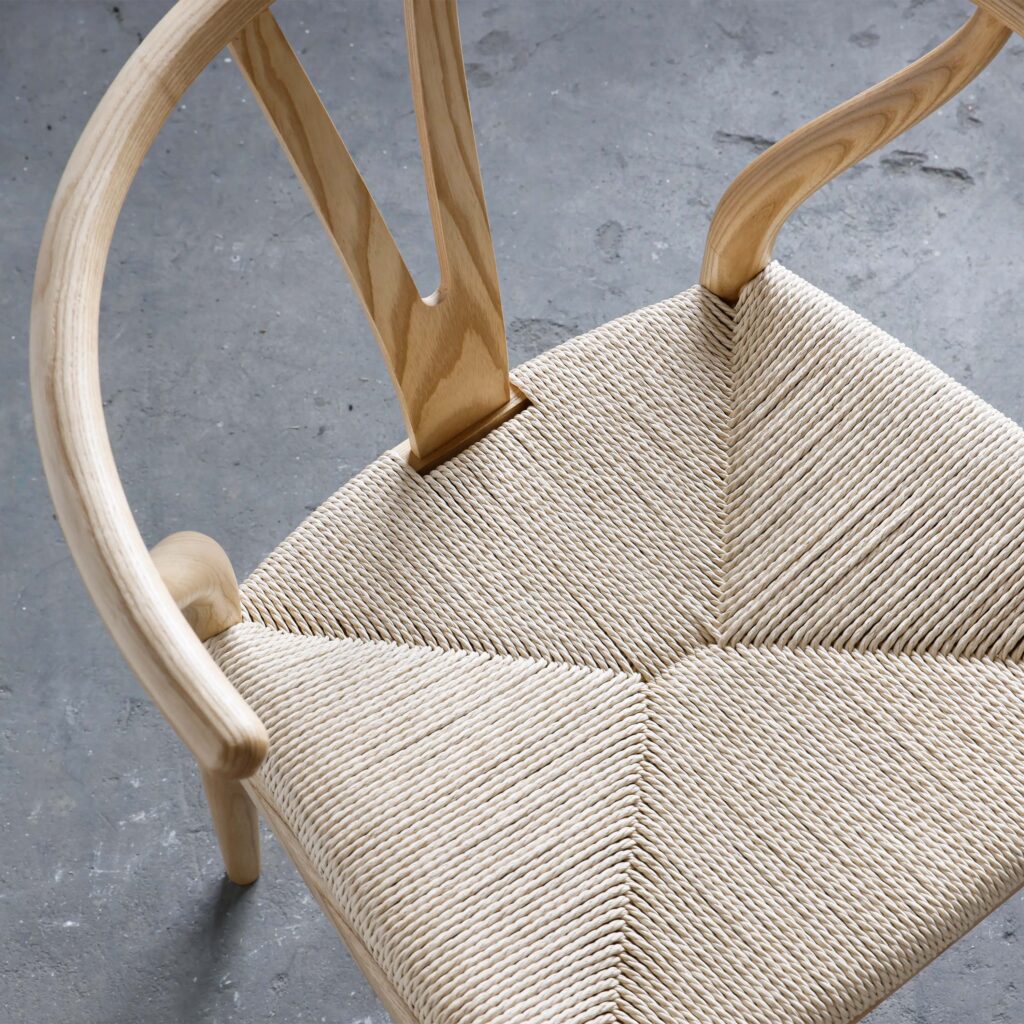
Oak also responds well to natural light. Pale oak surfaces reflect rather than absorb much of the light around them, which can help smaller rooms feel open and relaxed. For this reason, oak furniture suits interiors built around:
However, oak does not need to look pale or rustic. Depending on the finish, it can also feel architectural and highly modern.
The Character of Walnut Furniture
If oak tends towards understatement, walnut has a little more drama.
Its darker colouring immediately creates contrast, particularly against white, cream, stone and other pale surfaces. A walnut dining table in a light room can therefore behave almost like a piece of sculpture.
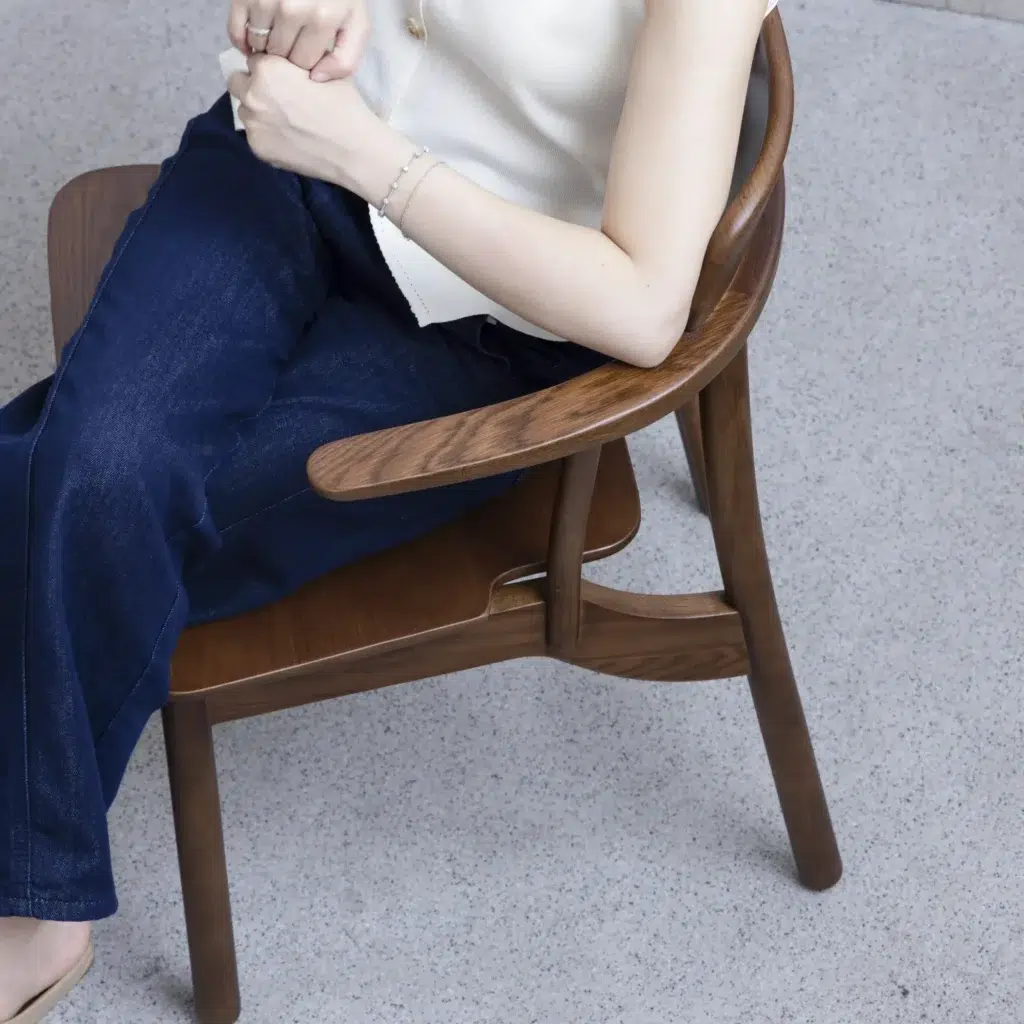
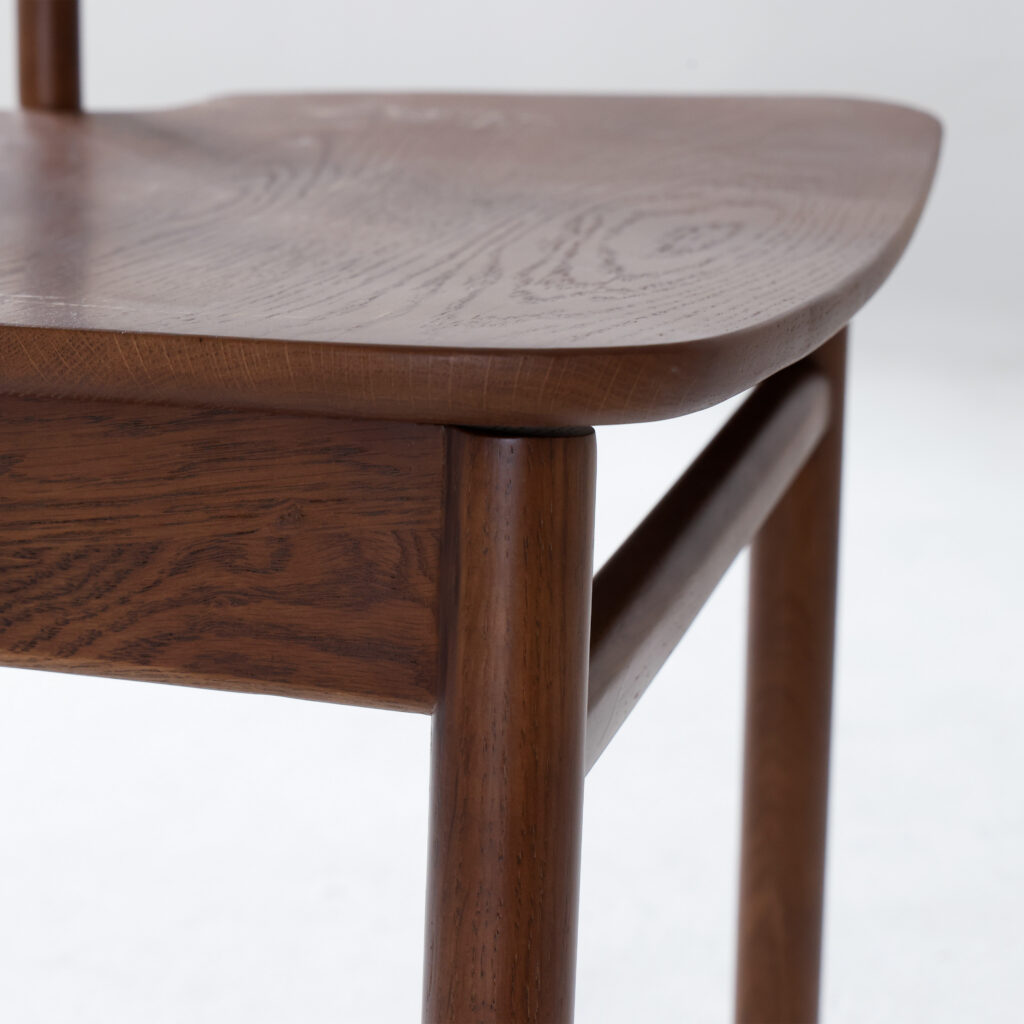
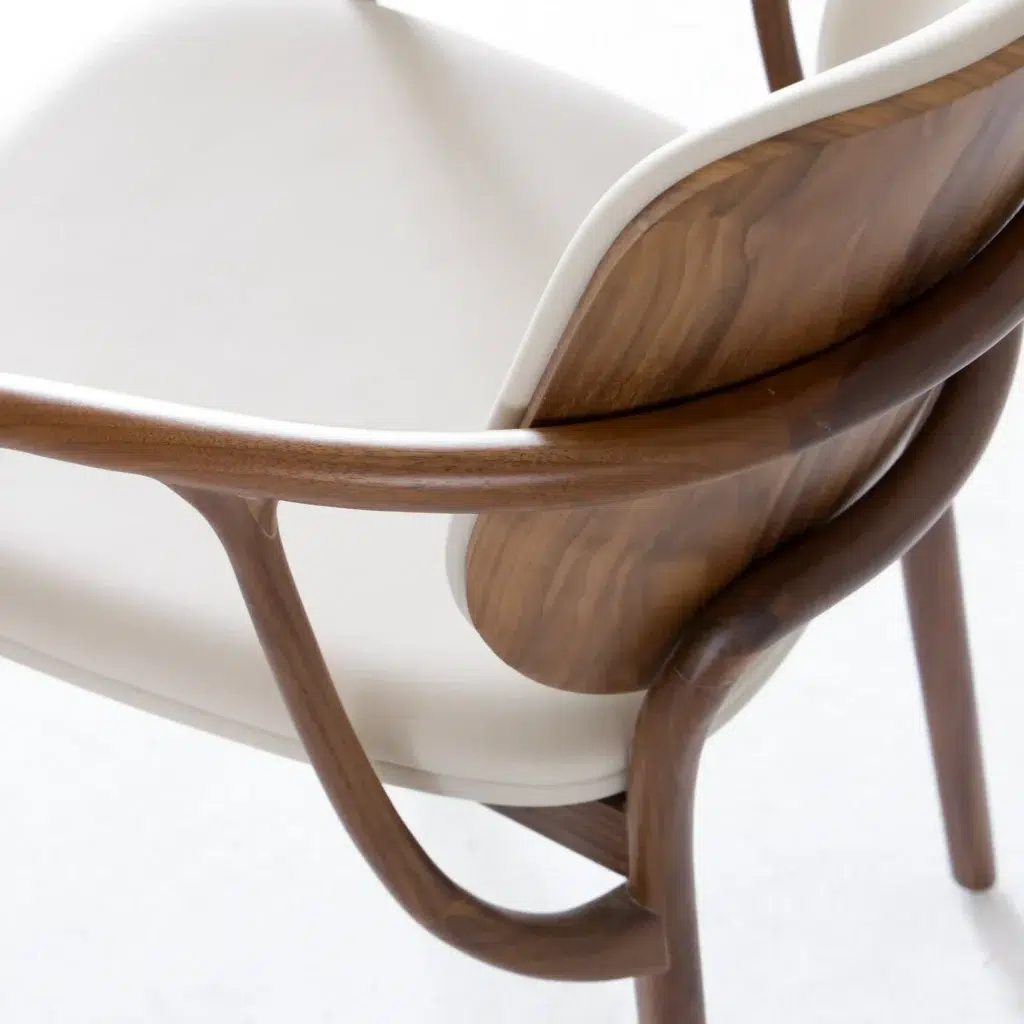
Walnut also has a visual softness that distinguishes it from some other dark timbers. The grain often appears flowing rather than heavily textured, creating an elegant surface without looking overly formal. This is one reason walnut became closely associated with mid-century furniture. Designers working during the twentieth century often used walnut to emphasise curved forms, tapered legs and clean silhouettes.
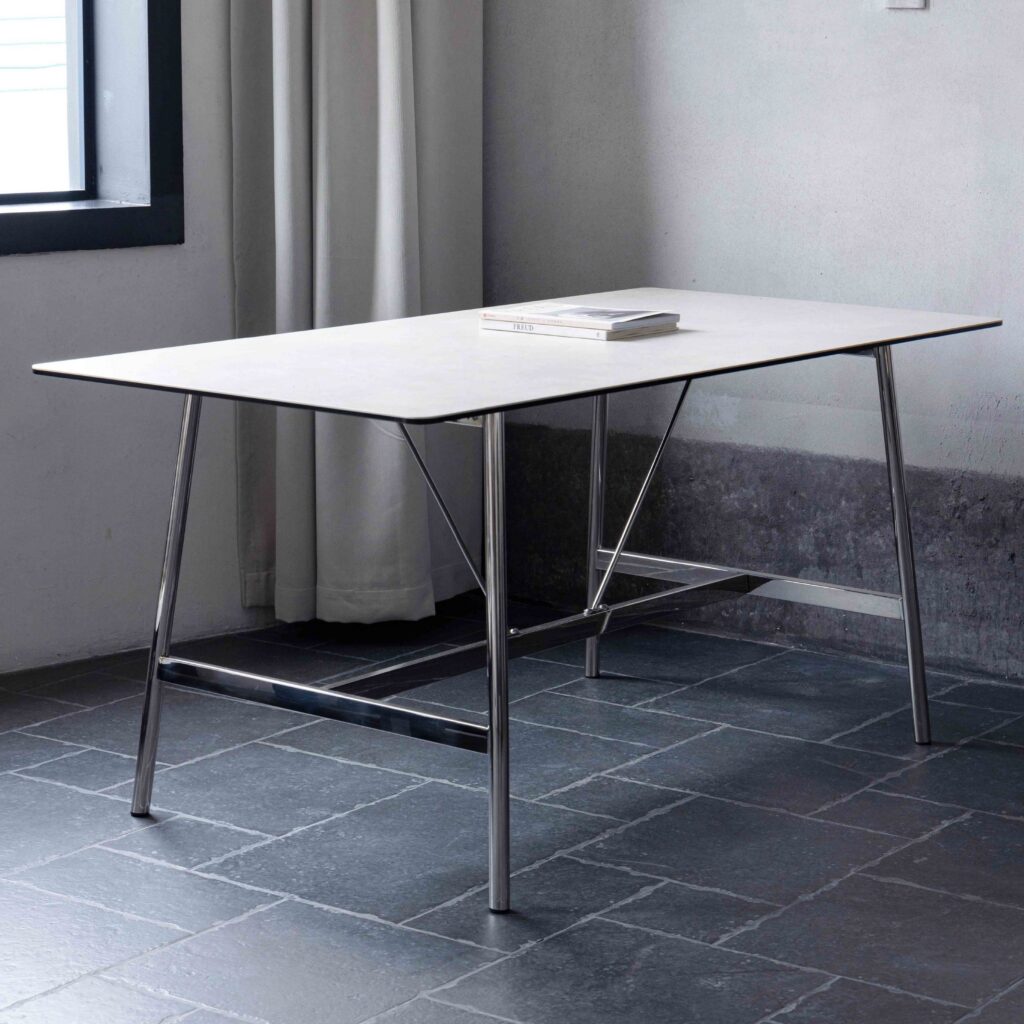
Yet walnut works equally well in contemporary interiors. Against stainless steel, glass, limestone or polished concrete, its warmth can prevent a room from feeling too clinical. Walnut furniture works particularly well in:
The important distinction is that walnut rarely disappears into a room. Even relatively simple walnut furniture tends to retain a noticeable material presence.
Colour and Light
One of the most useful ways to approach oak vs walnut furniture is to consider the amount of natural light in your space.
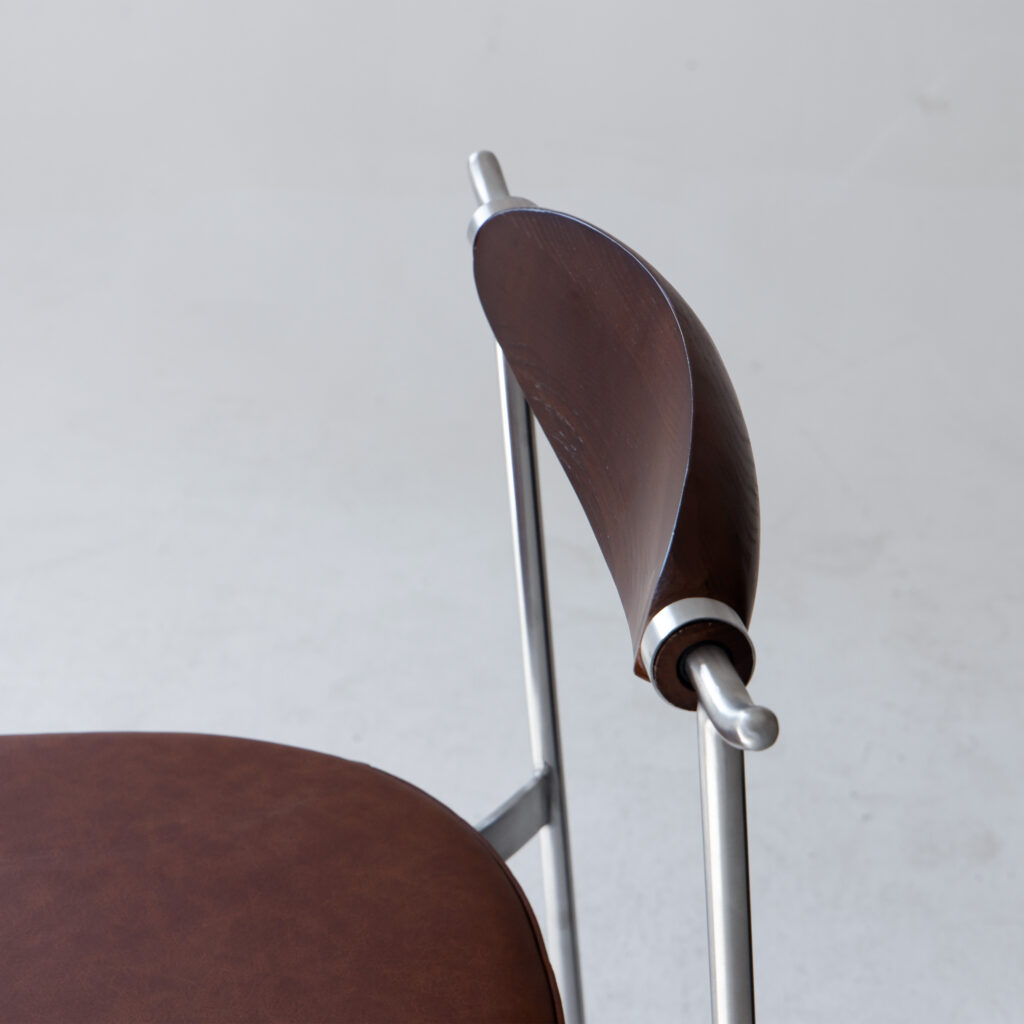
Light oak can make a room feel brighter because its surface reflects more available light. Consequently, it often works well in apartments, compact dining areas and rooms with limited windows. Walnut absorbs more light visually. This does not necessarily make a room feel smaller, but it can make the atmosphere feel more enclosed and intimate.
In a bright, north-facing Australian home, this contrast can be especially effective. Strong daylight gives walnut enough illumination to reveal its grain while maintaining its depth of colour. Conversely, a darker room filled exclusively with dark timber can sometimes feel visually heavy. In these spaces, walnut is often most effective when balanced with lighter upholstery, walls or flooring.
The timber does not exist in isolation. Its surroundings determine how we perceive it.
Grain and Visual Texture
Colour attracts the eye first, but grain often determines how furniture feels over time.
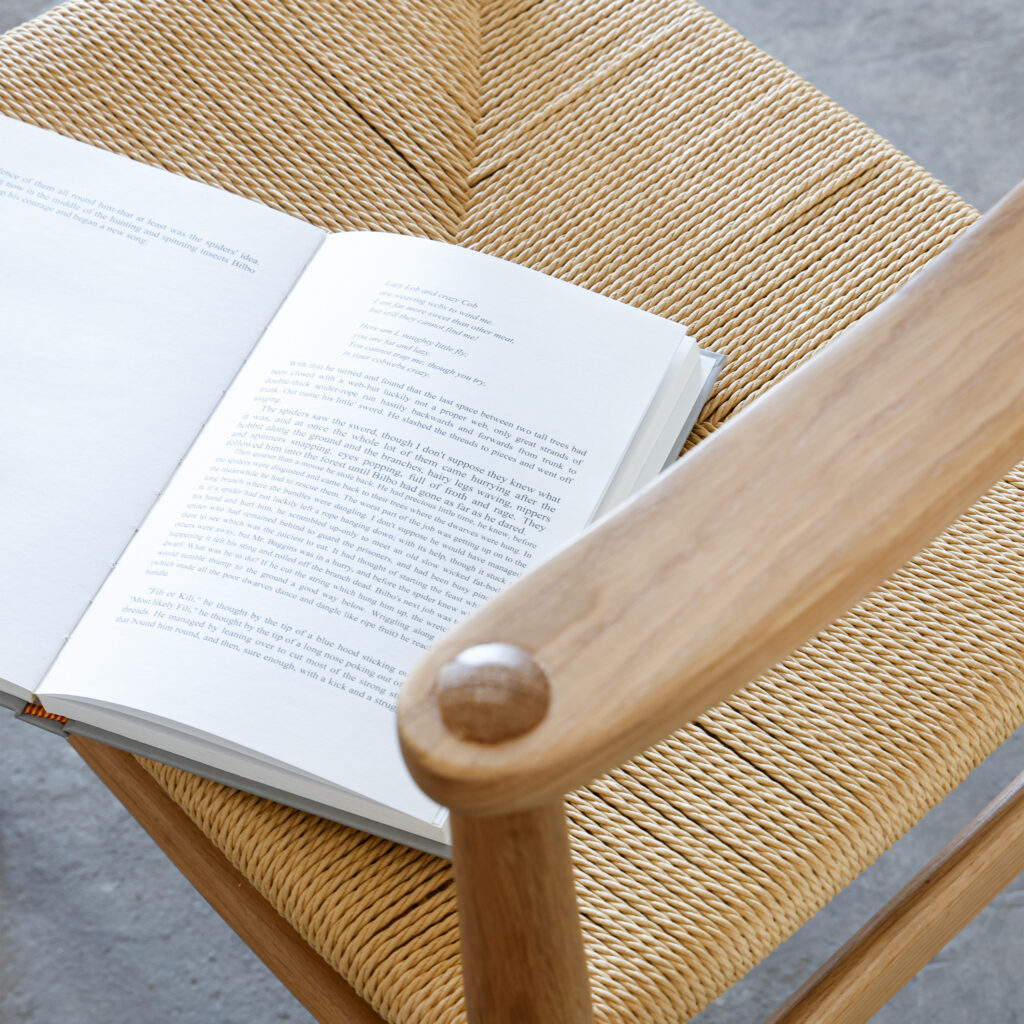
As aforementioned, oak typically has a stronger, more obvious grain pattern. On a large dining table, this creates considerable movement across the surface. Even a simple rectangular table can therefore feel visually complex.
Walnut often has a quieter grain, although the timber can produce beautiful waves and tonal variation. Instead of texture being the dominant feature, the overall richness of the material tends to take precedence.
If your interior already contains many textures (such as boucle, heavily veined marble, patterned rugs or textured walls), walnut can provide a calmer visual counterpoint. If the room is deliberately restrained, oak can introduce texture without introducing another colour.
Which Timber Works Better With Other Materials?
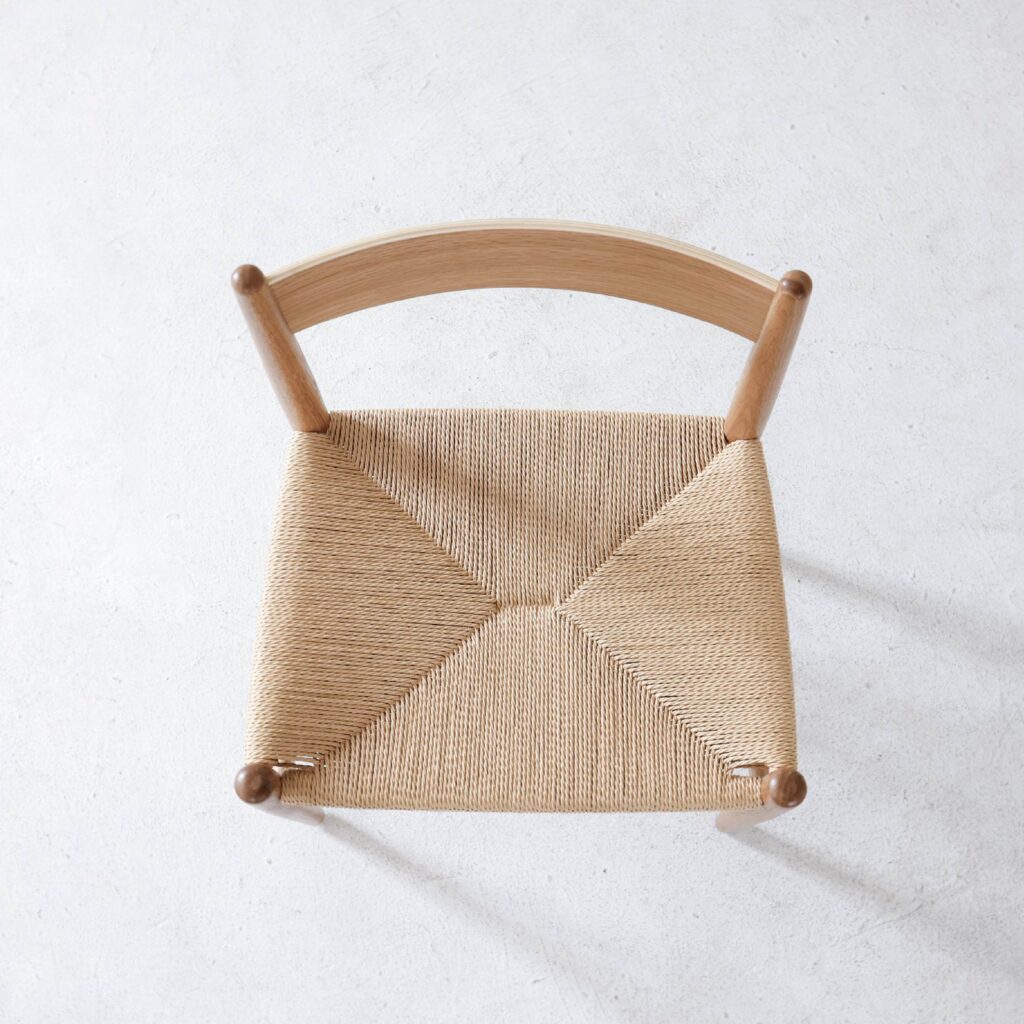
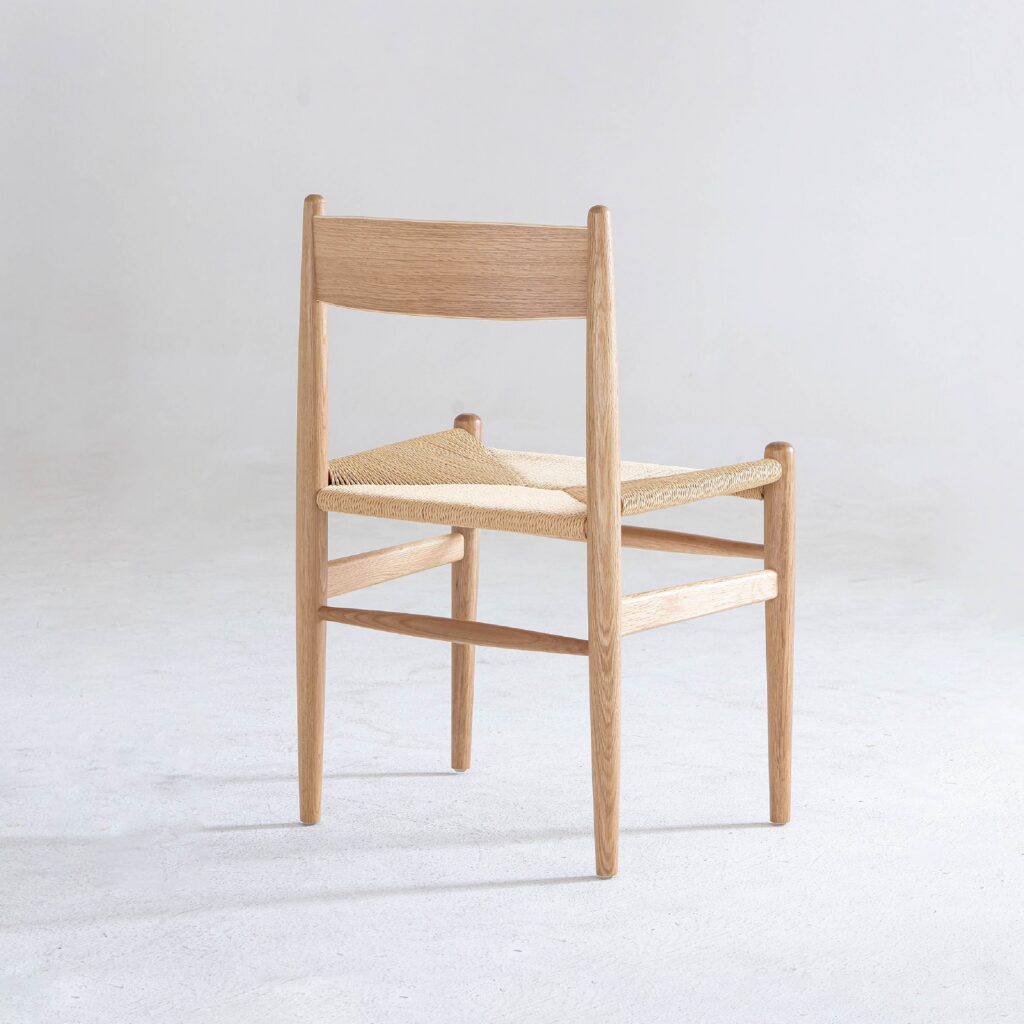
Furniture becomes more interesting when materials are allowed to contrast. Oak pairs naturally with linen, wool, travertine, rattan and other tactile materials. These combinations tend to reinforce its relaxed and organic qualities.
For example, an oak dining table surrounded by upholstered dining chairs creates warmth without becoming visually heavy. Adding metal details can sharpen the composition if the room begins to feel too soft.
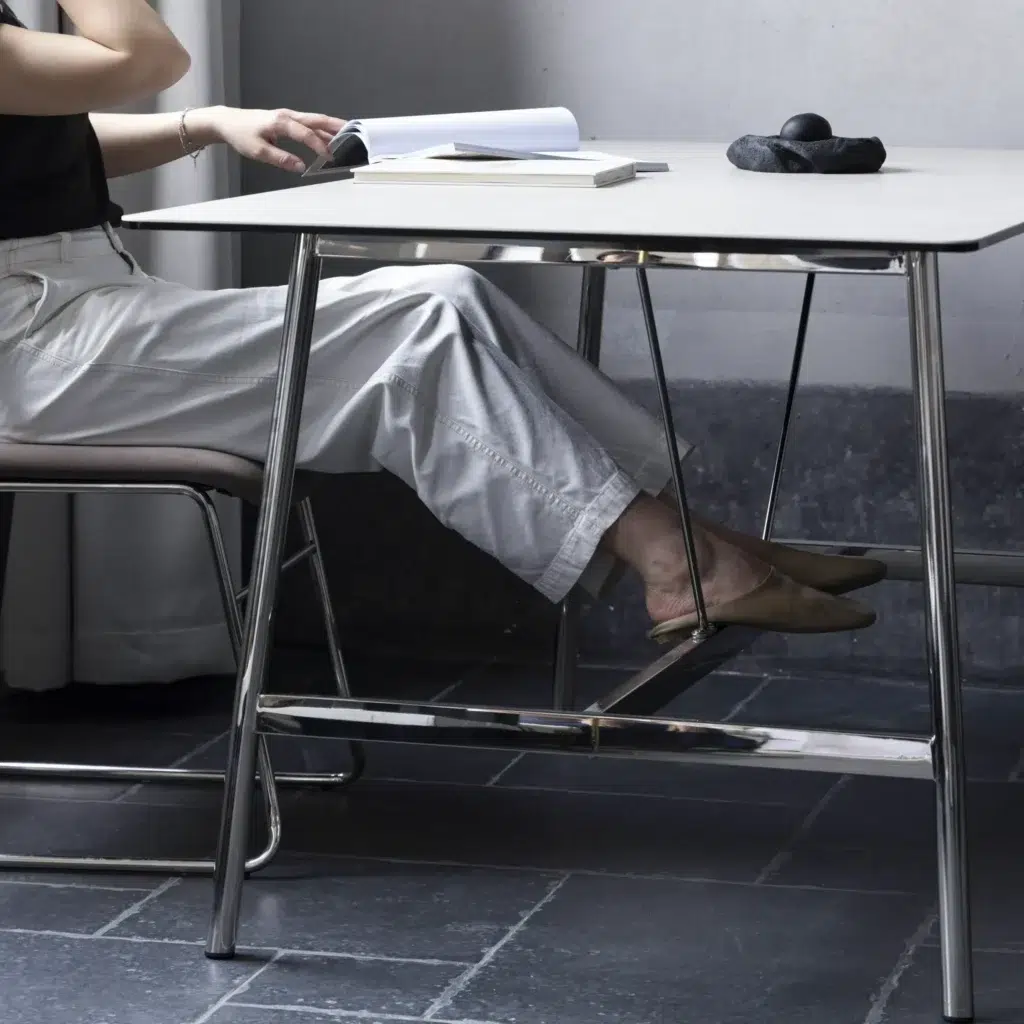
Walnut works particularly well with stone, stainless steel, leather, glass and polished finishes. The contrast is part of the appeal. A dark walnut surface beside pale stone allows each material to become more visible.
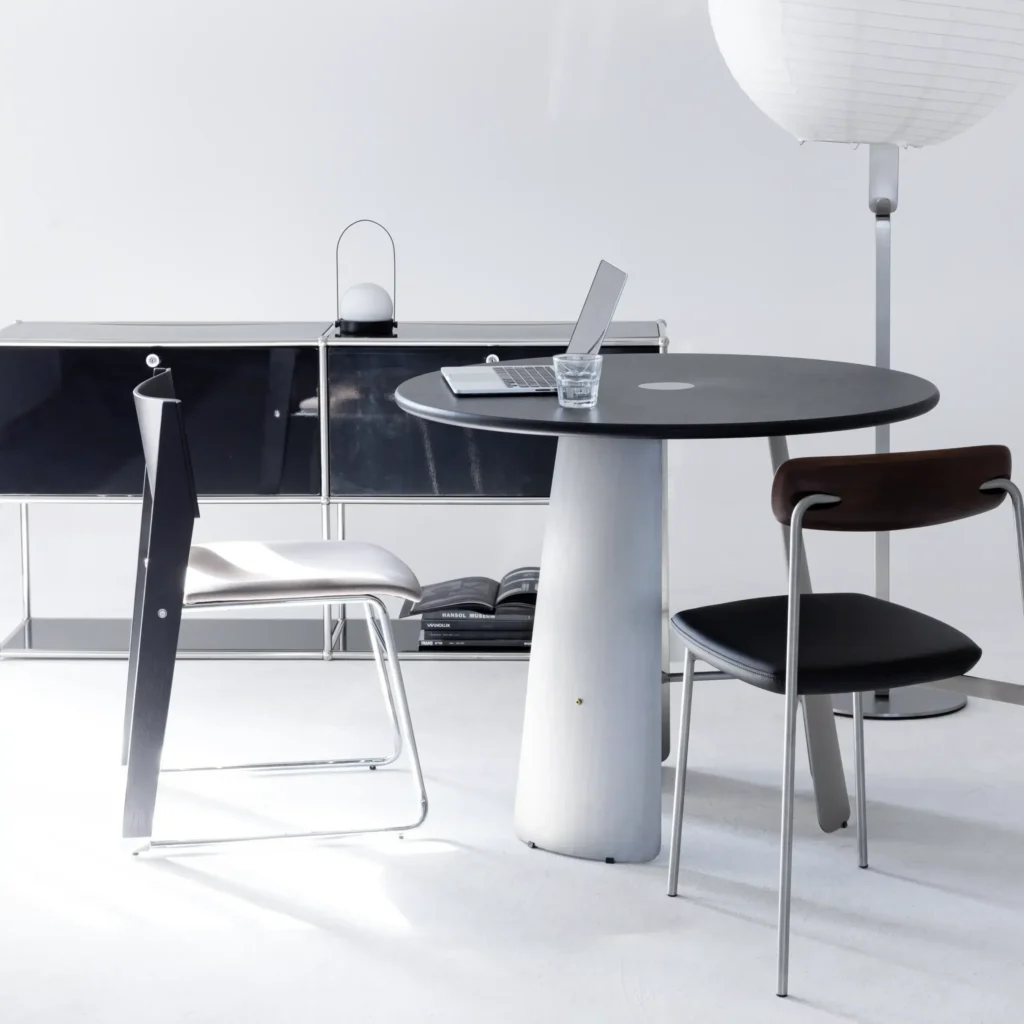
Interestingly, both timbers can work with black furniture. Black accents tend to give oak greater definition, while they can make walnut appear richer and more dramatic.
Oak or Walnut for a Dining Table?
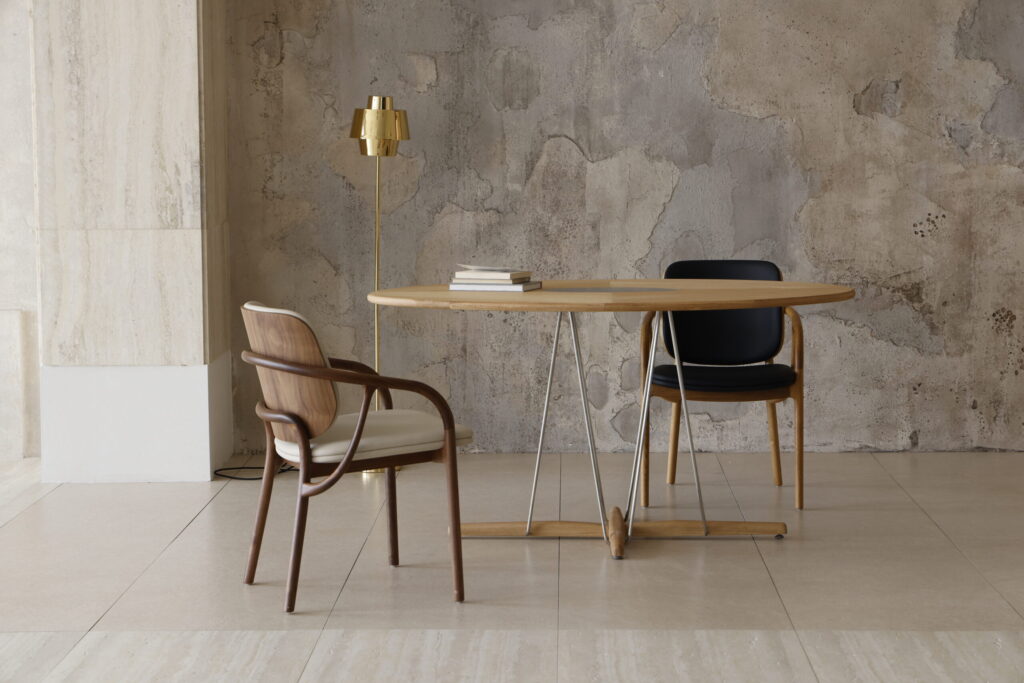
Dining tables provide perhaps the clearest example of how timber choice can alter a room. Because a dining table occupies a large horizontal area, its colour carries considerable visual weight.
An oak dining table generally feels lighter and more informal. It can anchor a space without dominating it, which makes oak particularly versatile in open-plan homes.
A walnut dining table creates a stronger centre of gravity. Against pale flooring or walls, the darker surface immediately establishes the dining zone.
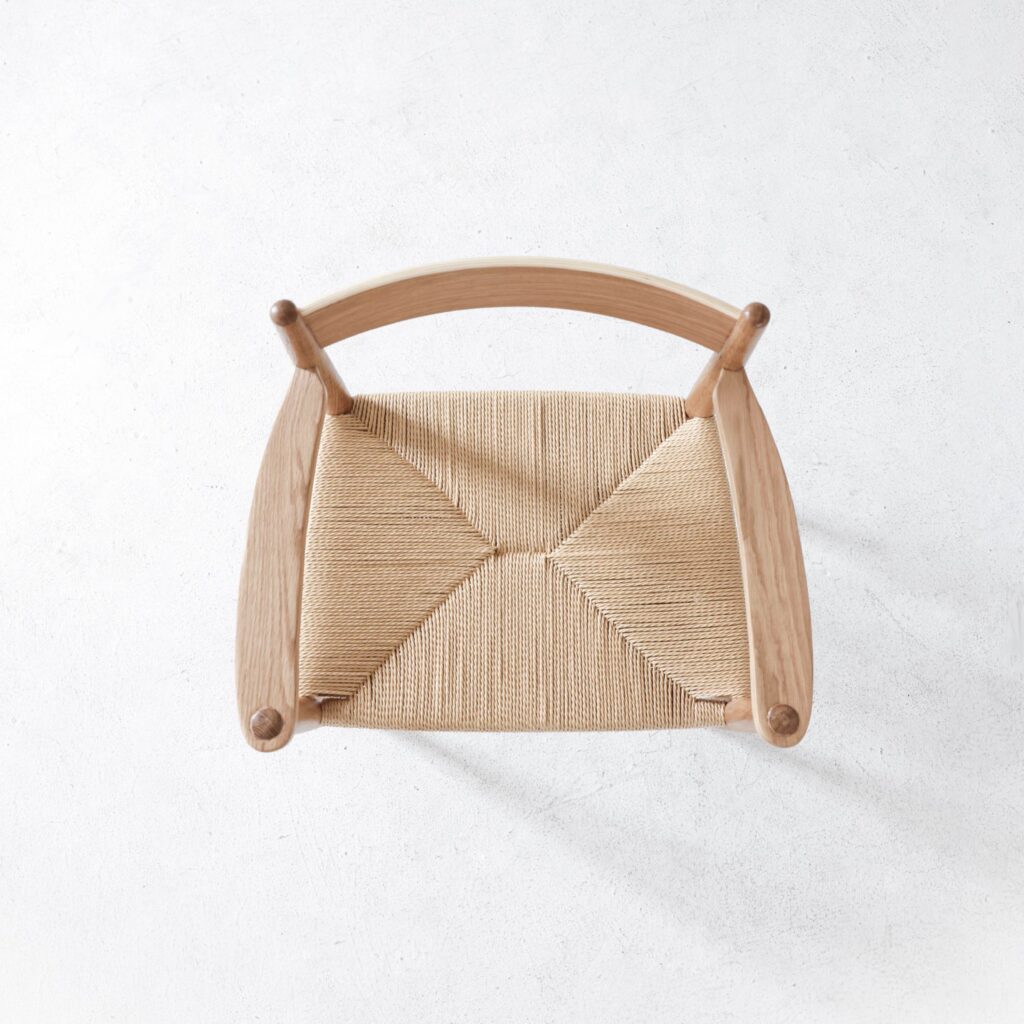
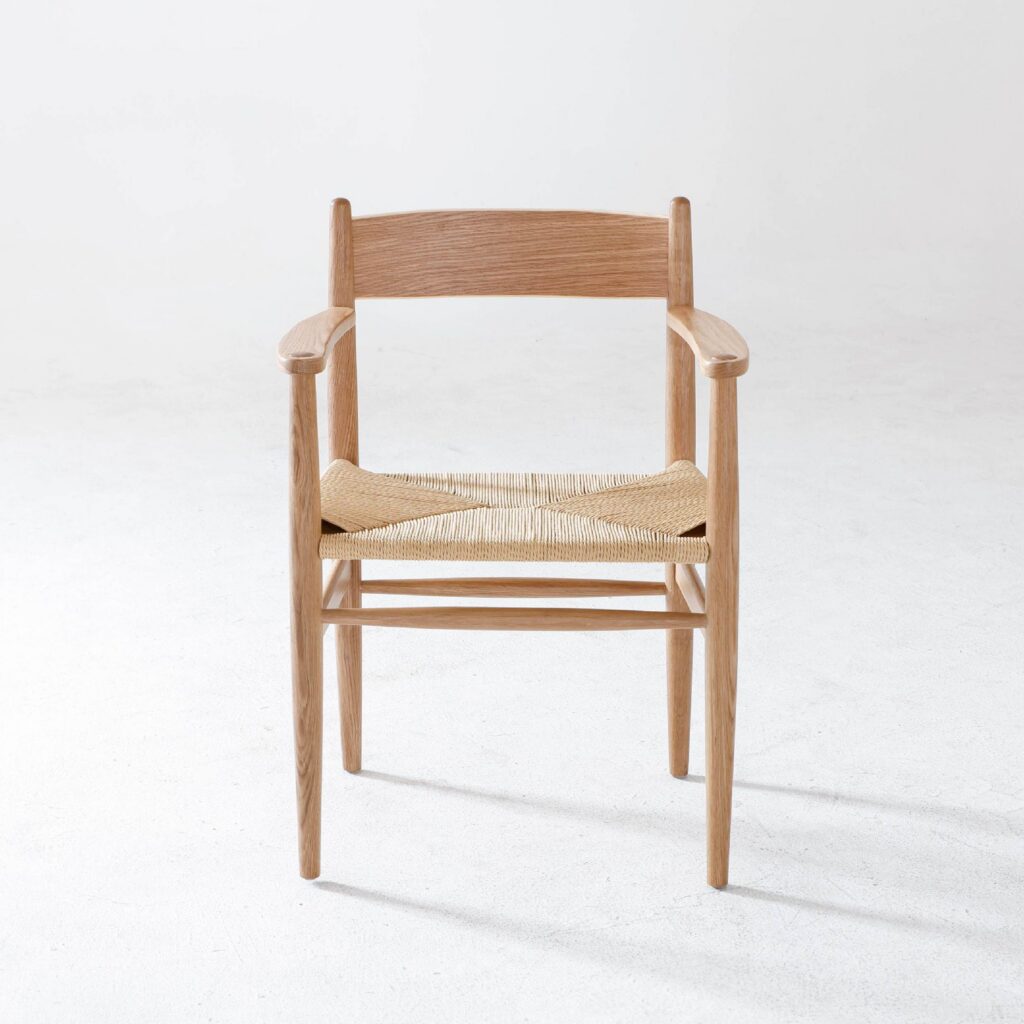
Consider the surrounding dining chairs as well. Matching timber can create a cohesive result, but exact matching is not always necessary. In fact, interiors often feel more considered when materials relate without being identical.
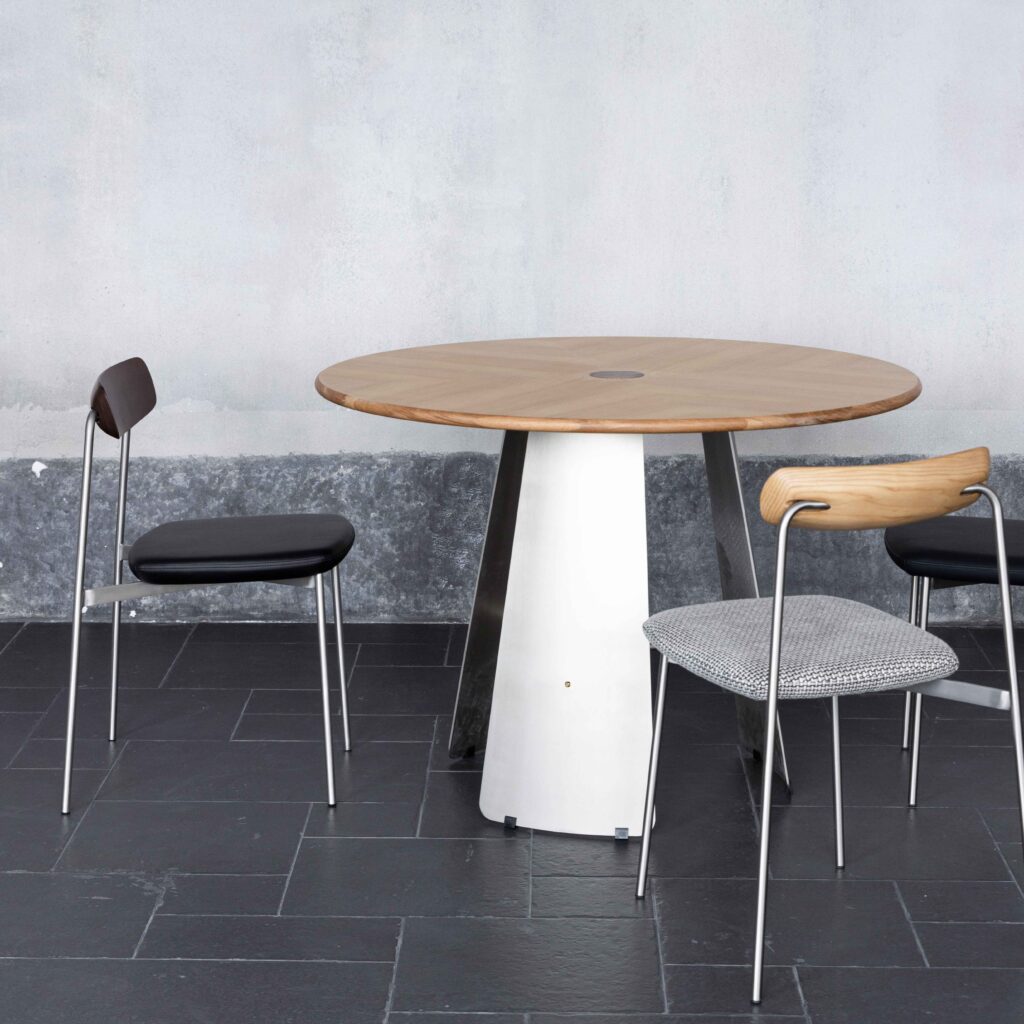
Oak tables can work beautifully with black, upholstered, rattan or even walnut-toned chairs. Likewise, walnut tables can be softened with cream upholstery or lighter timber seating. Good interiors depend more on balance than perfect coordination.
Durability and Everyday Use
Both oak and walnut are hardwoods suitable for high-quality furniture. However, the way furniture performs over time depends on more than timber species alone. Construction, finish, joinery and everyday care all affect longevity.
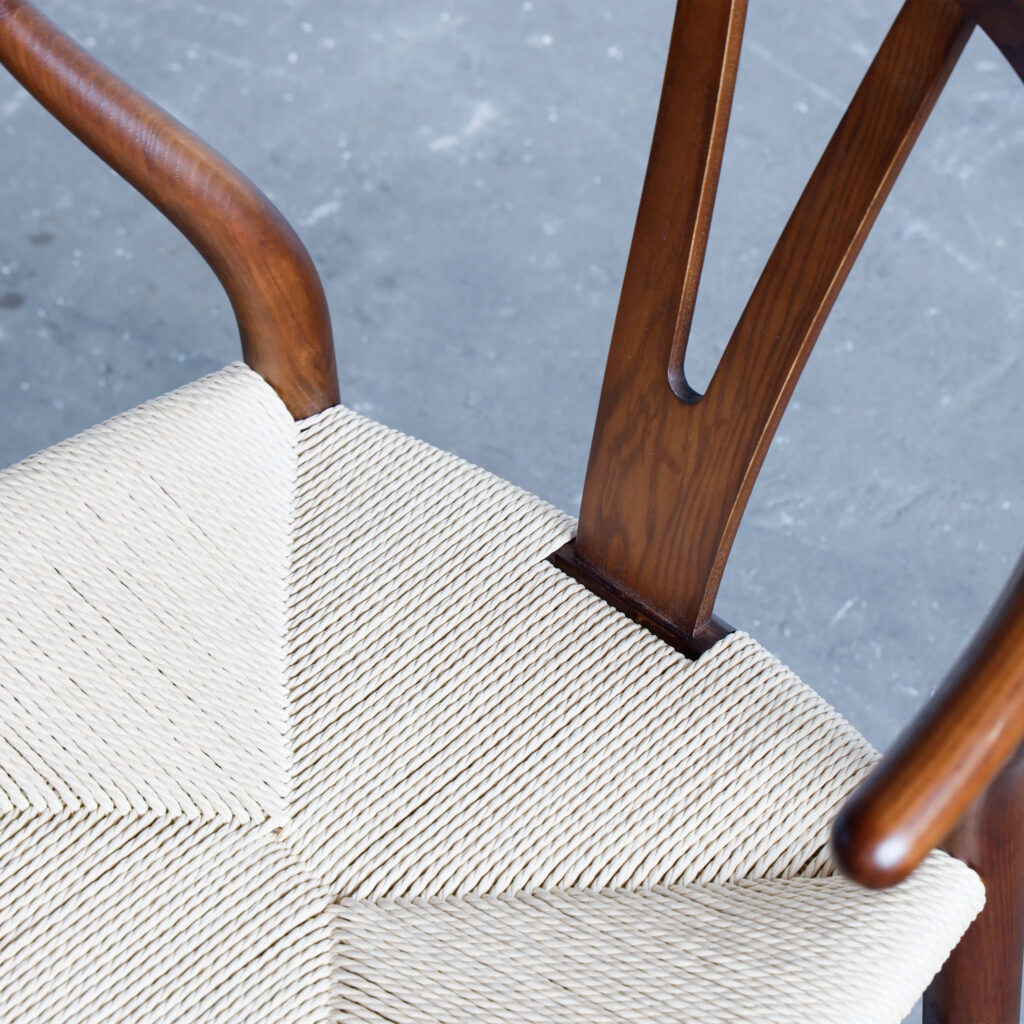
Oak is widely valued for its hardness and resistance to everyday wear. Its pronounced grain can also make minor marks less visually obvious. Walnut is durable but generally softer than oak. As a result, a walnut surface may develop small marks more readily under heavy use. That is not necessarily a disadvantage.
Natural timber furniture changes as it is used. Small variations, tonal changes and surface marks can become part of its patina rather than signs that the furniture has failed.
For households that prefer surfaces to remain as pristine as possible, however, using placemats, coasters and appropriate cleaning methods remains worthwhile regardless of timber choice.
What About Timber Colour Changing Over Time?
Natural timber is not completely static. Exposure to light and air can gradually alter its colour. Oak may develop warmer or more golden tones, whilst walnut can soften and lighten over time. This ageing process is one reason photographs should never be treated as an exact prediction of how timber will look indefinitely.
Variations between individual boards are also normal. Grain direction, colour and pattern depend on the tree from which the timber originated. For mass-produced synthetic surfaces, consistency is often considered a virtue. For solid timber furniture, variation is part of the material itself.
The imperfections are, quite literally, evidence of authenticity.
Is Oak More Versatile Than Walnut?
Probably, but versatility is not always the goal.
Oak’s neutral colouring allows it to move relatively easily between different interior styles. If you frequently change rugs, artwork or upholstery, oak furniture can provide a stable foundation.
Walnut requires slightly more consideration because its colour contributes more strongly to the overall palette. However, that limitation can also be its advantage.
Rooms often become memorable because something within them has been allowed to possess character. A walnut sideboard or dining table can establish that character before any decorative object is added. Therefore, the question is whether you want your timber furniture to support the room or help define it.
Can You Mix Oak and Walnut Furniture?
Yes.
The idea that every timber finish in a room needs to match is unnecessarily restrictive. Natural environments rarely contain a single shade of brown, and interiors do not need to either.
The key is repetition.
If walnut appears once in an otherwise pale oak room, it can look accidental. If a similar dark tone appears again in a lamp, frame, chair or architectural detail, the contrast begins to feel intentional. The same principle applies to different timber grains.
Rather than searching for identical finishes, consider the broader relationship between warm and cool tones, light and dark surfaces, and fine and pronounced textures. A room can contain variation while still feeling coherent.
Oak vs Walnut Furniture: Which Should You Choose?
Choose oak if you want your furniture to feel light, natural and highly adaptable. It is especially effective in neutral interiors and spaces where texture matters more than strong colour contrast.
Choose walnut if you want greater depth, warmth and visual definition. It works particularly well when furniture itself is intended to become part of the room’s visual identity.
Ultimately, oak vs walnut furniture is less about deciding which timber is objectively better and more about deciding what you want the room to communicate.