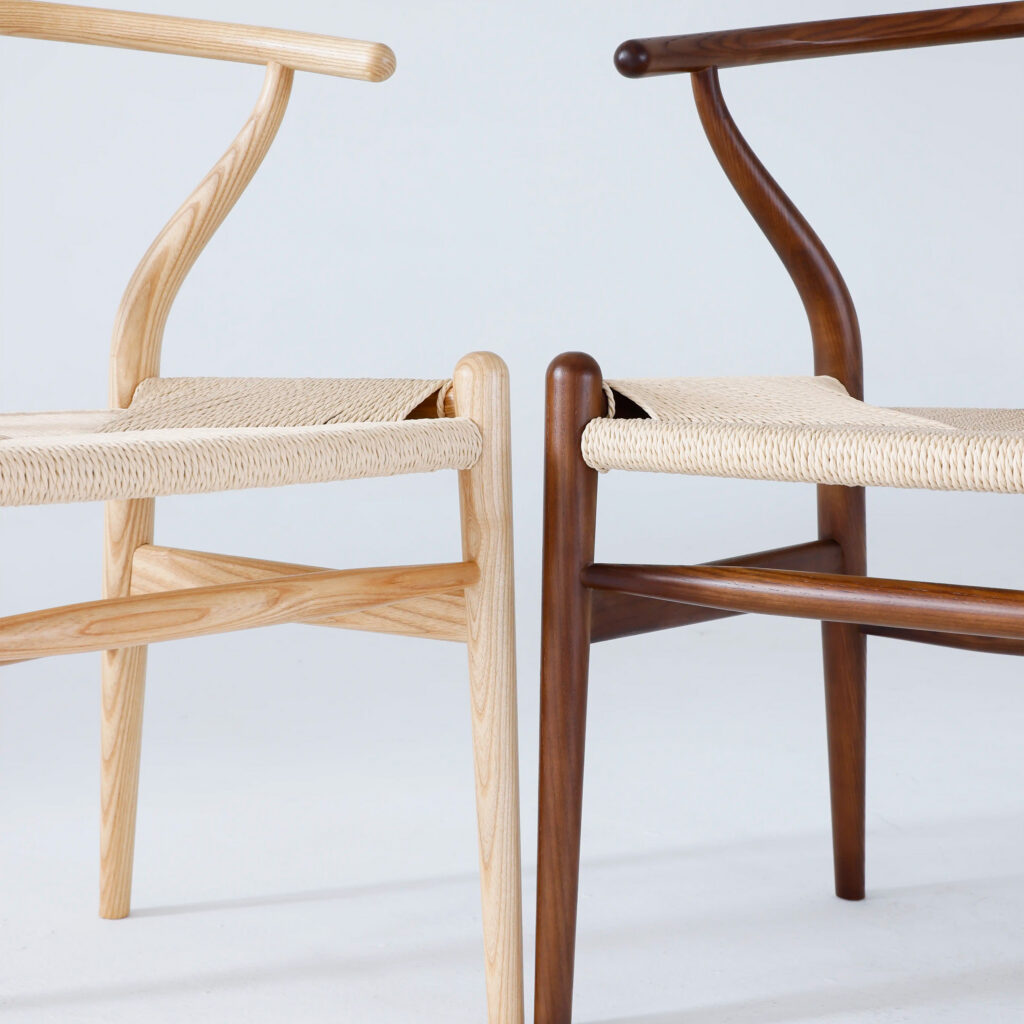
How to Choose Dining Furniture for a Home With Kids
Estimated reading time: 9 minutes
A dining table rarely remains just a place to eat once children enter the picture. By mid-afternoon, it may be covered in homework; an hour later, someone is rolling dough across the same surface.
Choosing dining furniture for a home with kids means considering these ordinary moments before making a purchase. How easily can food be removed from a chair? Where will a highchair fit? What happens when a spill isn’t wiped up straight away?
Appearance still matters. You will live with this furniture long after the youngest member of the household stops spilling breakfast. The aim is to choose pieces whose design suits both your home and the work they will be asked to do.
Start With the Demands of Your Household
“Family-friendly” is a useful description only when it explains something specific.
For a household with toddlers, accessible surfaces and space around a highchair may take priority. Older children introduce different demands, particularly when the dining table becomes a regular study area.
Before comparing dining tables, observe how your current space functions over several days. Notice where food collects and which seats are difficult to clean. If someone repeatedly squeezes behind a chair to reach the kitchen, record that too.
These observations turn a broad shopping brief into practical requirements. A surface that accommodates your cleaning routine, for example, may be more valuable than an extra place setting used twice a year.
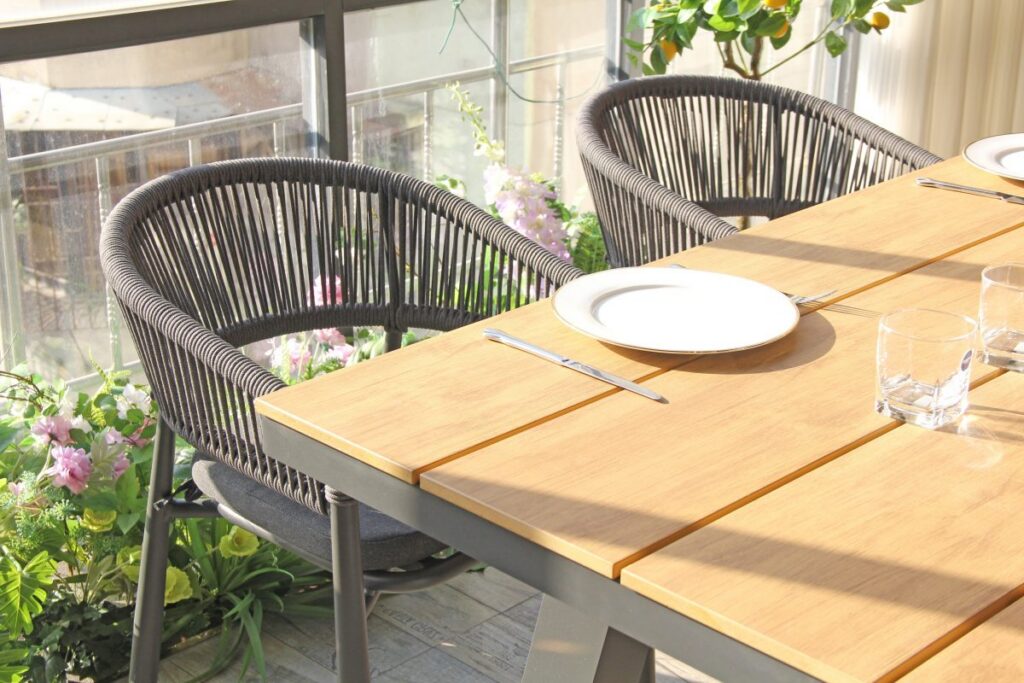
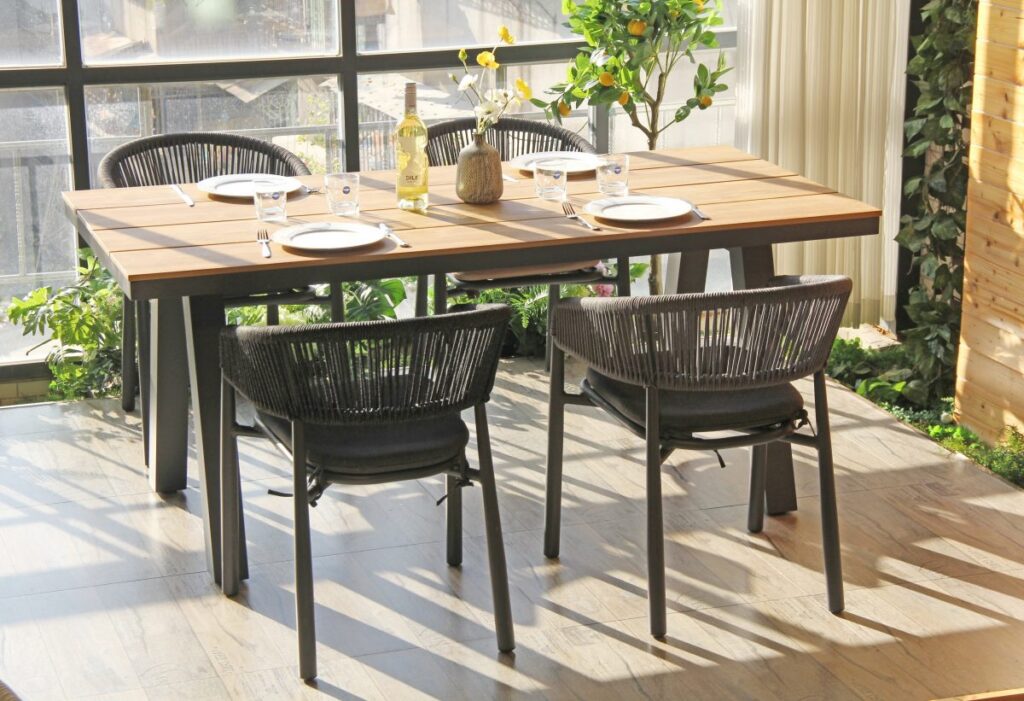
Judge the Table Finish, Not Just the Material
It is tempting to ask which material makes the best family dining table. The more revealing question is how a particular surface has been finished.
Two timber tables can respond differently to the same spill because their protective coatings differ. “Solid timber” describes the underlying material; it does not establish resistance to staining or heat.
Ask the retailer what the finish is and how it should be maintained. Find out whether it needs periodic treatment, and whether local damage can be repaired without refinishing the entire top.
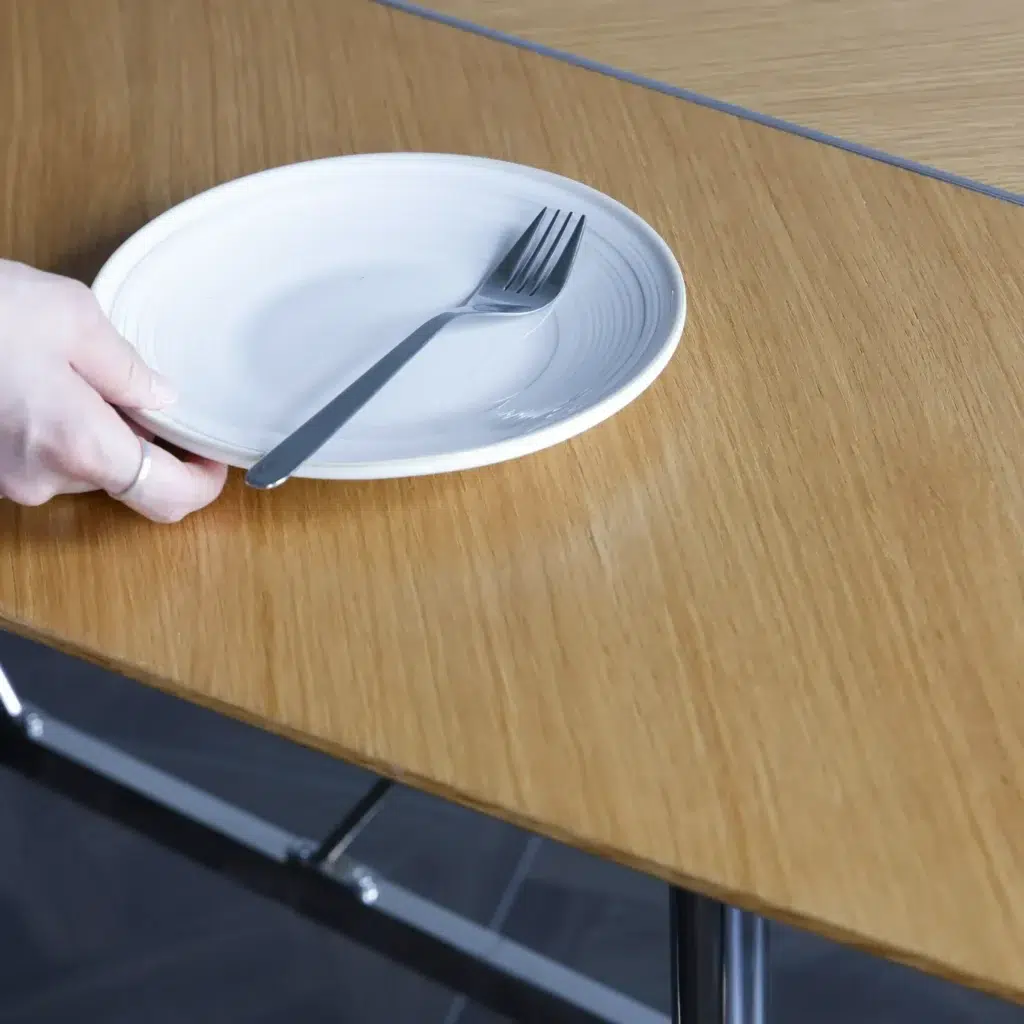
Repair-ability deserves attention. Some solid timber surfaces can be restored, although the existing coating and construction determine what is possible. Veneered furniture may also offer a durable everyday surface, but its thinner timber layer can limit sanding. Our Guide to Wood Types for Furniture explains the material differences behind these descriptions.
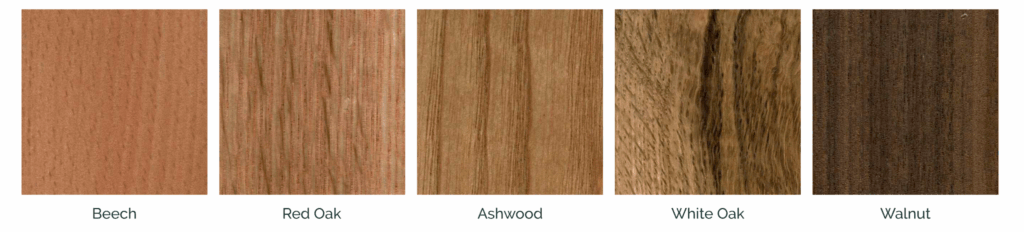
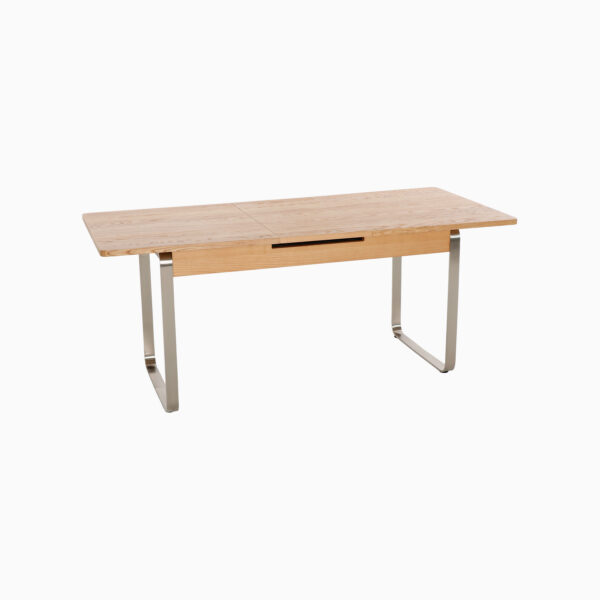
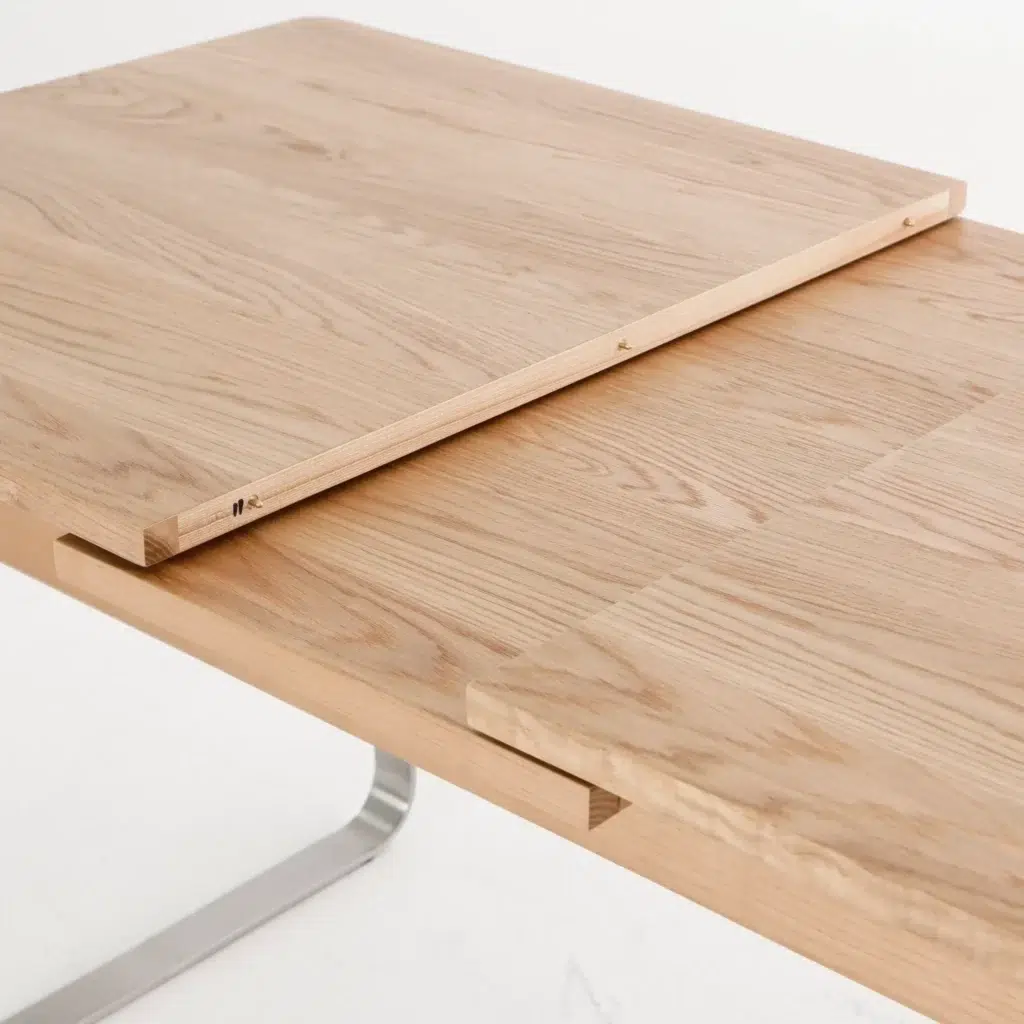
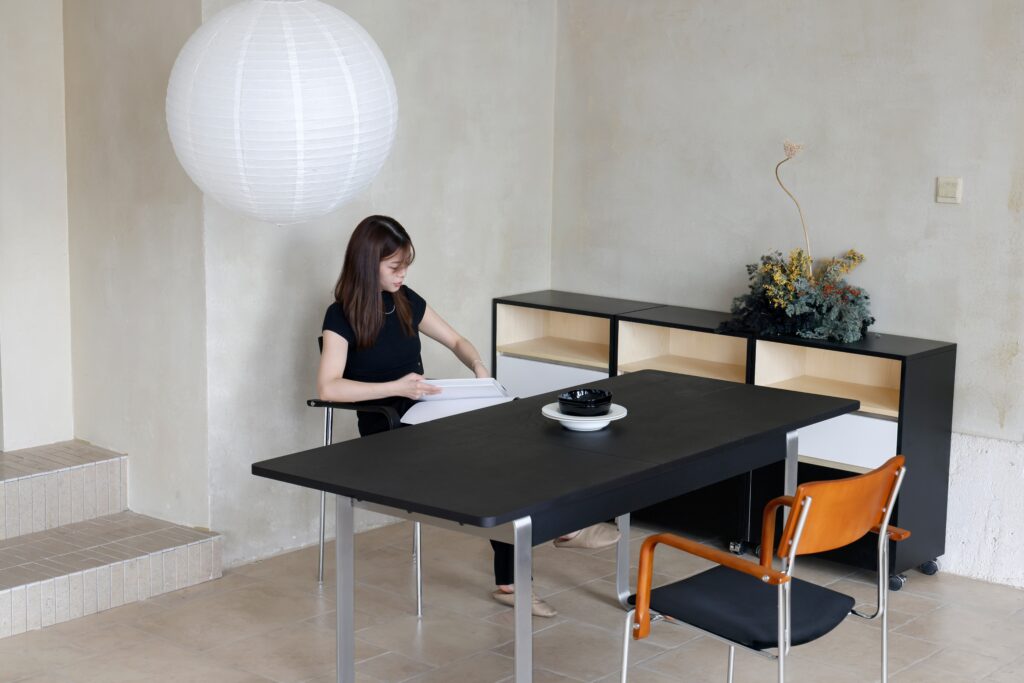
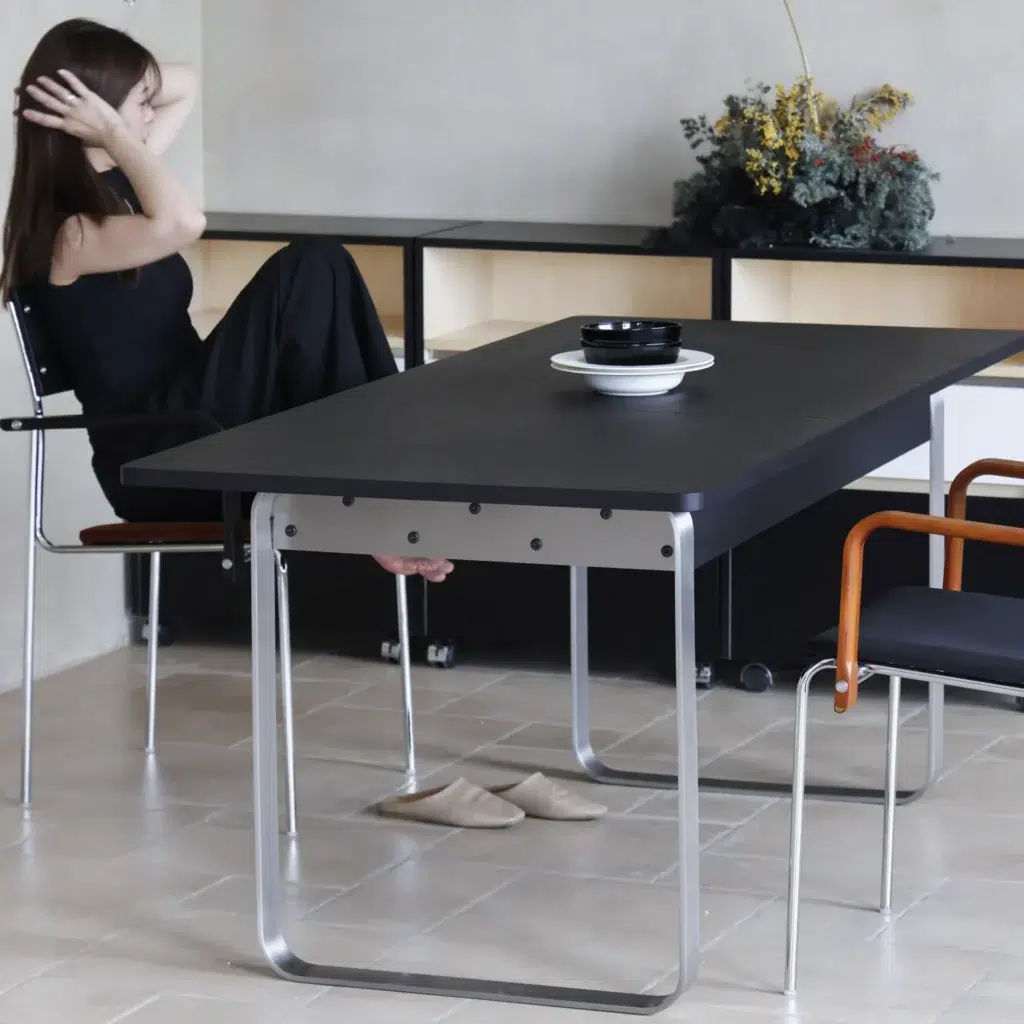
For a practical example of layered construction, the BAUHAUS Extendable Dining Table combines a white oak veneer with a finger-jointed rubberwood substrate. Understanding that construction helps you ask appropriate care questions rather than making assumptions from the tabletop’s appearance. At benssur, we clearly communicate how our furniture is constructed to help you make an informed decision.
Ask to See the Surface Up Close
A photograph taken across a room can conceal details that become obvious during use.
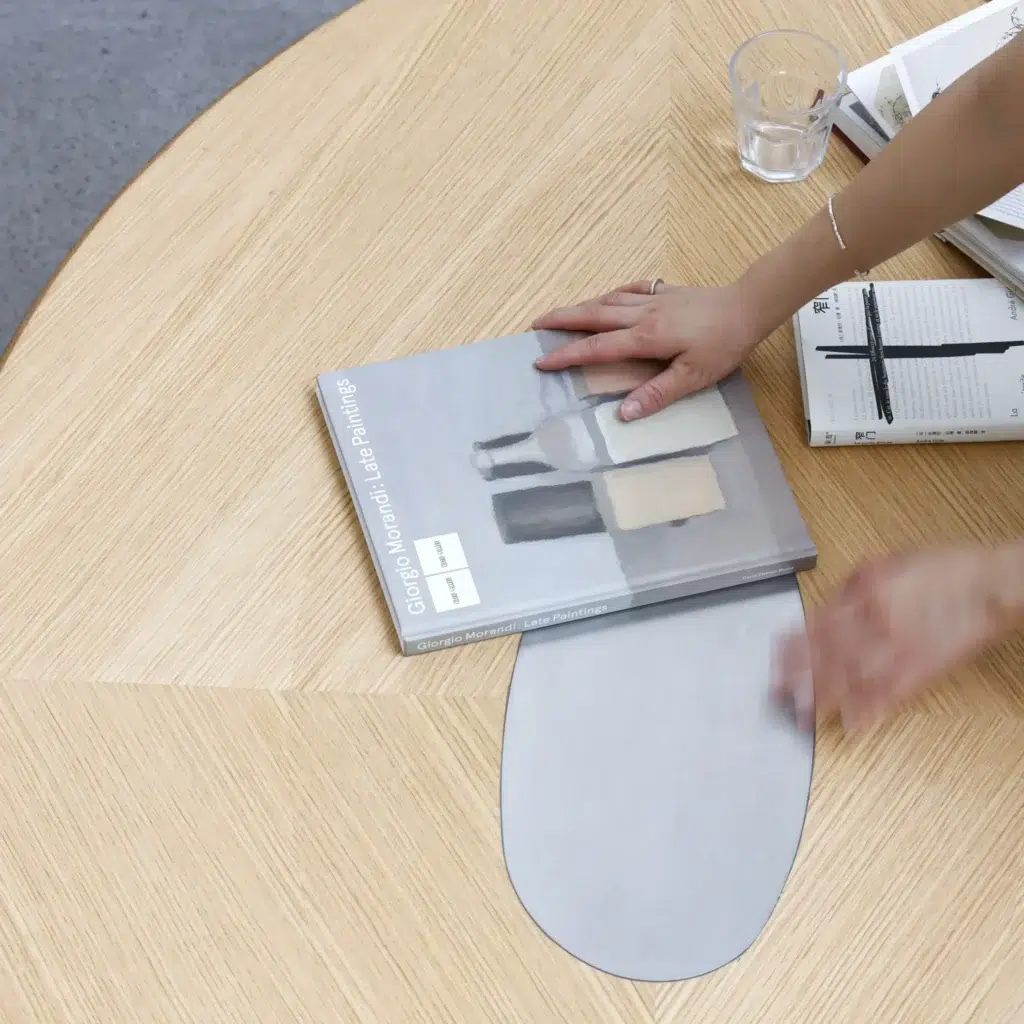
Look closely at the junction between the tabletop and its edge. Inspect grooves or recessed details where crumbs might gather. Run your hand gently across a sample, if available, to understand its texture.
Colour also influences how wear appears. A very dark, uniform surface may make pale crumbs conspicuous; a highly consistent finish may reveal small marks more readily than a varied grain. These are visual considerations rather than measures of strength.
The useful distinction is between damage a surface resists and wear you are comfortable seeing.
For our timber furniture, the care guidance recommends wiping spills promptly with a clean, damp cloth, then drying the surface. Avoid abrasive cleaners and check the instructions for the particular piece you choose.

Choose Dining Chairs You Can Realistically Maintain
A chair can be technically ‘cleanable,’ yet awkward to clean after every meal.
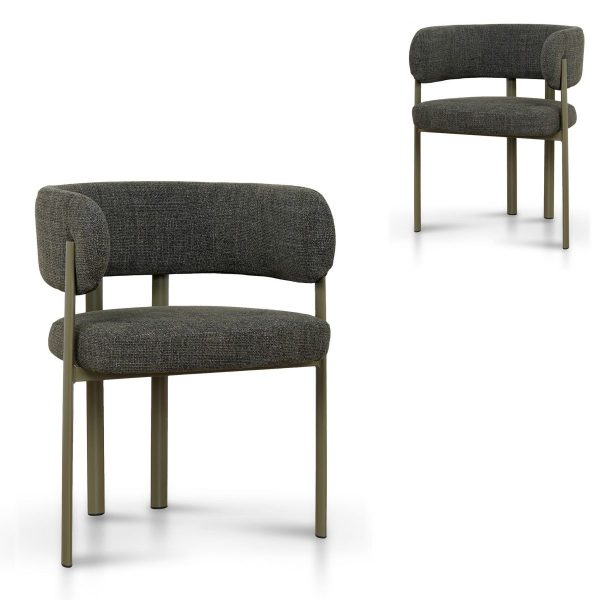
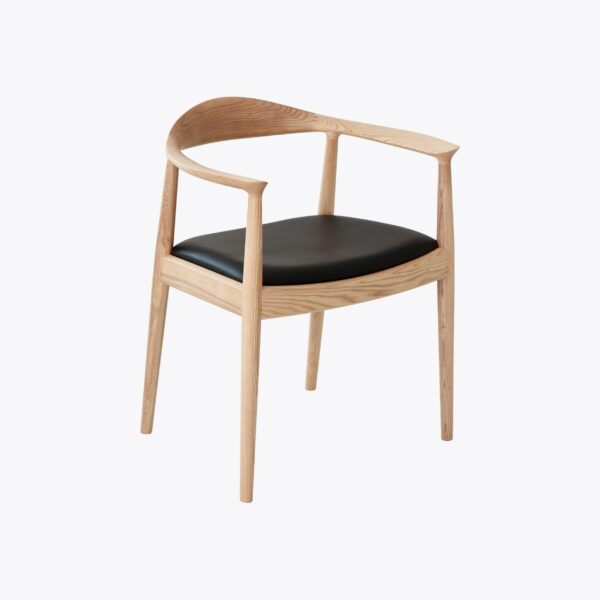
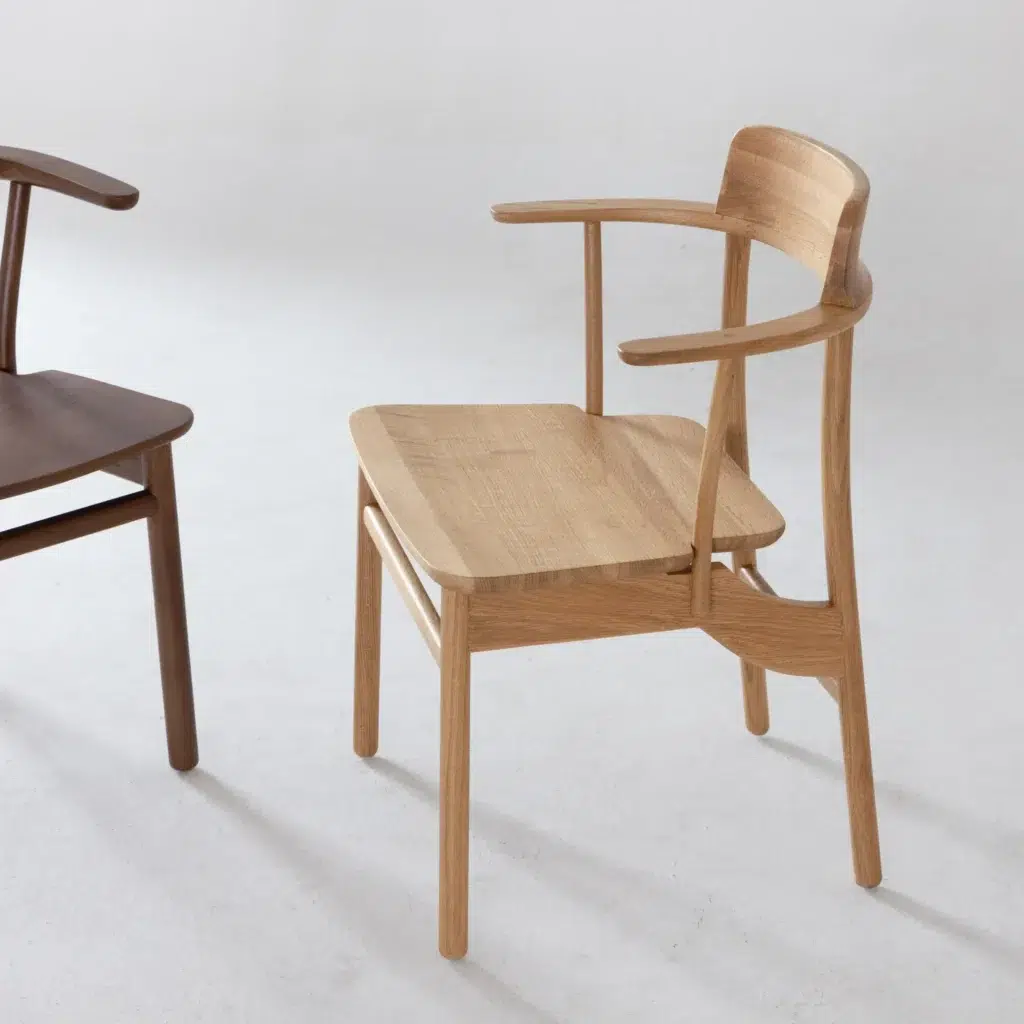
Consider the route a dropped spoonful of yoghurt would take. Would it remain on an accessible seat, or disappear into a deep seam? When comparing dining chairs, inspect the connection between the seat and backrest as closely as the upholstery itself.
For upholstered seating, ask about the specific covering. Genuine leather and microfiber leather have different care requirements, and cleaning advice should never be transferred automatically from one to the other. Our Guide to Microfiber Leather provides further background on this material.
Our care instructions advise against baby wipes and alcohol-based wipes on genuine leather. Its microfiber leather guidance allows a suitable mild detergent solution, used according to manufacturer’s directions.
That difference matters in a home where the nearest packet of wipes often becomes the default cleaning product.
Fabric remains an option, provided its maintenance suits your household. Check the approved cleaning method before purchasing. A zip does not necessarily mean a cover can be removed or machine washed.


Examine the Whole Chair
Upholstery is only part of the decision.
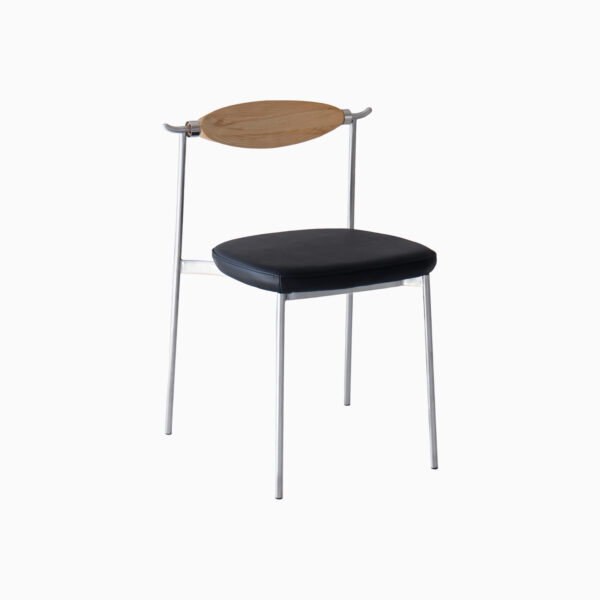
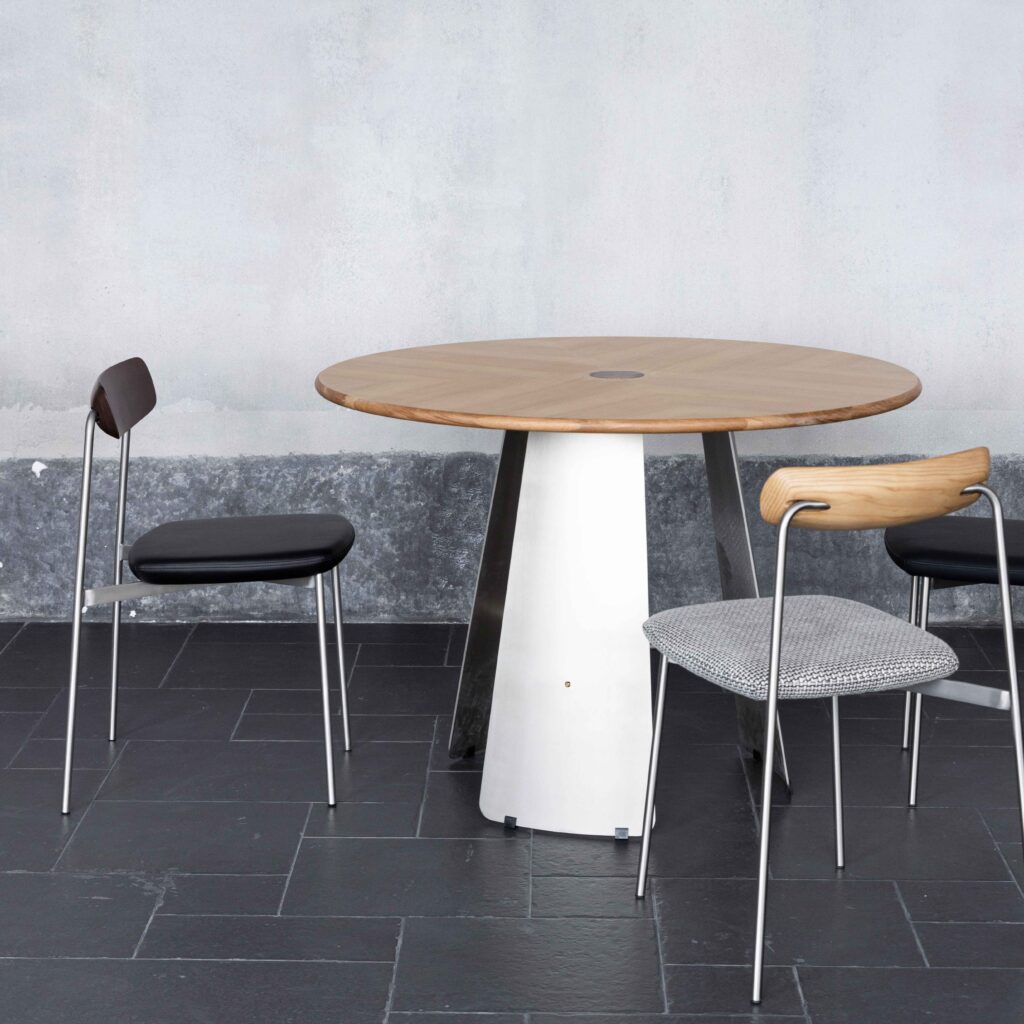
The ASTOR Dining Chair, for example, pairs a padded seat with a slim stainless steel frame and a curved backrest. Its open structure offers a different arrangement to a fully upholstered chair, making it useful to compare how easily you can reach around and beneath each seat.
Whichever design you prefer, assess the exact upholstery option you intend to order. Different coverings on the same chair can require different maintenance.
Look Beneath the Table Before Choosing Its Shape
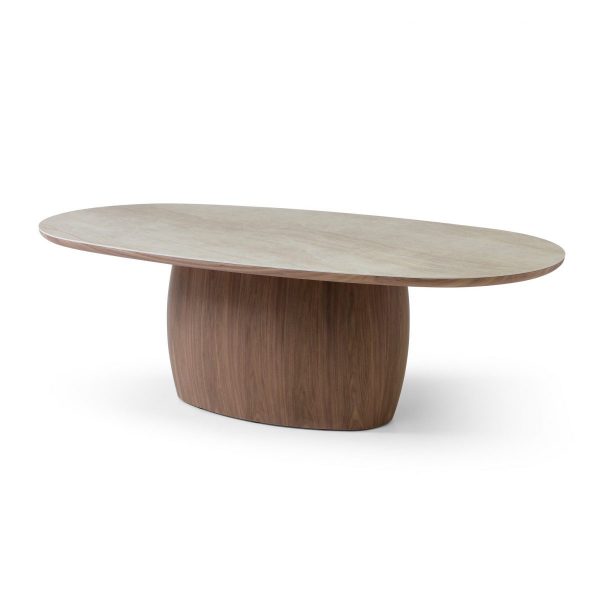
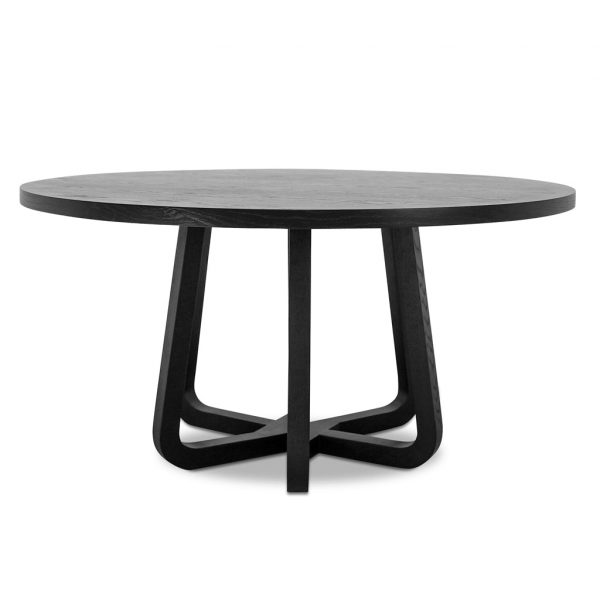
A rounded tabletop may soften the edges along a busy route, but the base determines much of what happens when everyone sits down.
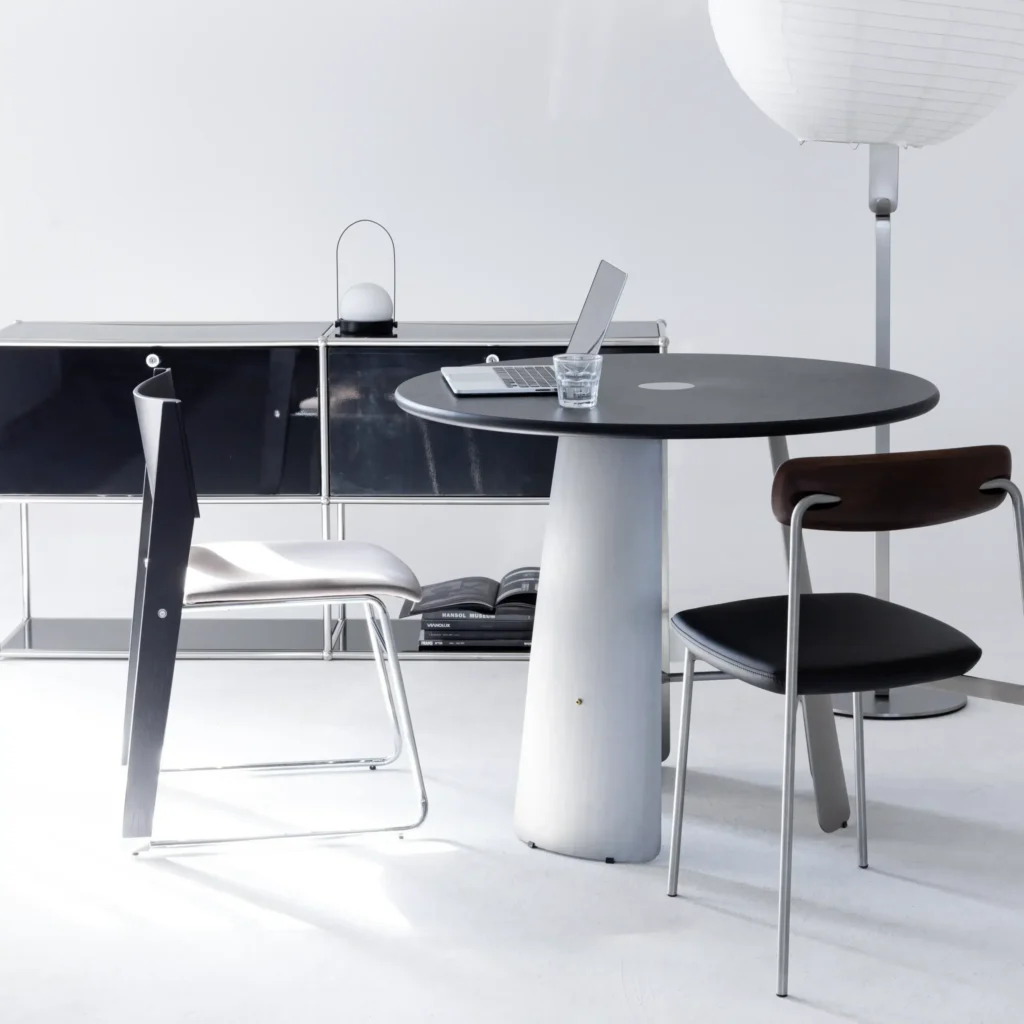
Corner legs can restrict where chairs fit. A pedestal may free up seating positions, yet a wide floor plate can occupy the space needed for feet. What looks generous from above may feel crowded underneath.
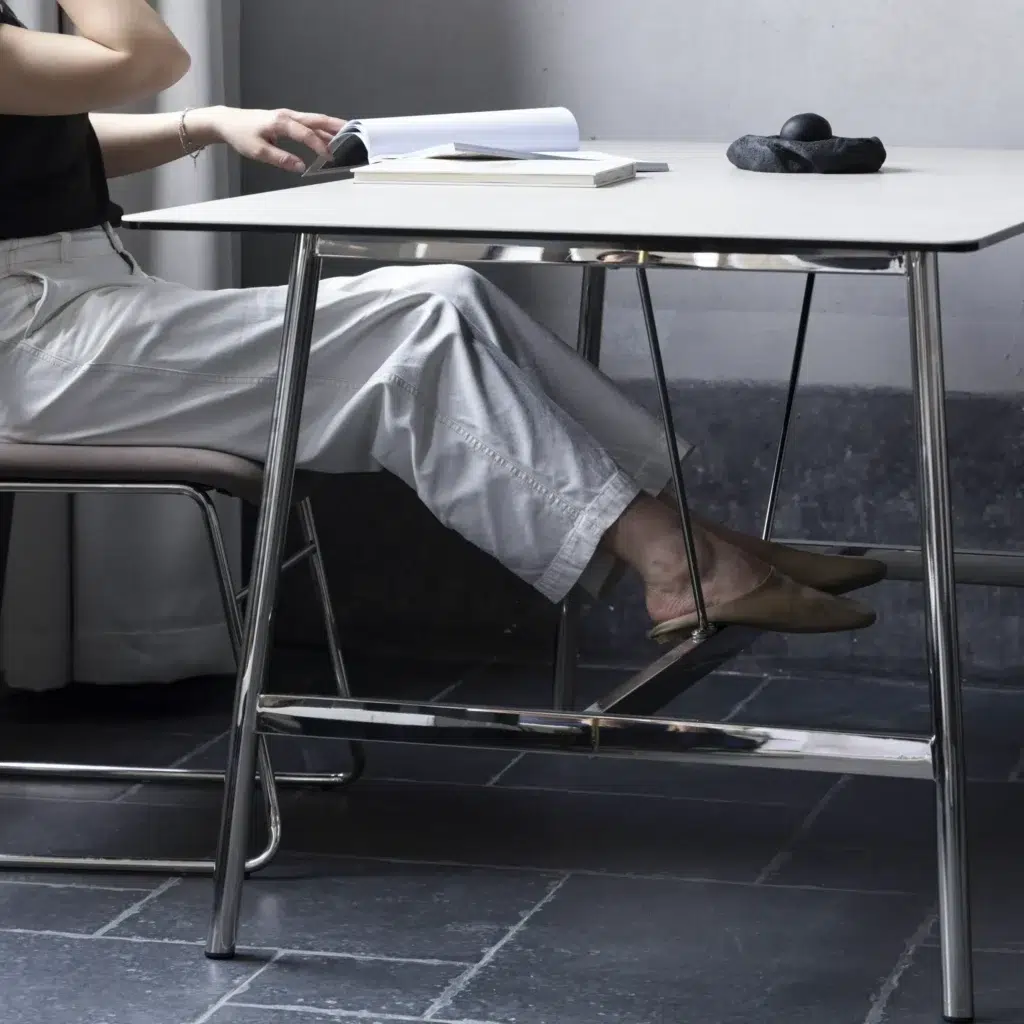
Assess the table and chairs together. Measure the opening between the legs, including any apron beneath the tabletop, and compare it with the full width of your chairs.
If you use a highchair, check its dimensions against the actual table. The height printed on a product page usually refers to the top surface; it may not tell you whether the highchair can approach closely beneath it.
For circular settings, our guide to choosing dining chairs for a round table explores how the base affects seating positions and chair clearance.
Rounded corners can be a useful design choice. They should not be treated as proof that a table is child-safe, however. Stability and appropriate use remain essential.
Plan the Room With Everyone Seated
An empty dining area can give a misleading impression of available space.
Chairs move backwards during meals. A highchair may project beyond the table edge, and an adult helping a child needs room to stand beside them.
Use masking tape to mark the proposed tabletop on the floor, then position your existing seating around it. Pull the chairs out as though people were sitting in them. Walk the route between the dining area and the kitchen.
Where space is restricted, prioritise the path used most often. A slightly smaller table may make daily meals easier if it allows someone to pass without asking everyone else to move.
An extendable design can help accommodate occasional visitors without occupying the full footprint every day. The BAUHAUS Extendable Dining Table, for instance, extends from 1.4 metres to 1.8 metres. Mark out both lengths before deciding whether that flexibility suits your room.
Check where additional chairs will be stored, too. Extra seating is useful only when it has somewhere practical to go between gatherings.
Consider Stability Across the Dining Area
Weight alone is a poor substitute for assessing stability. A substantial-looking piece can still present a tipping risk, while the security of an assembled chair depends partly on its condition and correct installation.
Follow assembly instructions and check fixings as directed by the manufacturer. If a chair begins to wobble, investigate before continuing to use it.
Look beyond the dining set as well. Buffets and sideboards can pose a toppling hazard when children climb or pull on them. ACCC Product Safety recommends anchoring furniture that can topple, using appropriate equipment and following the relevant instructions. Its toppling furniture guide explains what to consider.
Everyday dining chairs should be used for their intended purpose. Choosing furniture with children in mind does not make climbing or standing on it safe.
Buy for the Years Ahead, With Flexibility Where It Matters
Children’s requirements change faster than most dining furniture needs replacing.
Rather than expecting one chair to suit every age without assistance, consider how the arrangement can accommodate appropriate child seating now and standard dining chairs later.
There is also a distinction between flexibility and excess capacity. Purchasing a large table for occasional gatherings may leave the room unnecessarily cramped throughout the week. An extension mechanism or a carefully planned alternative seating arrangement may offer a better compromise.
Ask yourself which features would still matter if your children were several years older. A maintainable finish is likely to remain useful. So is a layout that lets people move comfortably.
Appearance deserves the same long view. Our article on choosing timeless furniture considers the design qualities that help pieces remain relevant as interiors evolve. You do not need to predict every future requirement. Choose a well-considered foundation, with enough flexibility to adjust the seating as family life changes.
Let Children Try the Furniture Too
If possible, bring your children when you visit the showroom. A chair that feels comfortable to an adult may feel quite different to a smaller person. Watching them sit down and reach towards the table can reveal awkward proportions that measurements alone might miss.
Explore Our Dining Furniture
Find pieces that suit the way your family lives. Browse our dining tables and dining chairs, with individual product details to help you compare dimensions and material options.
Prefer to try them in person? Each product page indicates whether the piece is currently on display at our Melbourne showroom. Check before visiting us at 255 Swan Street, Richmond, where we can help you find a combination that works for your home.