Why Wood Type Matters When Choosing Furniture: A Guide to Timber Furniture Materials
Estimated reading time: 6 minutes
When selecting furniture, many people focus first on shape or colour. Yet one of the most important decisions often sits beneath the surface: the type of wood used to make the piece.
Timber affects how furniture looks in a room, how it feels to the touch, and how it ages over time. The grain pattern, natural tone, and structural strength of a particular wood all influence the character of a finished piece. Understanding these differences can make it easier to choose furniture that not only suits your interior style but also performs well in everyday use.
Why Timber Choice Matters In Furniture Design
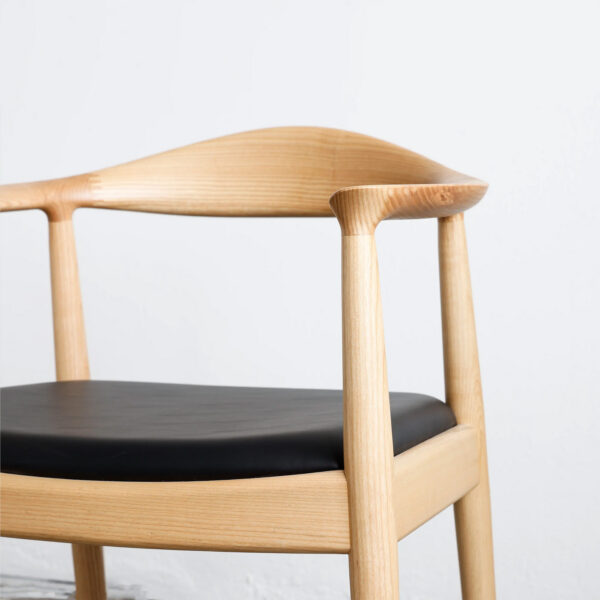
Timber is one of the most expressive materials used in furniture. Unlike manufactured surfaces, every board carries subtle variation within the grain. Light moves differently across the surface, revealing natural shifts in tone and texture.
Because of this, the type of wood used in a table or chair can change the entire presence of a piece within a room. A lighter timber often allows furniture to feel visually calm, while a darker species can introduce contrast and depth.
In design-led interiors, furniture materials are rarely chosen at random. Architects often consider timber as part of the wider palette of the home so that furniture feels integrated with flooring, cabinetry, and surrounding finishes.
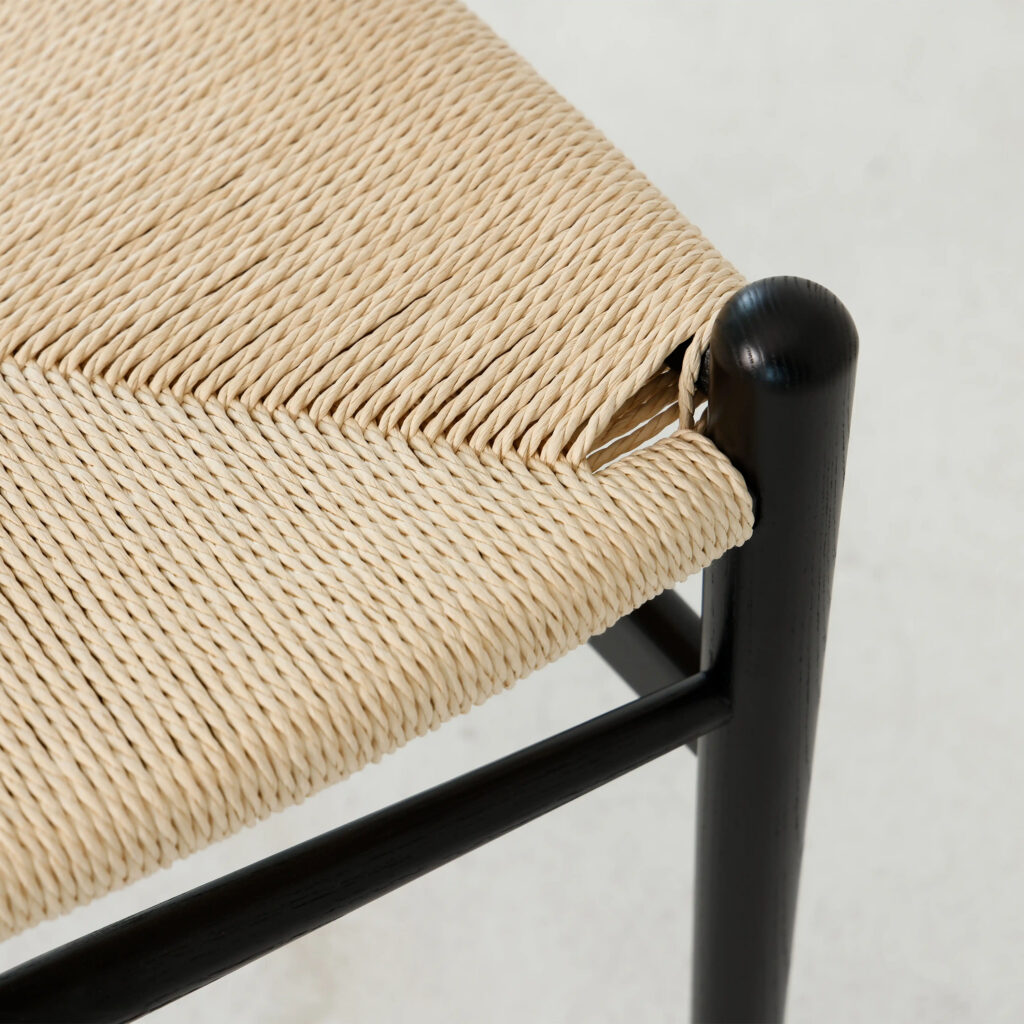
Common Timber Types Used In Furniture
Different types of wood create different visual effects. Some timbers appear light and architectural, while others emphasise warmth and richness.
Ash Wood
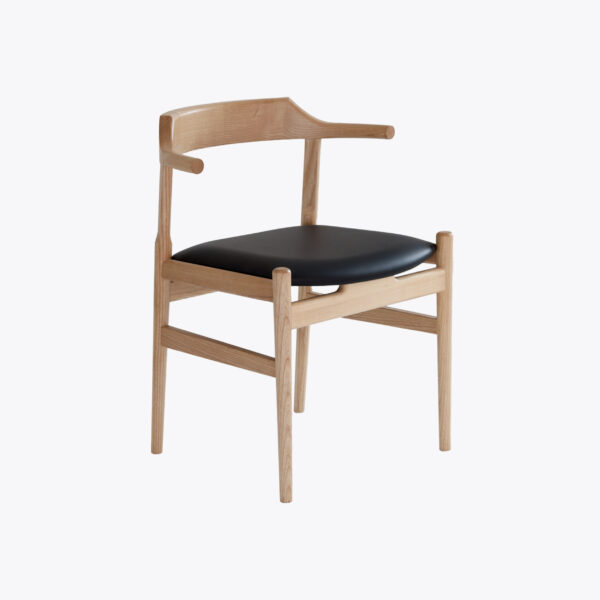
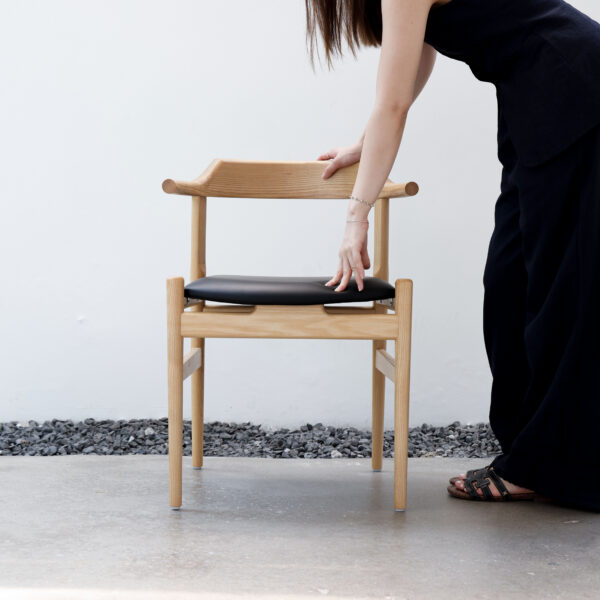
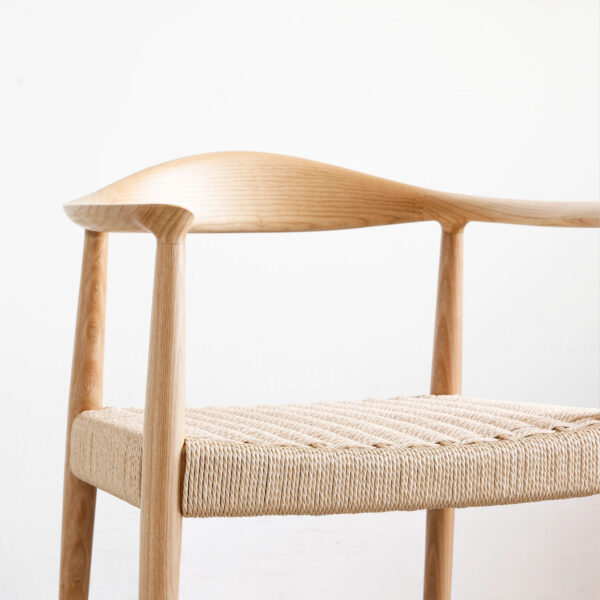
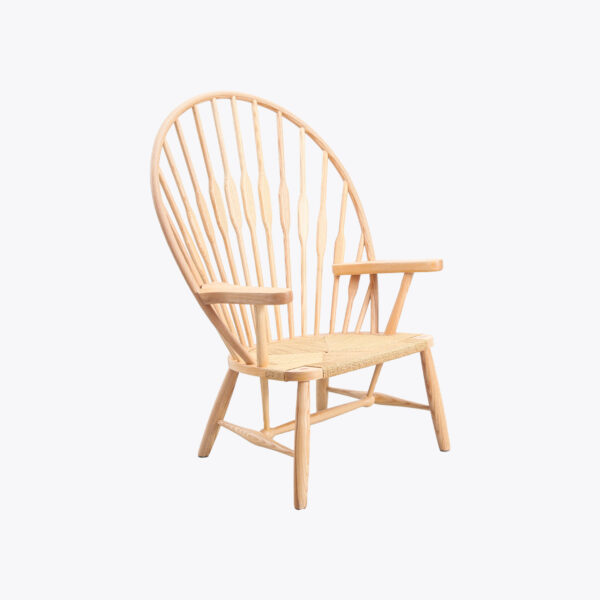
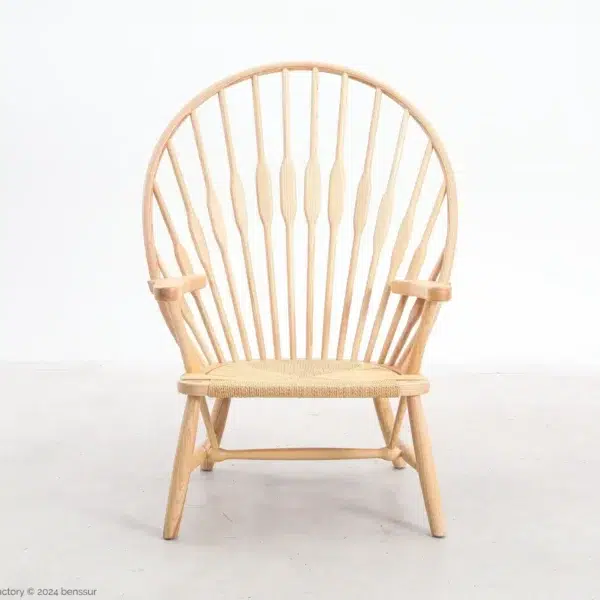
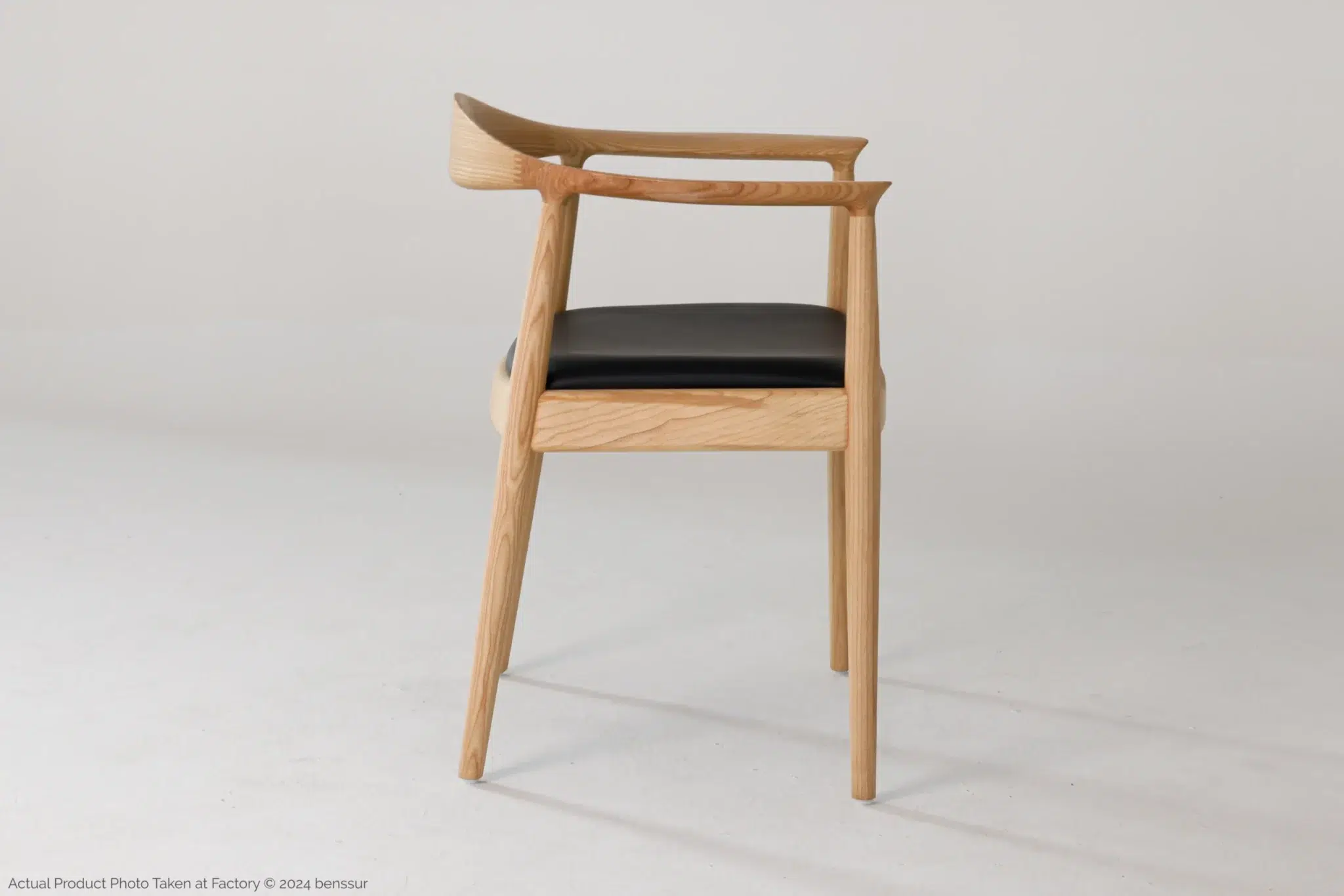
Ash is recognised for its pale tone and clearly defined grain. The surface often appears bright and clean, which is why ash furniture is frequently associated with Scandinavian and contemporary interiors.
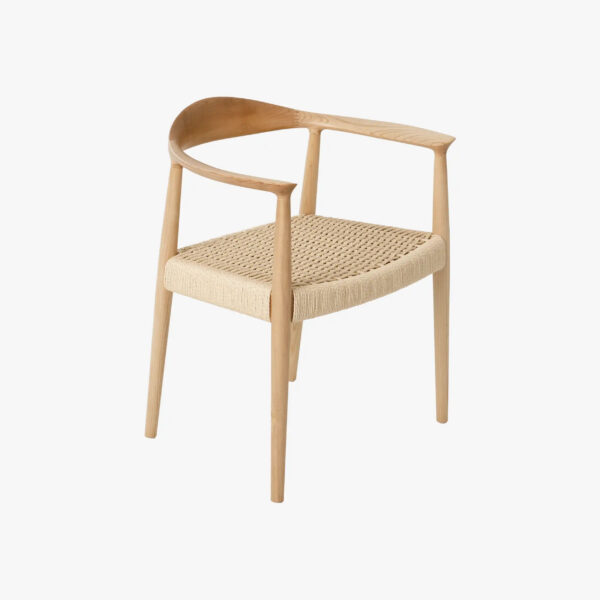
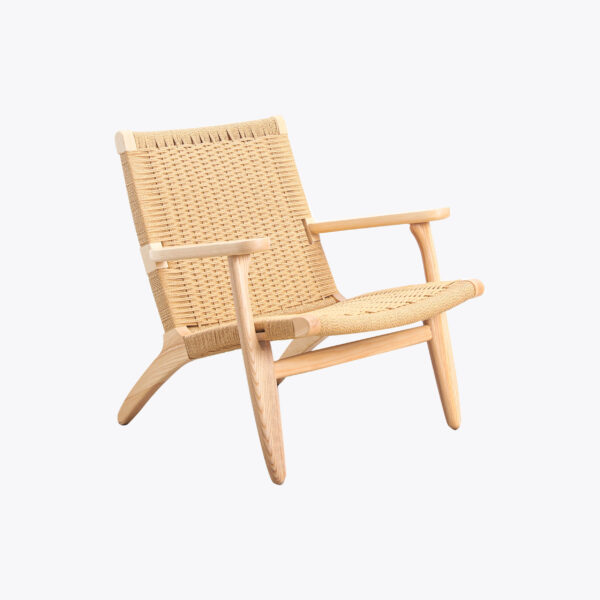
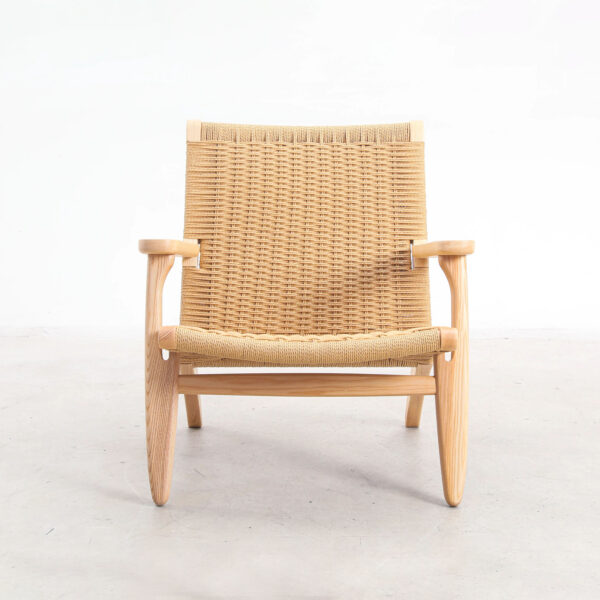
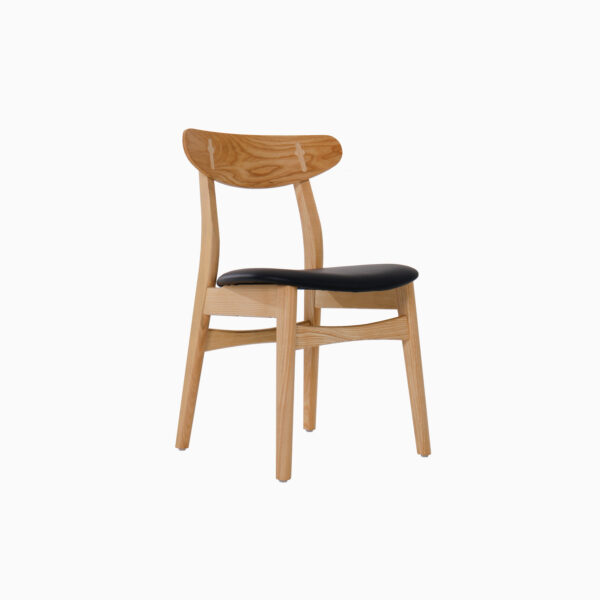
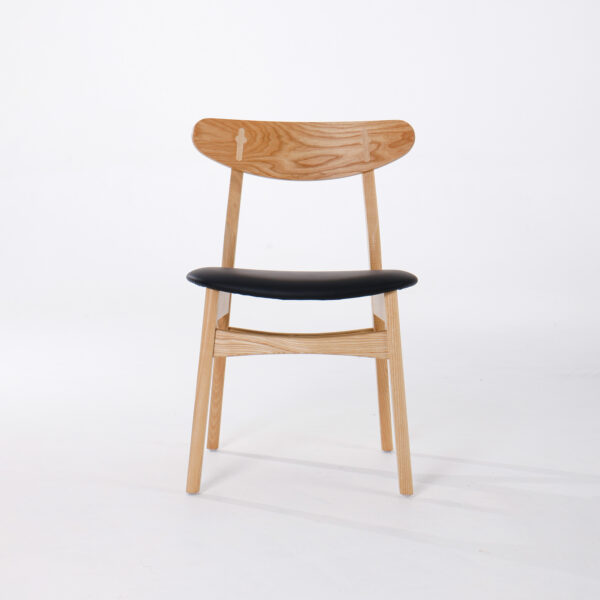
Beyond appearance, ash is also valued for its strength. The timber holds its structure well, making it particularly suitable for furniture that needs to withstand regular use. For this reason, ash is the primary timber used across much of our Classic Icons Collection.
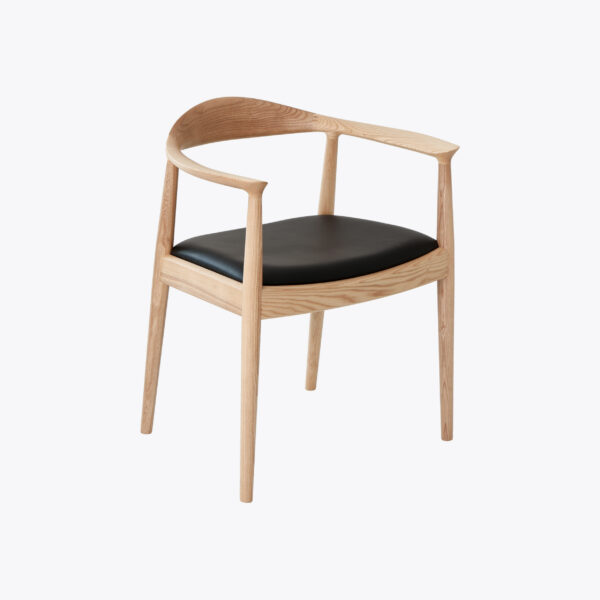
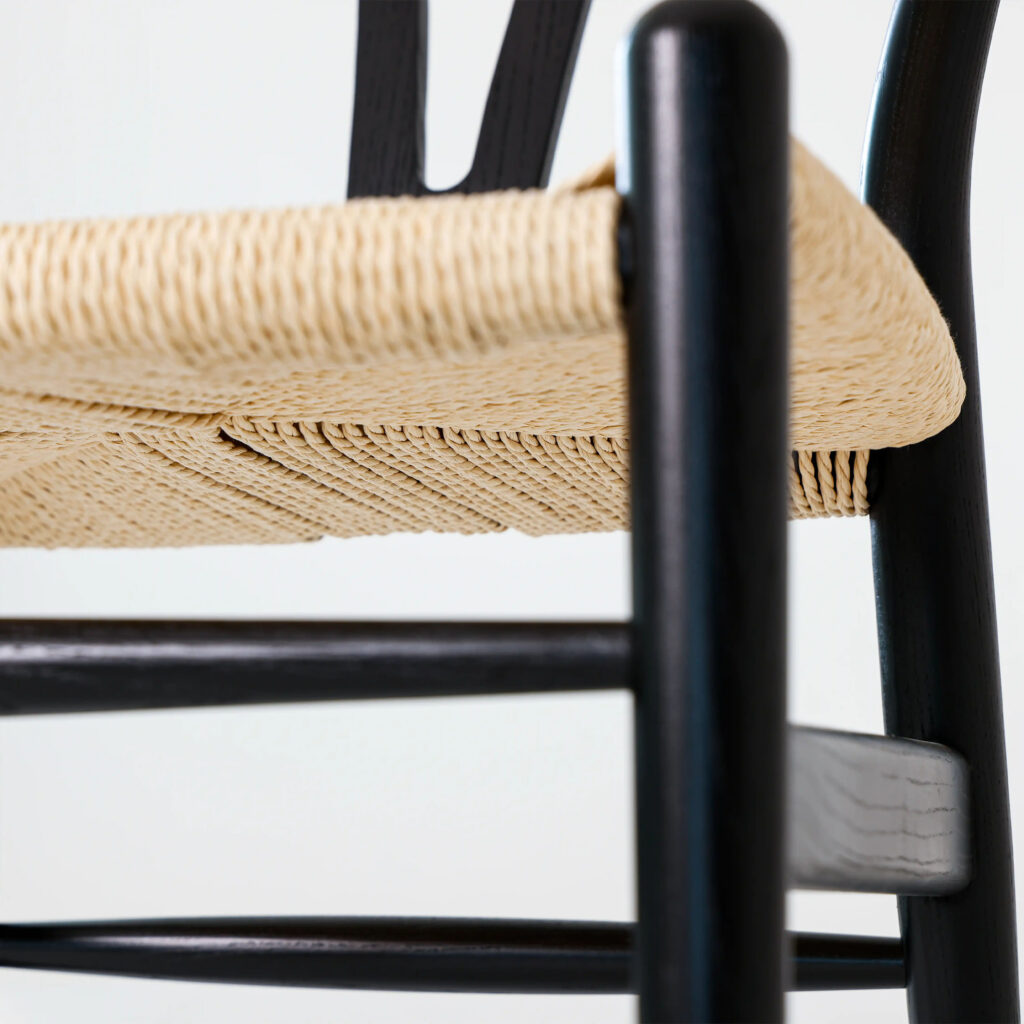
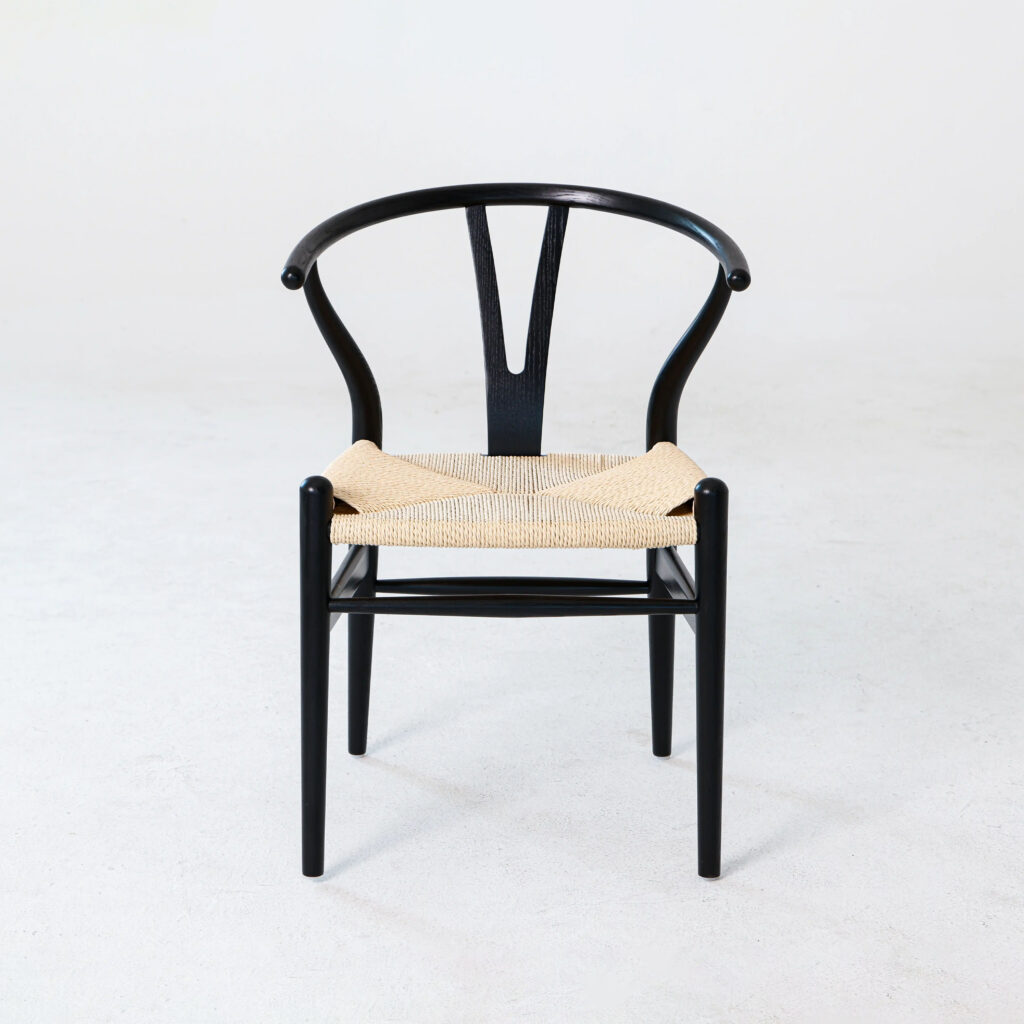
This balance of durability and visual lightness is why ash is often chosen for finely detailed dining chairs. In pieces such as our Hans Wegner Round Chair Replica, the ash frame allows the sculptural curves and smooth edges to remain visually light while still providing everyday strength.
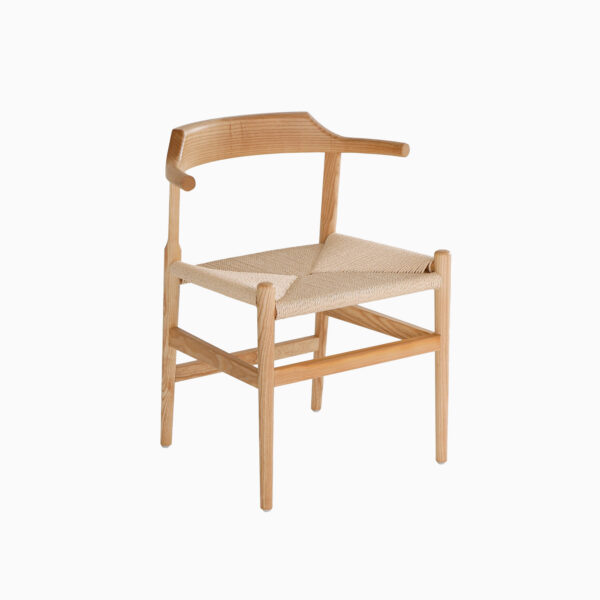
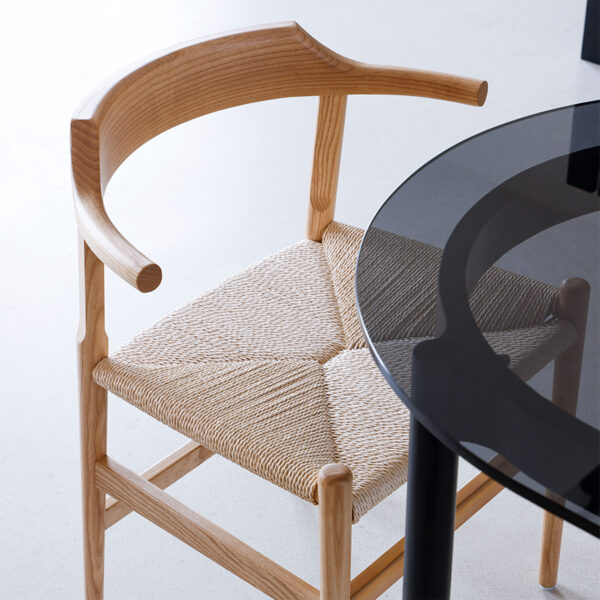
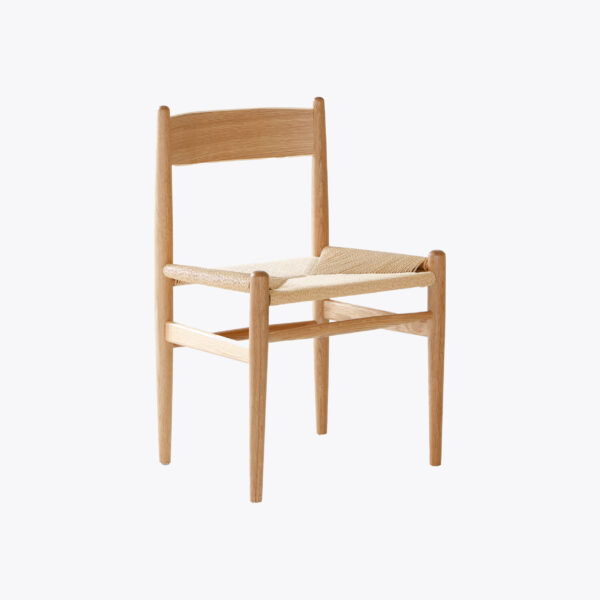
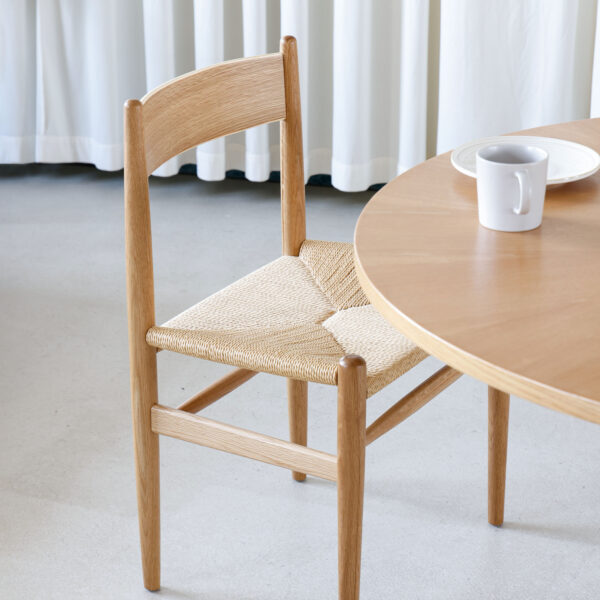
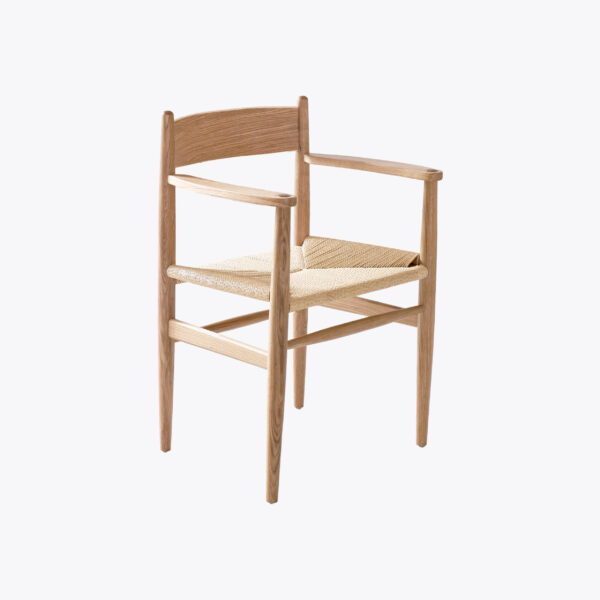
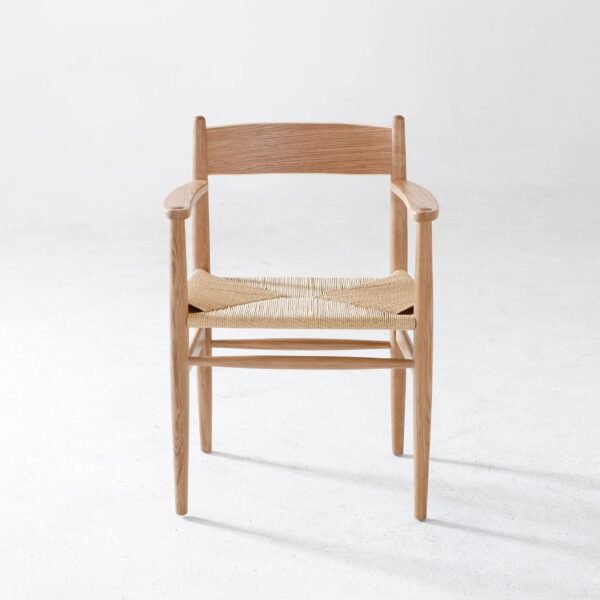
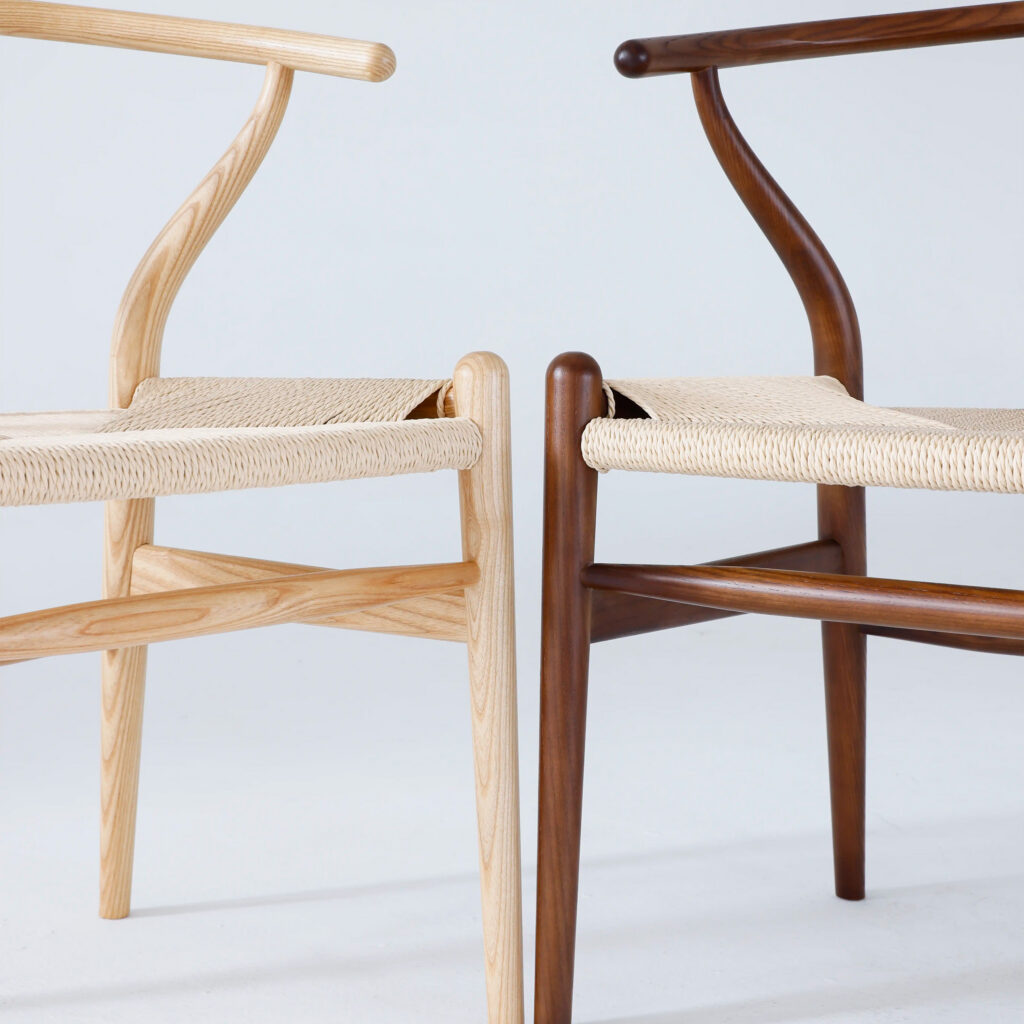
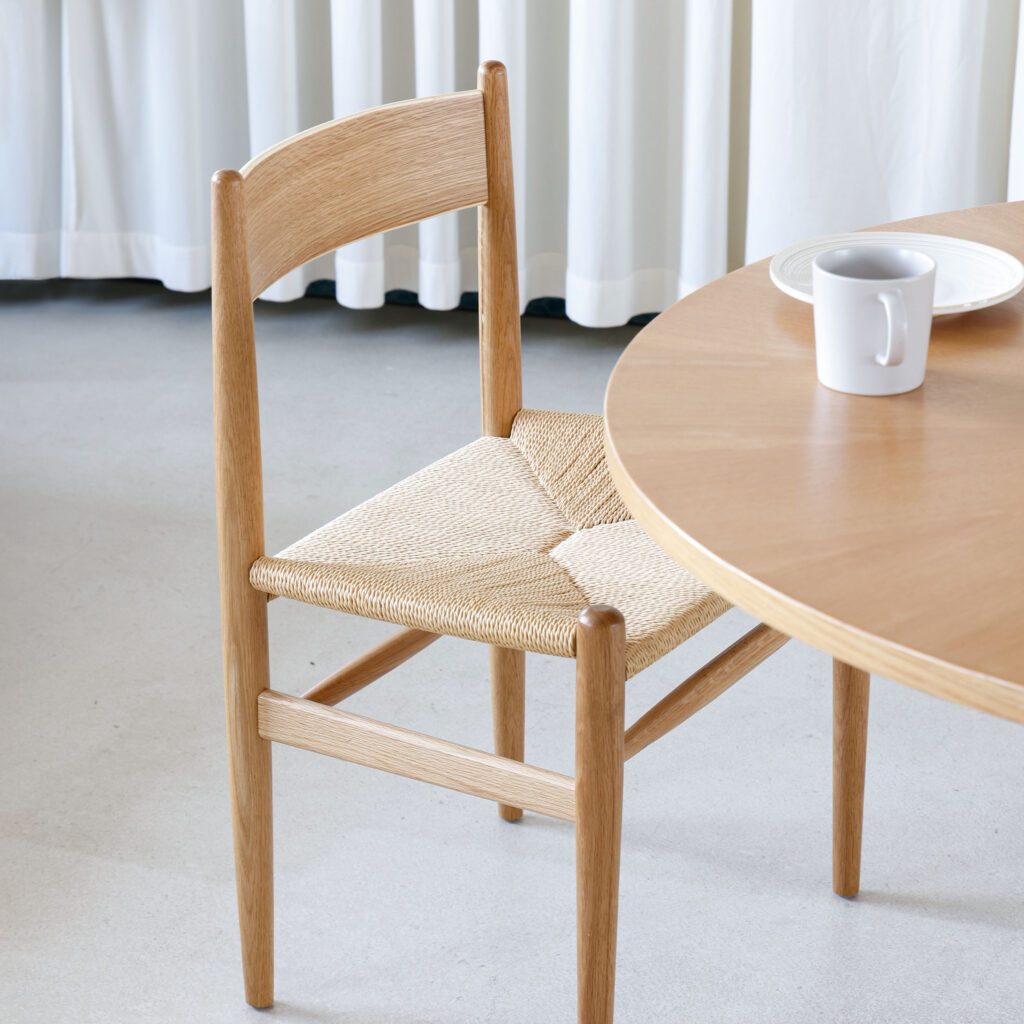
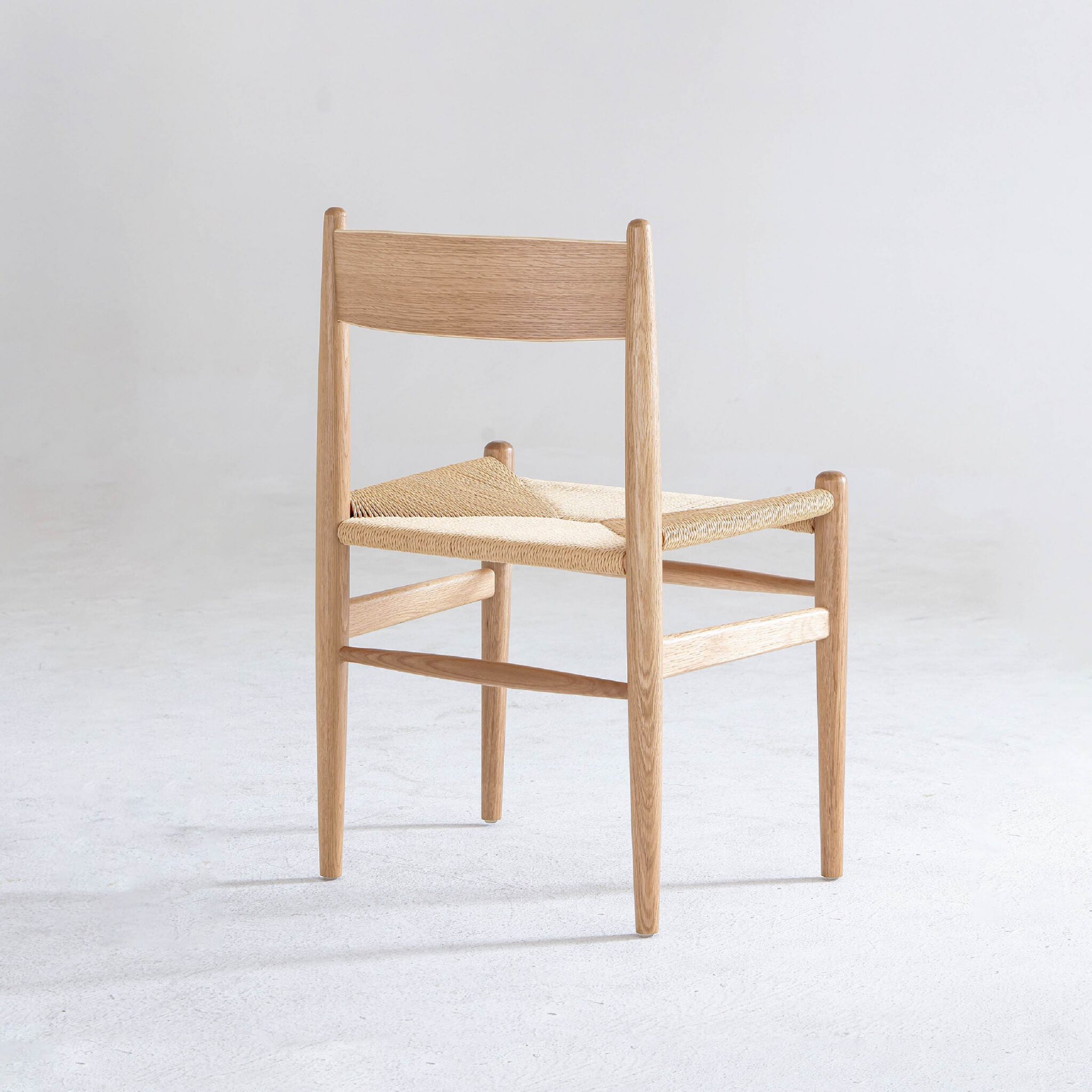
The same material qualities also support more traditional Scandinavian forms. Our Hans Wegner CH36 Dining Chair Replica uses solid ash alongside a woven cord seat, creating a chair that feels both airy and structurally grounded. Its straight lines and honest material expression reflect the understated approach often associated with Danish furniture design.
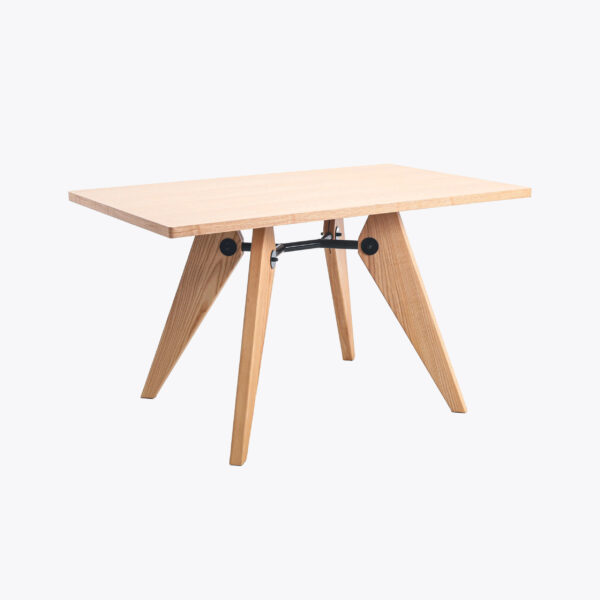
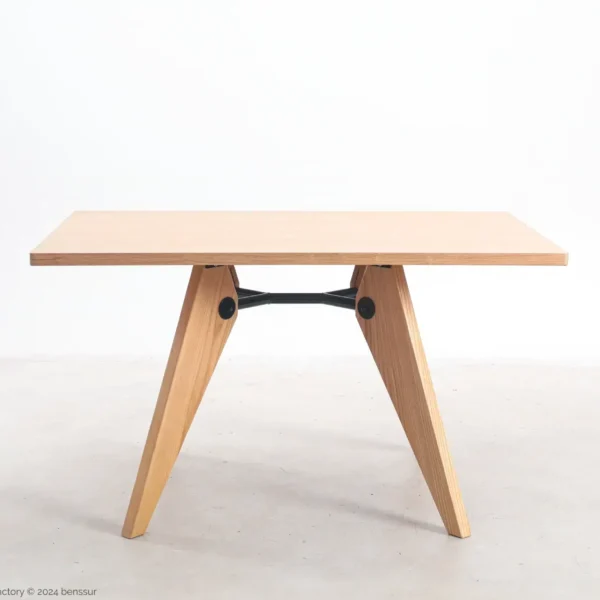
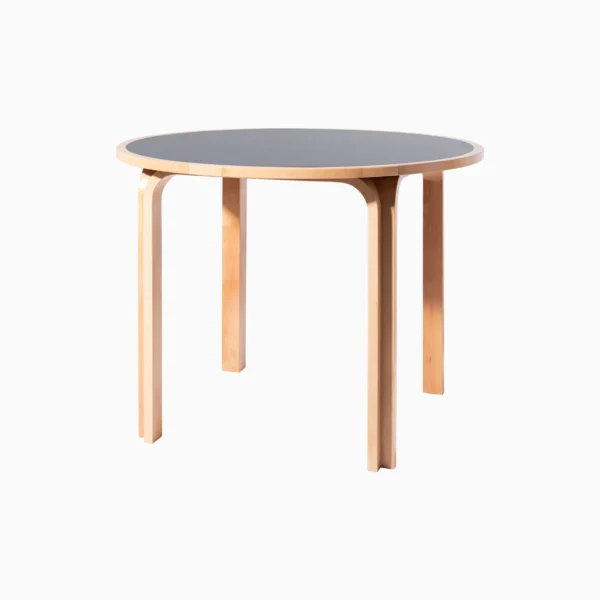
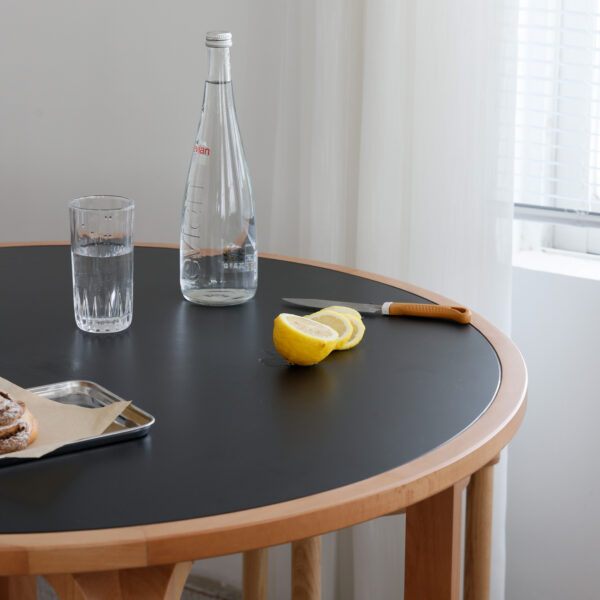
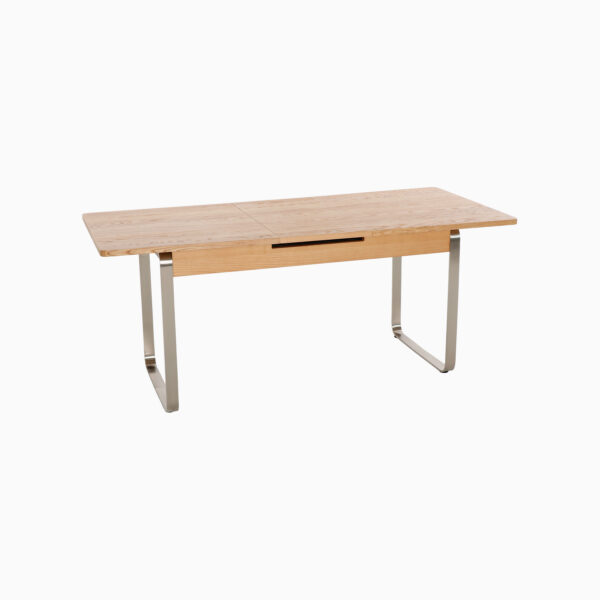
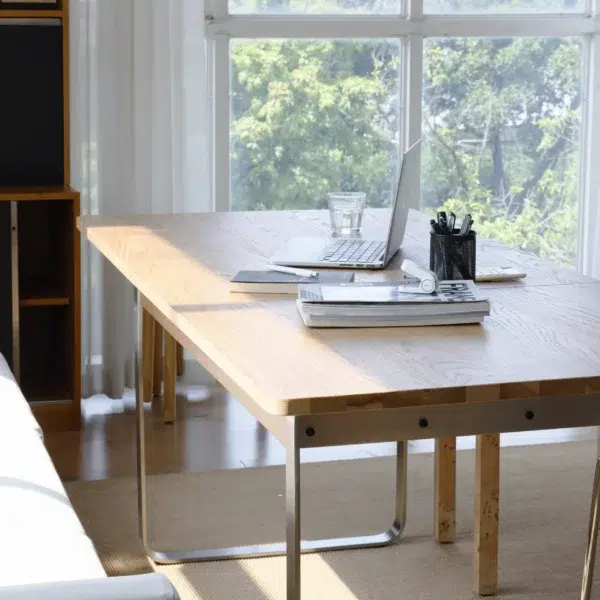
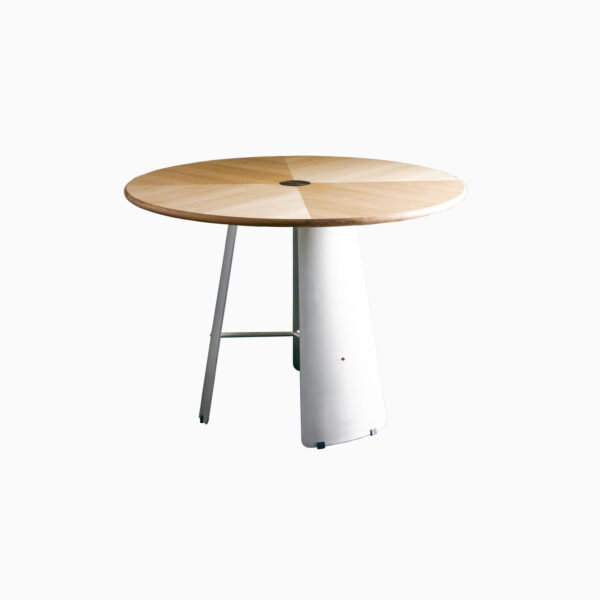
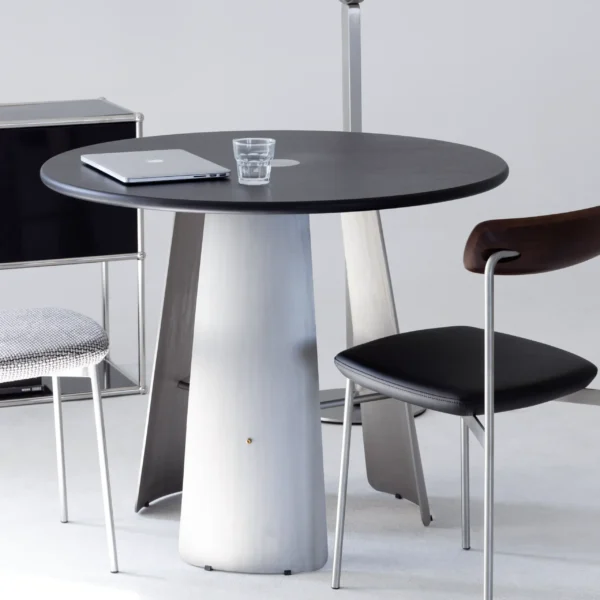
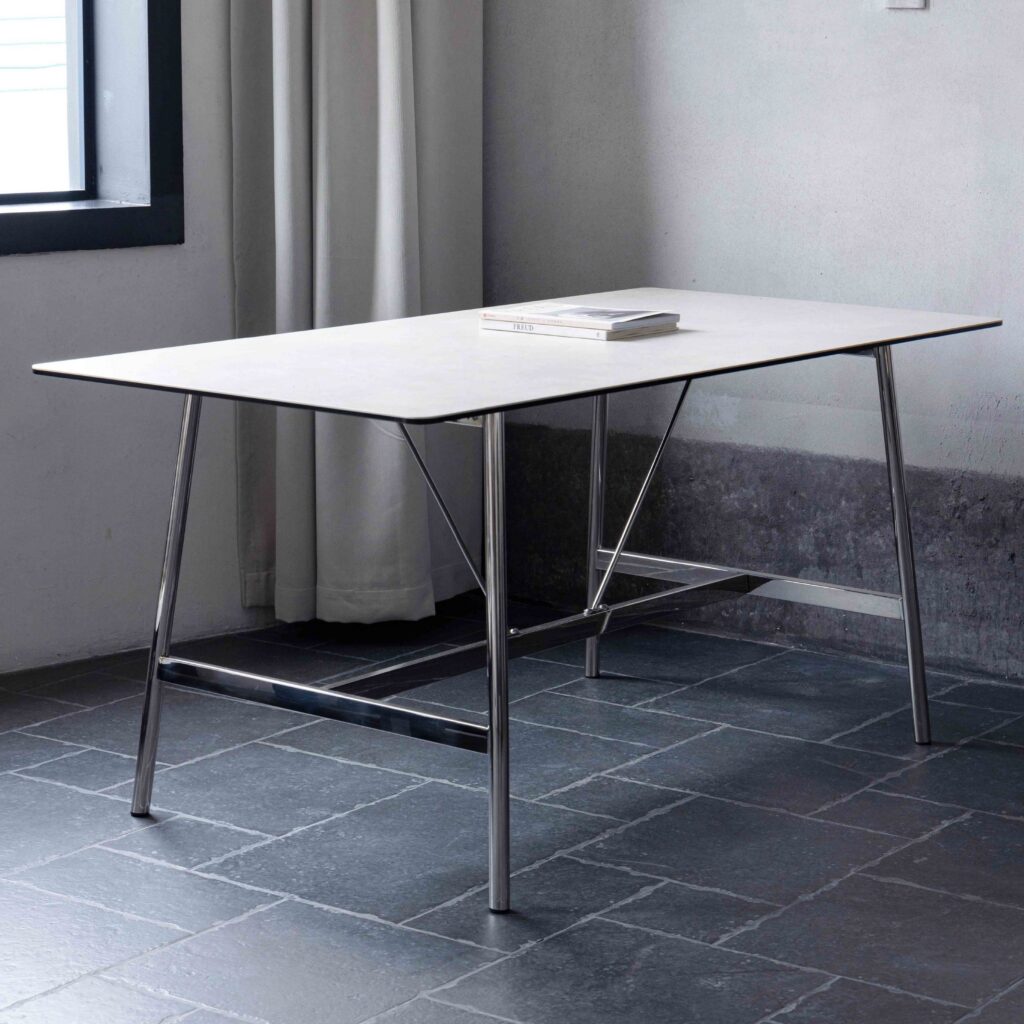
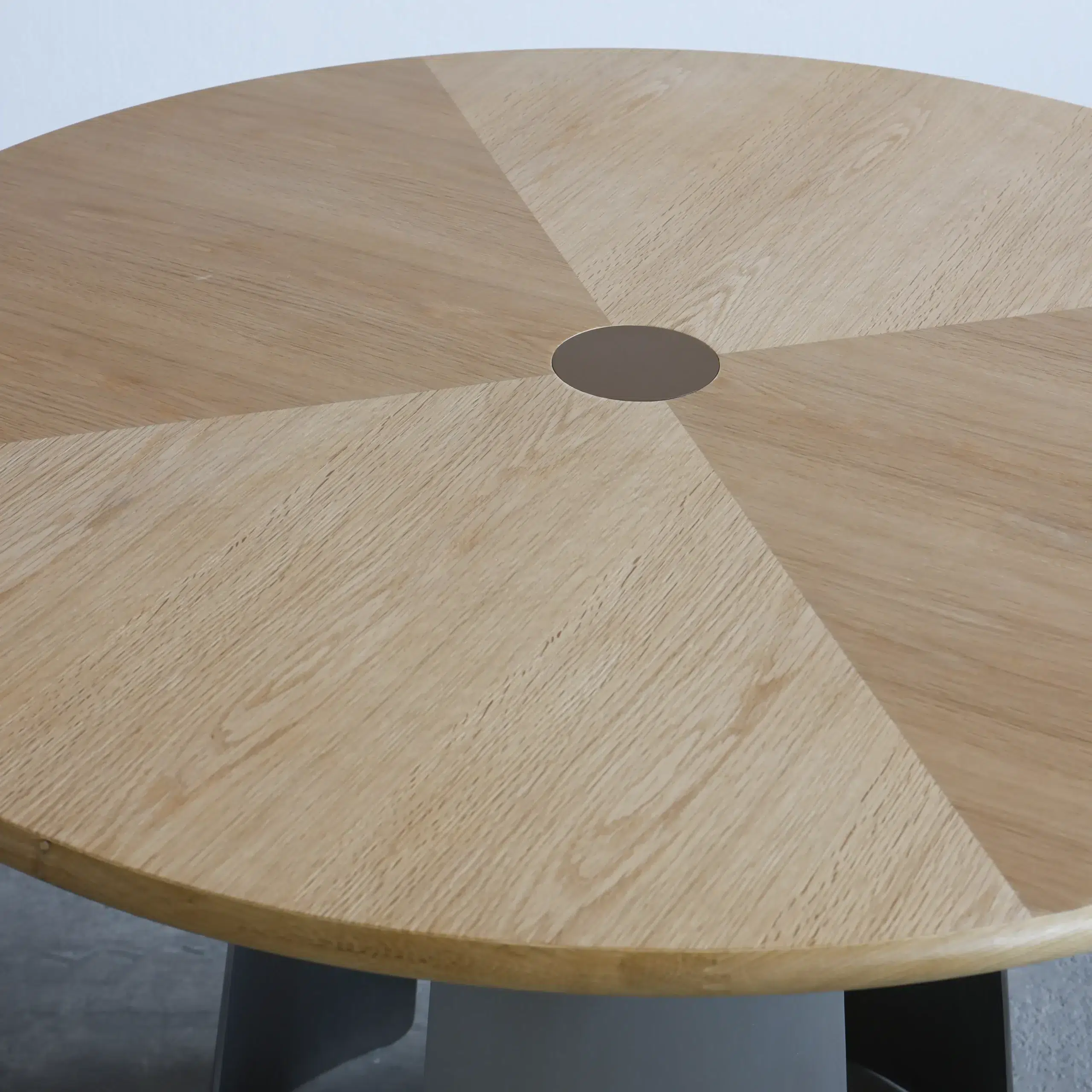
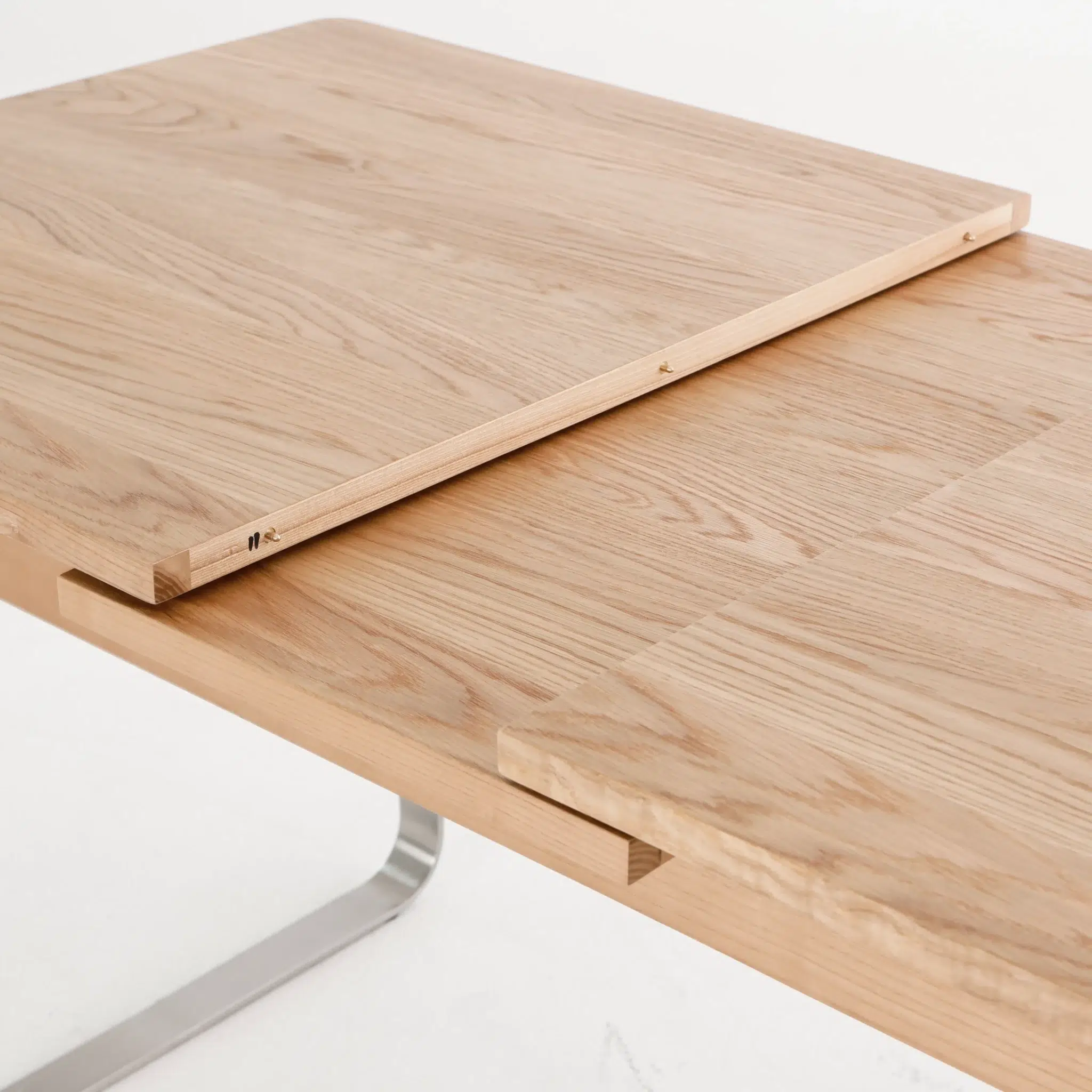
Ash is equally effective when used in tables. In our Jean Prouvé S.A.M No.502 Table Replica, the timber brings warmth and clarity to the structure, allowing the geometry of the base and the tabletop to feel refined without appearing heavy. The visible grain gives the piece character while maintaining the calm, architectural presence that ash furniture is known for.

White Oak
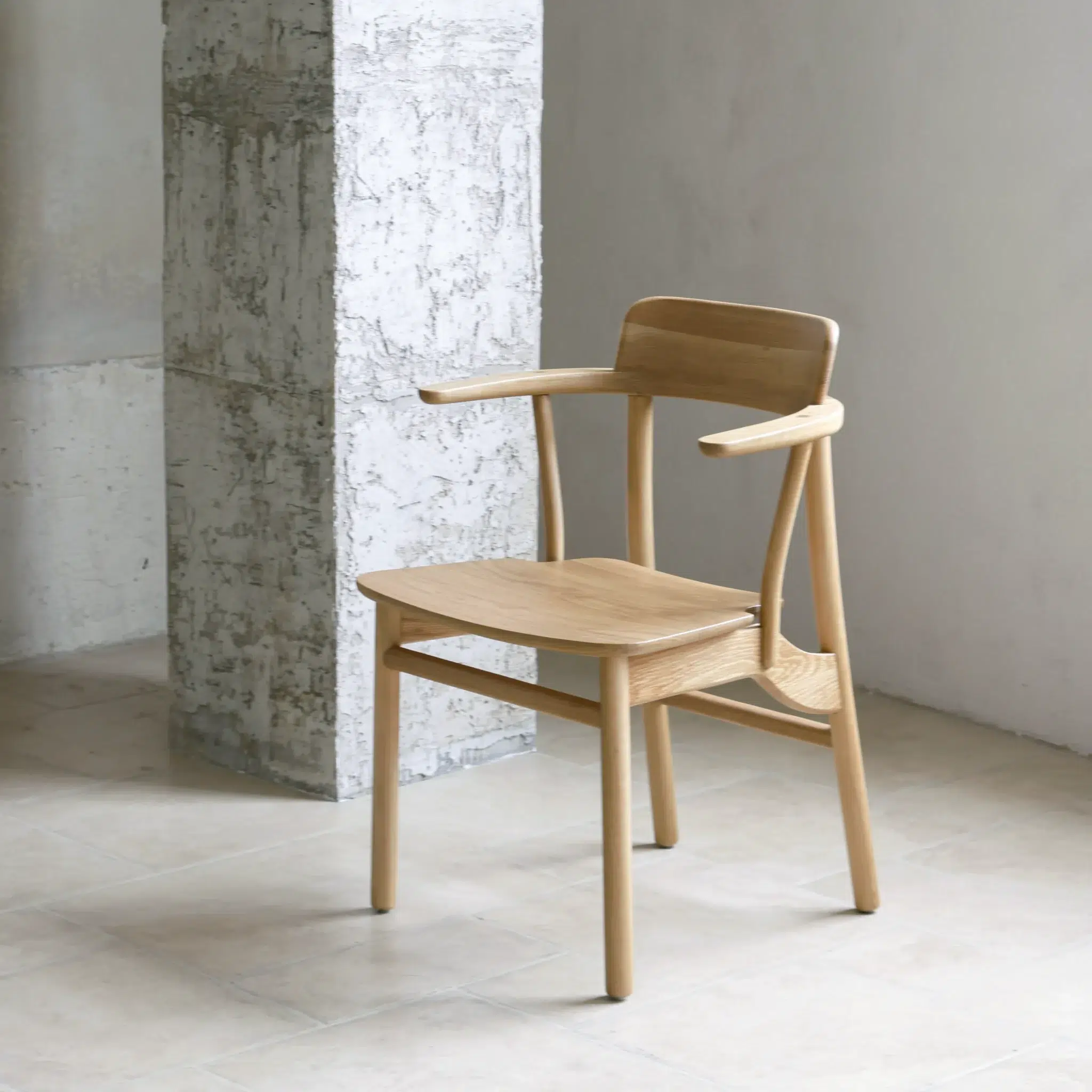
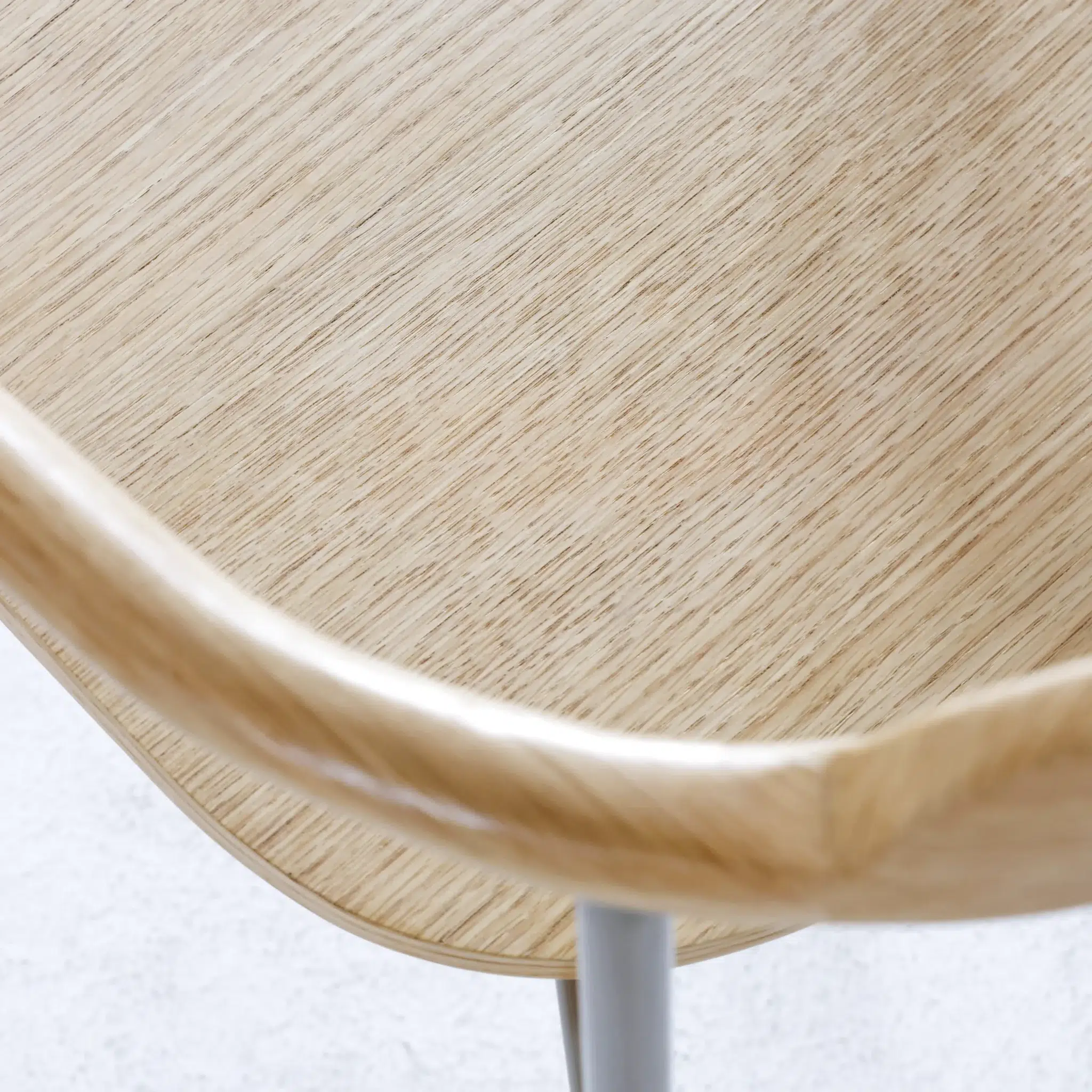
White oak tends to carry a warmer tone than ash. The grain is slightly more pronounced, giving furniture a natural depth without appearing visually heavy.
This balance allows oak pieces to sit comfortably within many interior styles, particularly spaces that combine natural materials with modern architectural forms.
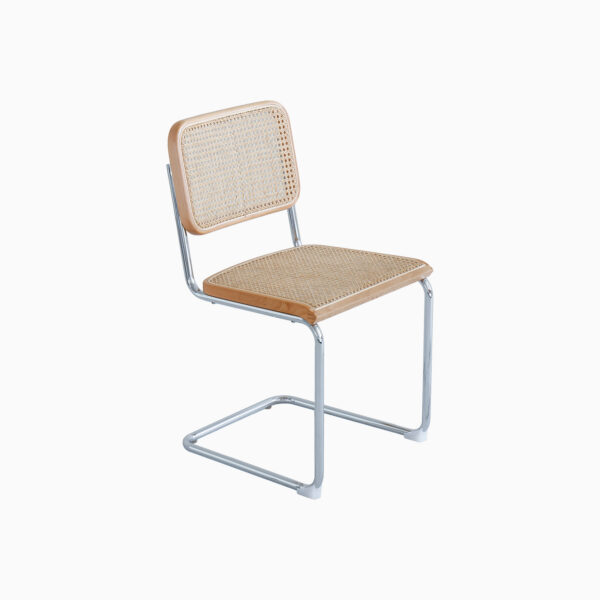
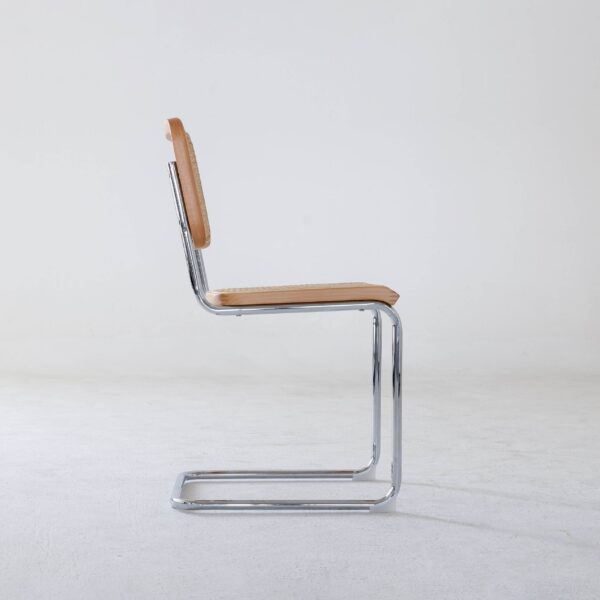
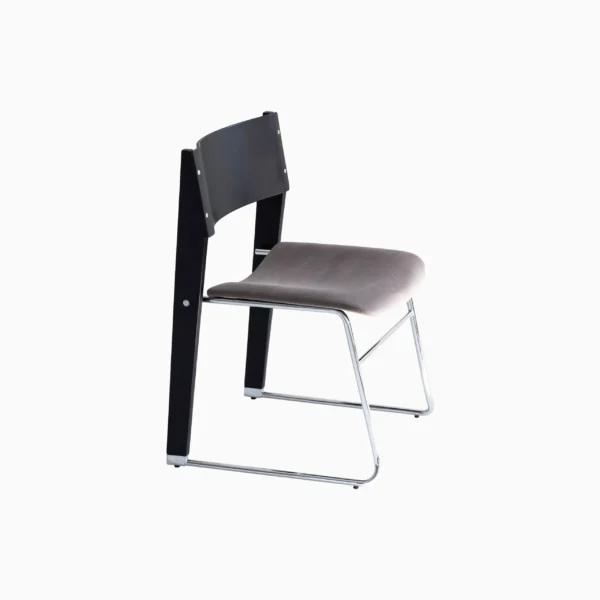
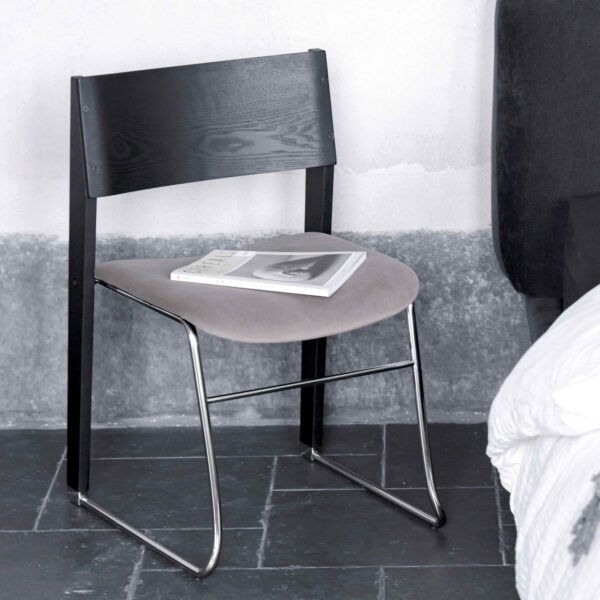
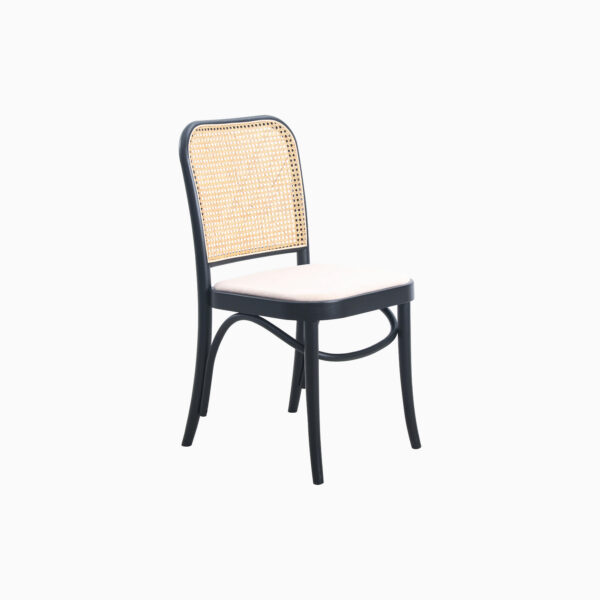
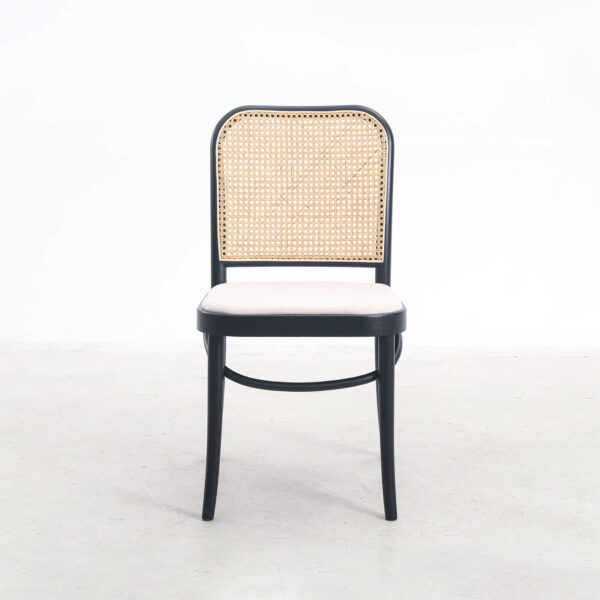
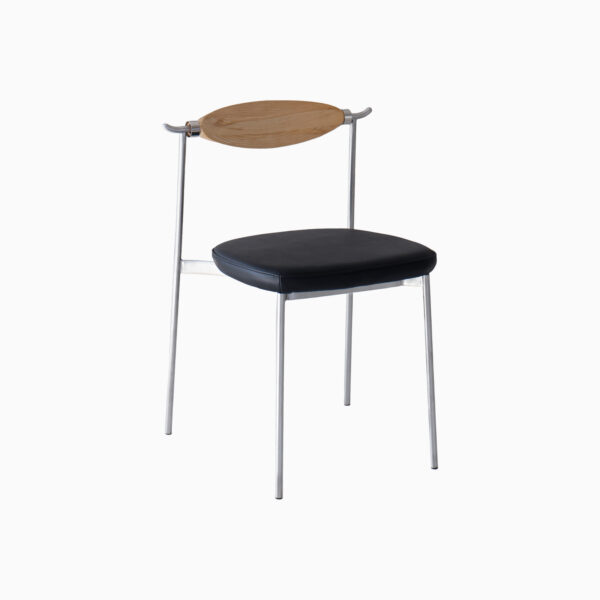
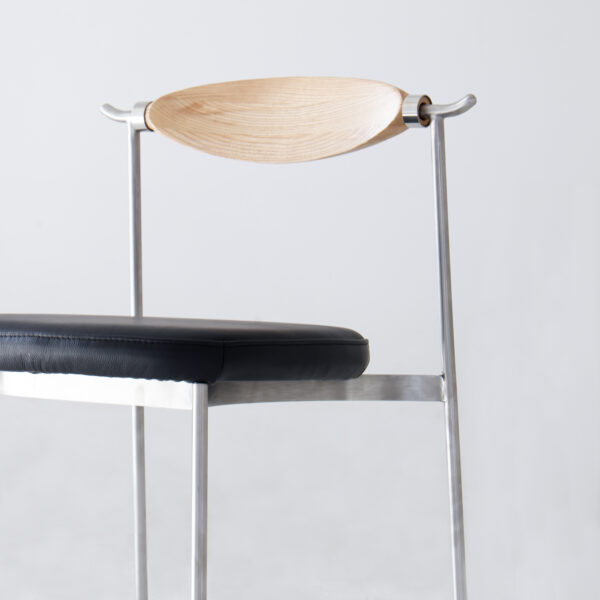
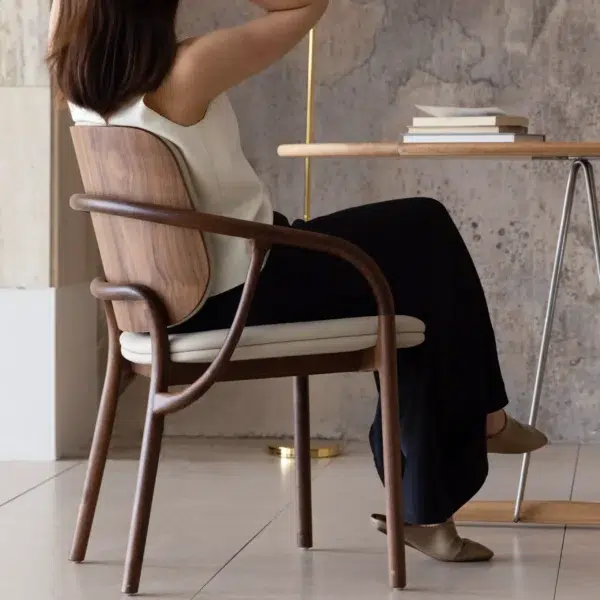
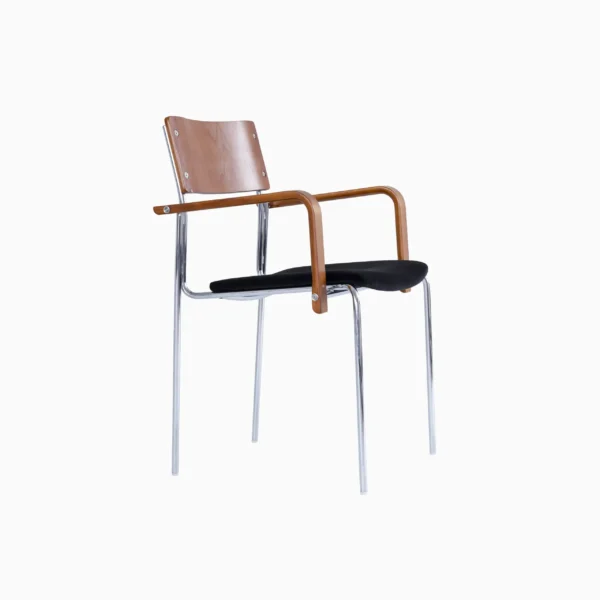
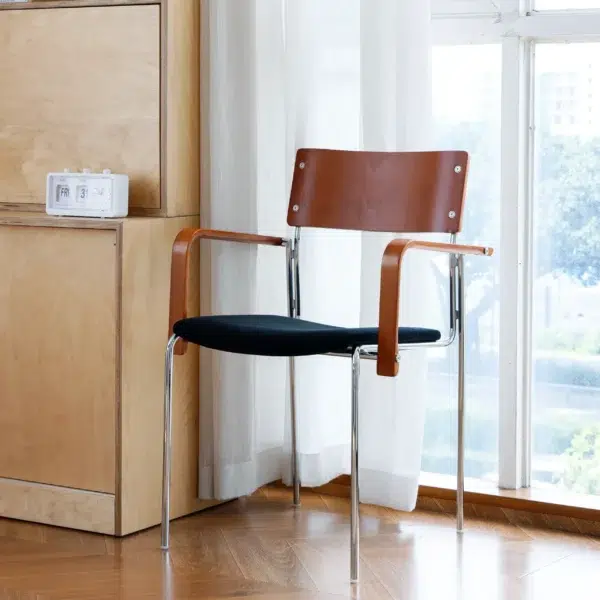
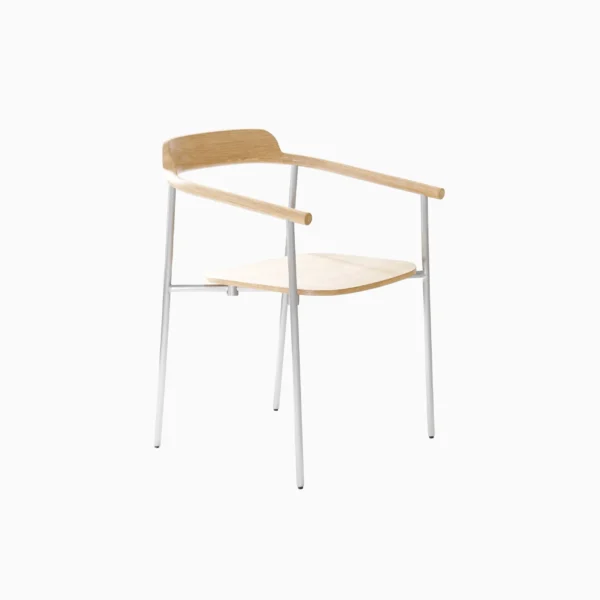
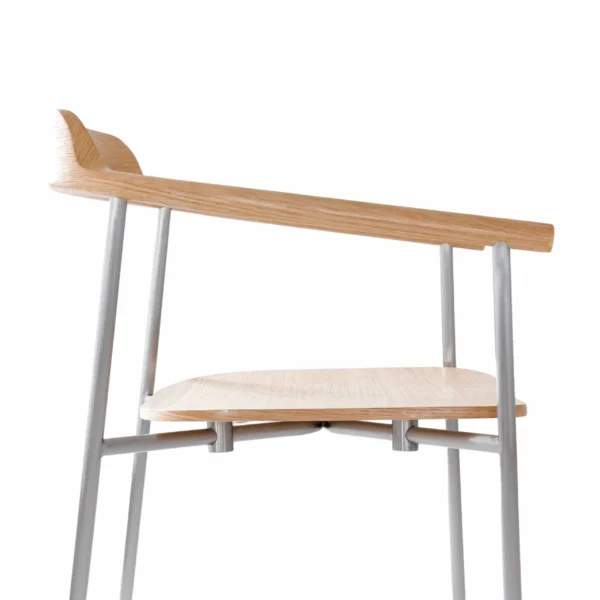
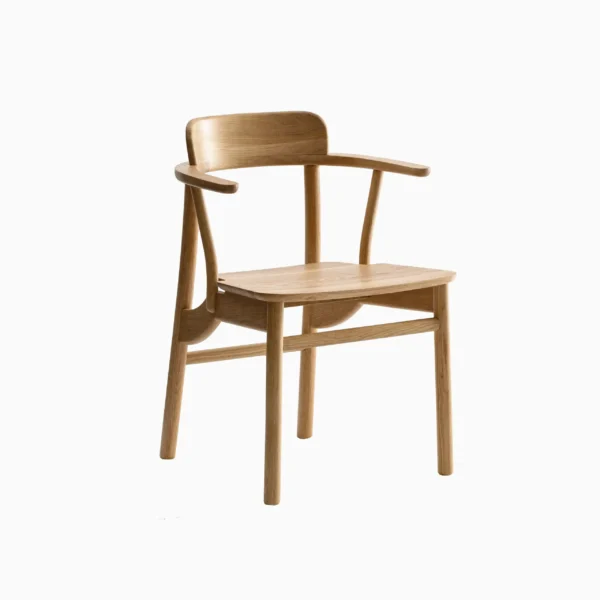
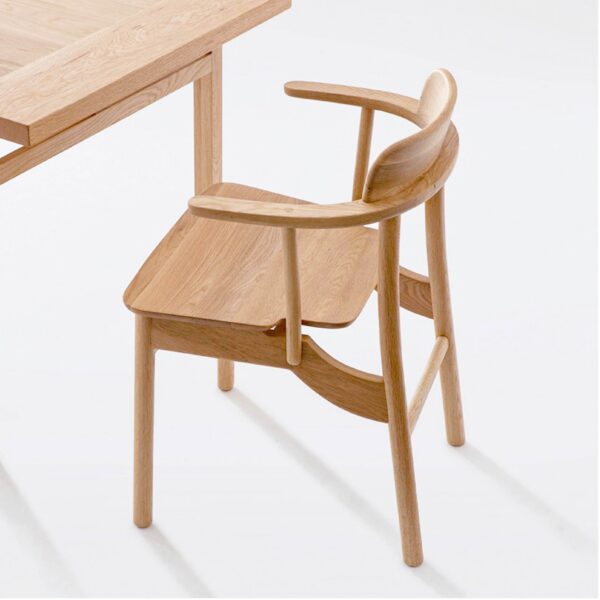
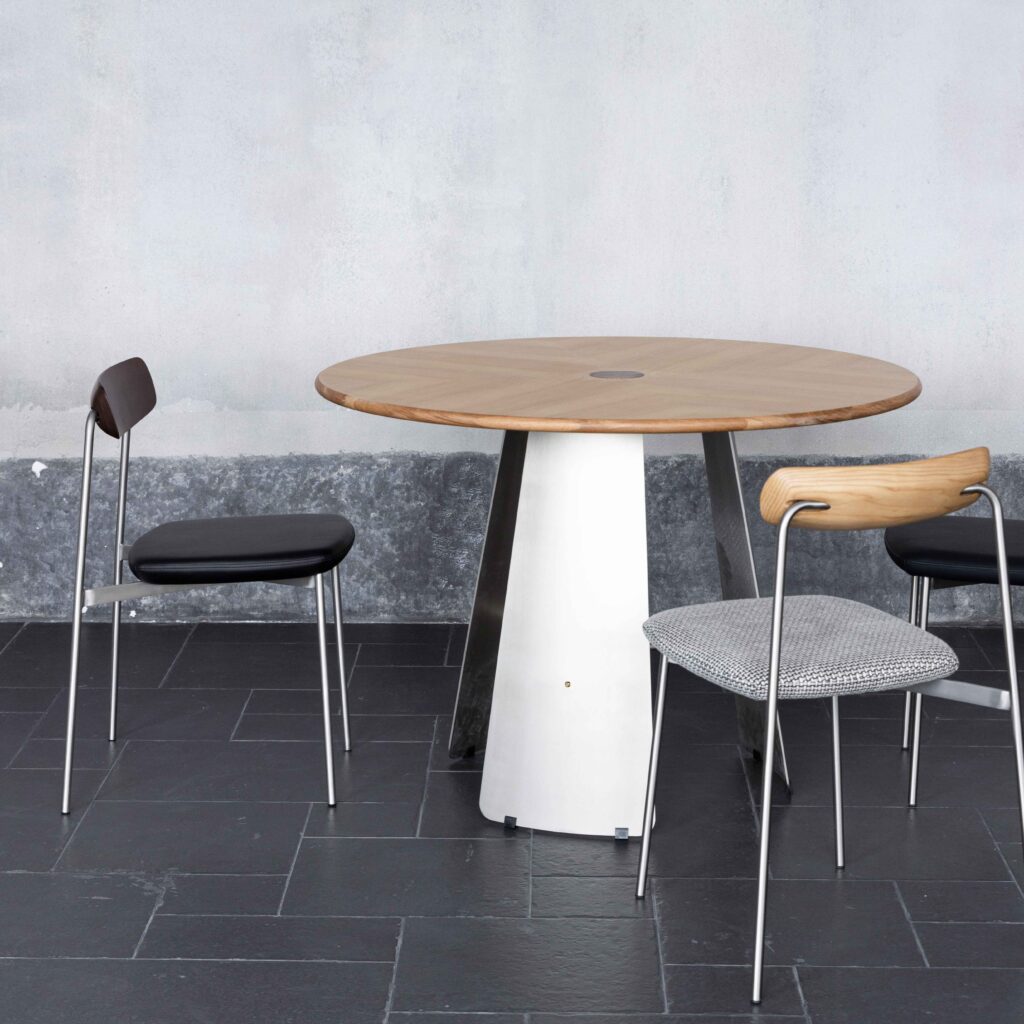
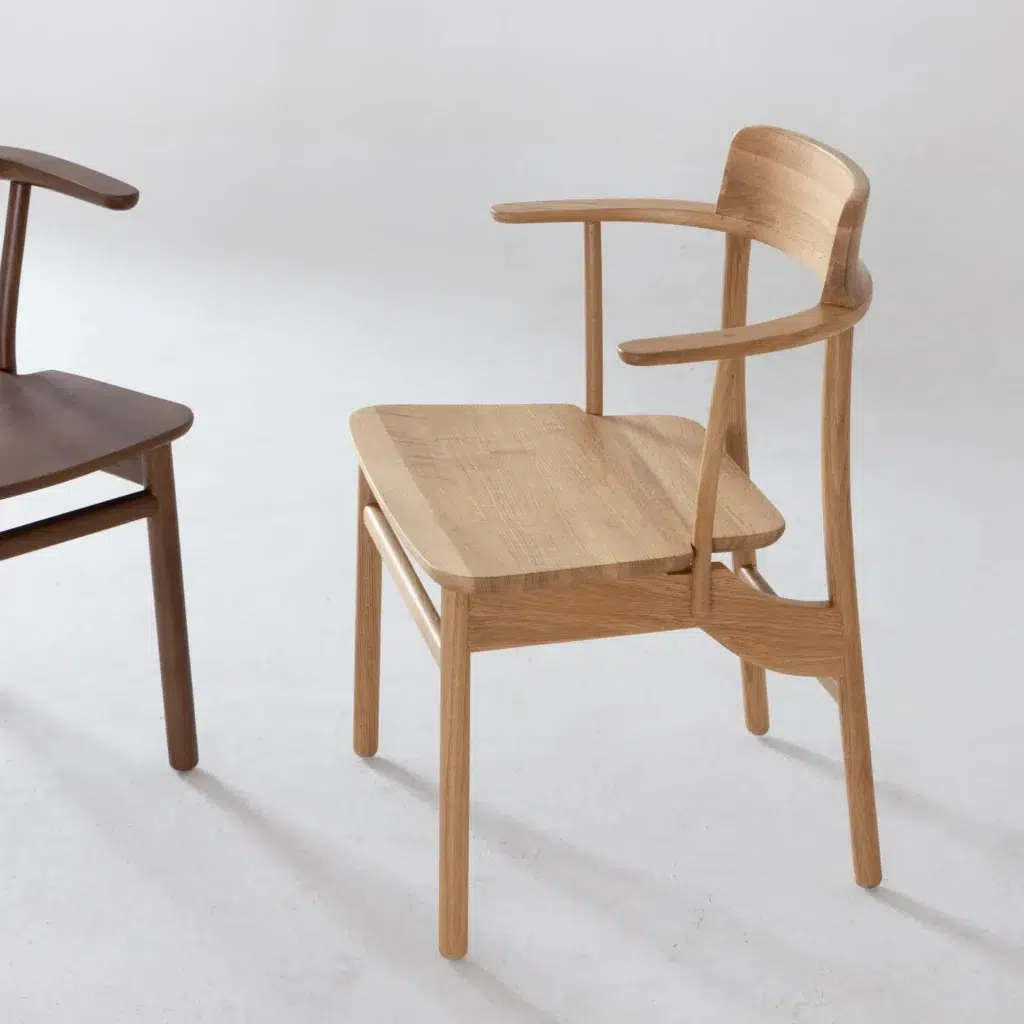
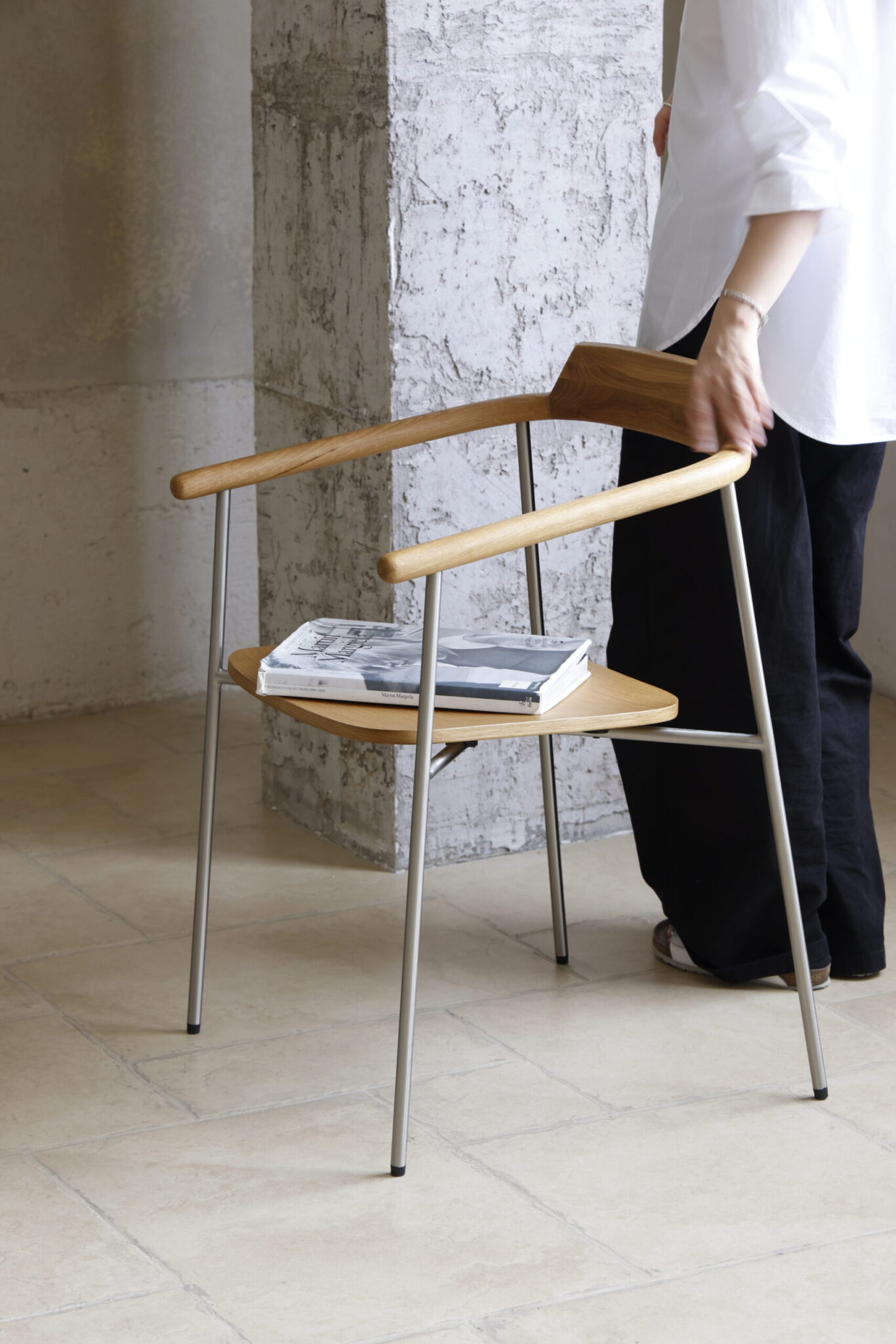
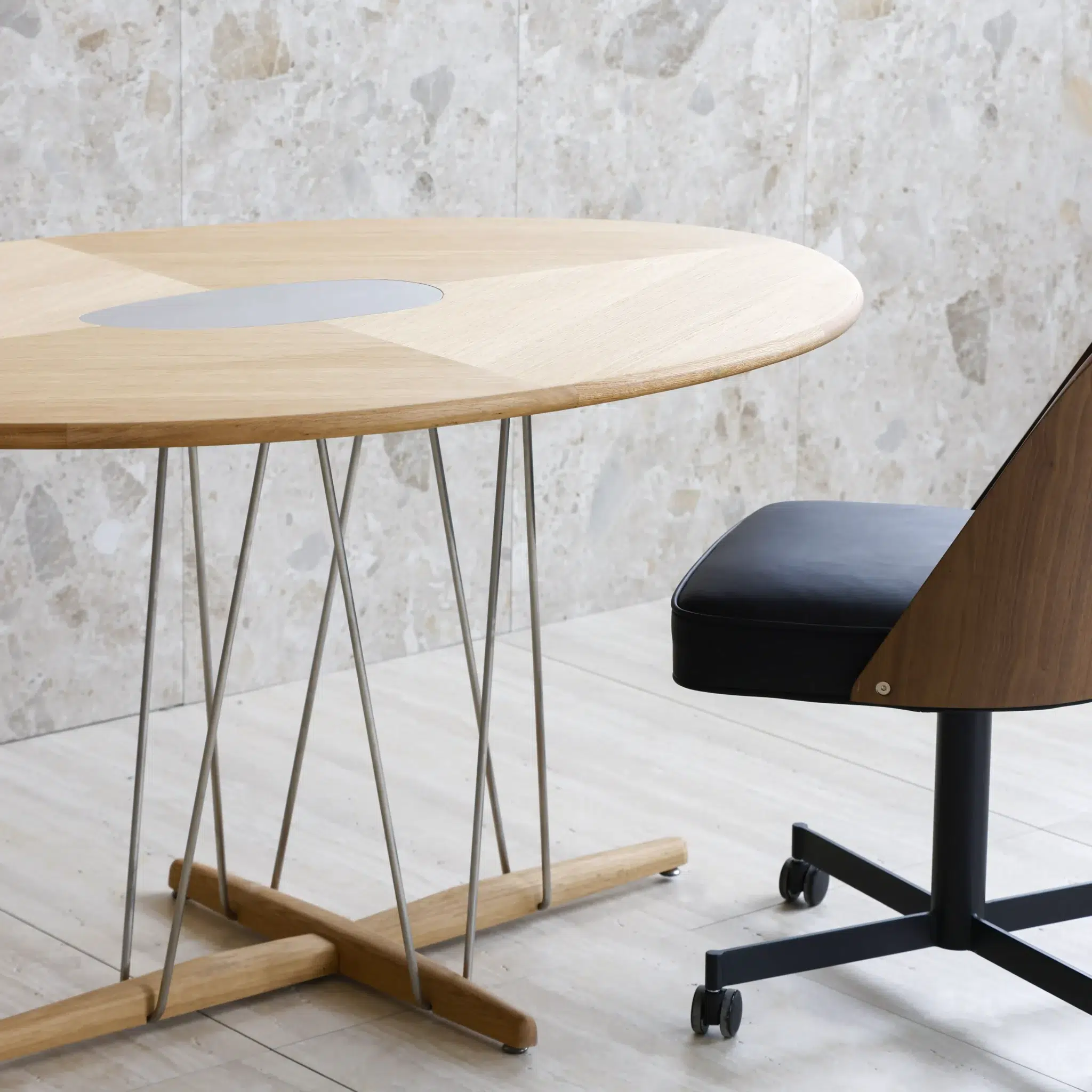
In seating, white oak introduces both structure and warmth. The Gentleman Dining Chair, for example, pairs a solid oak backrest with a refined metal frame, allowing the timber to soften the overall silhouette while still maintaining a clean architectural presence. White oak also suits chairs where craftsmanship and detail are central to the design. The Crown Dining Chair uses the timber to highlight the curved backrest and precise joinery. Thus creating a piece that feels warm and tactile while maintaining the restrained clarity often associated with contemporary interiors.
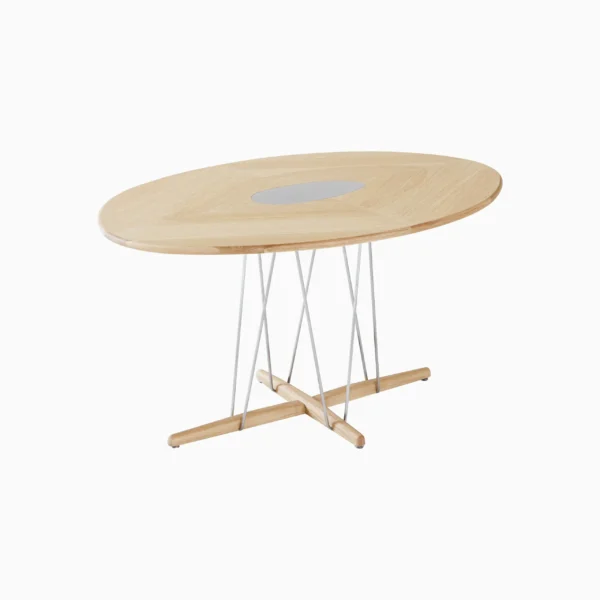
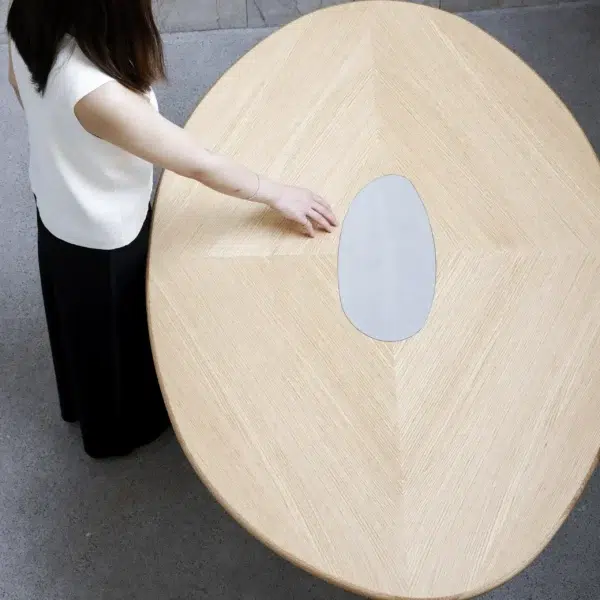
The material also works particularly well in sculptural tables. In the Pebble Dining Table, white oak veneer is mirror-matched across the organic tabletop, allowing the grain to flow naturally across the surface whilst emphasising the table’s asymmetrical form. The result feels both expressive and calm, highlighting the character of the timber without overwhelming the space.
Walnut
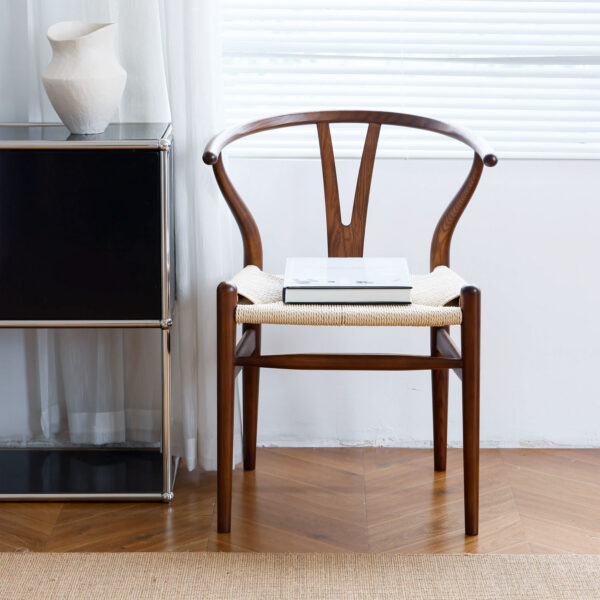
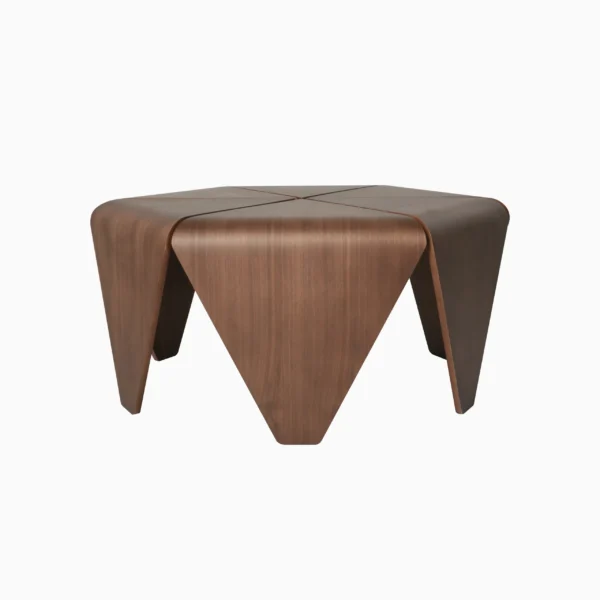
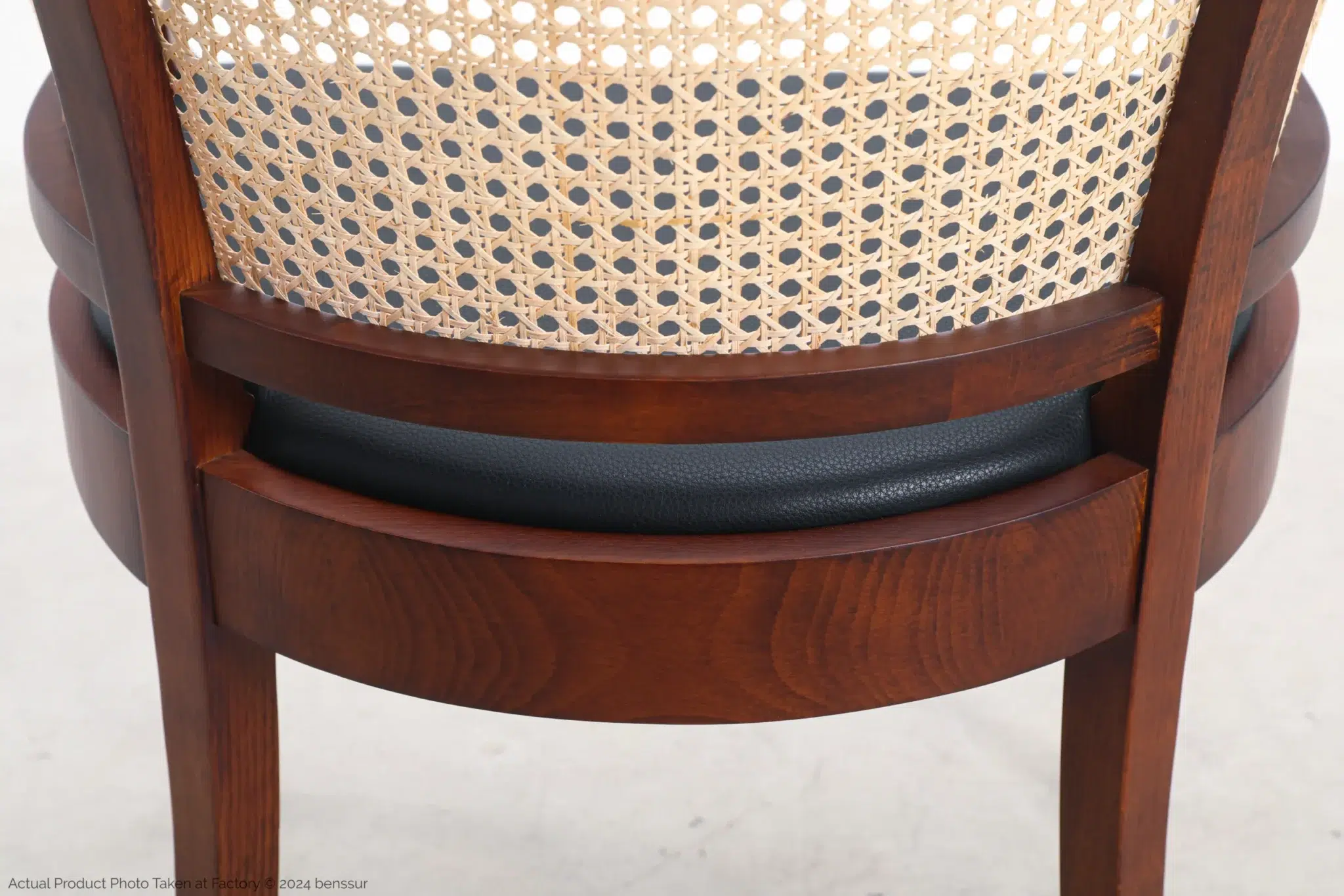
Walnut is known for its darker colour and refined grain patterns. Furniture made from walnut often creates a stronger visual presence in a room.
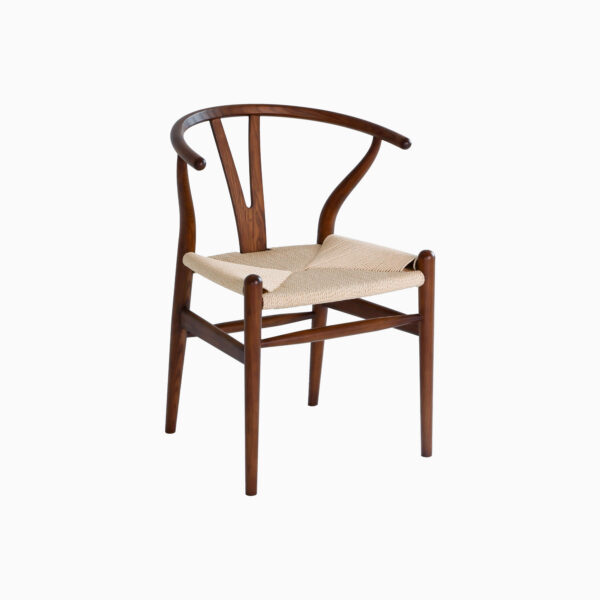
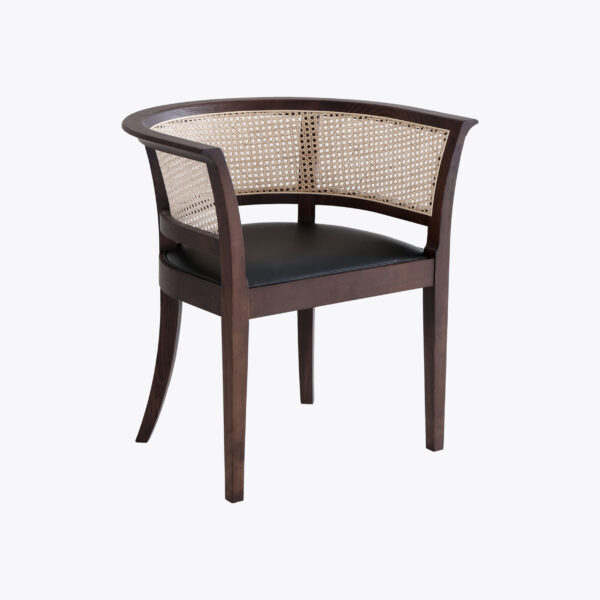
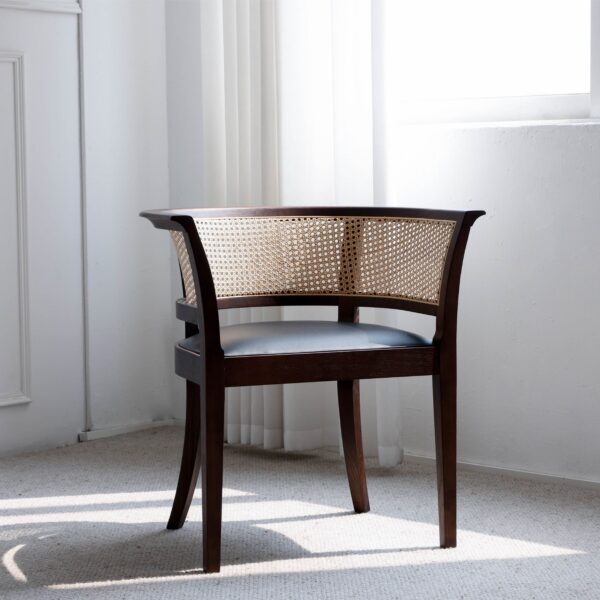
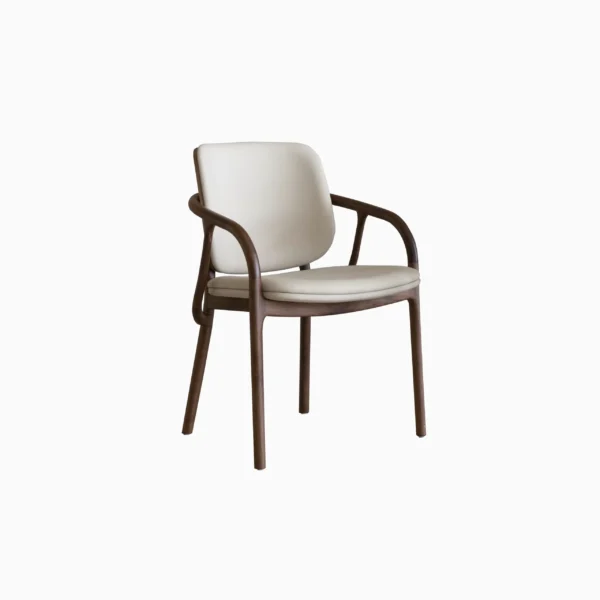
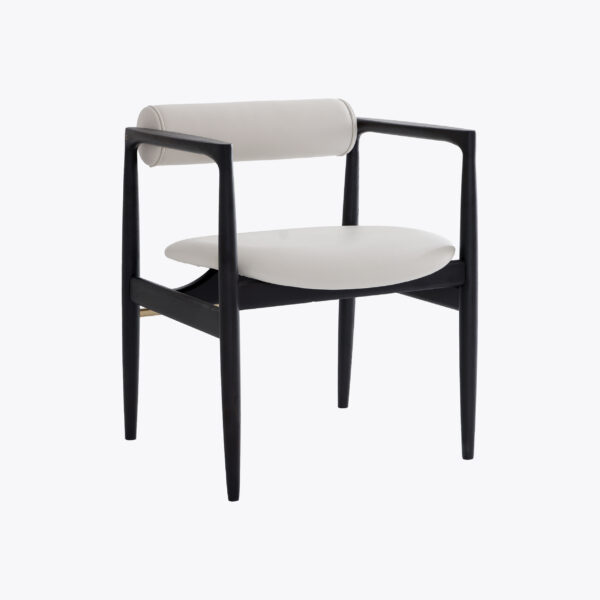
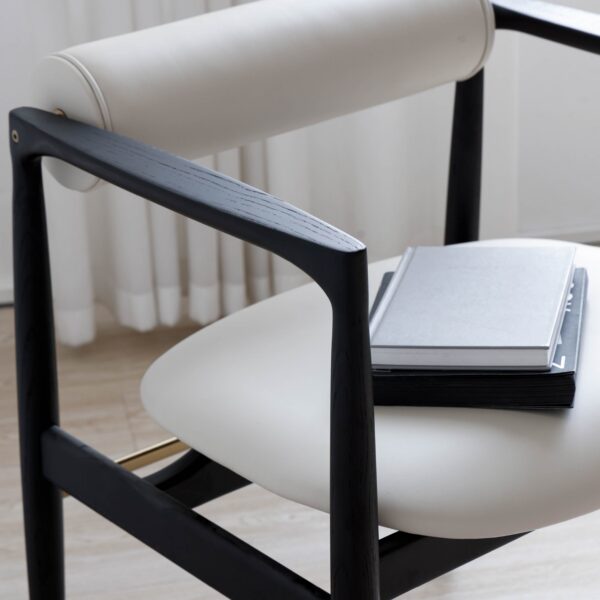
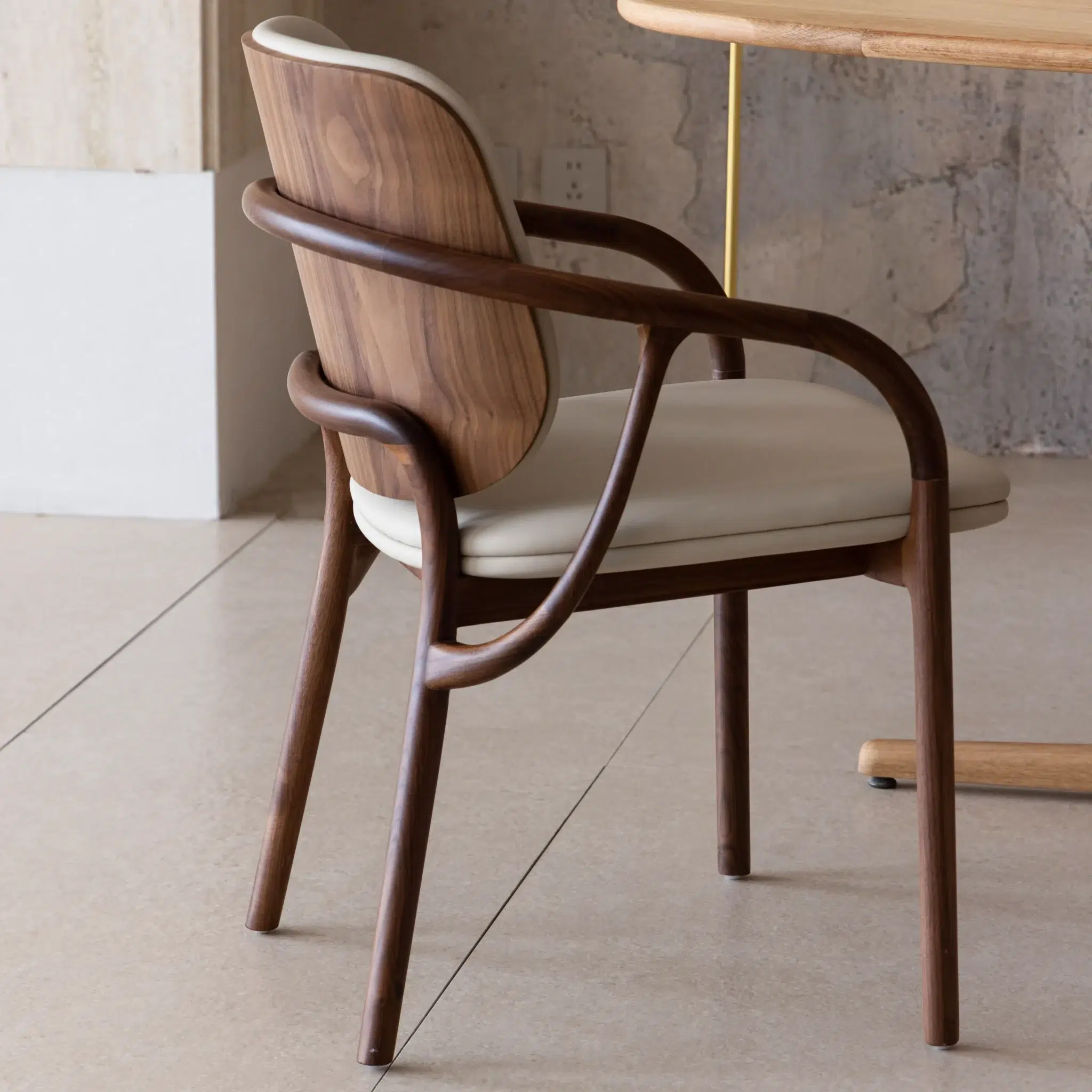
Rather than blending quietly into a space, walnut pieces can act as focal points, introducing contrast against lighter walls or flooring. This effect can be seen in pieces such as our Mufan Dining Chair, where walnut framing enhances the richness of the upholstery while maintaining a balanced, sculptural silhouette.
Walnut is also available as a finish for our Crown Dining Chair. While we previously discussed the Crown Chair in white oak, the walnut option introduces a darker, more dramatic interpretation of the same form, allowing the chair to sit comfortably within interiors that favour deeper timber palettes.

How Grain Shapes The Character Of Furniture
Grain patterns play an important role in how timber furniture is perceived. A straight grain can emphasise precision and structure, which suits minimalist interiors.
When the grain becomes more visible or irregular, the surface begins to feel more organic. In many contemporary homes, timber furniture adds warmth that balances harder materials such as stone, glass, or metal.
Durability And Longevity
One of the reasons timber remains widely used in furniture design is its durability. Hardwoods such as oak, ash, and walnut are capable of handling everyday use while maintaining their structure over time. Rather than wearing out quickly, quality timber furniture tends to develop subtle character as it ages.
For many homeowners, this long lifespan is part of the appeal. A well-made piece can remain in use for decades.
Choosing Timber For Your Interior
Selecting the right wood often comes down to the atmosphere you want a room to convey.
Lighter timbers tend to sit softly within a space. Their pale tone reflects more light, which helps interiors feel open and relaxed. For this reason, lighter woods are often used in contemporary or Scandinavian-inspired interiors where clarity, airiness, and visual calm are important.
Darker woods create a different effect. Richer tones introduce depth and visual weight, allowing a piece of furniture to anchor a room or draw attention to a particular area. In dining spaces especially, a darker timber table or chair can ground the composition of the room, providing contrast against lighter walls or flooring.
Grain also plays a role in this atmosphere. Subtle, straight grain patterns emphasise precision and structure, while more expressive grain can introduce a sense of movement and natural character across the surface of the piece. When materials are chosen thoughtfully, furniture does more than serve a function. It becomes part of the architectural language of the interior, shaping how a space feels as much as how it looks.
Discover Furniture Crafted From Carefully Selected Timbers
When timber is selected with intention, furniture becomes part of the architectural composition of the room.
Explore our collection to see how carefully chosen materials shape both the structure and atmosphere of contemporary interiors.