What Is Architectural Minimalism in Interior Design?
Estimated reading time: 4 minutes
Minimalism has shaped interior design for decades. Yet a new direction has emerged within this philosophy: architectural minimalism. Rather than focusing only on reducing clutter, architectural minimalism emphasises structure and form. Furniture, lighting and objects work with the architecture of a space rather than competing with it. The result is an interior that feels refined and deeply intentional.
This design approach has become increasingly popular in modern Australian homes. Homeowners want interiors that feel timeless, rather than trend-driven, and architectural minimalism delivers exactly that.
What Architectural Minimalism Means
Architectural minimalism is a design philosophy that places architecture at the centre of the interior. Walls, ceilings, light and proportion guide how a space feels and functions. Instead of filling rooms with decoration, the design relies on strong forms and carefully chosen materials and furniture. Every object has a purpose. Each piece of furniture contributes to the overall composition of the room.
This approach creates spaces that feel open and balanced. Surfaces remain clean, visual noise disappears and the architecture becomes the hero of the interior.
The Key Elements of Architectural Minimalism:
Although architectural minimalist homes often look simple, they rely on thoughtful design decisions
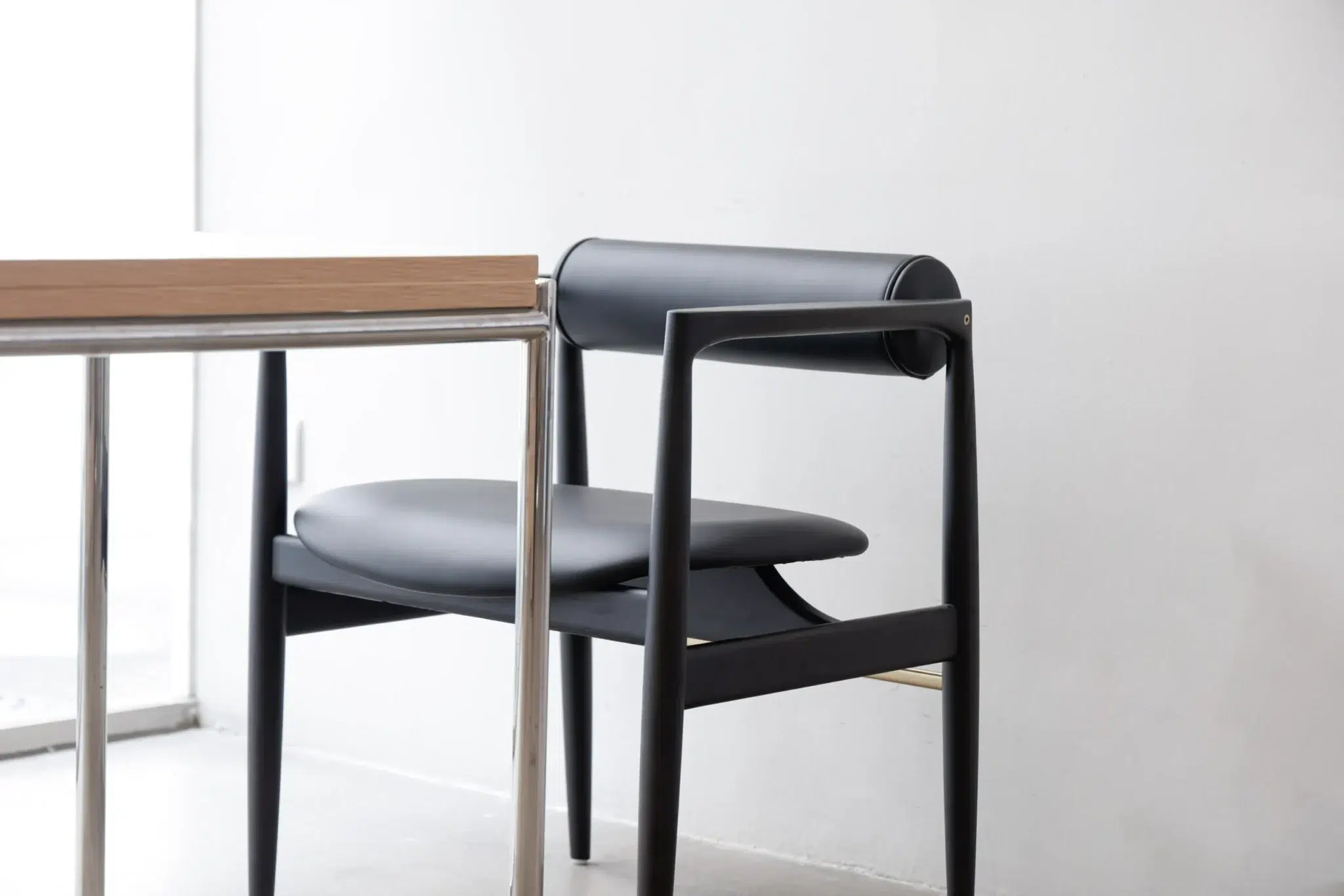
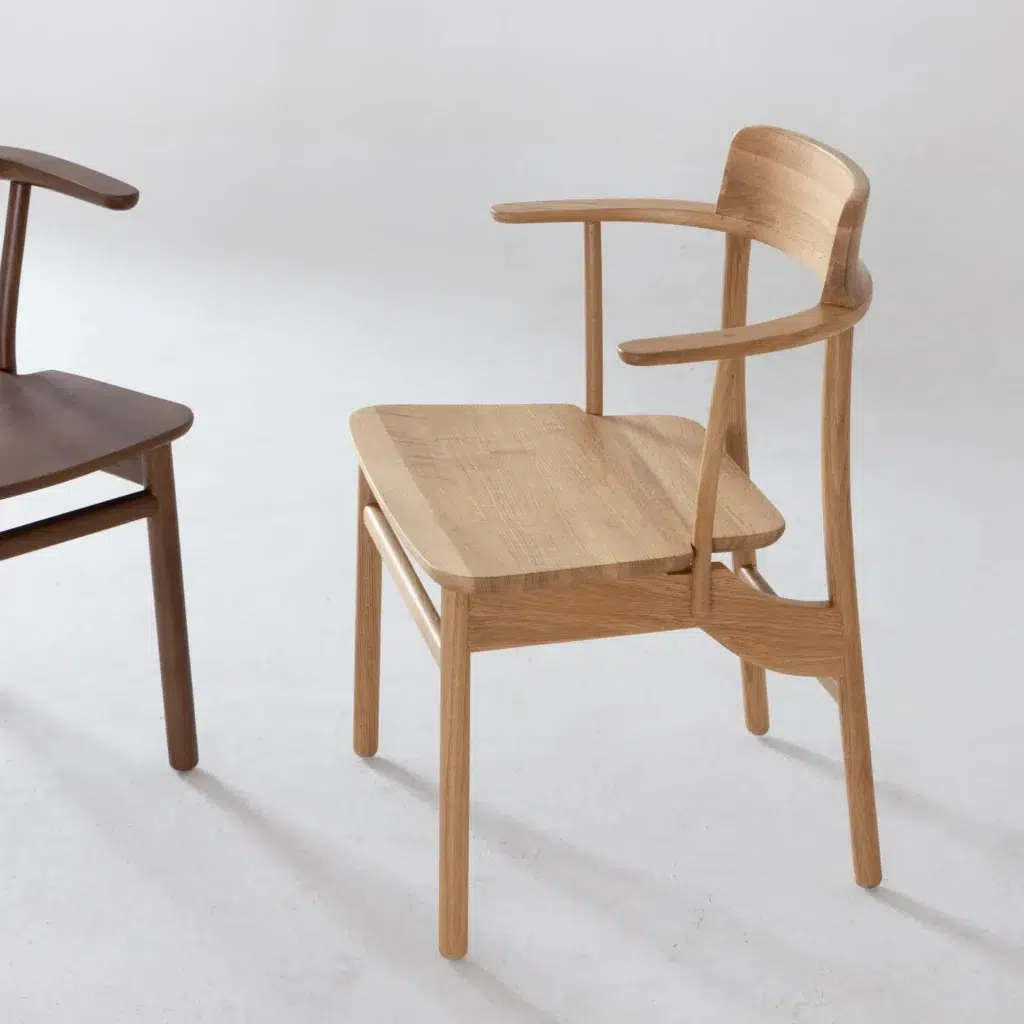
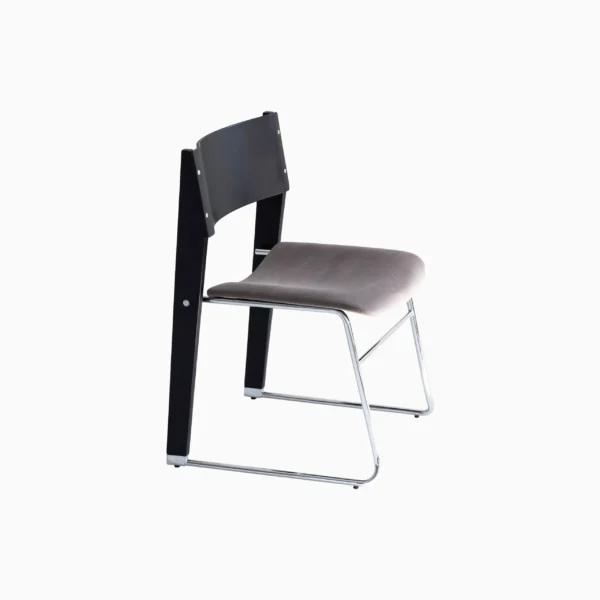
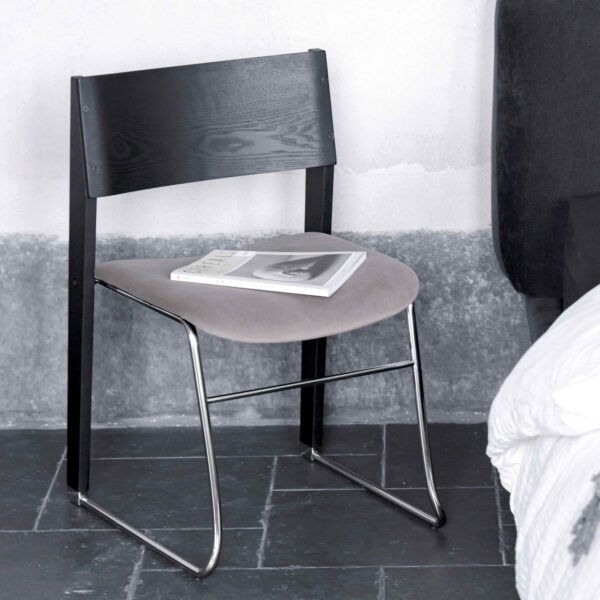
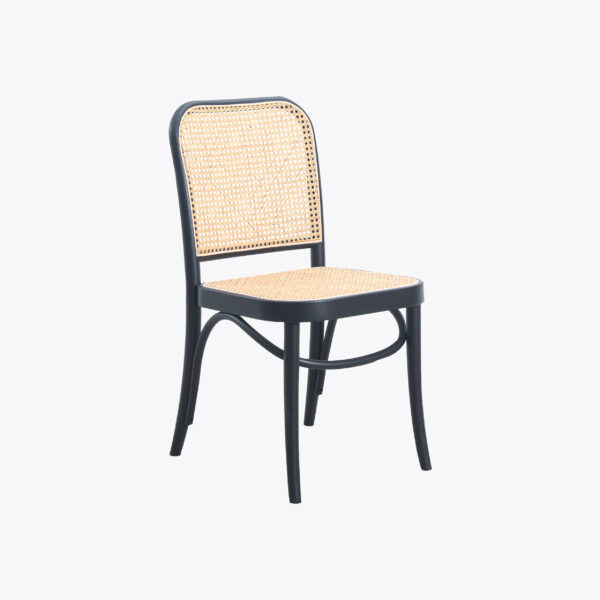
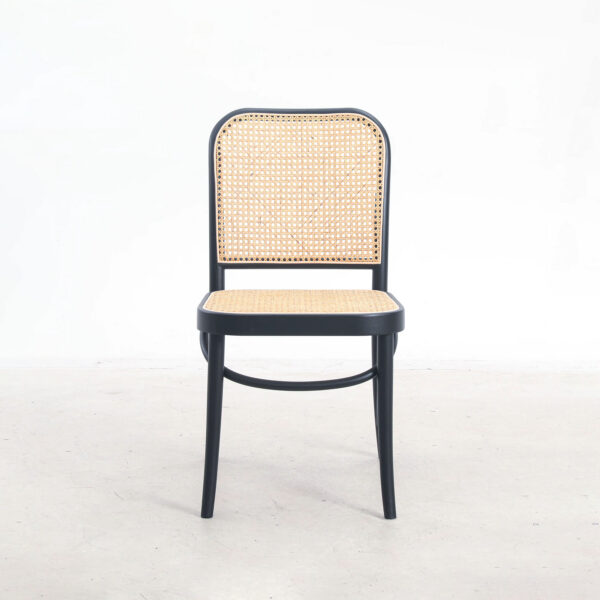
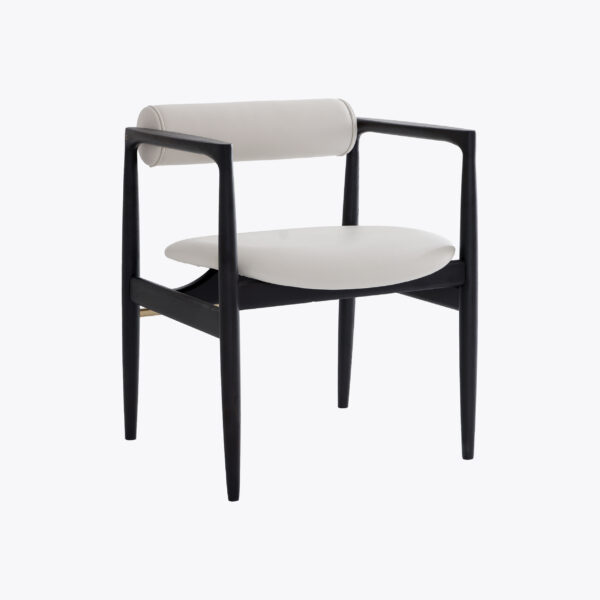
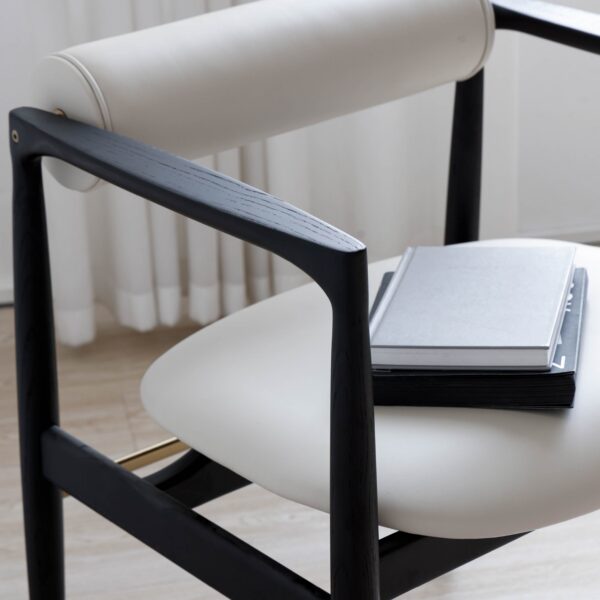
The Quokka Chair in Black Frame + Black Seat
Clean lines and defined forms
Straight lines, geometric shapes and strong silhouettes form the foundation of architectural minimalism. These elements create visual clarity and help the space feel organised and calm.
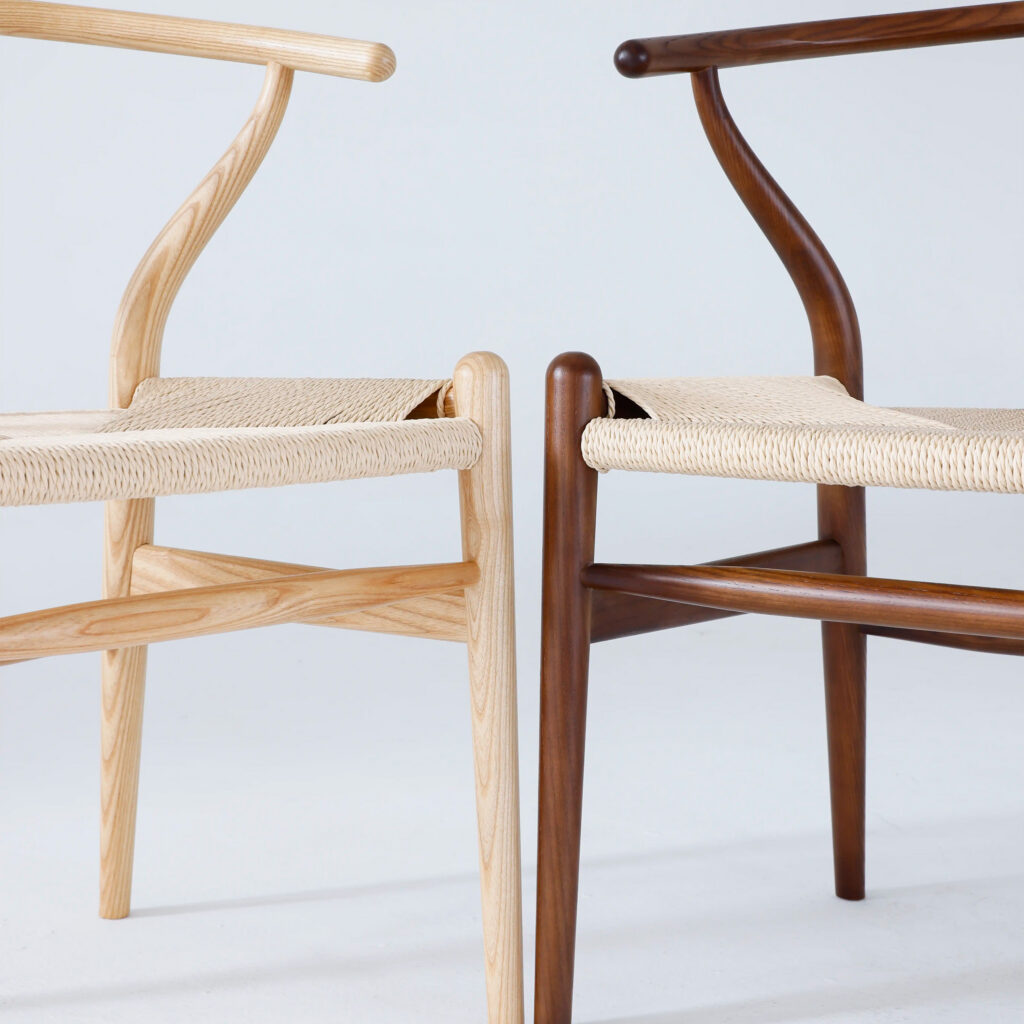
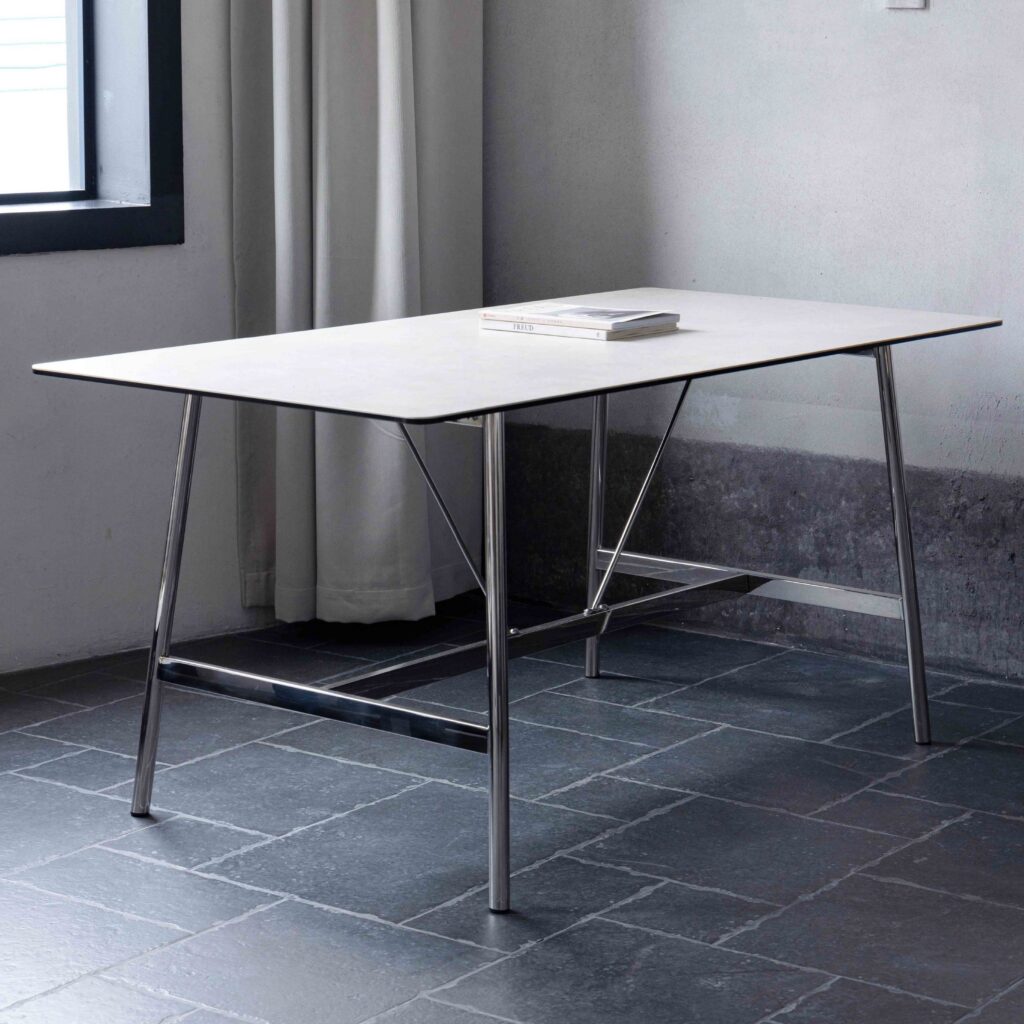
Furniture in these interiors often mirrors the structure of the architecture. Tables, chairs and cabinetry feature clear lines that reinforce the room’s layout.
Natural materials
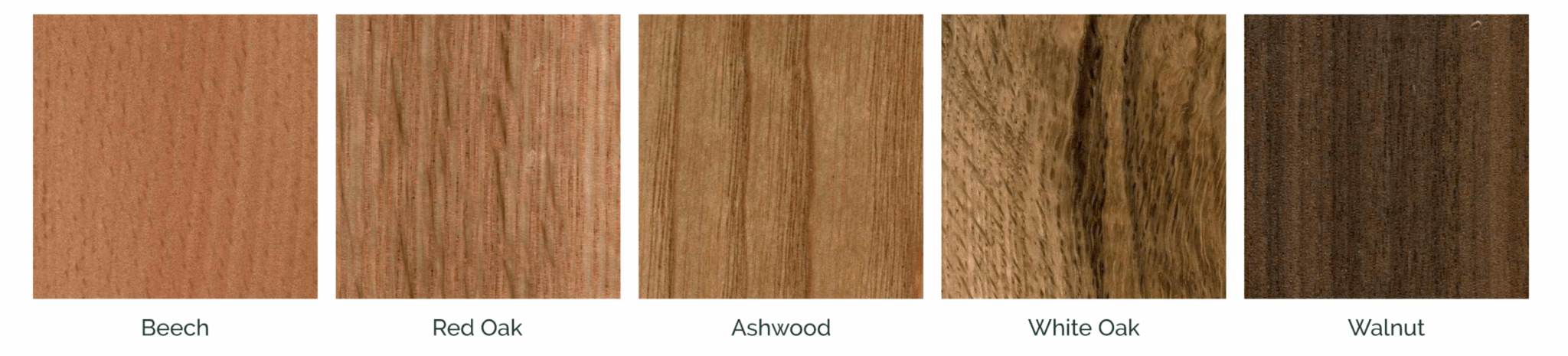
Materials play a crucial role in architectural minimalist interiors. Timber, stone, concrete and metal introduce depth and warmth without adding visual clutter.
Rather than covering surfaces with decoration, designers allow the natural grain, texture and tone of materials to stand out. This approach brings subtle richness to minimalist spaces.
Space and natural light
Architectural minimalism values openness. Rooms breathe more easily when furniture placement respects circulation and sightlines. Large windows, soft daylight and uncluttered surfaces help create interiors that feel calm and spacious.
Why Architectural Minimalism Is Growing in Modern Homes
Many homeowners now seek interiors that feel calm, functional and timeless. Architectural minimalism answers this need by focusing on quality rather than quantity. Instead of filling a home with decorative objects, the design prioritises fewer pieces that make a stronger impact. Each item contributes to the overall atmosphere of the space.
This philosophy also suits contemporary architecture. Modern homes often feature open layouts, large windows and clean structural forms. Architectural minimalism works naturally within these environments.
Furniture in Architectural Minimalist Interiors
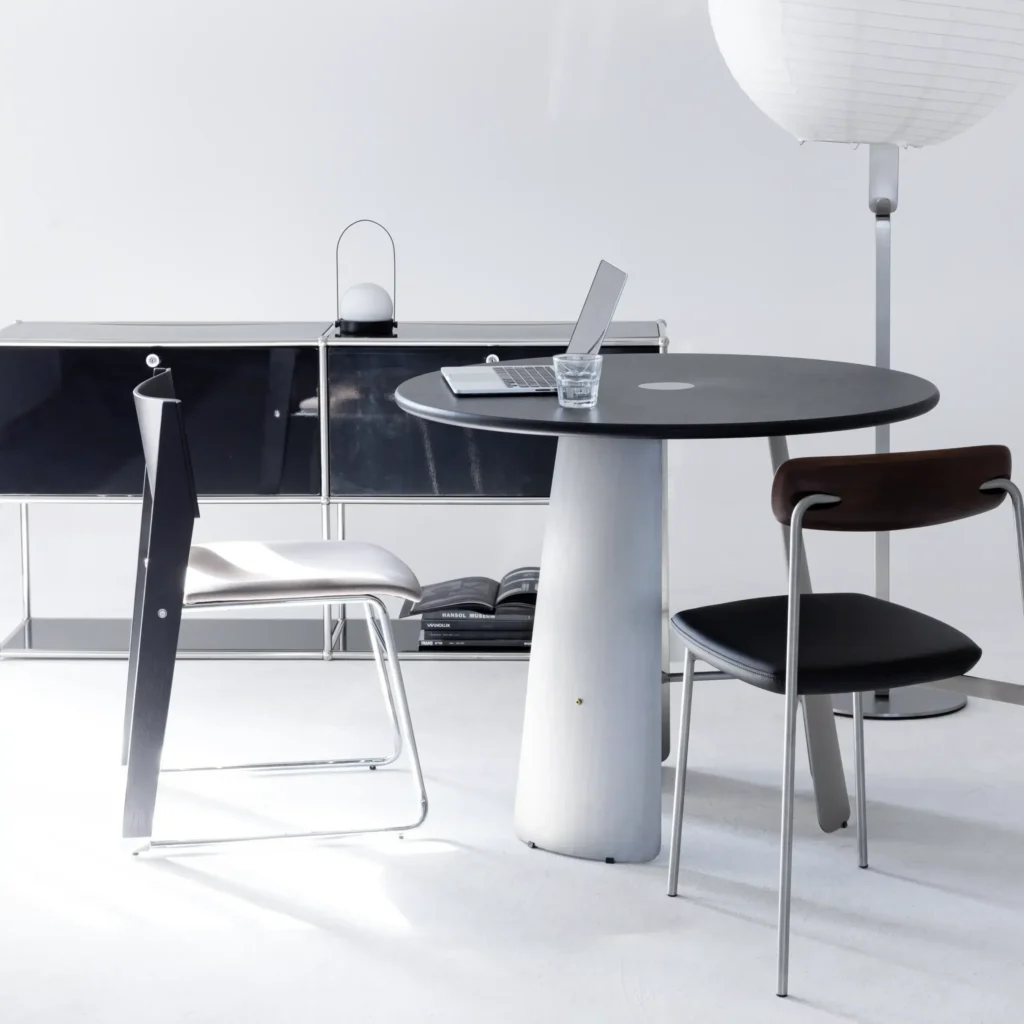
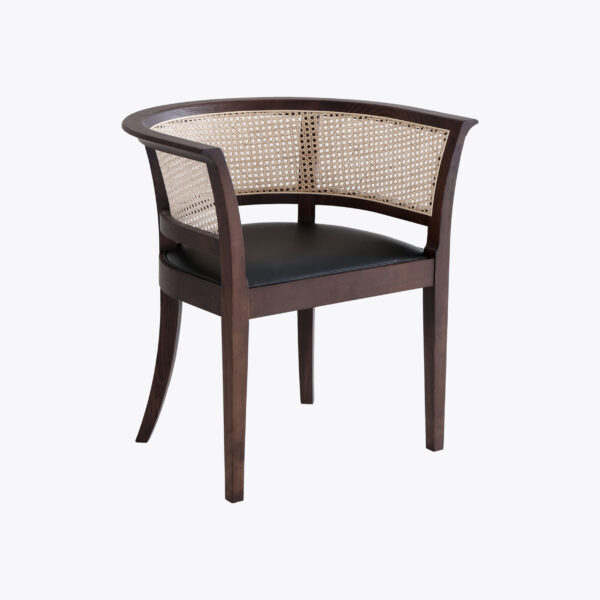
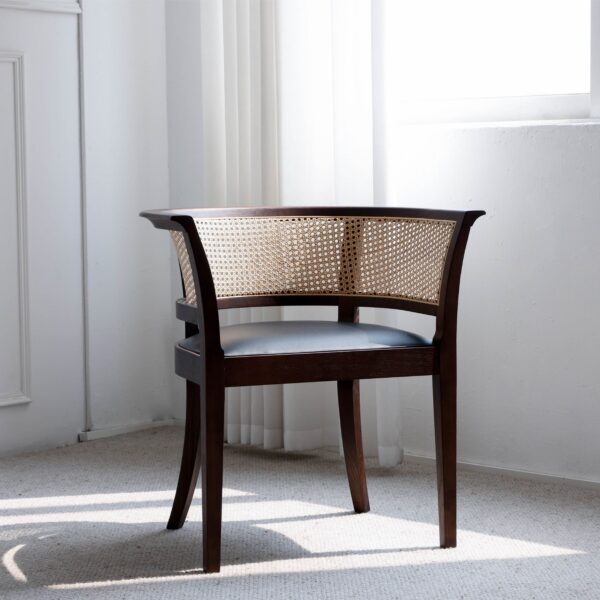
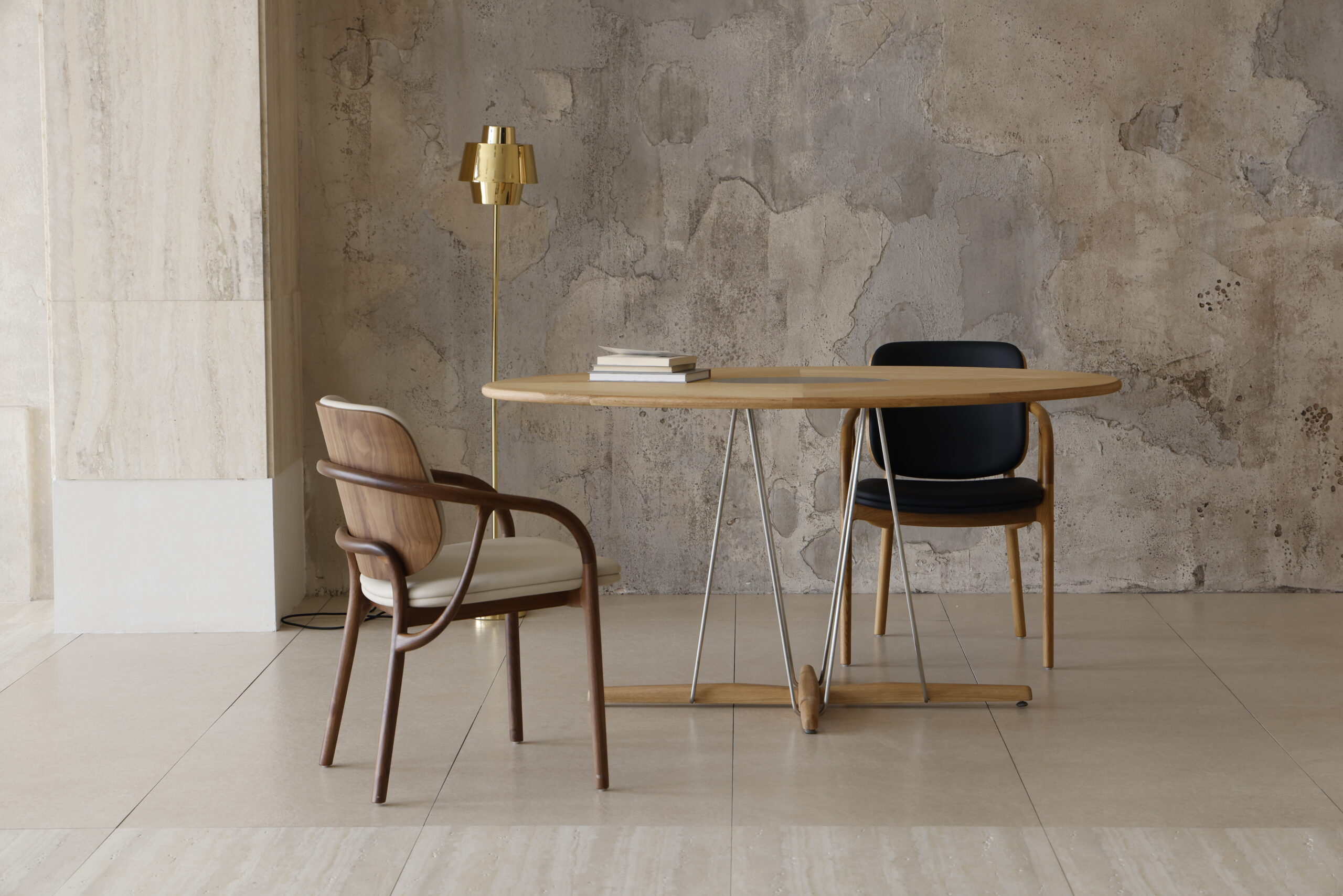
Furniture plays an important role in architectural minimalist homes. Because decorative elements remain limited, each piece must carry visual weight. Rather than acting as background objects, furniture often becomes a sculptural extension of the architecture.
For example, a statement coffee table can anchor a living room while maintaining the simplicity of the space. The Lotus Coffee Table illustrates this idea well. Its curved form introduces sculptural interest while remaining refined and balanced.
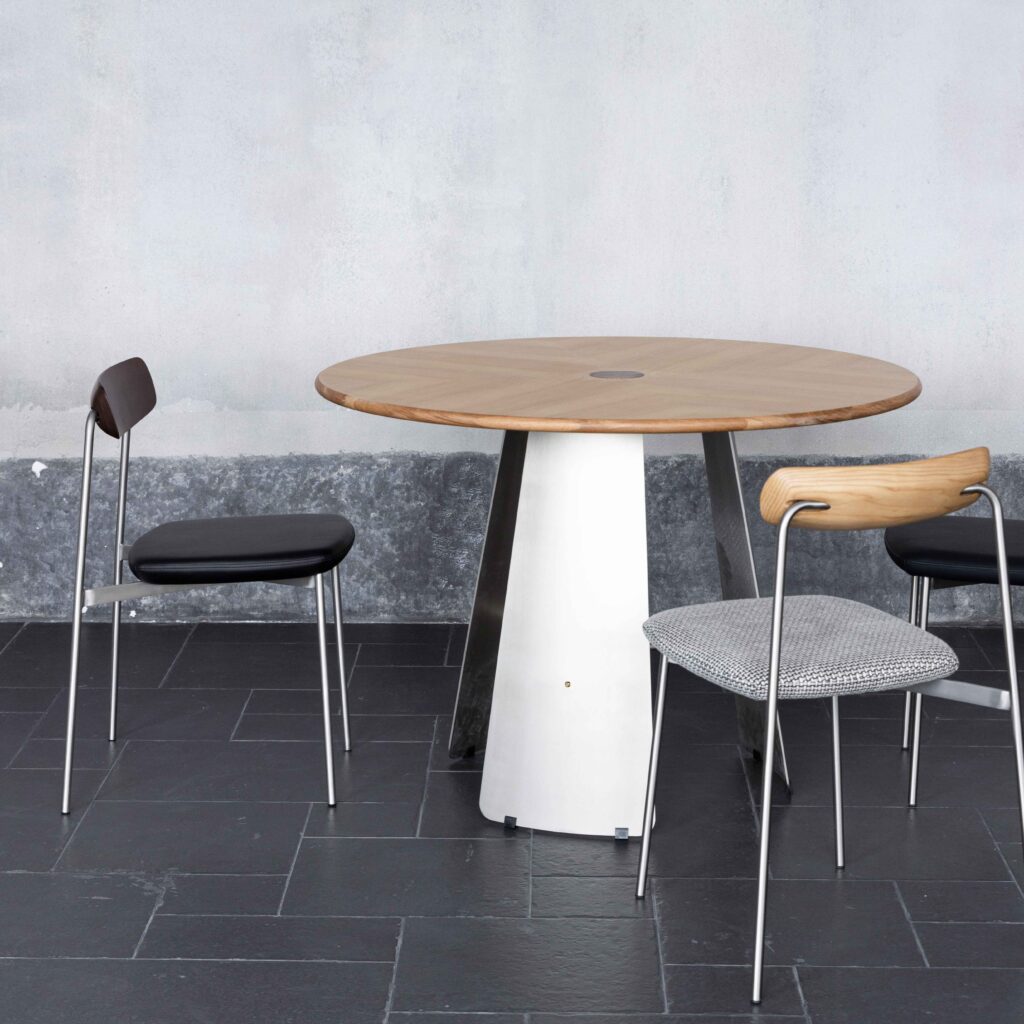
Dining areas also benefit from strong architectural furniture. A piece such as the Monet Round Dining Table emphasises proportion and material quality. Its clean geometry allows it to complement modern interiors without overwhelming the room.
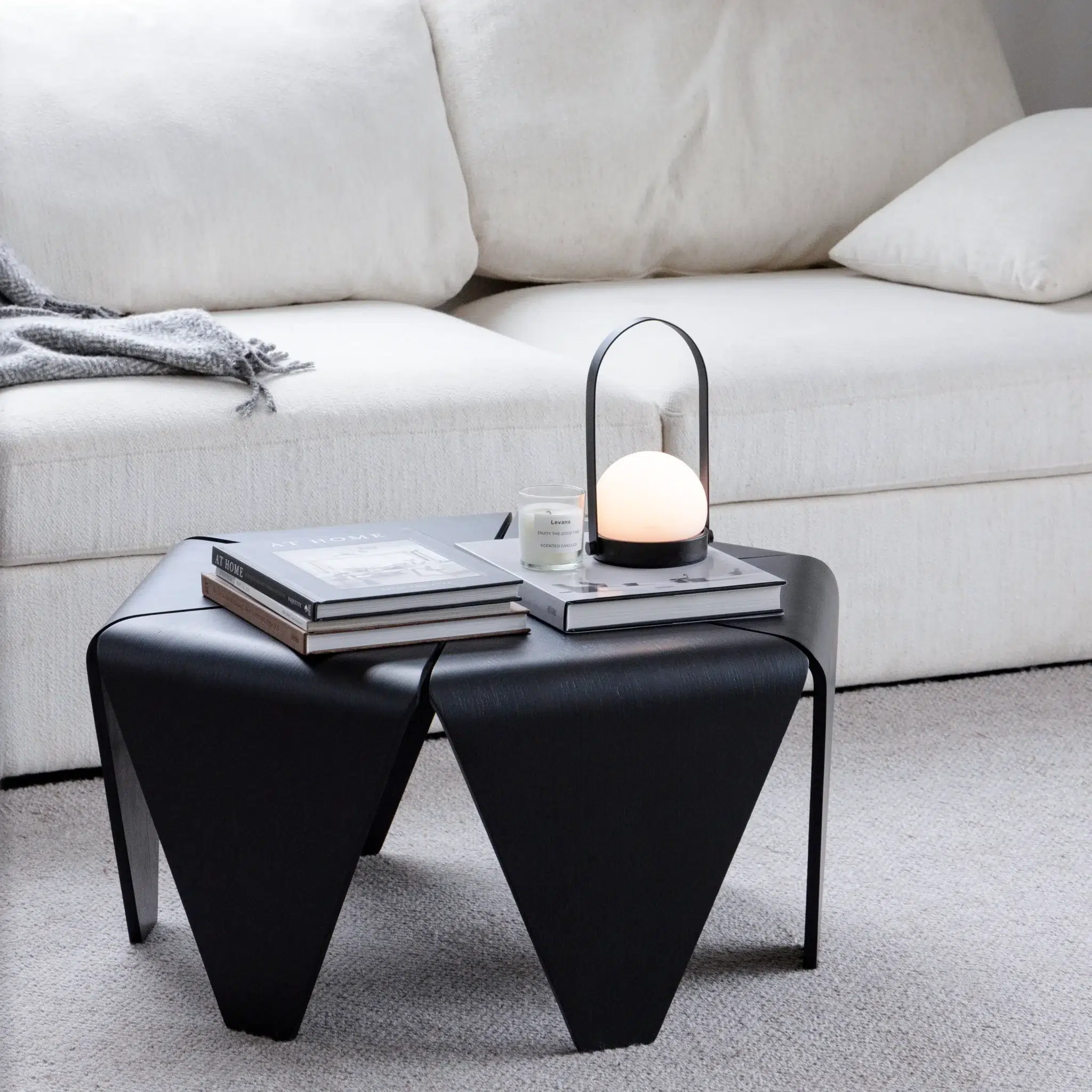
The Lotus Coffee Table in Black 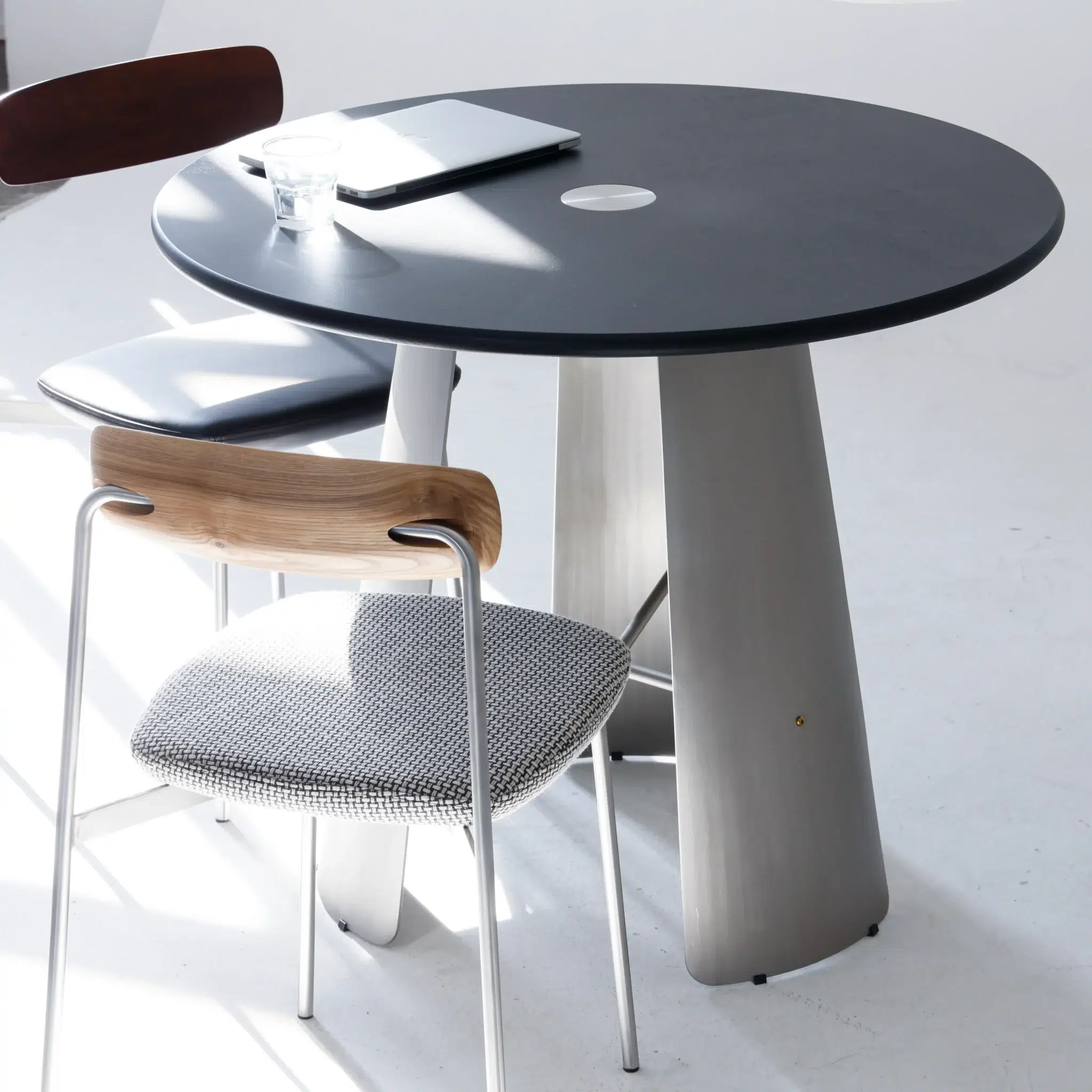
The Monet Round Dining Table in Black 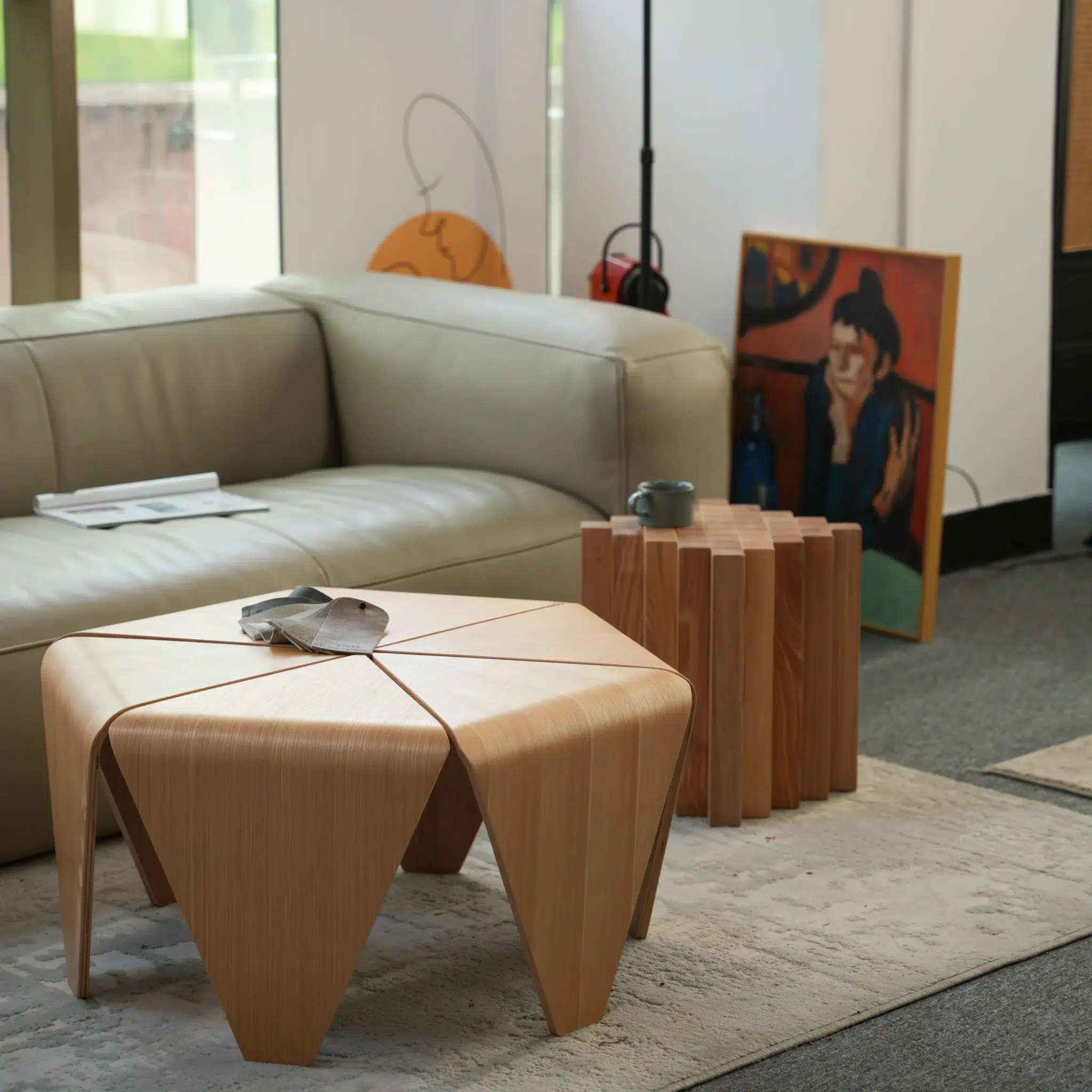
The Lotus Coffee Table in Natural Timber 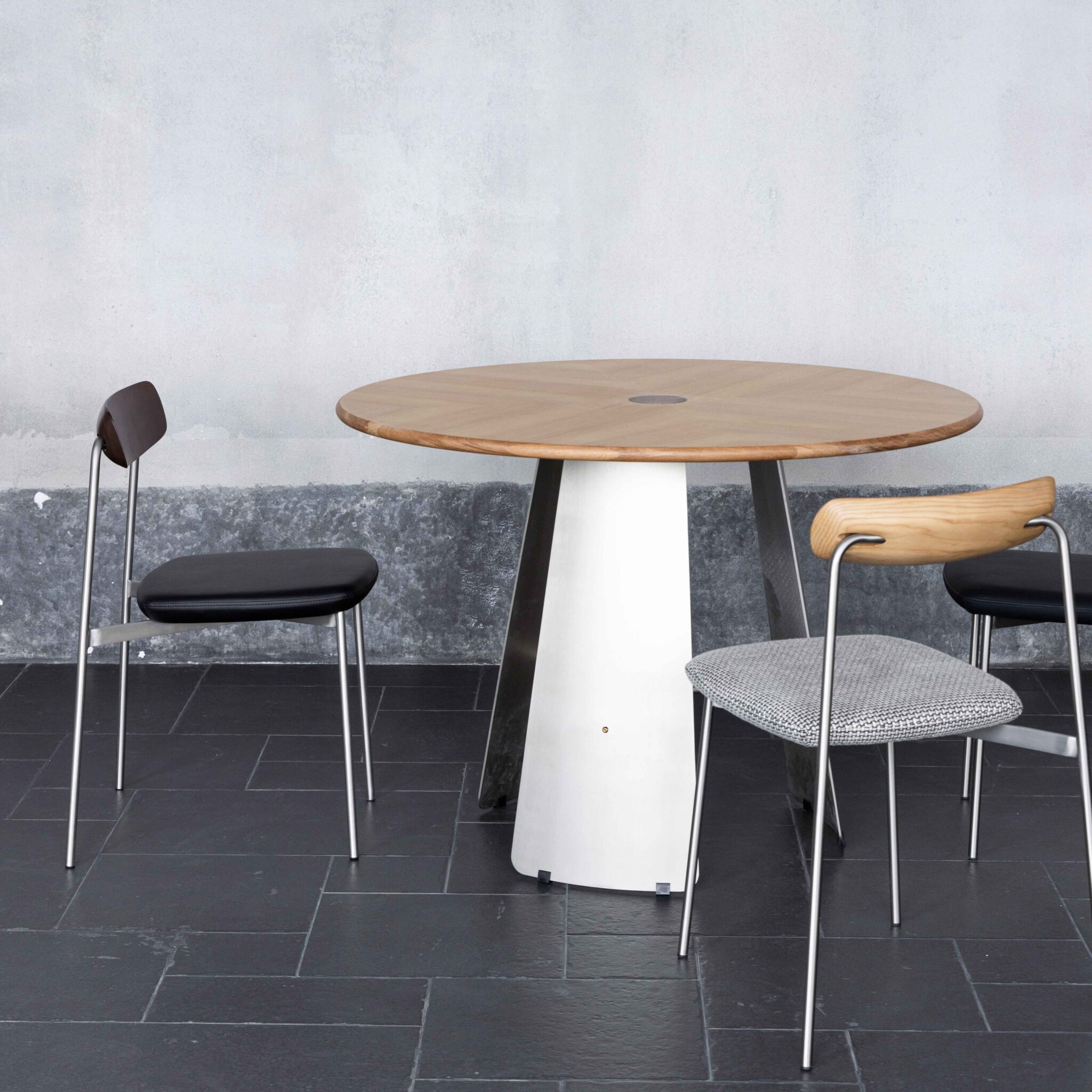
The Monet Round Dining Table in Natural Timber 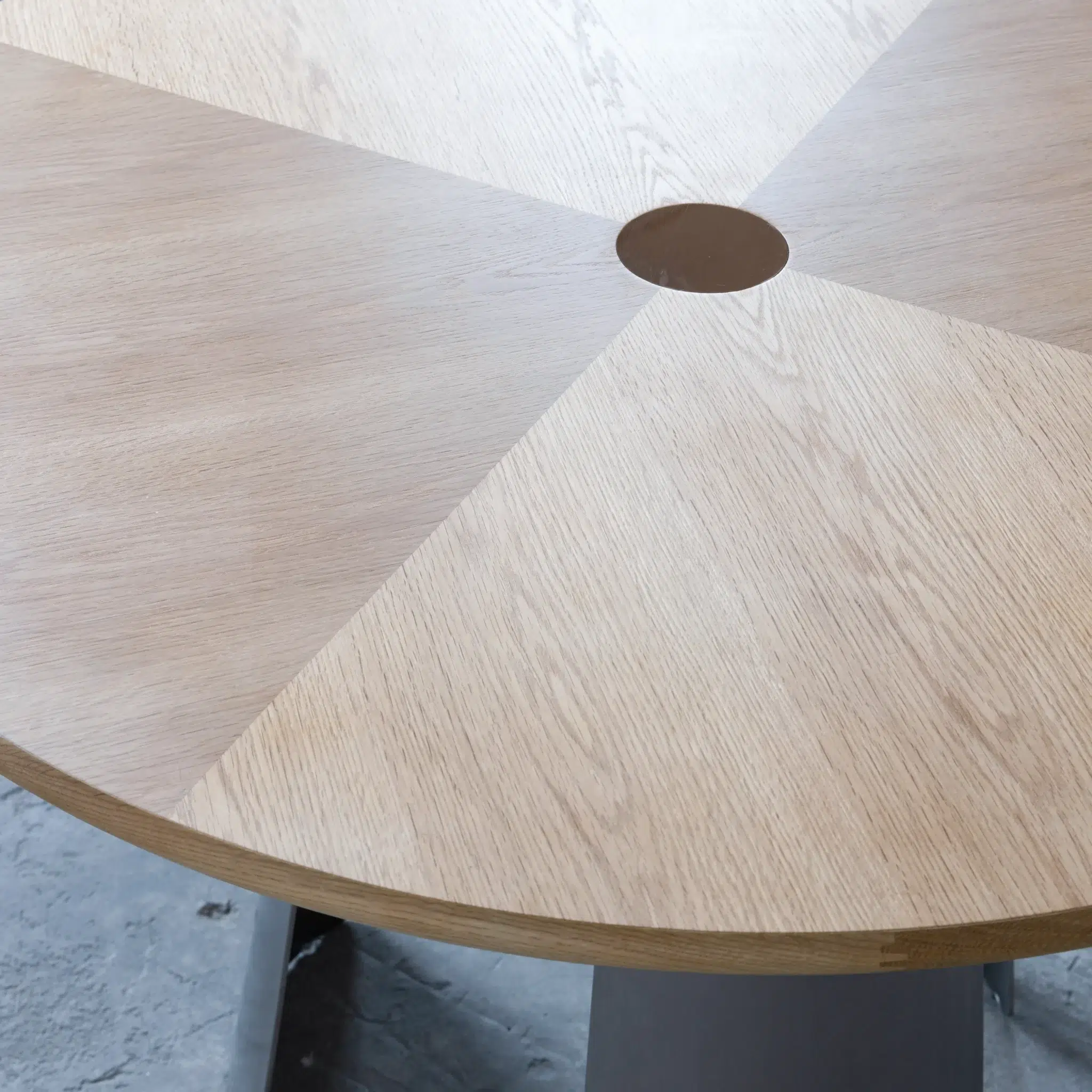
The Monet Round Dining Table in Natural Timber 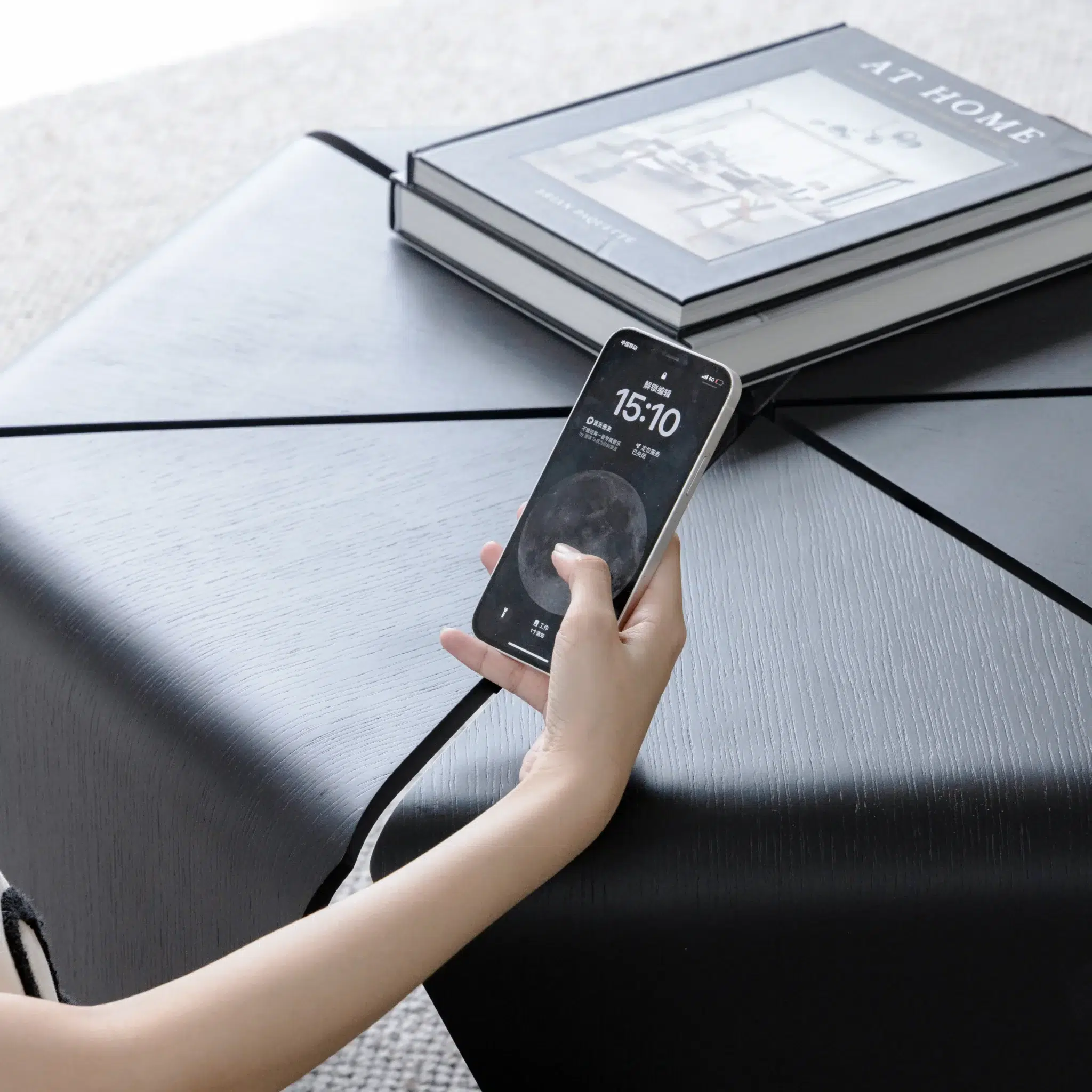
The Lotus Coffee Table in Black
How to Bring Architectural Minimalism Into Your Home
Creating an architectural minimalist interior does not require an empty space. Instead, the focus should remain on intentional design choices. Start by reducing unnecessary decoration. Allow the architecture of your home to guide furniture placement and visual balance. Choose materials that feel authentic and durable. Natural timber, stone and metal can introduce warmth without adding visual clutter.
Finally, invest in furniture that offers strong form and craftsmanship. A few well-designed pieces will create far more impact than a room filled with smaller objects.
The Future of Minimalist Interiors
Architectural minimalism reflects a broader shift in design. Homeowners increasingly value timeless materials, thoughtful craftsmanship and spaces that feel calm to live in.
By focusing on structure and carefully chosen furniture, architectural minimalism creates interiors that remain elegant for years to come.