How to Choose the Right Dining Table for Your Space (Australia Guide)
Estimated reading time: 5 minutes
This dining table guide (Australia) is designed to help you choose the right table for your space. Before thinking about materials or styles, focus on how the table will sit within the room. A well-proportioned dining area allows for comfortable movement around the table.
The table is not just where you eat. It defines movement, sets proportions, and often becomes the centre of everyday life. In many Australian homes, especially open-plan layouts, the dining table connects the kitchen, living area, and circulation zones.
As architects, we always start with the space first. The right table should feel integrated, not imposed.
Start With Your Space, Not the Table
Before thinking about materials or styles, focus on how the table will sit within the room. A well-proportioned dining area allows for comfortable movement around the table. As a general guide, aim to leave around 90cm of clearance on all sides. This ensures chairs can be pulled out easily and people can move through the space without obstruction.
In smaller homes or apartments, this becomes even more important. Oversized tables can quickly dominate a room, making it feel tight and difficult to navigate. A slightly smaller table often creates a more balanced and functional layout. In open-plan spaces, the dining table also acts as a transition point between zones. Its size and placement should support natural movement between the kitchen and living area, rather than interrupt it.
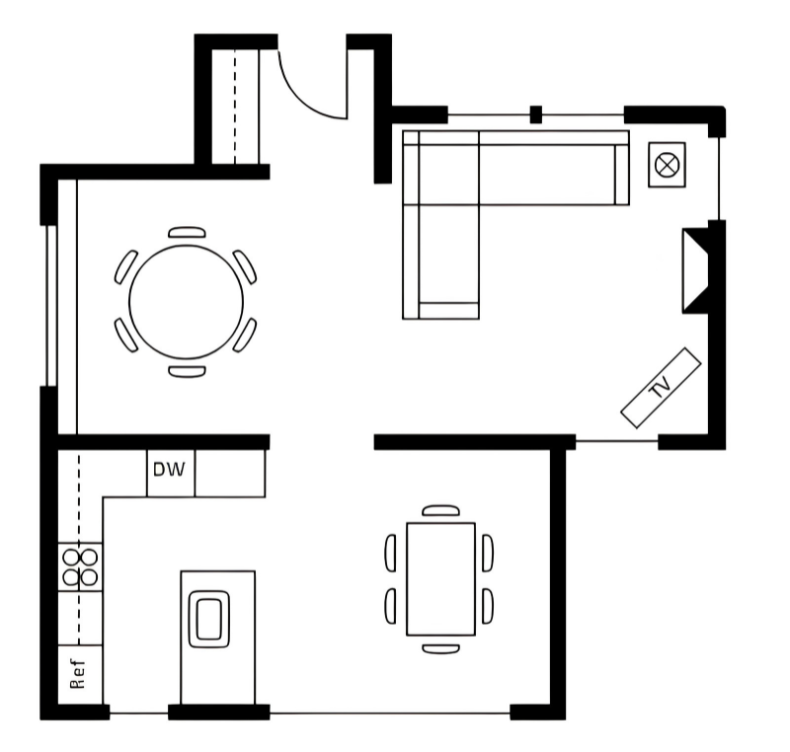
In the reference image above from House Plans Helper, you can clearly see how the dining tables are not placed arbitrarily, but instead respond directly to the proportions and movement of the room. The table shapes and sizes align with the spatial dynamics around them. In narrower rooms, rectangular tables follow the length of the space, reinforcing its linear flow. In more compact or centralised layouts, round tables sit more comfortably within the room, allowing circulation to move evenly around them rather than being interrupted by corners. What this highlights is that a dining table should not be treated as an isolated object. Instead, it acts as a reflection of the room’s geometry.
Choosing the Right Shape
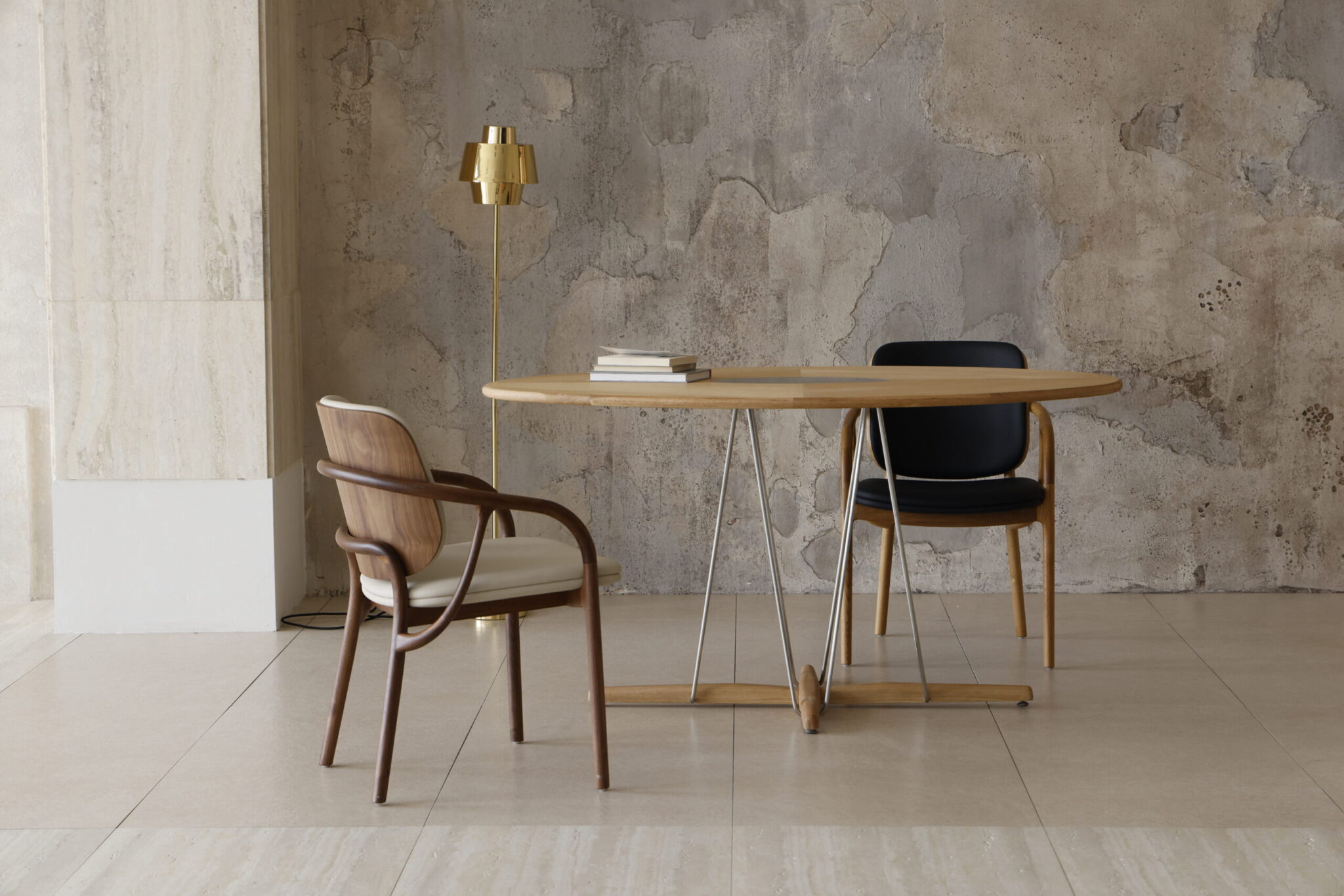
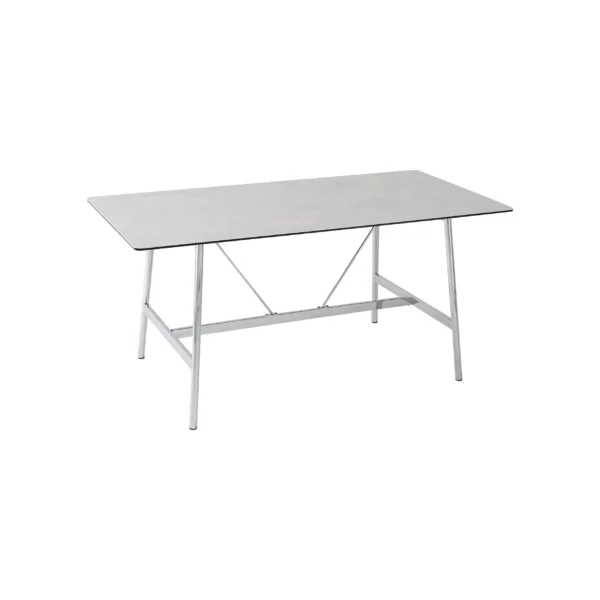
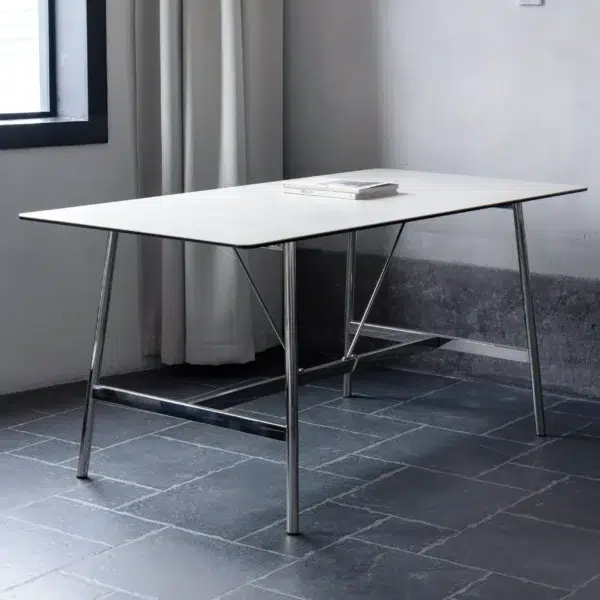
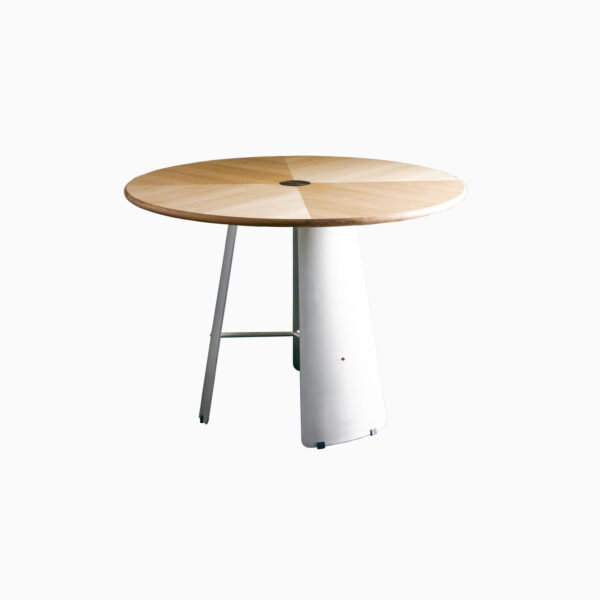
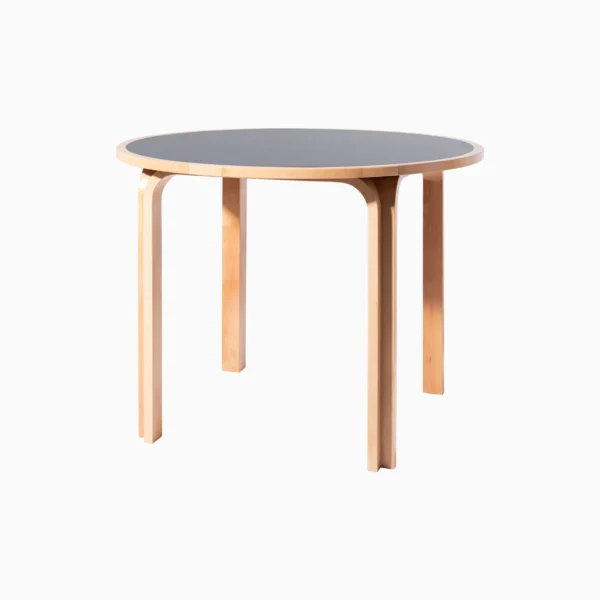
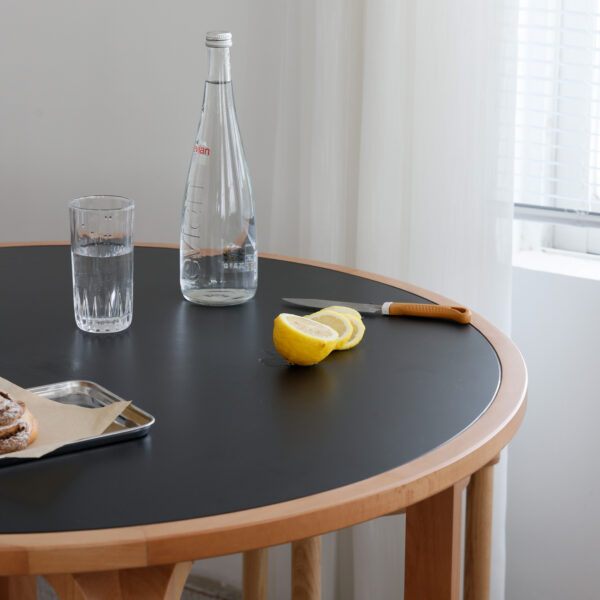
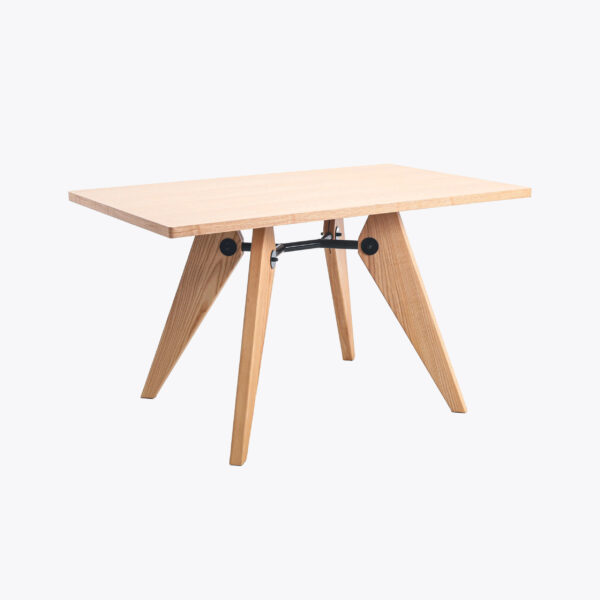
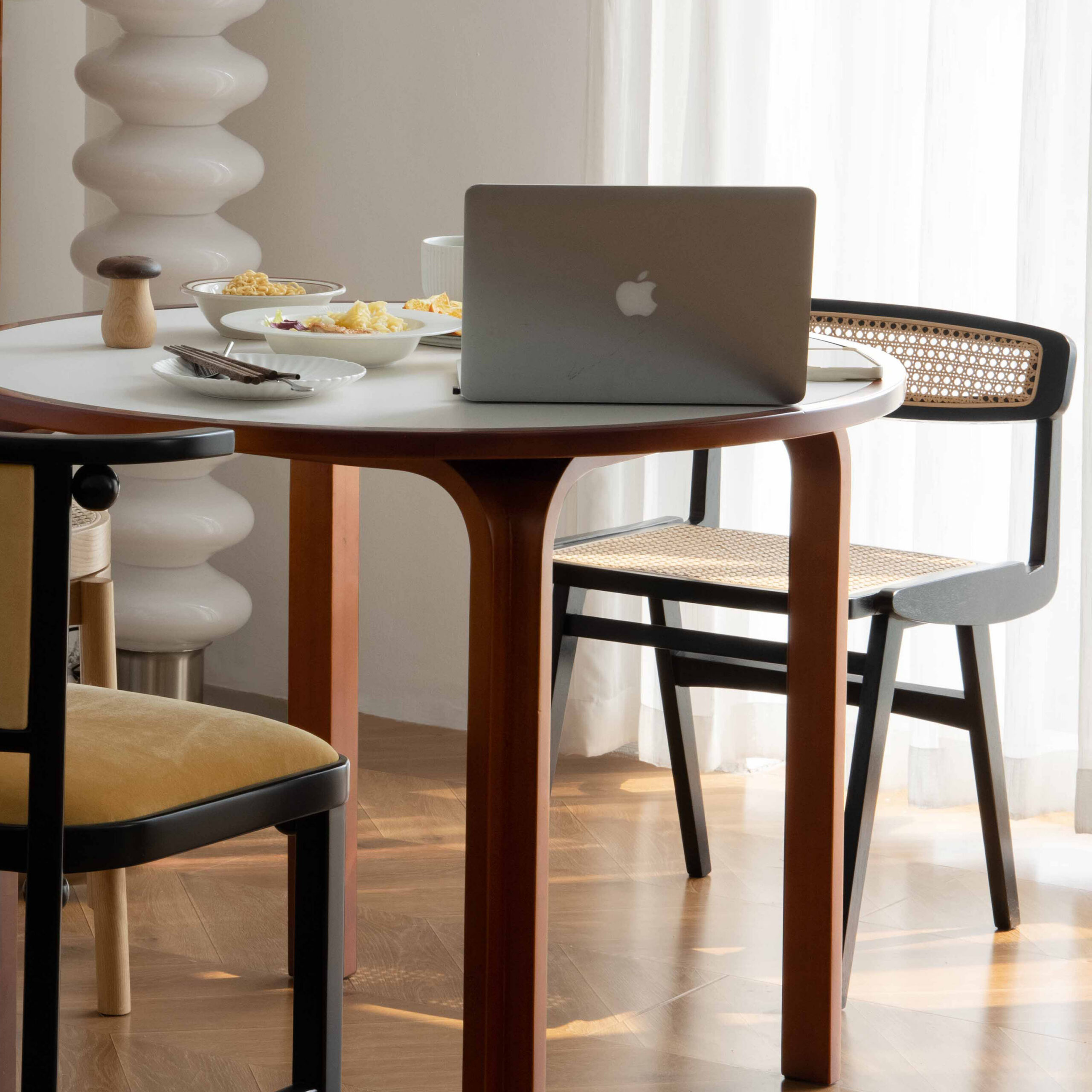
The shape of your dining table has a direct impact on how the room feels and functions. Round tables are well suited to smaller spaces. Without corners, they allow for easier movement and create a softer, more relaxed atmosphere. They also encourage conversation by bringing everyone closer together. Rectangular tables are the most common choice and work best in longer rooms. They maximise seating capacity and create a strong sense of structure within the space.
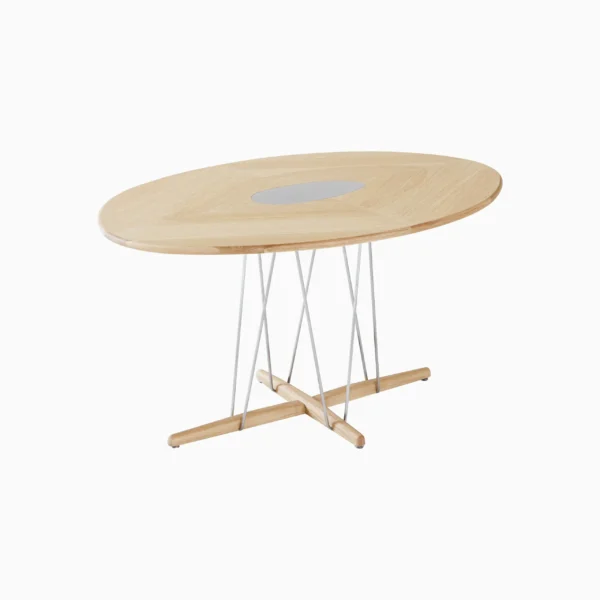
Oval tables offer a balance between the two. They retain the length of a rectangular table while softening the edges, making them ideal for open-plan layouts where flow is important. Square tables are less common but can work well in compact, symmetrical spaces. They create a more intimate setting, particularly in smaller dining areas.
Selecting the Right Size
Once you’ve considered placement and shape, the next step is choosing the right table size. This should be guided by both your space and how you intend to use the table day-to-day.
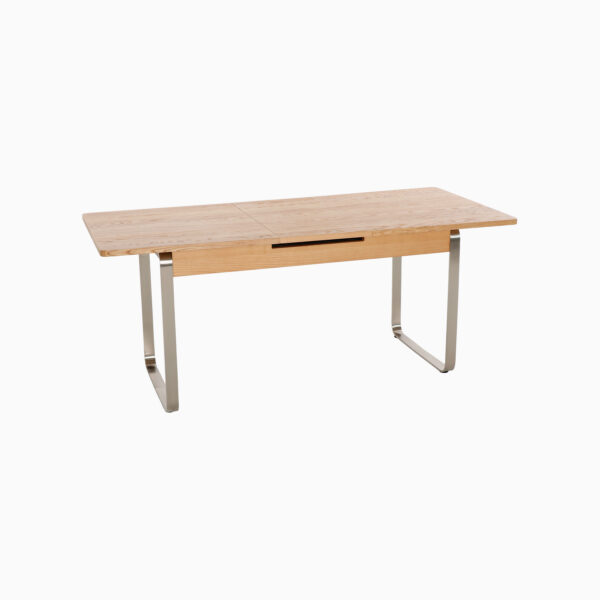
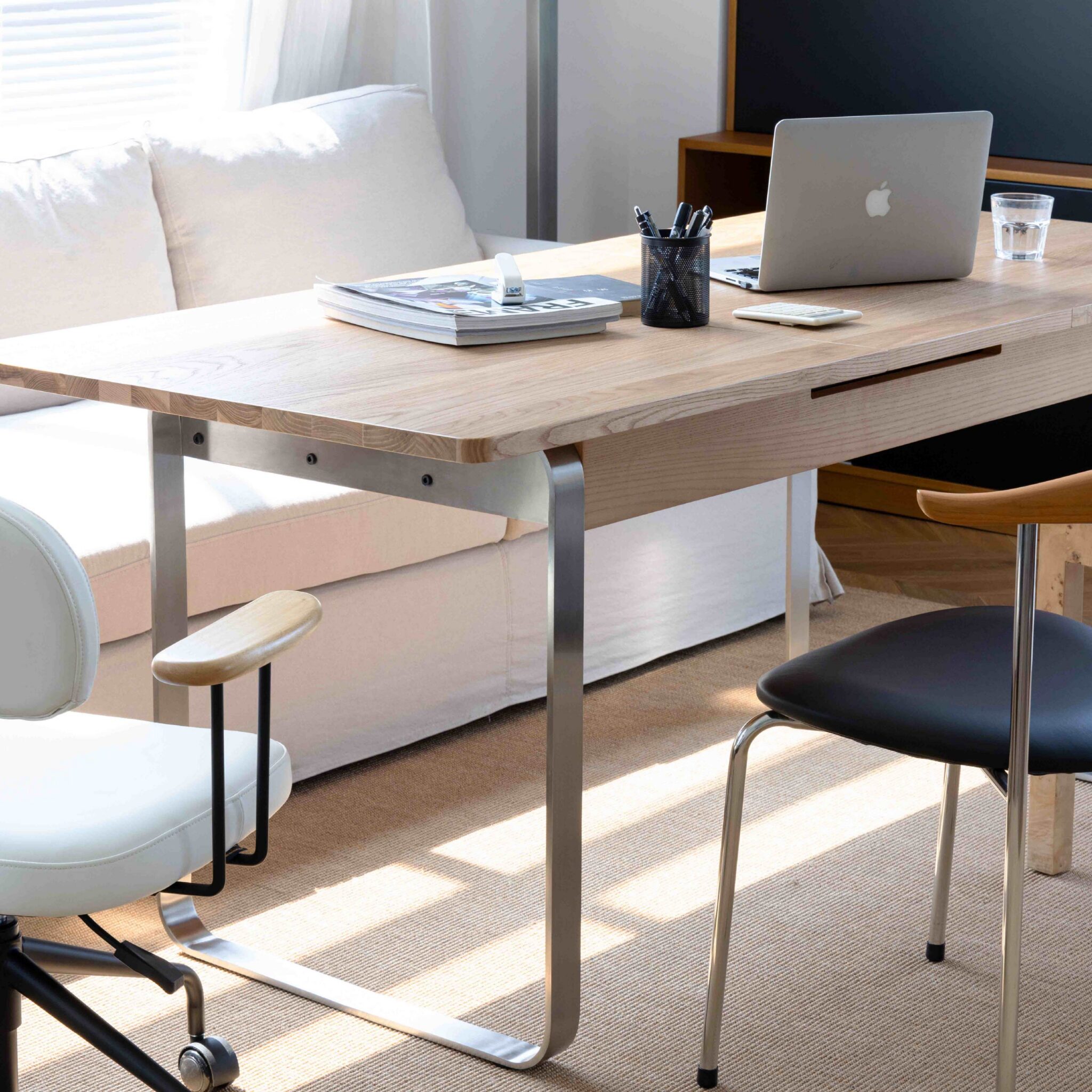
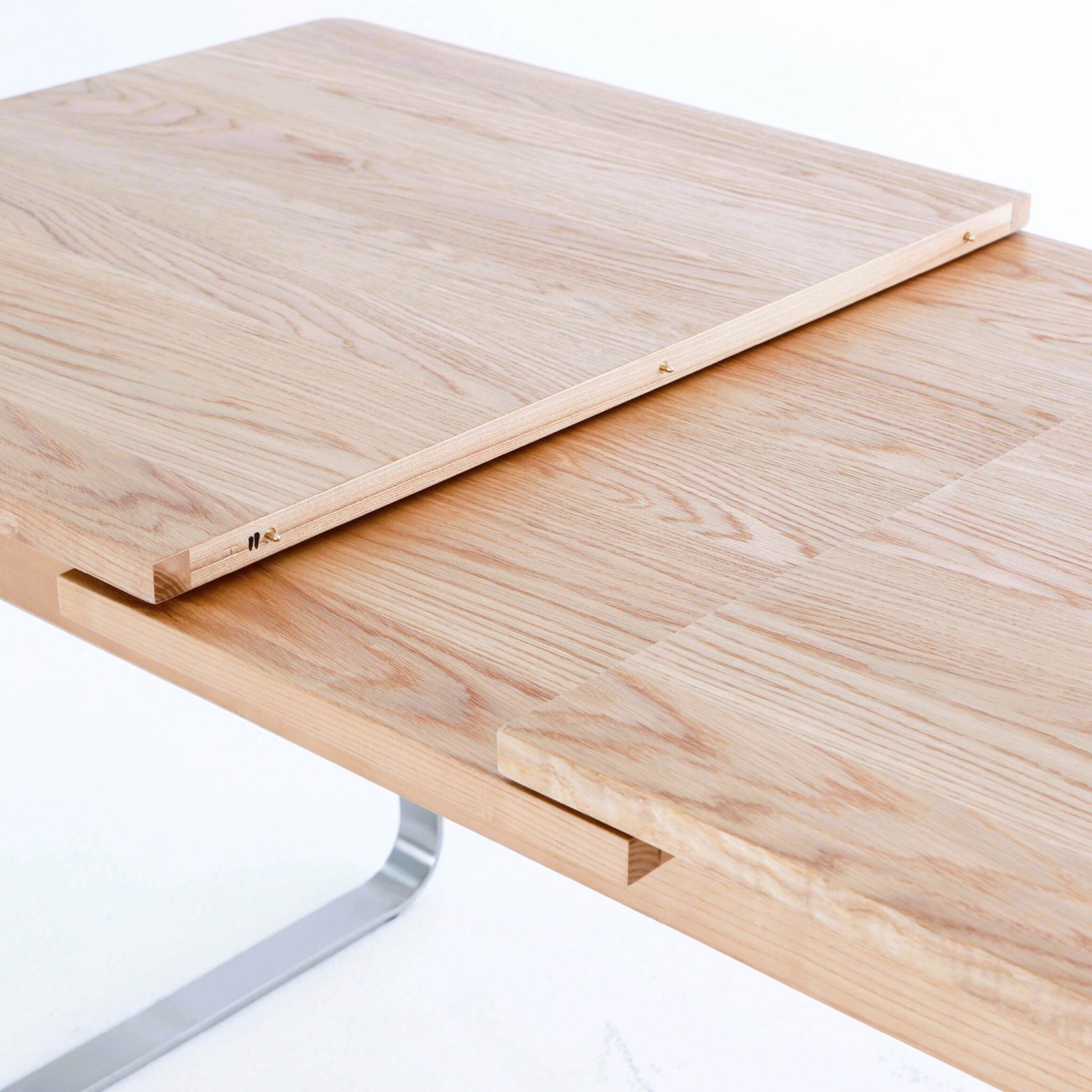
As a general rule, allow around 60-70cm of width per person for comfortable dining. This ensures enough room for place settings without feeling crowded. For rectangular tables, this typically translates to seating two people along each long side, with additional seating at the ends if space allows. It’s also worth thinking beyond your usual needs. If you regularly host guests, an extendable table can offer flexibility without taking up extra space permanently. Extendable designs are particularly well suited to apartments and compact homes, where adaptability is key.
Considering Materials and Finishes
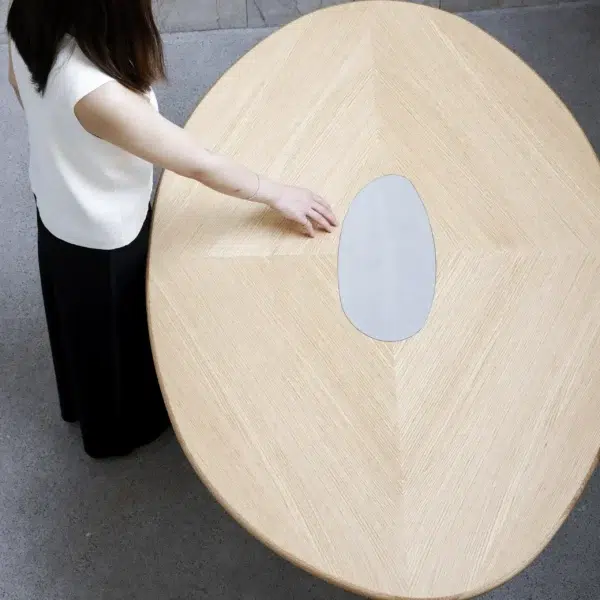
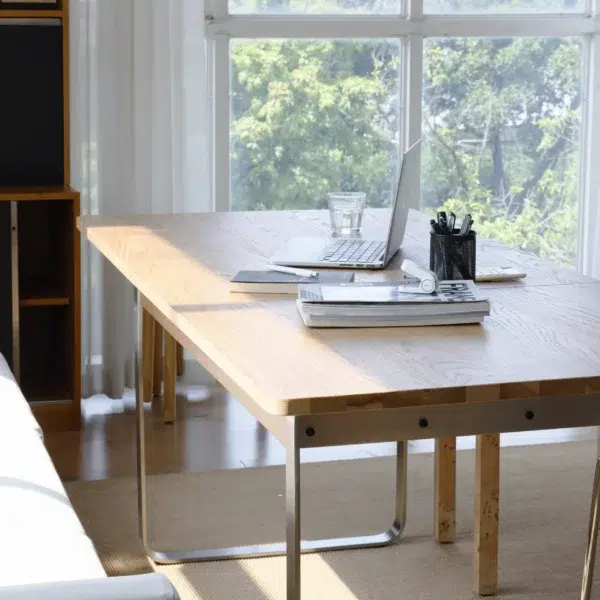
Material choice plays a significant role in both the durability and visual impact of your dining table. Timber remains one of the most popular options for its warmth and versatility. Light timbers can help brighten smaller spaces, while darker finishes create contrast and a more grounded, architectural feel.
Glass-topped tables are another option, particularly in compact interiors. Their transparency allows light to pass through, which can make a room feel more open and less visually crowded. However, they require more frequent maintenance to keep them looking clean.
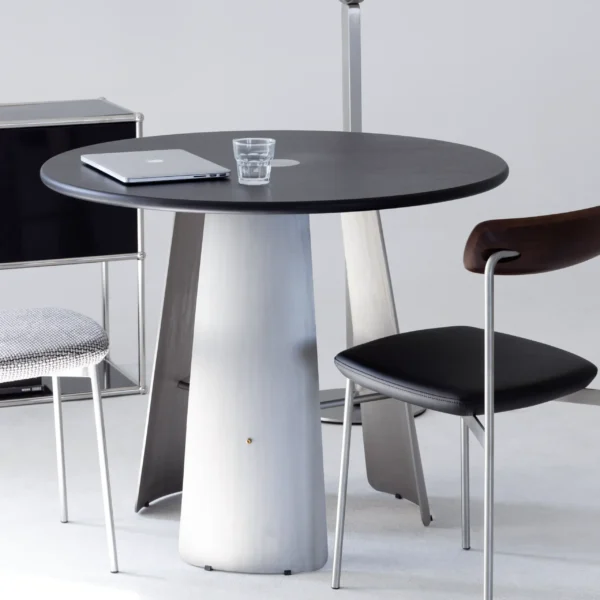
For a more contemporary look, combinations of materials, such as timber paired with metal or stainless steel, can introduce contrast and structure. These combinations align well with modern Australian interiors, where clean lines and material clarity are often prioritised.
Matching Your Interior Style
Your dining table should feel cohesive with the rest of your home. Rather than treating it as a standalone piece, consider how it interacts with surrounding furniture, finishes, and architectural elements.
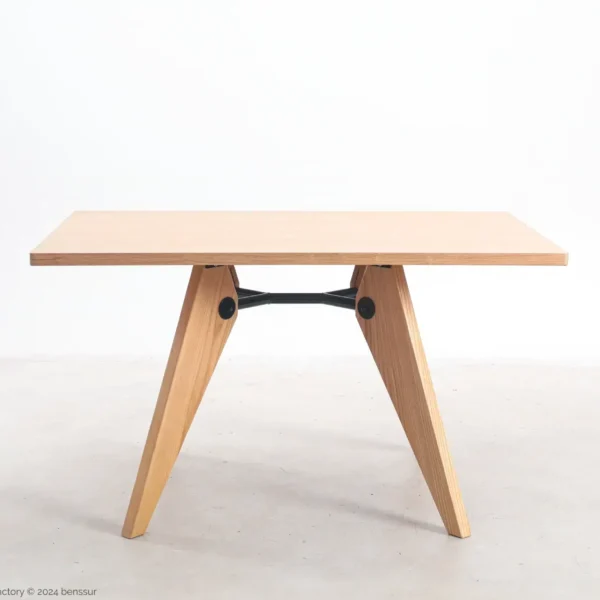
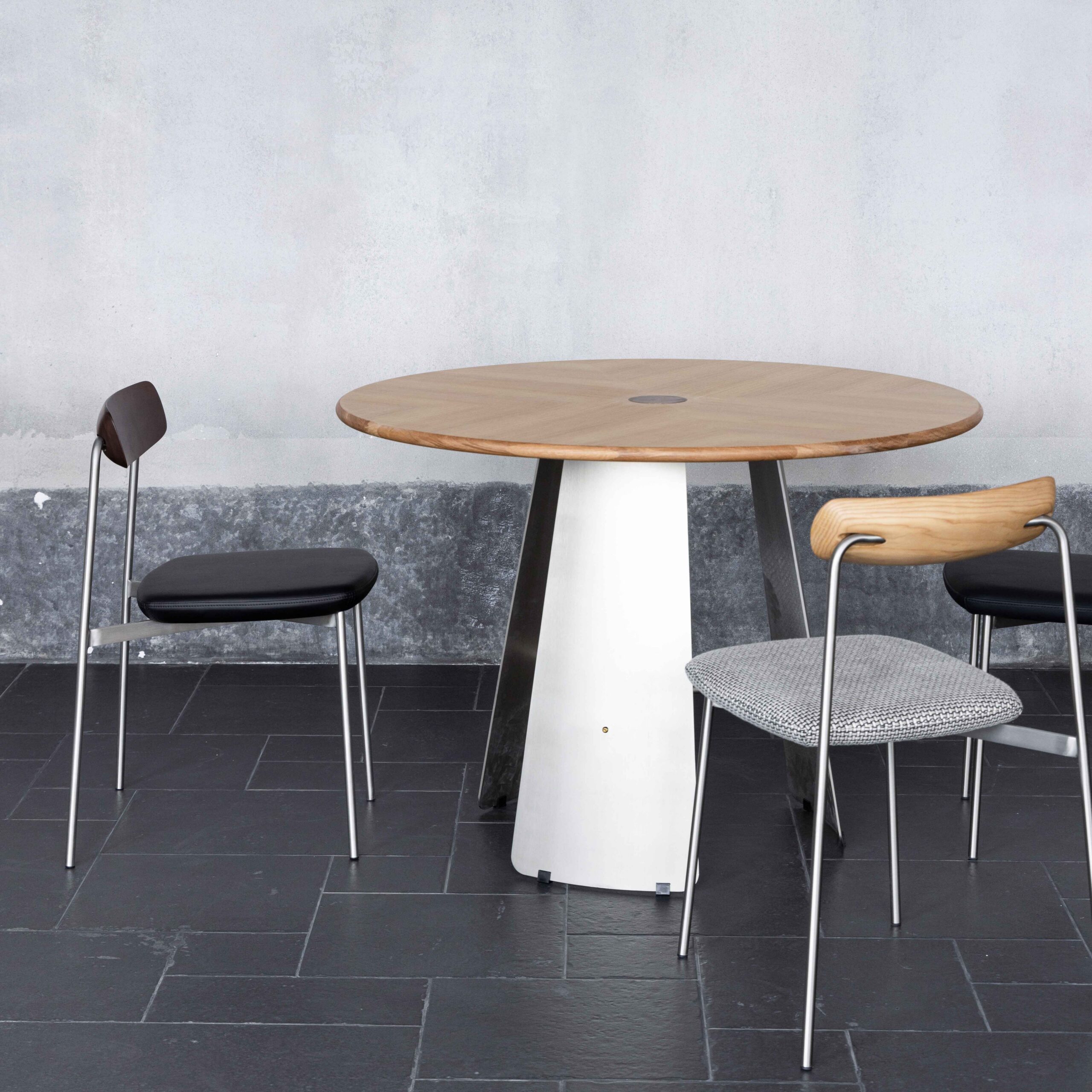
In minimalist or architectural interiors, look for clean silhouettes and refined detailing. Tables with sculptural bases or subtle geometric forms can act as a focal point without overwhelming the space. In more relaxed, organic interiors, softer shapes and natural materials can help create a calm, inviting atmosphere. The goal is to strike a balance between presence and restraint. A well-designed table should anchor the room while still allowing other elements to breathe.
Dining Table Guide Final Considerations
Before making a final decision, take time to measure your space carefully. Use tape or newspaper to map out the table dimensions on the floor, this simple step can help you visualise how it will feel in the room.
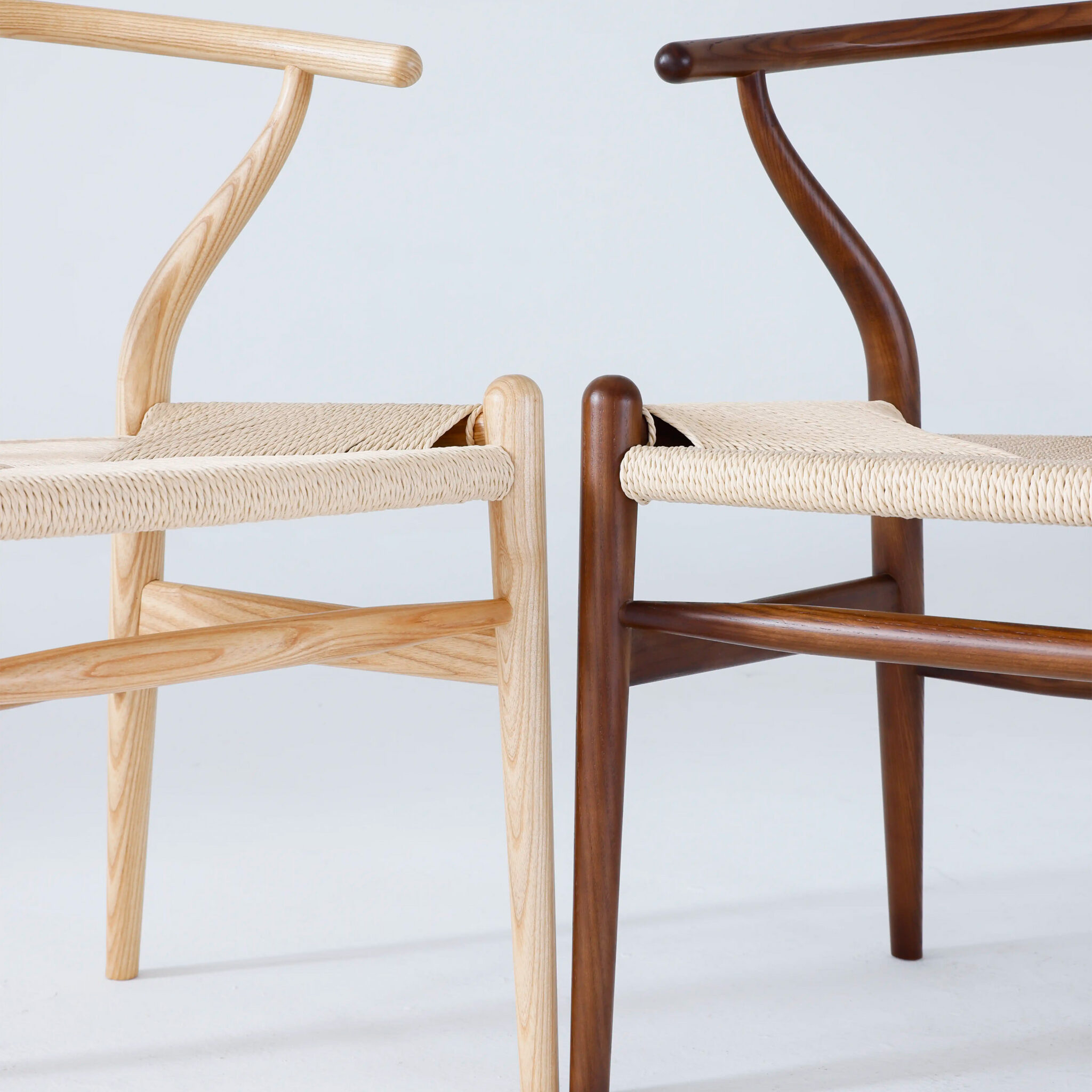
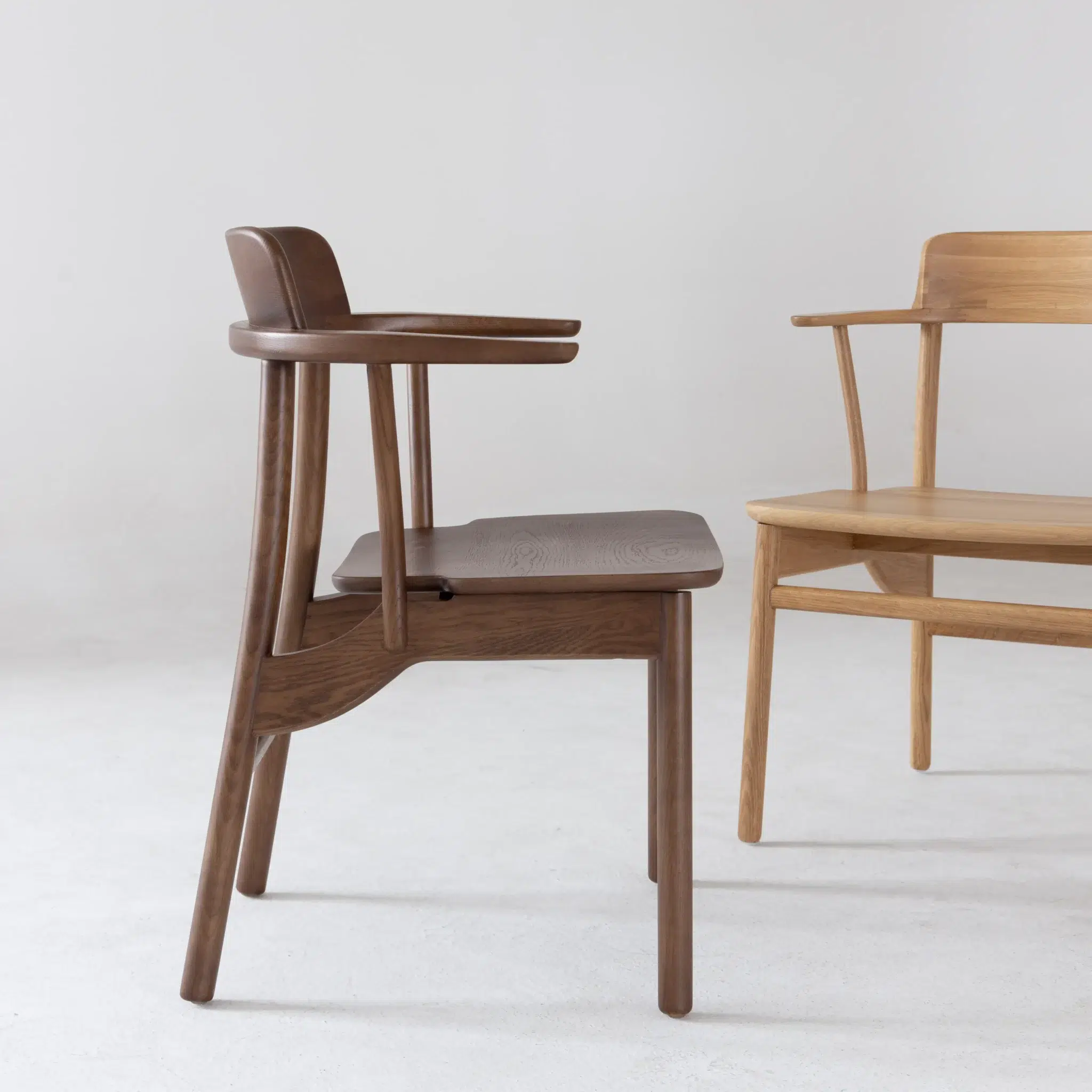
Also consider chair pairing. The proportions of your chairs should complement the table, both in height and visual weight. Ensuring adequate leg clearance and spacing between chairs will contribute to a more comfortable dining experience.
Bringing It All Together
Choosing the right dining table is about more than just aesthetics. It’s about creating a space that feels balanced, functional, and aligned with how you live. By considering layout, shape, size, and materials together, you can select a table that not only fits your space, but enhances it—supporting both everyday use and moments of gathering.