
Decorative Accessories
Decorative accessories should give a room a considered finishing detail, rather than fill every empty surface. Begin with what feels unresolved: a shelf without a focal shape, a tabletop needing a quieter material link or another clearly defined place. That need helps choose scale and purpose before colour.
Read moreRead less
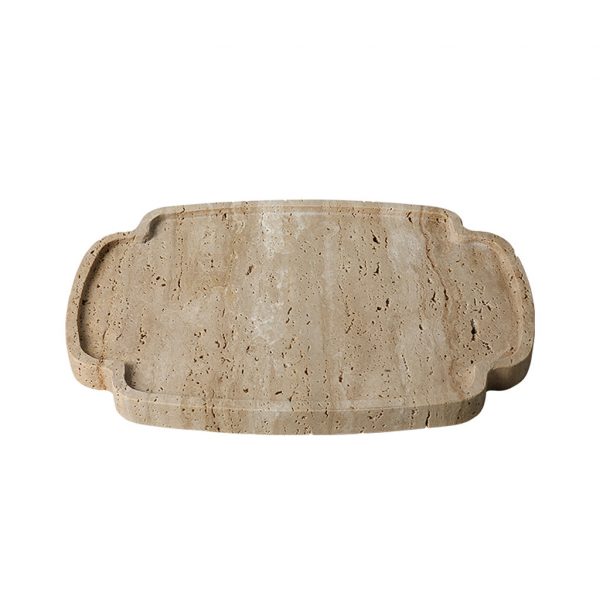
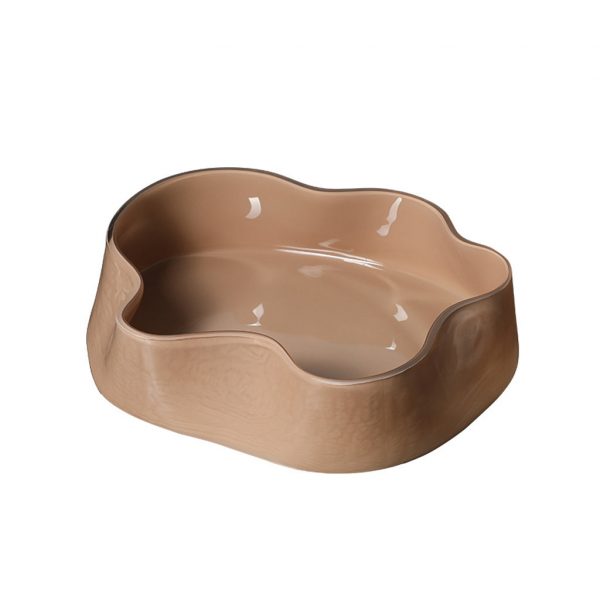
Read the actual dimensions, material and intended use of the object. A decorative appearance does not establish a practical function such as holding water or serving food. Sculptures and decorative objects focus on form as the main feature; decorative bowls and trays provide another shape and use comparison. Choose an accessory that earns its place beside the furniture and objects you already have.


Showing 97–113 of 113 resultsSorted by recommended
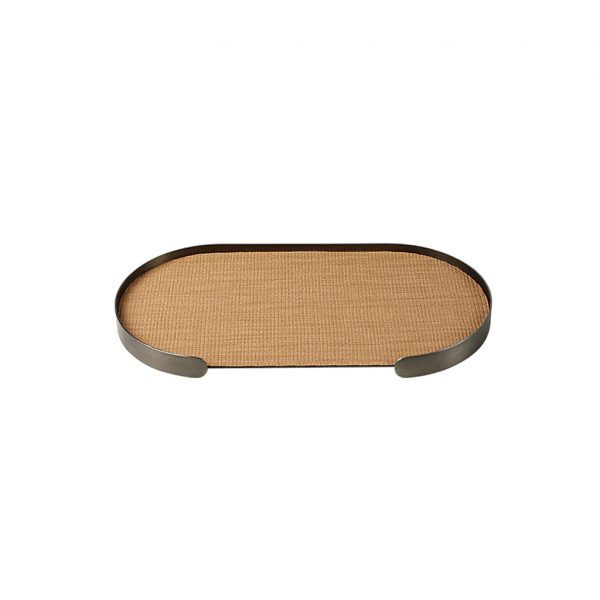
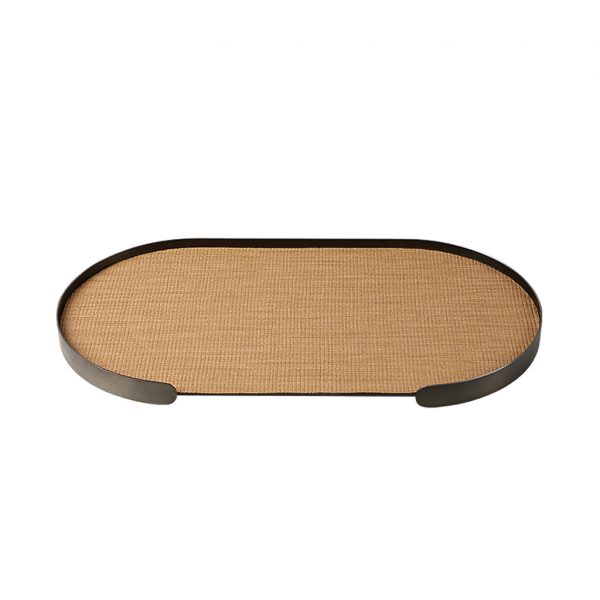


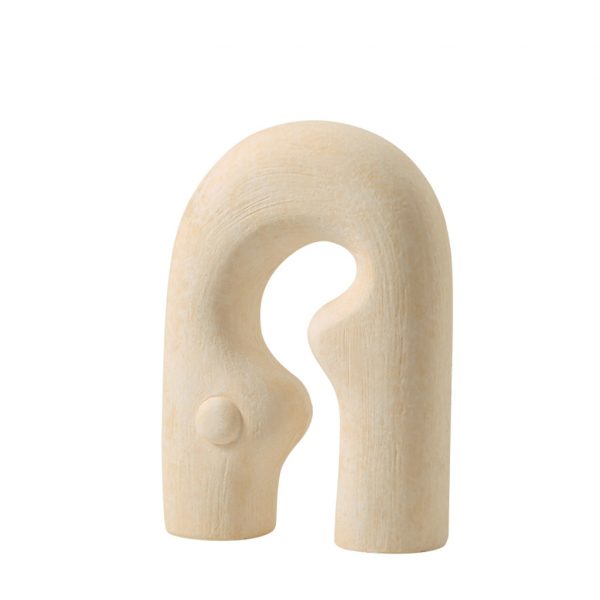
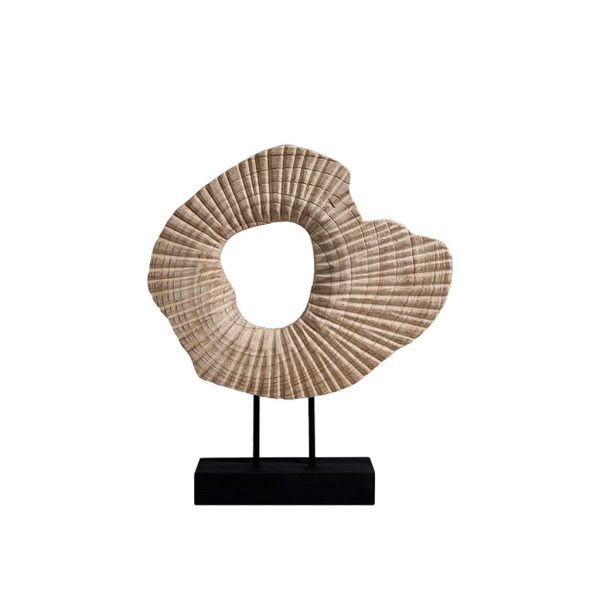
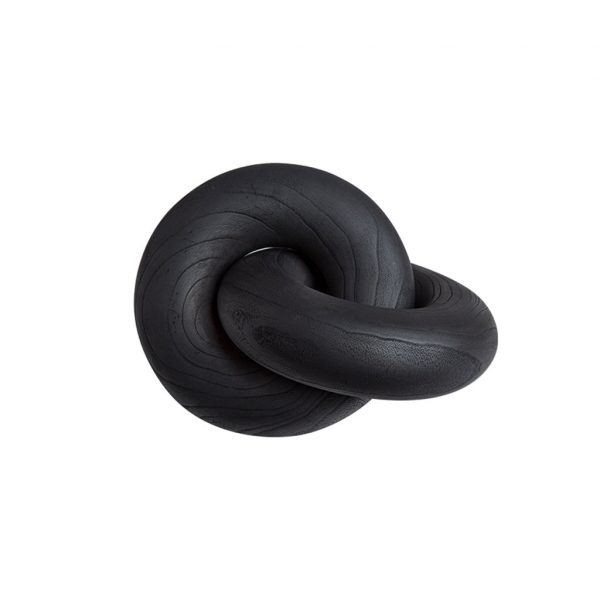

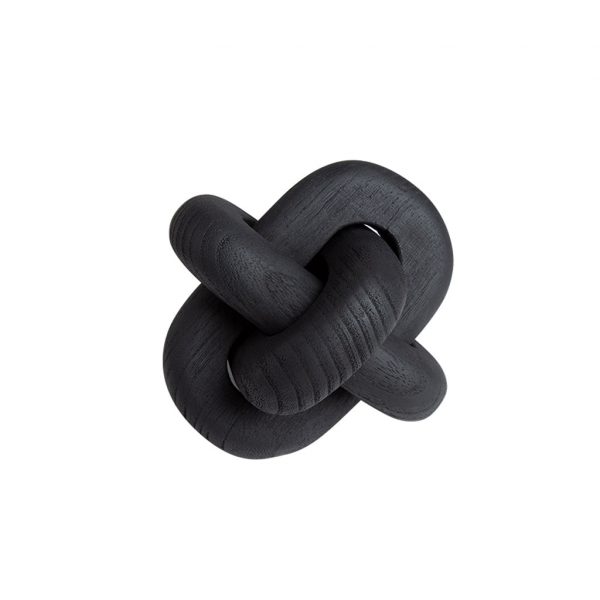
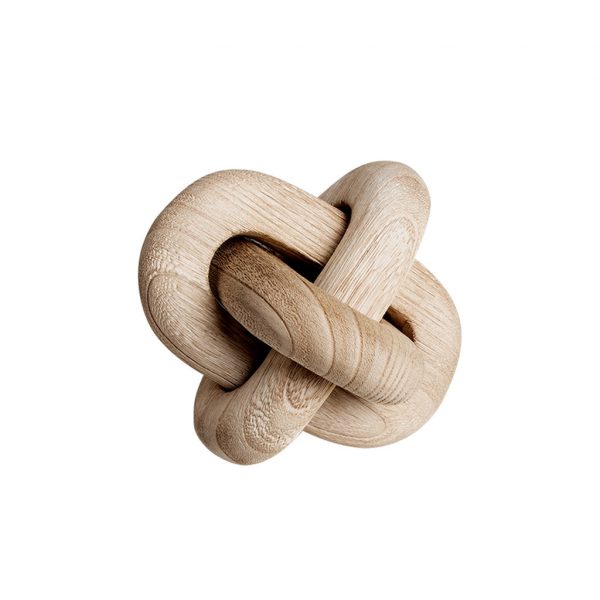
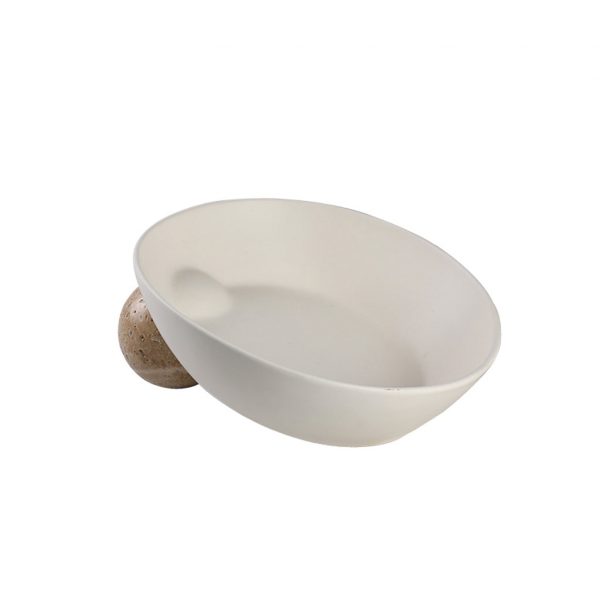
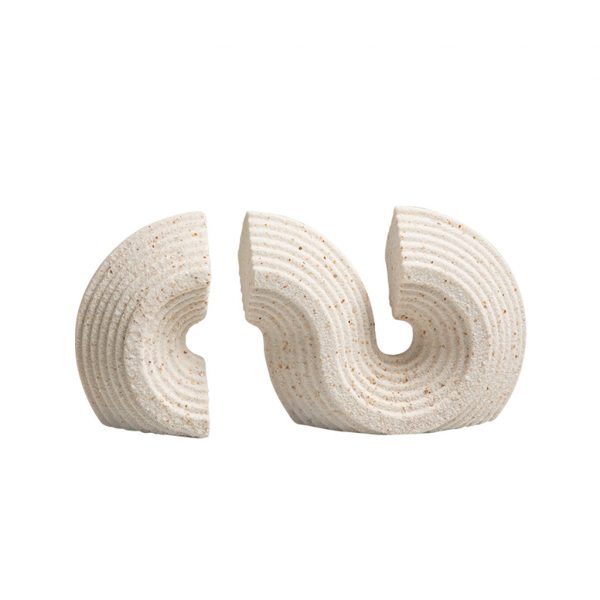
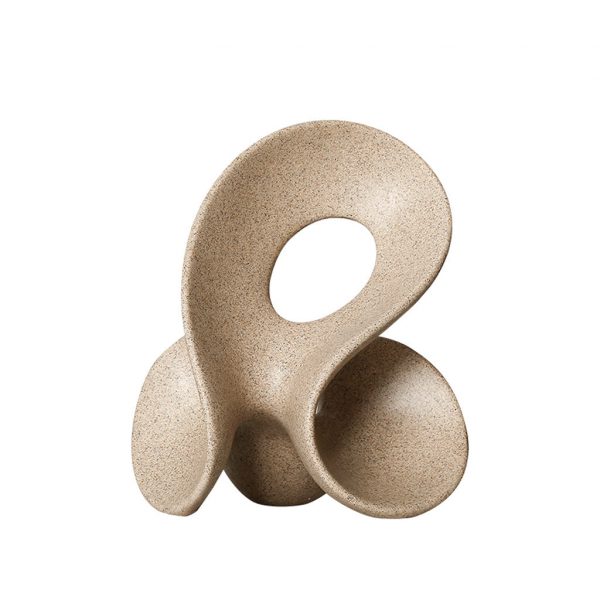
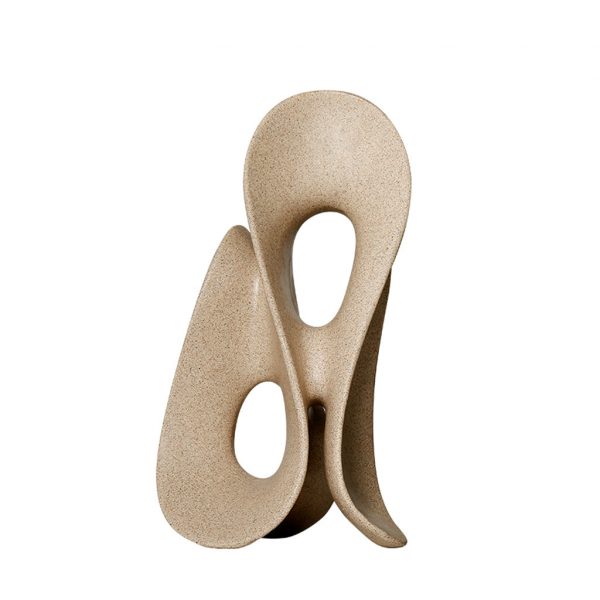
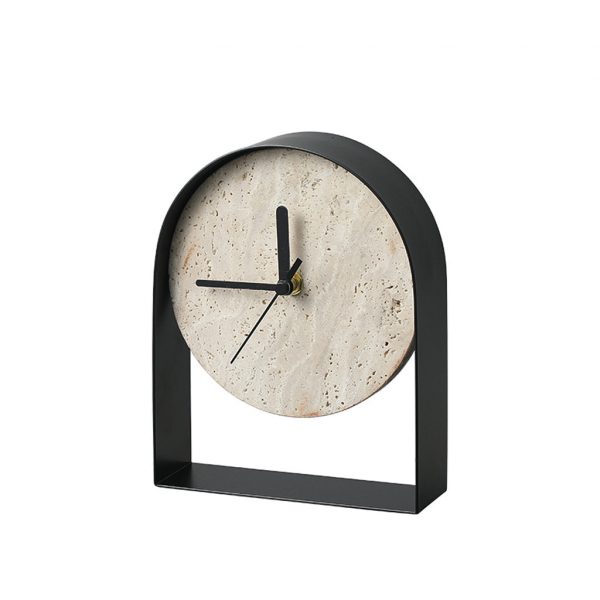
What finishing job does the room actually need?
Look at the room from the places you normally sit or enter. Decide which surface or view needs attention before shopping for another object. A small accent cannot resolve every empty wall, and several competing accessories may obscure the furniture you want to show.
Keep useful surfaces in mind. A coffee table still needs room for everyday use, while a shelf may also hold books. Coffee table decor and bookshelf decor help refine those different locations. Choose one clear role for the new detail: focal shape, a material connection or another deliberate purpose. It does not need to perform every decorative task in the room.
Which scale works with the surrounding furniture?
Measure the actual display surface and compare the object’s full height, width and depth. Include a base or projecting shape rather than judging scale from a close-up. Check how it appears from the main view and how much clear space remains around it.
A larger piece can form a focal point, while several smaller ones create another arrangement. Neither is automatically better. Compare height with adjacent lamps, artwork or books so the object has a readable place rather than a crowded outline. Console table decor focuses on entry views and narrower surfaces when that is the location you are resolving.
Which materials and functions fit your purpose?
Read the construction and finish, especially where the object combines materials. Natural-looking texture does not prove stone or timber, and a sculptural vessel should not be assumed watertight, food-safe or suitable for heat without instructions.
Choose the material relationship with your room after those facts are clear. Ceramic decorative objects and glass decorative objects offer specific surface comparisons. Follow care and any stated base-protection guidance for the actual piece. The finishing detail should be easy to place and maintain in ordinary life, with any useful function supported rather than invented from the shape.
Frequently Asked Questions
Explore tabletop decor or shelf decor to narrow the choice around the place the accessory will live.