
Black Sideboards
Black sideboards give lower storage a darker horizontal presence, often seen as one broad front beneath art or another wall feature. Begin with the amount of black and the way doors, handles and supports interrupt it. A full dark cabinet has a different effect from black details beside another material. Compare the complete front with the floor and wall that will remain.
Read moreRead less
Then check whether the storage and access earn that place in the room. Buffets and sideboards provide the wider object-and-layout guide. White sideboards offer a lighter direction, while timber sideboards compare a wood-led front. Choose black on a cabinet whose usable interior and opening movement already serve the routine.
Showing all 16 resultsSorted by recommended
-
-
-
On SaleOriginal price was: $2,556.00.$2,121.00Current price is: $2,121.00.
-
-
On SaleOriginal price was: $2,129.00.$1,767.00Current price is: $1,767.00.
-
-
On SaleOriginal price was: $2,319.00.$1,925.00Current price is: $1,925.00.
-
On SaleOriginal price was: $2,225.00.$1,847.00Current price is: $1,847.00.
-
-
On SaleOriginal price was: $2,455.00.$2,038.00Current price is: $2,038.00.
-
-
-
-
-
-
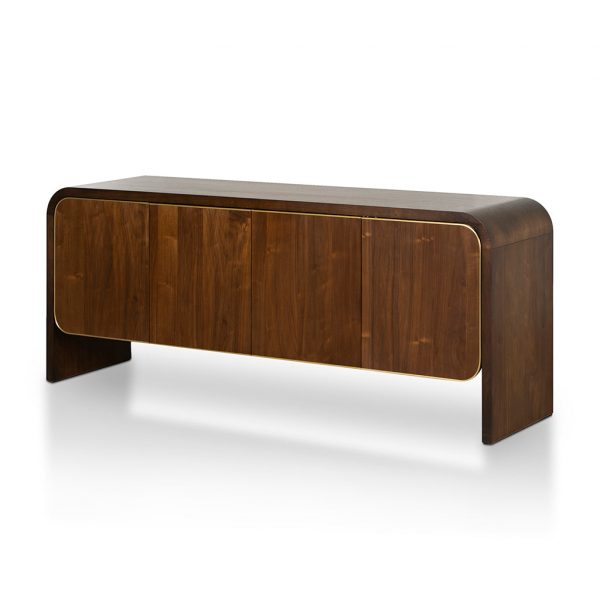

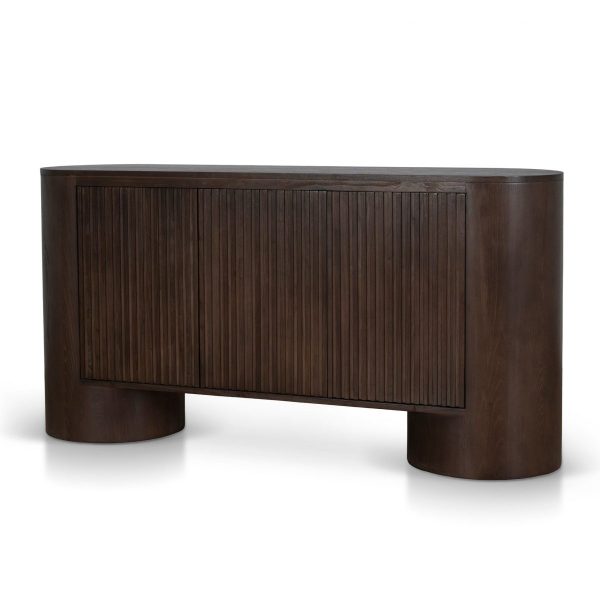
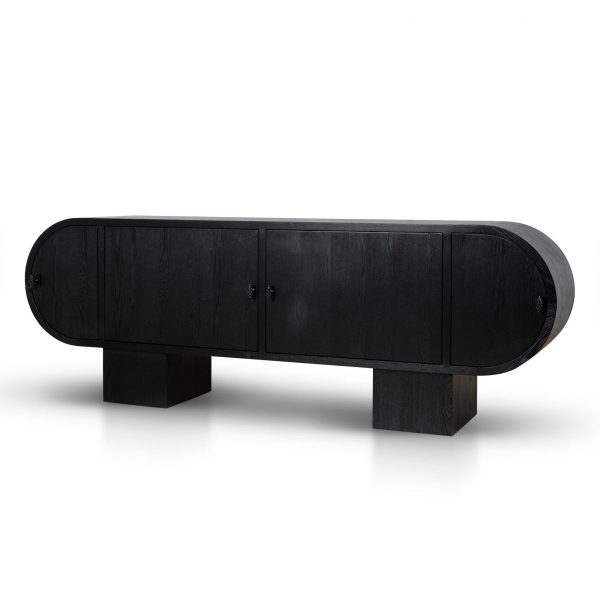
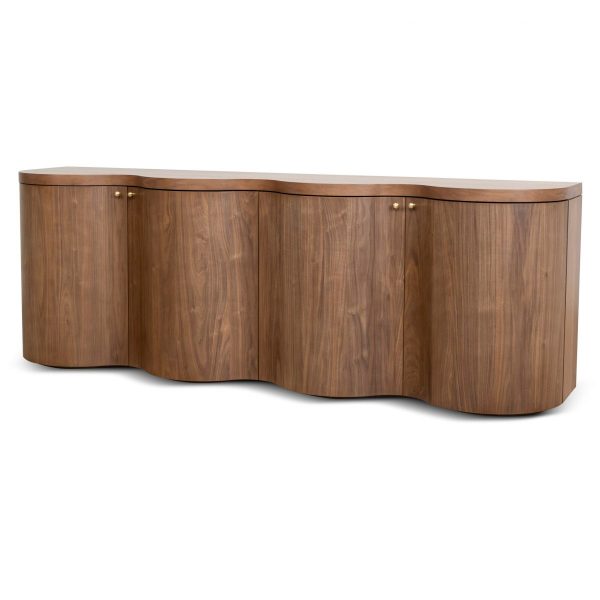
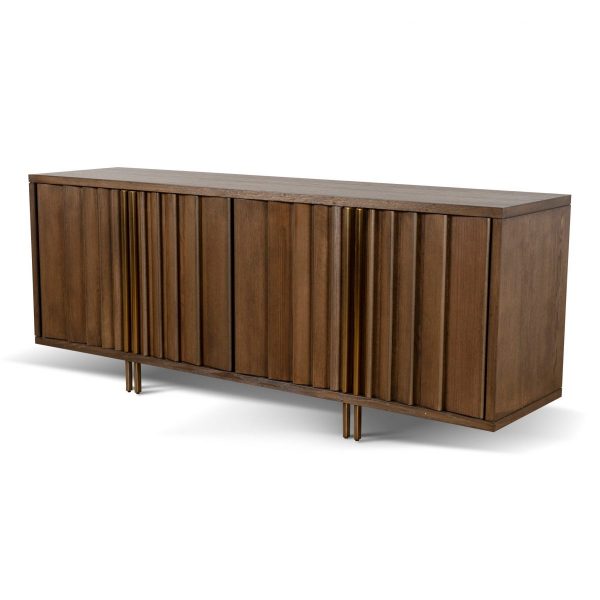

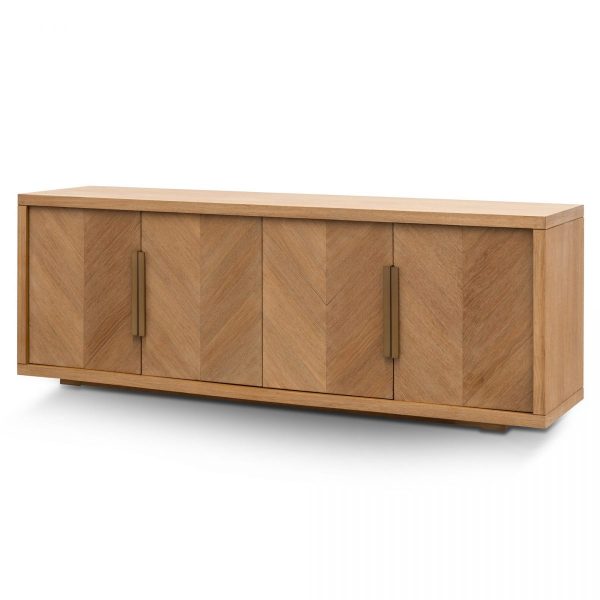


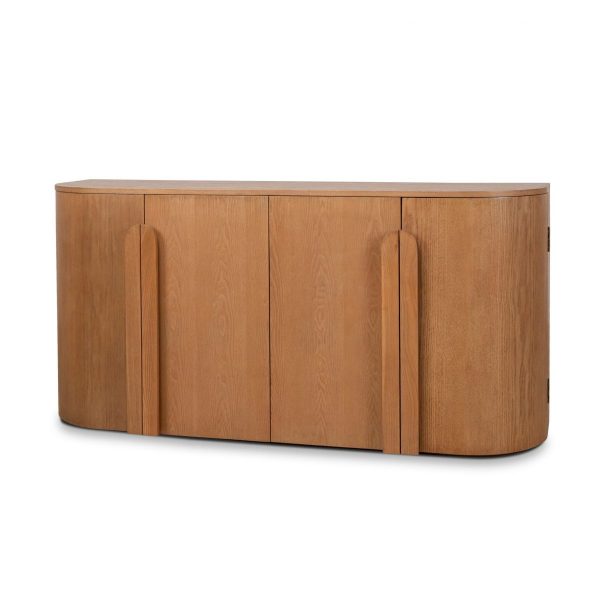
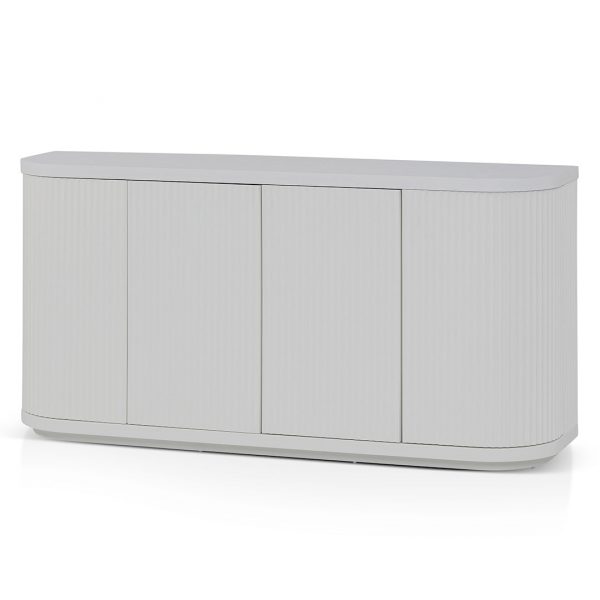
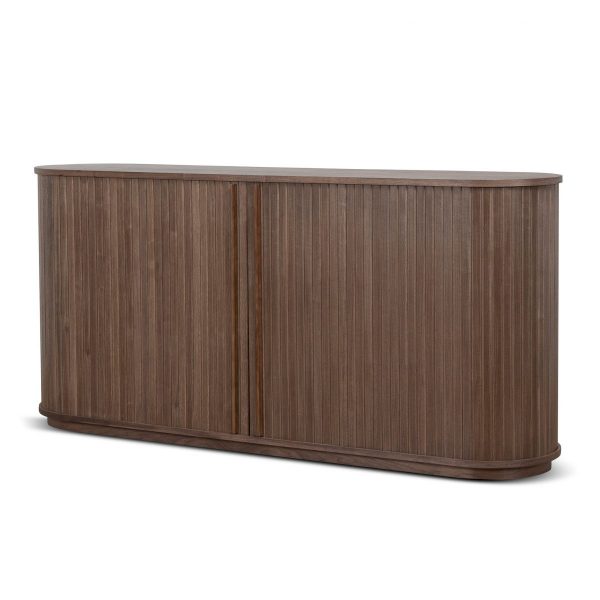
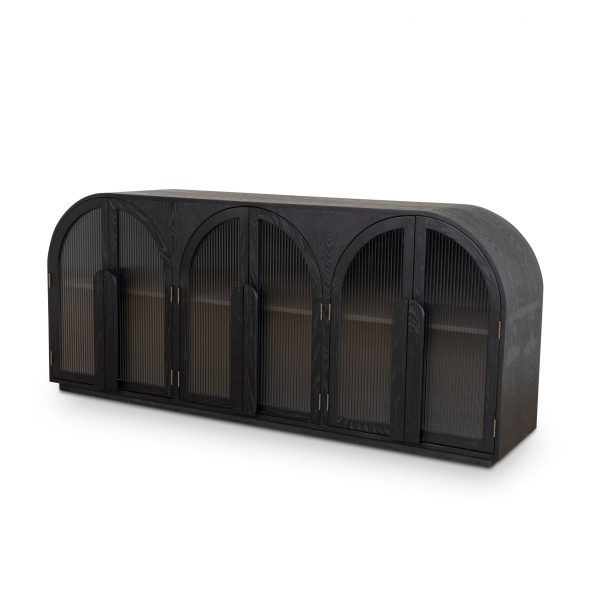
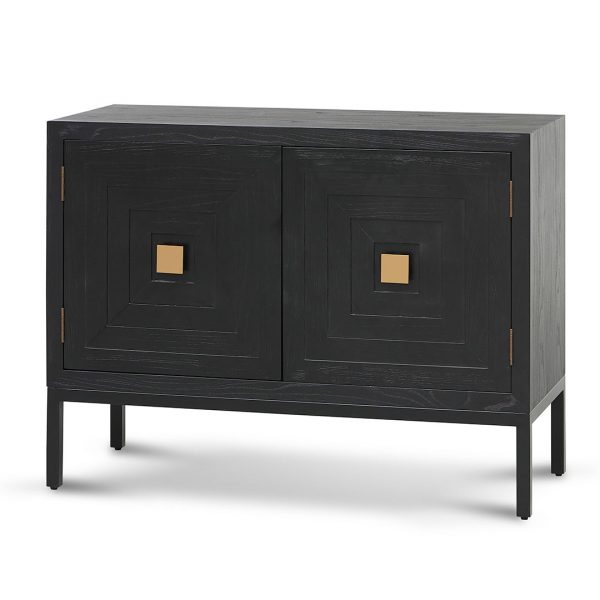
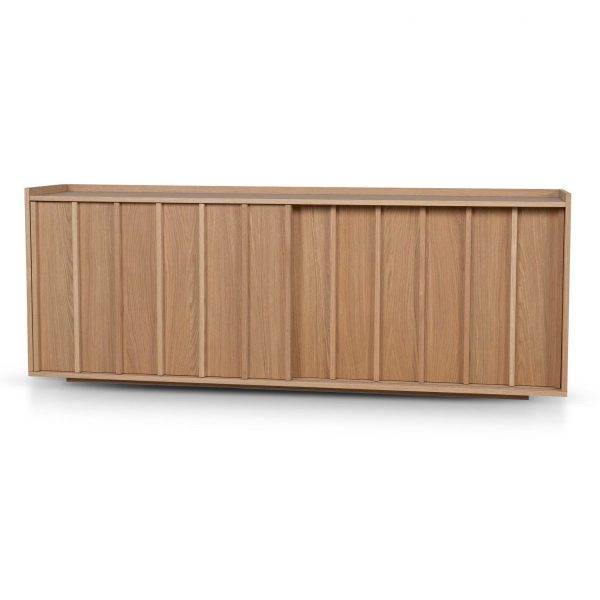

Choose the dark front at the scale of the wall
Review front and side views rather than selecting a small finish detail in isolation. Doors, top overhang and raised supports can change how continuous the dark area appears. Compare those actual features with skirtings, floor tone and any furniture beside it. Decide whether the cabinet should anchor the wall or connect existing black elements.
Keep objects on top in the same comparison. A lamp or artwork can alter the visible balance above the broad front. Read sheen separately: black does not establish matte or gloss. Grey sideboards provide a quieter neutral route when a strong dark band is less useful. Choose the whole composition before repeating black in smaller accessories.
Fit your stored items behind the chosen front
List the objects and group them by how they are retrieved. Compare usable interior dimensions with plates, boxes or another actual item instead of estimating the interior from the dark doors. Read dividers and the documented shelf or drawer configuration. Hinges and internal fittings can affect where objects fit.
Sideboards with drawers help assess smaller sorted groups; sideboards with shelves focus on usable vertical space. Mark the complete cabinet and its actual opening movement in the room. A substantial black appearance should not persuade you to accept difficult retrieval or block a route when the storage is used. Choose internal usefulness independently of the preferred finish.
Check the black contact finish and everyday room access
Read materials and cleaning instructions for the top, front and handles separately. A dark surface does not establish resistance to fingerprints, scratches or every household cleaner. Choose the stated finish for your contact routine instead of assuming black requires less maintenance. Ask about missing coating information where it matters.
In a dining room, plot chairs in use alongside cabinet access; dining room storage examines that relationship more closely. Check assembly, installation and any required securing, then measure delivery access. Ask benssur about unclear internal or opening dimensions. The dark cabinet should finish a practical storage plan rather than become a wall feature that is inconvenient to use.