
White Sideboards
White sideboards create a lighter lower-storage front that should be judged with the wall and objects above it. Start with which components are white, then compare actual shade, texture and sheen. A pale top beside another front material makes a different feature from a broadly white cabinet. Similar colour names do not establish an exact match with existing walls or dining furniture.
Read moreRead less
Use this collection to choose the light relationship on useful storage. Buffets and sideboards provide the wider compartment guide. Grey sideboards offer another neutral direction, while black sideboards compare a darker anchor. Read usable interiors and opening movement first. White appearance should complete a practical cabinet rather than substitute for the measurements that decide room fit.
Showing all 3 resultsSorted by recommended
-
On SaleOriginal price was: $2,449.00.$2,033.00Current price is: $2,033.00.
-
-
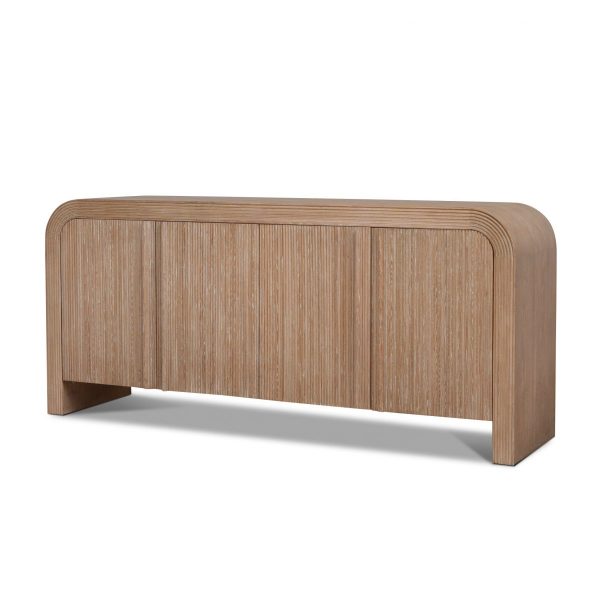

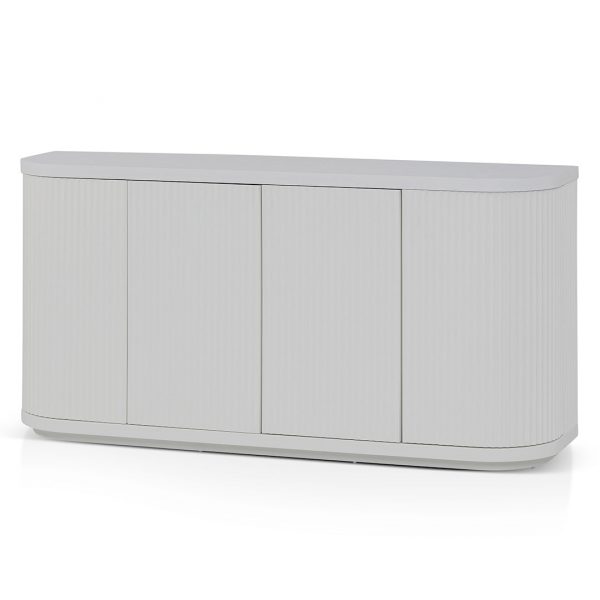
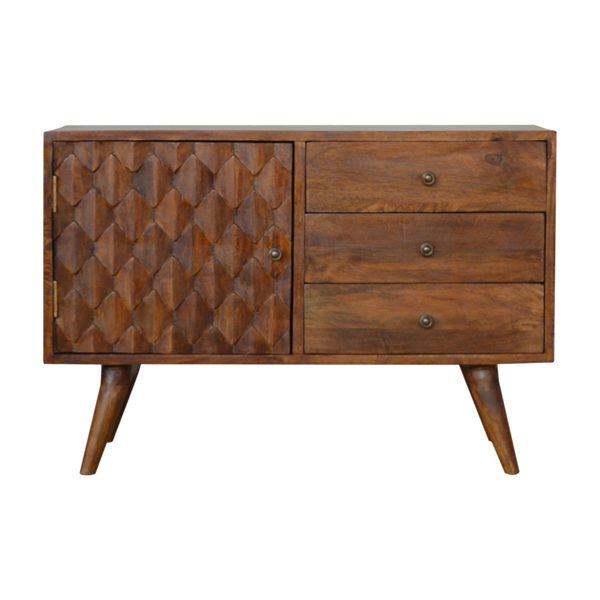
Compare the white front and edges with the actual wall
Review the complete front, side depth and top, not one isolated white swatch. A handle, door gap or contrasting support can define the cabinet clearly even beside a pale wall. Compare those details with fixed skirtings, floor tone and other furniture. Ask about the selected coating where a close white relationship is essential.
Include objects placed above the cabinet. They can change the balance of a light horizontal front beneath a wall feature. Decide how much contrast the room needs rather than expecting white to disappear automatically. Choose the actual finish and outline at room scale, keeping the display within the top’s useful area instead of crowding it to fill an empty wall.
Keep the light cabinet practical inside and while open
Measure the objects in their planned groups and compare usable internal dimensions. Include clearance to lift them out, dividers and documented fittings. White does not change compartment size or supply adjustment. Sideboards with storage provide a deeper contents comparison before choosing the pale front.
Plot complete depth and the actual opening movement with furniture in use. A lighter-looking cabinet still occupies its assembled space and needs room for retrieval. Slim sideboards offer another depth route where passage space is limited, with actual capacity still needing review. Choose white on the configurations that meet those practical needs rather than assuming a pale appearance resolves a crowded layout.
Read white contact care and the top’s separate task
Check top, doors and handle materials separately. White does not establish stain resistance, a painted timber build or permission to use every cleaner. Follow the selected surface instructions for ordinary touch and objects placed on top. A pale front and a different top can require separate care routines.
For a dining position, dining room storage helps plan temporary tasks and chair access. Read assembly and installation instructions, including any securing requirements, then check delivery-component access. Ask benssur about unclear white finishes or usable measurements before ordering. Choose the white front, handles and door gaps against the pale wall once the opening route and top-care routine work.