
Sculptures & Decorative Objects
Sculptures & decorative objects are chosen mainly for the form they bring to a room. Start with the view you want to improve: a shelf, console or another surface seen from a particular seat or doorway. A shape that reads clearly from that position can be more useful than one admired only in a close-up.
Read moreRead less
Compare the full scale, base and material with surrounding furniture, leaving space for the form to be understood. Decorative accessories offer the wider finishing comparison, while sculptures provide closer questions about choosing a personal feature for your room.
Showing 25–48 of 79 resultsSorted by recommended
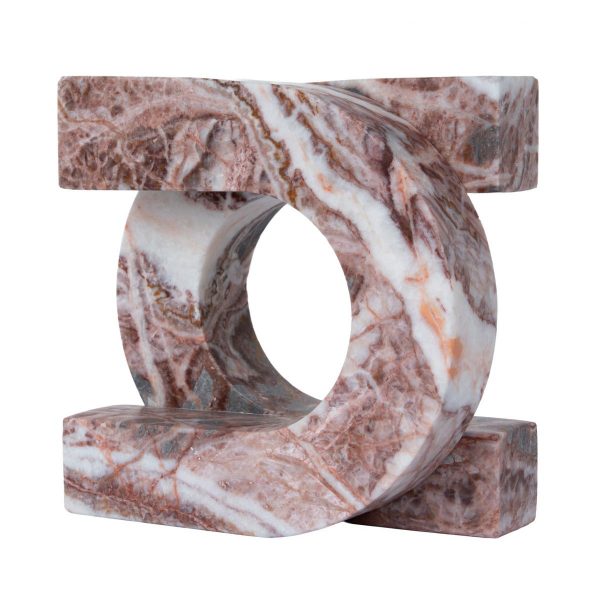


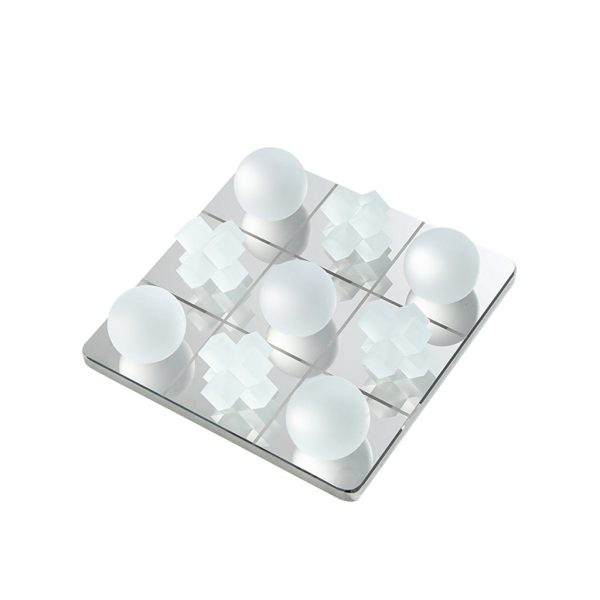
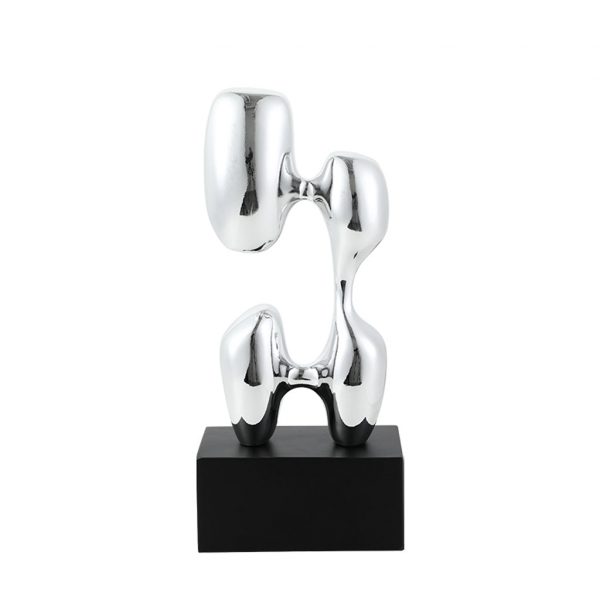


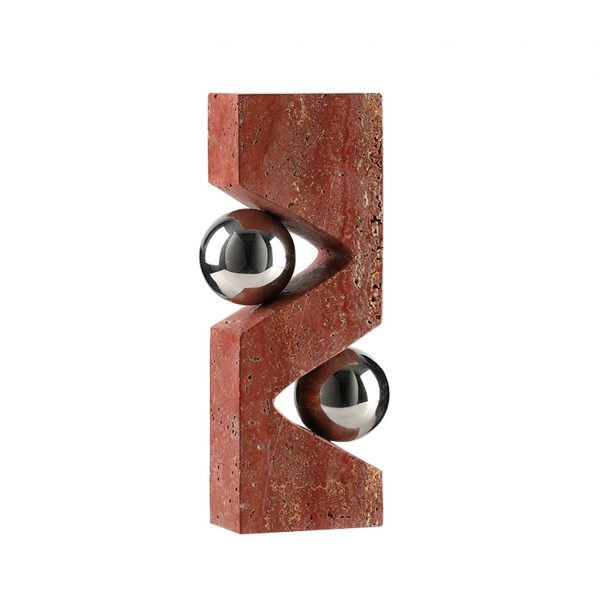
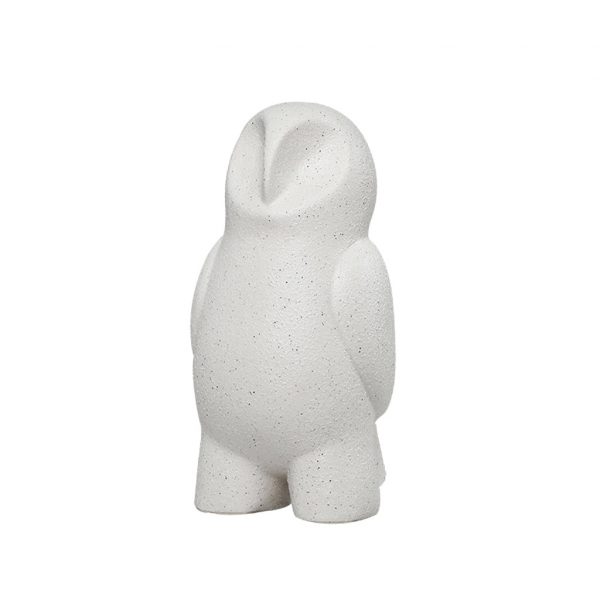
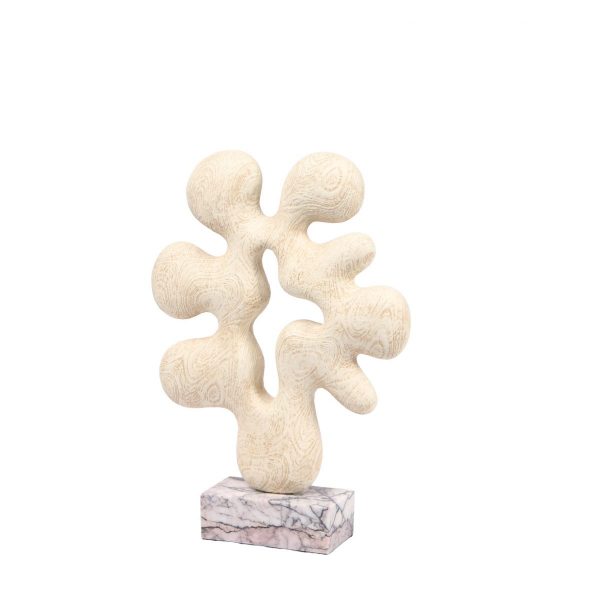
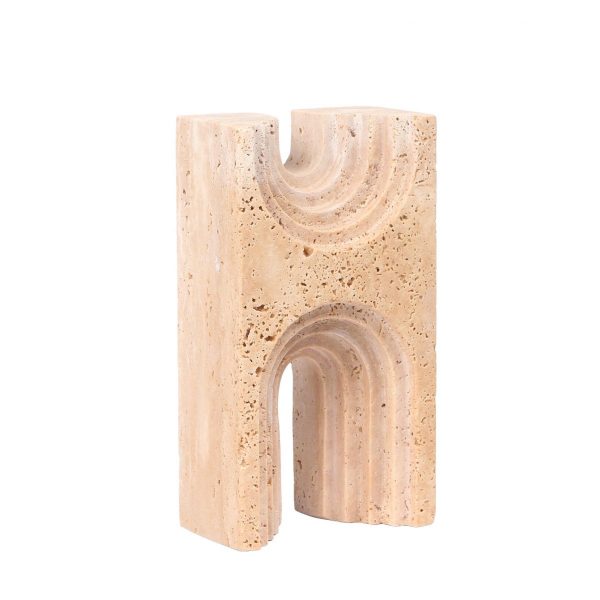


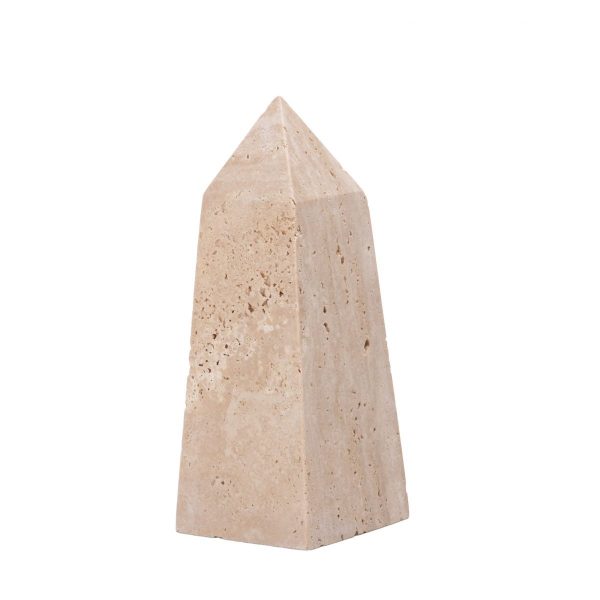

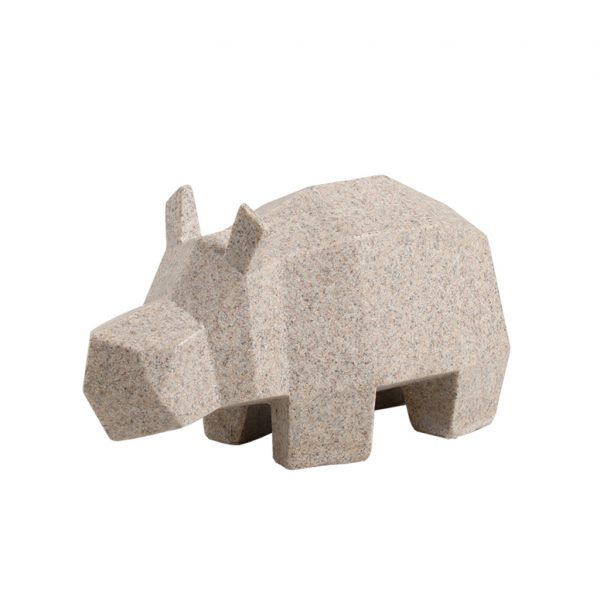

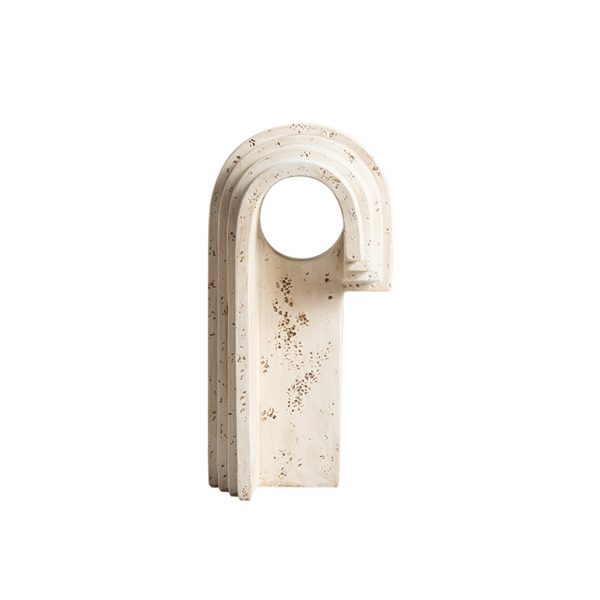
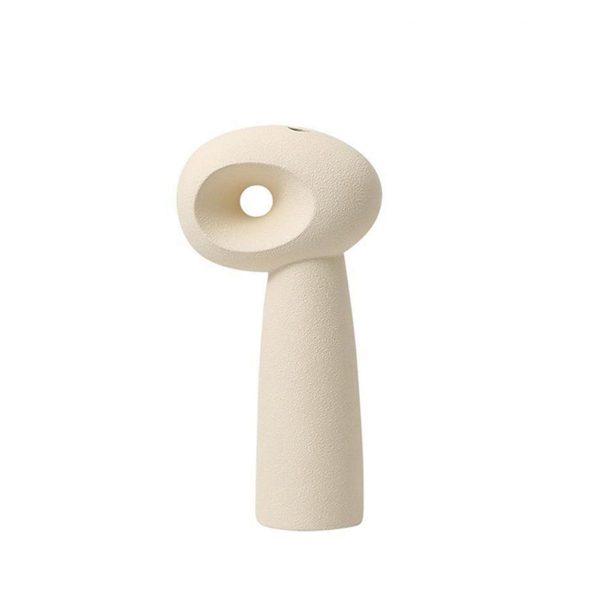

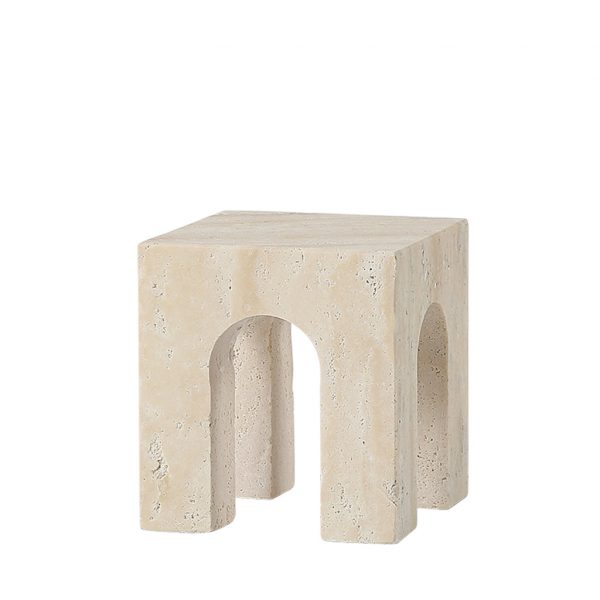
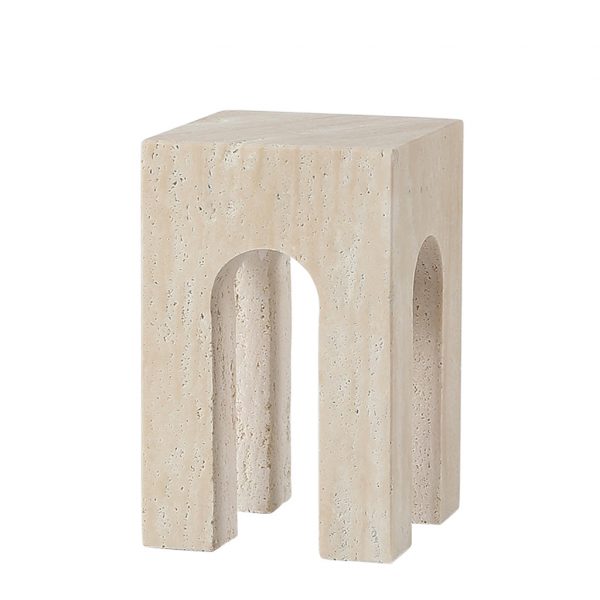
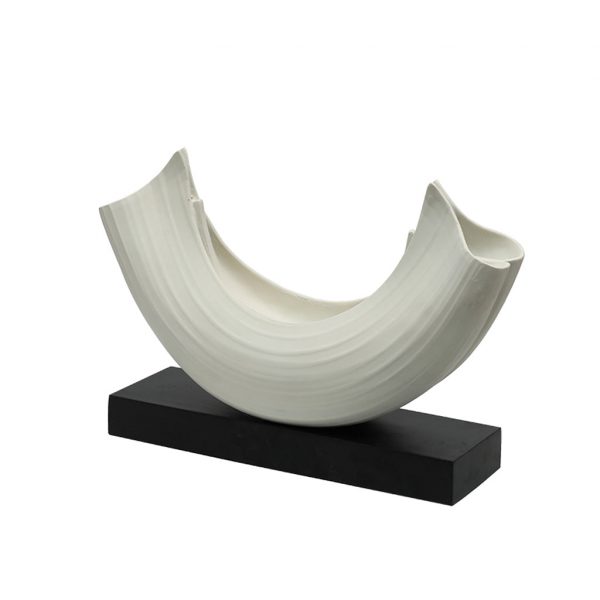
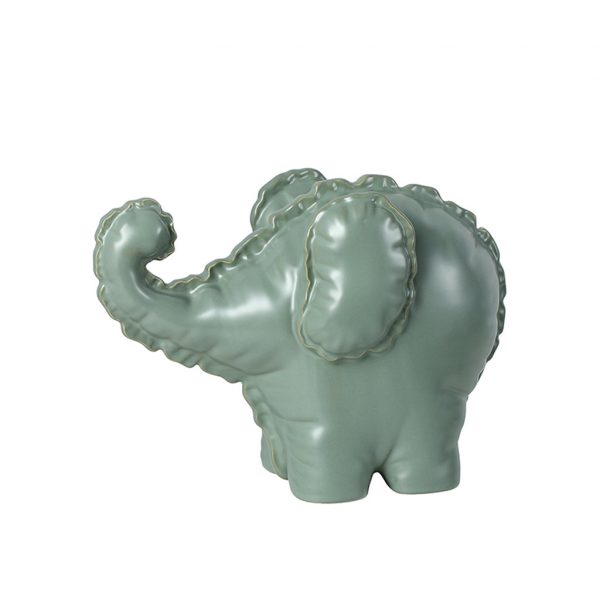
From where will you see the object most often?
Picture the main approach and the height from which you usually see the object. The same form will look different on a shelf, a low table or an entrance console because each places it at a different height and angle. Check available side and rear views rather than relying on one front photograph.
Consider whether the form needs a quiet background to remain readable. Busy books, artwork or patterns can compete with its outline. Decide what should lead in that view. Console table decor focuses on the entrance composition, while coffee table decor considers a lower surface seen around seating. The sculpture should have a deliberate role in the actual room perspective.
How much space lets the object’s shape remain clear?
Measure height, width and depth at the full outline, including any projection. Compare the base with the supporting surface and leave practical clear space around the piece. A form can fit physically while losing its visual distinction in a crowded group.
Check shelf height or wall details nearby that may interrupt the outline. Decide whether one feature or a group of smaller forms serves the view. Follow the actual object and support-surface guidance rather than inferring stability from appearance. Shelf decor helps with a broader display arrangement if multiple objects share the location. Choose scale from the room, not solely a product close-up.
Which material gives the focal shape the right presence?
Compare the actual surface with your existing furniture and finishes. Texture, sheen and colour can strengthen or soften the outline without changing its shape. Read the stated construction before inferring stone, glass or wood from a photograph.
Explore marble decorative objects when that named stone is your material brief; timber decorative objects provide another construction comparison. Do not assume a decorative form has a vessel, candle or other practical function. Follow placement and care for the chosen piece so the focal feature belongs in everyday life as well as the room’s visual composition.
Frequently Asked Questions
Use tabletop decor if the supporting surface’s everyday use needs planning before choosing the sculptural feature.