
White Bookends
White bookends can keep a shelf arrangement light or create a clear boundary beside darker book spines. Decide which role you want before choosing a shape. On white shelving, a close shade may blend quietly; beside timber or a darker background, the same piece can become more visible.
Read moreRead less
White describes colour, not marble, a coating or another material. Read the construction, base dimensions and supplied quantity, then compare them with the actual books. The bookend category covers those support questions. Choose the light-colour relationship after practical fit is clear, with care and any base-protection detail checked in the product information.
Showing the single result
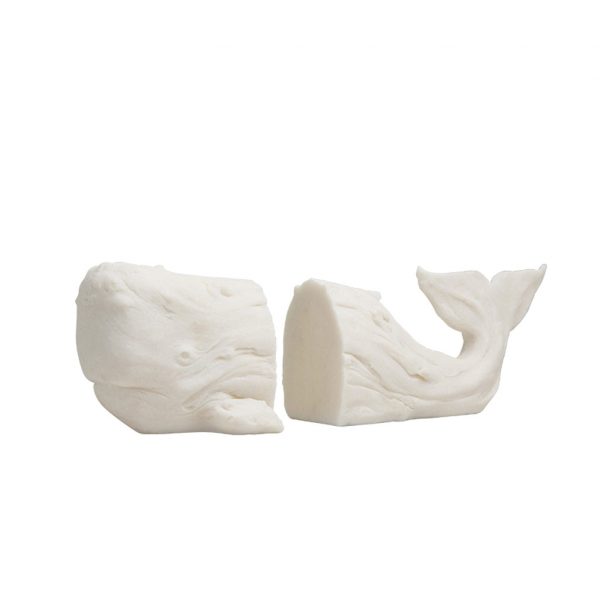

Should white frame the book group or disappear behind it?
Compare the proposed shade with the shelf background and the end books. A light boundary beside dark spines can emphasise the group, while a pale support on a pale shelf may leave the books more prominent. The shape still matters: a large sculpture contributes more than a contained upright form.
Check the front and side views of the full arrangement. Nearby objects can repeat white or introduce another strong contrast. Grey bookends offer a different neutral depth, while beige bookends provide a warmer relationship. Choose the actual role you want, rather than assuming white is always the quieter option in every shelf setting.
Which white works with the shelf’s finish?
Different materials can show warmer or cooler whites, and room light affects how close they appear. Compare available material information with your shelf and nearby objects. An exact match is not necessary when a deliberate contrast in tone or texture makes the relationship clear. Check which component carries the white finish before comparing the material.
Read the product’s actual material before choosing care. If marble is the reason for your search, use marble bookends and verify that component. A white colour by itself does not establish stone or natural variation. The useful palette decision rests on an accurate surface description, not a photograph-based guess about what the light-coloured piece contains.
Can the light piece do the practical holding job?
Compare contact face and base with the height and depth of the books. Include the bookend footprint in shelf width and depth, keeping it fully on a suitable surface. Follow the product’s stated use rather than assuming colour or apparent size establishes support.
Check whether you are buying a pair or one piece. Read any protective or non-slip base detail, and do not assume it is supplied. Plan access to remove books without disturbing surrounding decoration. Bookshelf decor helps with that wider composition after the holding task is settled. White should complete a useful shelf arrangement, rather than become a reason to overlook contact, quantity or space.
Frequently Asked Questions
Use bookcases and shelving if the shelf’s own depth or support needs changing before selecting bookends.