
Walnut Veneer Benches
Walnut veneer benches let you focus on a named timber surface while keeping its construction clear. The veneer is a timber layer over a base material, so read where it is used and how the rest of the bench is described. Walnut veneer should not become a claim of solid walnut throughout.
Read moreRead less
Compare the actual grain and finish with the room’s existing wood. The applied finish can change colour, so do not assume every walnut surface has one fixed depth. Oak veneer benches provide another named surface comparison, while timber benches cover broader seat and frame construction. Confirm usable dimensions for the intended seating task before choosing the appearance.
Showing all 2 resultsSorted by recommended
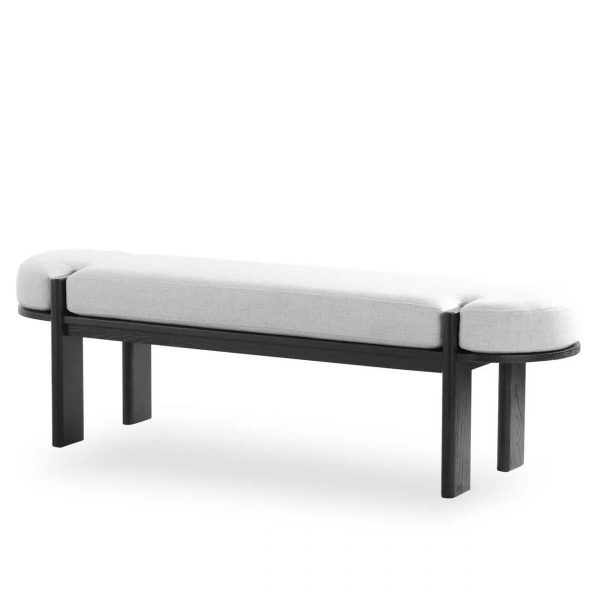

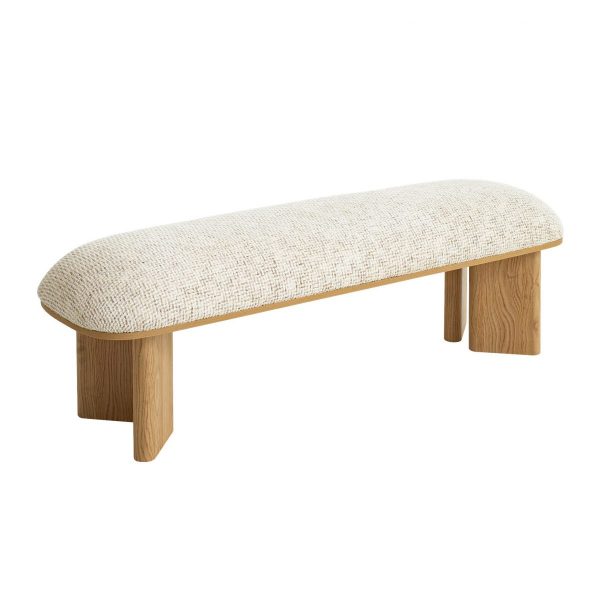
Which walnut tone and grain arrangement suits your room?
Check the stated walnut species and furniture finish together. Where American black walnut is specified, its heartwood can range from light brown to dark chocolate, with paler sapwood. That does not establish the colour of every walnut-labelled bench: the selected veneer and applied coating still need reading against your floor and nearest timber piece.
Veneer arrangement can make the broad seat another deliberate choice. Bookmatching turns alternate sheets to create a mirrored grain relationship; slip matching keeps successive sheets facing the same way. If the listing states the arrangement, compare its rhythm over the full bench rather than a close-up. Use brown benches when warm colour across materials is more important than the specified walnut surface.
What is veneered, and what forms the seating structure?
Read the specification for seat, panels, legs and rails separately. Some components may use different materials, but the product information should identify them accurately. Look at edge and underside views when available, and ask about any unclear base construction.
The veneer layer does not establish the whole frame or a seating-capacity claim. Use the stated structural and intended-use information for that decision. Identify the base beneath the walnut and the way the edge is finished, especially at the front where hands regularly touch. Those details help you ask the supplier precise care and repair questions for the actual construction.
How should the surface be cared for in its seating place?
Follow the actual finish guidance around spills, seat-edge contact and cleaning. Do not assume sanding or oiling is appropriate for a veneered construction. If maintenance instructions are missing, ask before choosing a routine borrowed from solid timber furniture. Ask about edge care when the front is a frequent hand contact point.
Then check height, depth and useful length against the room task. For dining, include table supports and access; for dressing, consider feet and space to rise. Dining benches and bedroom benches offer those focused comparisons. The walnut surface should sit within seating that fits the action and surrounding room, not distract from a bench that is physically awkward to use.
Frequently Asked Questions
Use natural timber benches if visible grain across different timber choices is more important than walnut specifically.