
Timber Benches
Timber benches ask you to compare construction as well as appearance. Identify the stated wood components, how the seat meets the base and the usable area available for sitting. A timber surface on another frame material is a different arrangement from a predominantly timber bench, and the product description should keep that distinction clear.
Read moreRead less
Next match height, depth and length to the room’s task. Dressing, entrance seating and dining do not share every requirement. Benches provide the wider purpose comparison, while dining benches focus on table fit. Read the timber construction first, then assess visible grain, finish and care once the form has a practical role.
Showing 1–24 of 44 resultsSorted by recommended
-
Week’s PickOriginal price was: $1,722.00.$1,429.00Current price is: $1,429.00.
-
-
-
-
-
-
-
-
-
-
-
-
On SaleOriginal price was: $1,006.00.$956.00Current price is: $956.00.
-
-
-
-
-
-
-
-
-
-
-
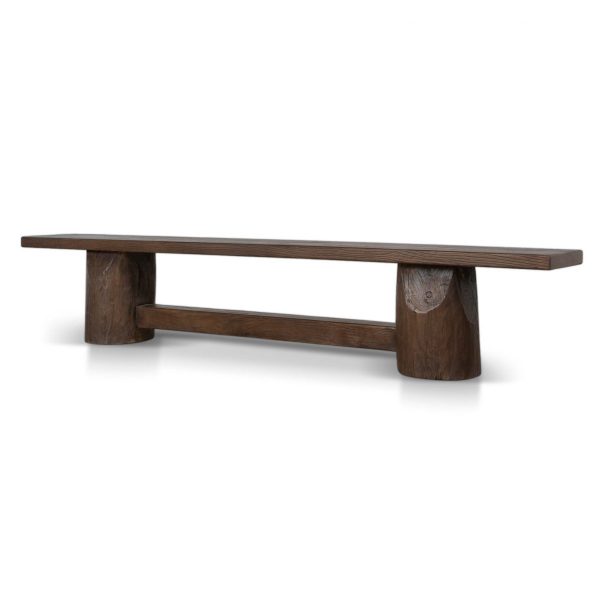

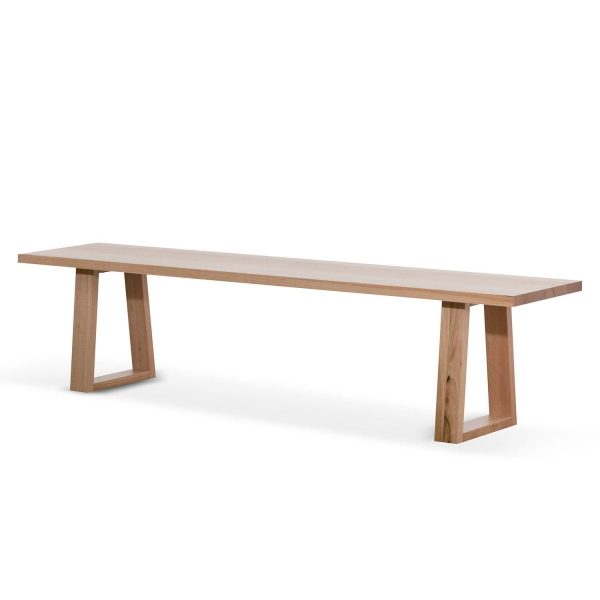
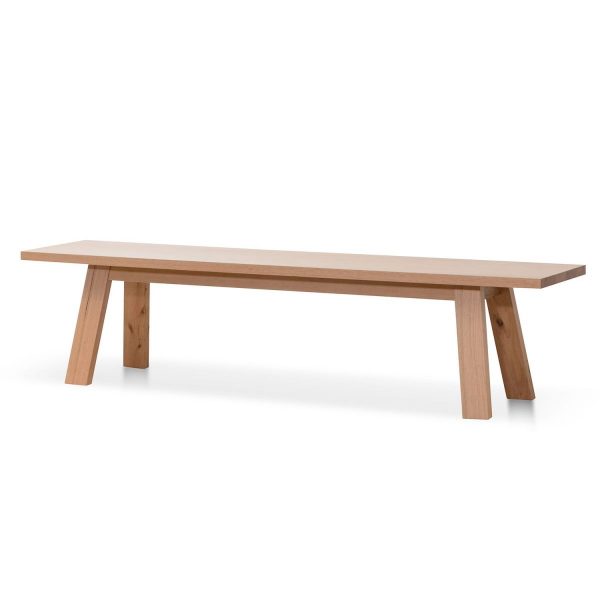

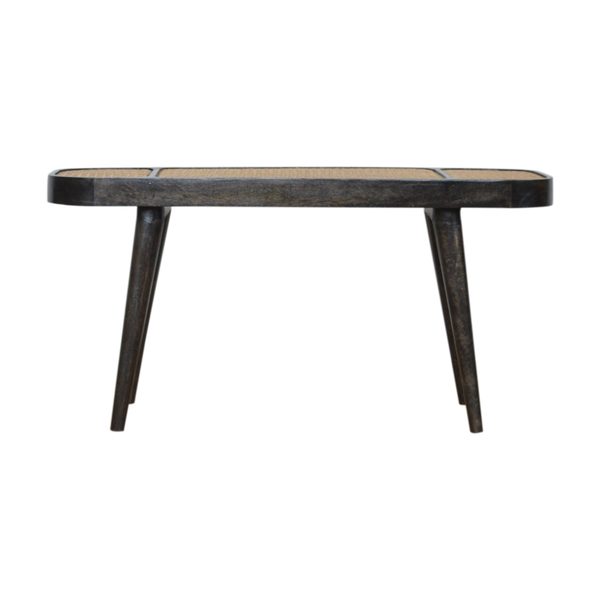

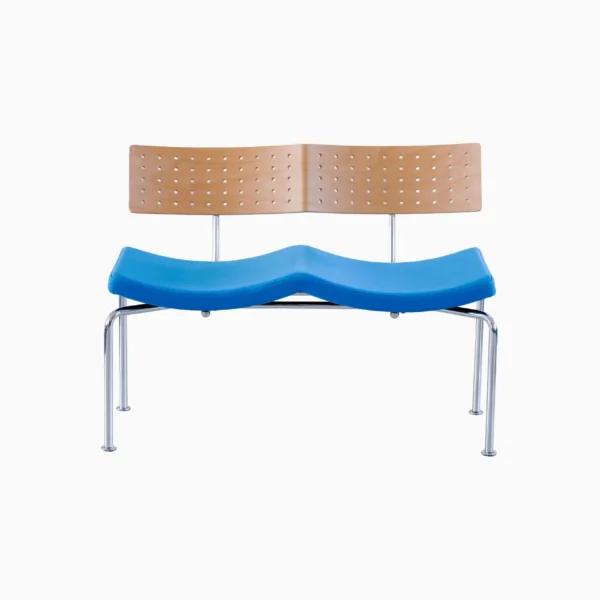
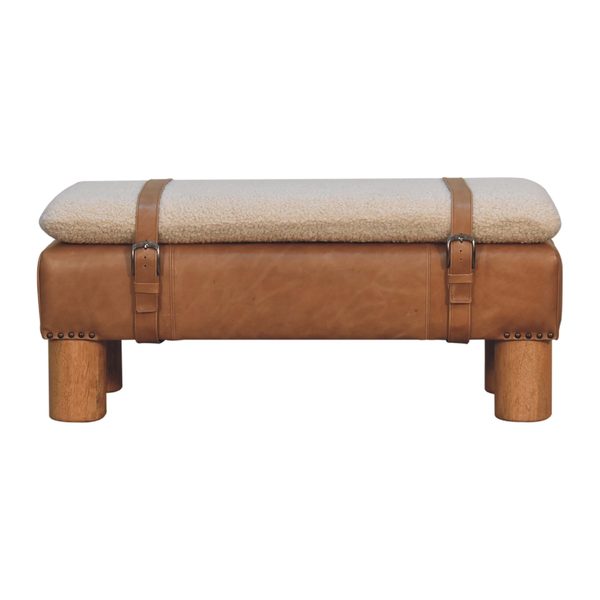
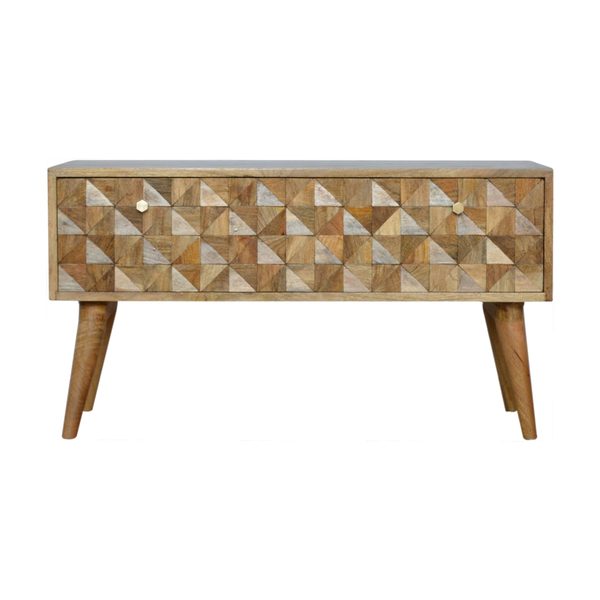
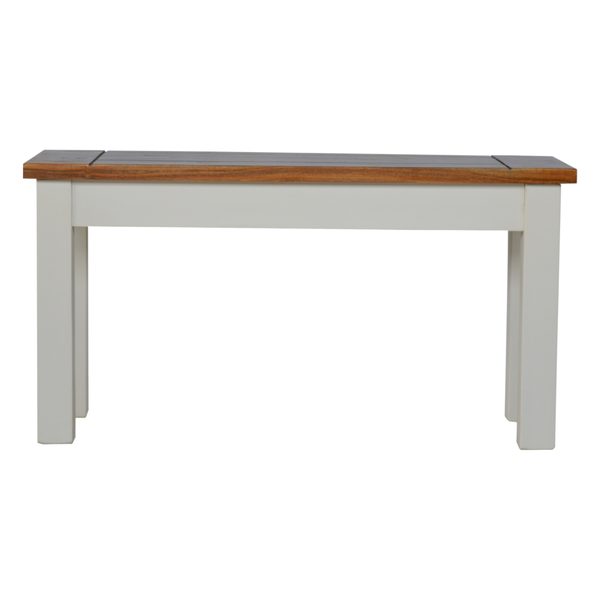
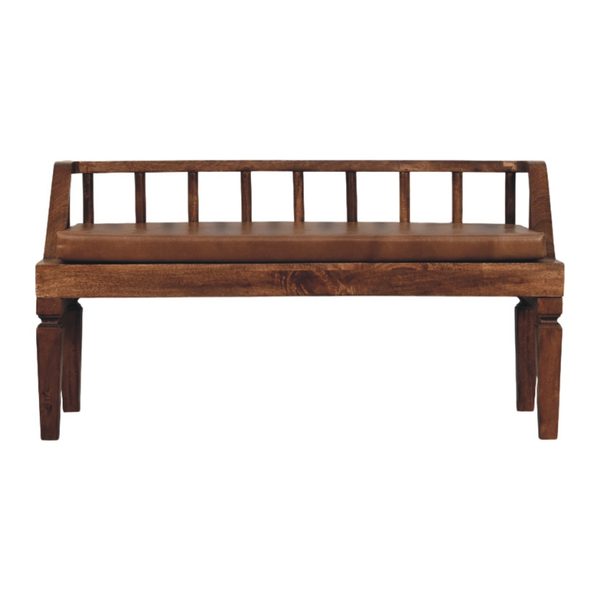


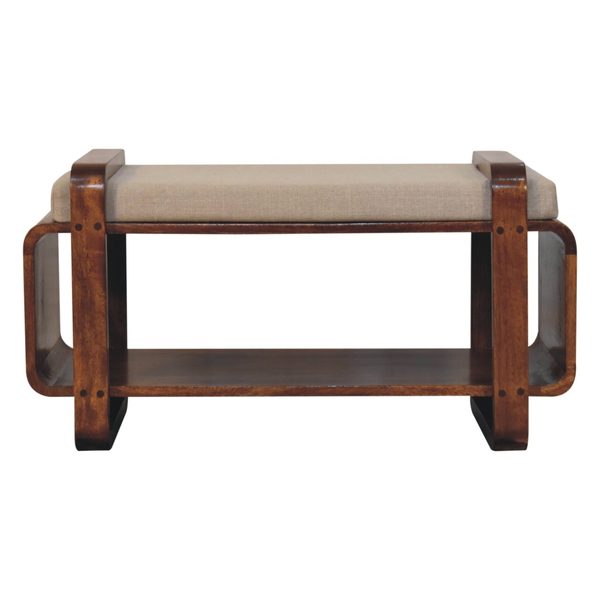
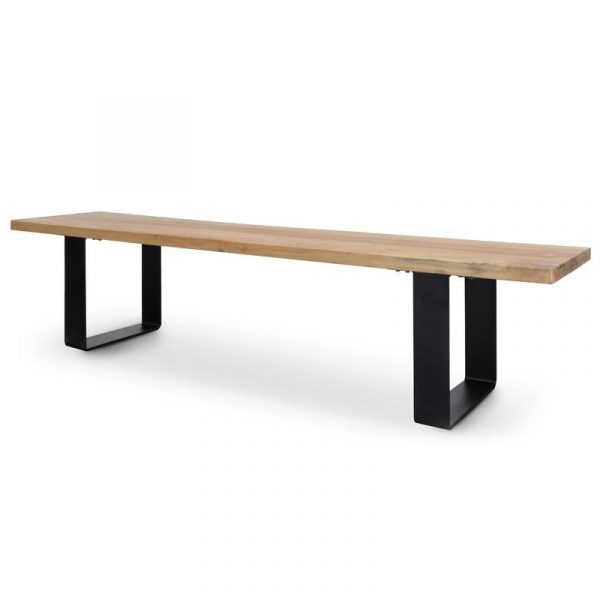
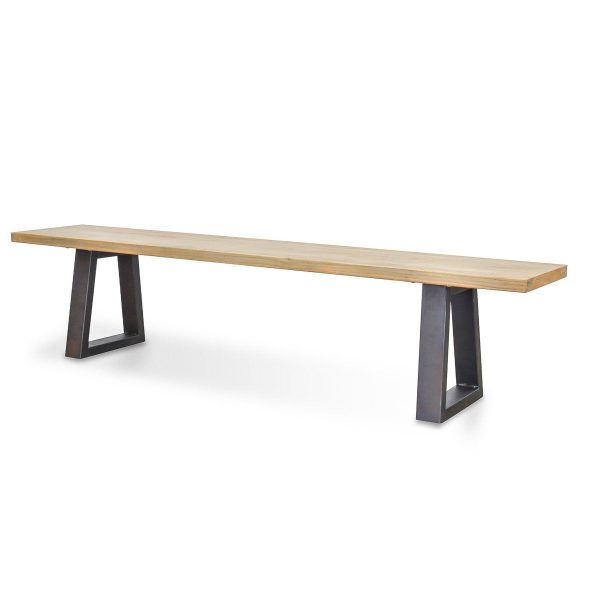
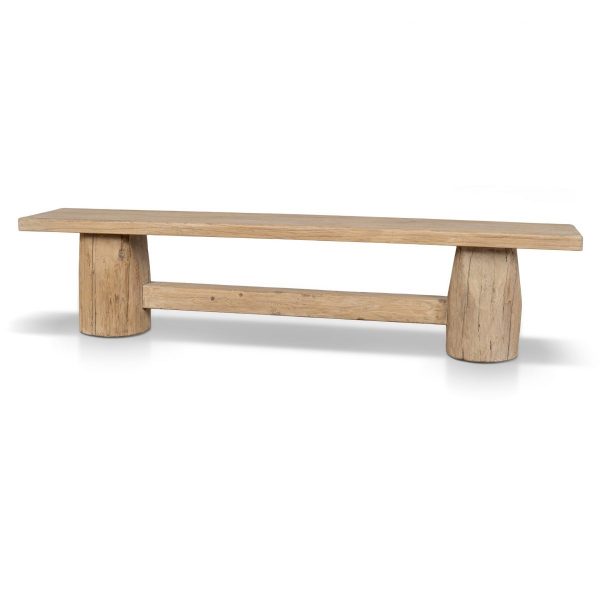
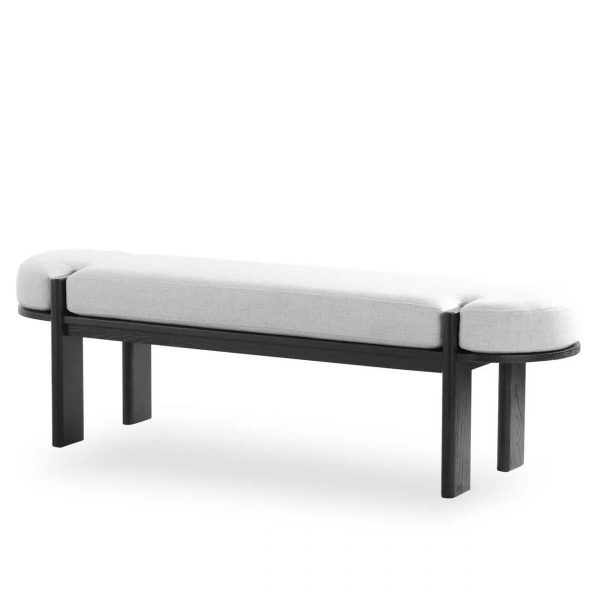

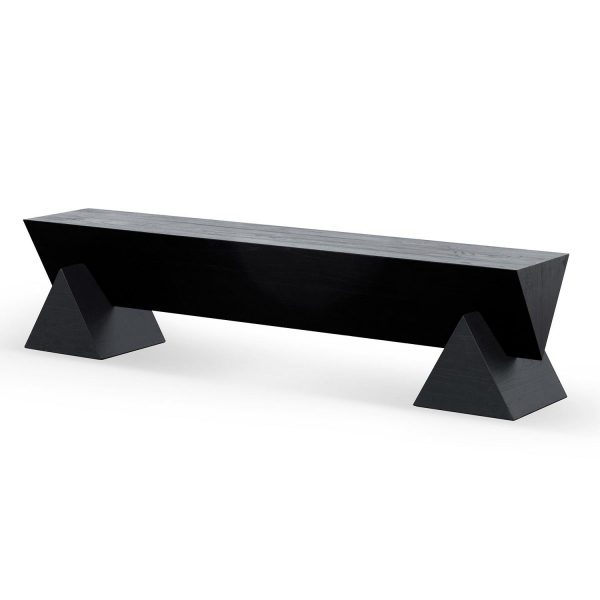
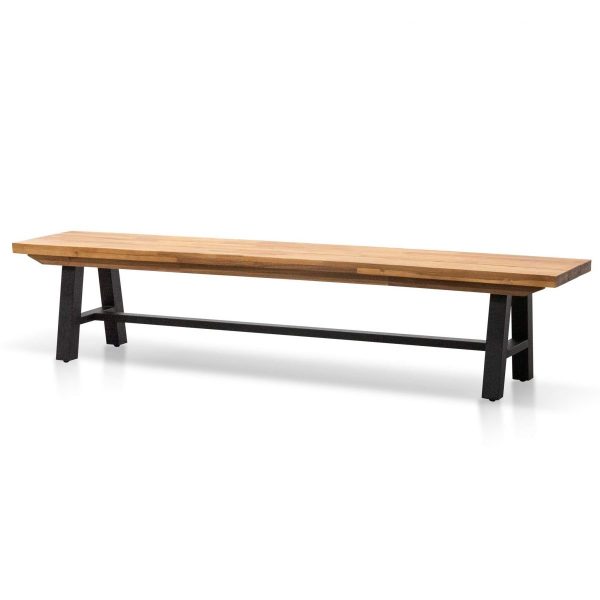
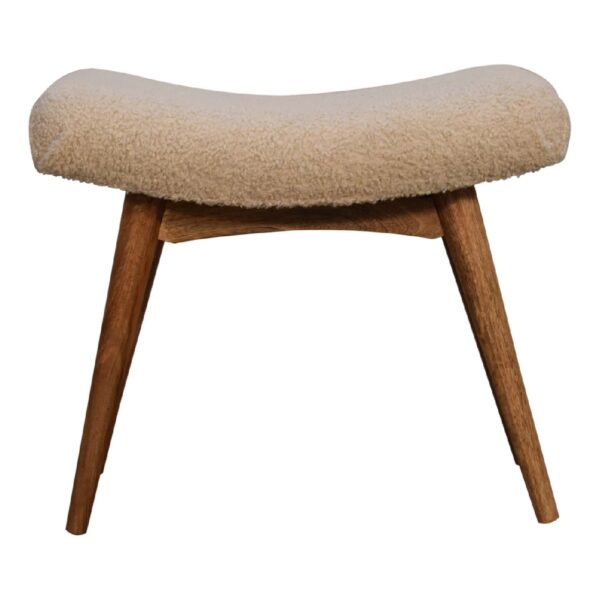
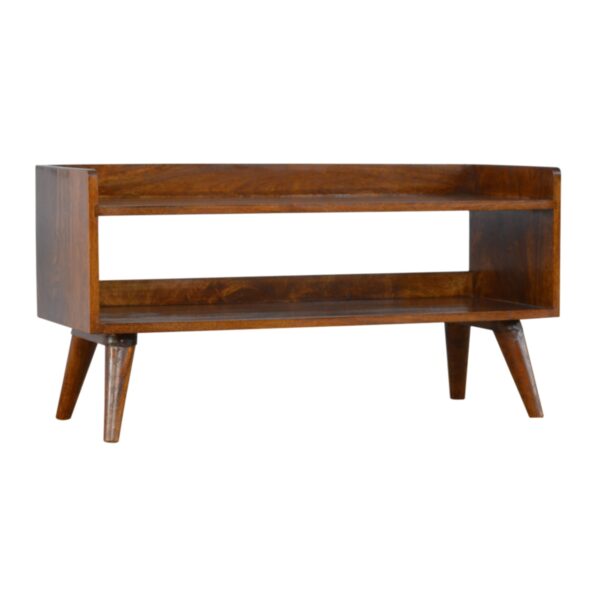
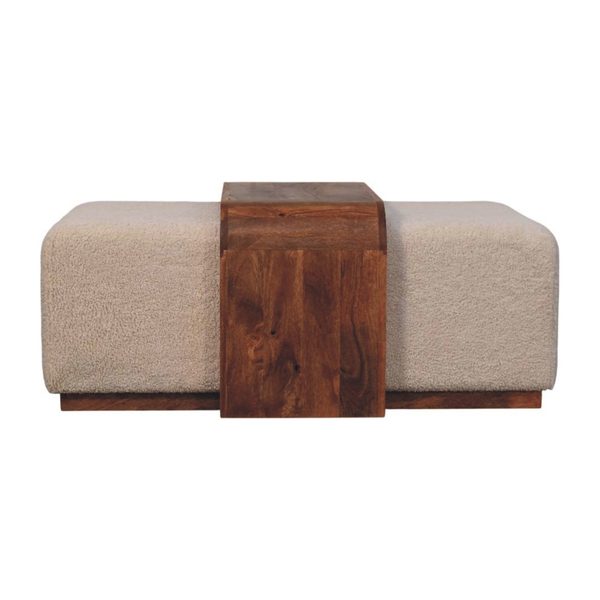
How does the seat connect with the base?
Read the materials and construction for the top, legs, rails and any covered parts. If solid timber, veneer or mixed construction is stated, keep those descriptions accurate. Look at joints and supports in the available product views, especially beneath the long seating surface.
Ask about an unclear structural detail when it affects your choice. Do not infer a load rating or seating capacity from wood alone. The product’s stated use remains the guide. A clearly described base also helps with placement: leg positions can affect access beside a table or the space available for feet. Compare the whole construction rather than isolating one attractive timber close-up.
Which seat dimensions suit the actual sitting task?
Check usable length inside curved ends or raised details, not only the overall measurement. If people will share the bench, include their seated relationship rather than turning outside length into a capacity claim. Height and depth also affect how easily a person sits, reaches and rises.
For dining, compare the seat with the table underside and supports. For dressing, picture feet on the floor and room to handle shoes. Bedroom benches focus on that routine. A shaped timber seat can create a different position from a flat one, but read the actual form rather than assuming wood is either comfortable or uncomfortable as a whole material category.
Which finish works with the room and its contact points?
The applied finish guides cleaning and appearance. Visible grain, a tinted surface and a painted component should not share a guessed treatment. Read care for spills, hands and shoe contact appropriate to the intended location, and keep any upholstery instructions separate.
Compare the timber tone with the floor and nearby furniture. Natural timber benches narrow the visible-grain choice, while black benches help assess a stronger dark outline across materials. The finish should make a deliberate room connection on a bench whose proportions already work. A matching tone cannot fix a seat that blocks furniture openings or leaves too little occupied space.
Frequently Asked Questions
For a named timber choice, explore mango wood benches with the same useful seat and construction checks.