
Natural Timber Benches
Natural timber benches put visible wood character at the centre of the seating choice. A long seat can show grain prominently, so compare it with your floor and nearby furniture before deciding how much material detail the room needs. Shared warmth can connect pieces without an exact match.
Read moreRead less
Natural appearance does not establish untreated wood, one species or solid timber throughout. Read the actual components and finish, then check the bench’s intended use and usable dimensions. Timber benches help compare construction before you choose the grain and tone you will see across the seat and base. Choose that appearance on a form that also makes the daily seating task practical.
Showing all 10 resultsSorted by recommended
-
Week’s PickOriginal price was: $1,722.00.$1,429.00Current price is: $1,429.00.
-
-
-
-
-
-
-
-
-
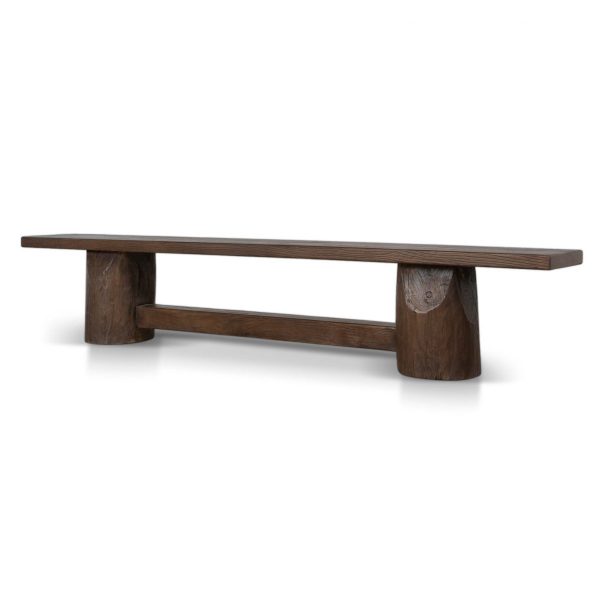

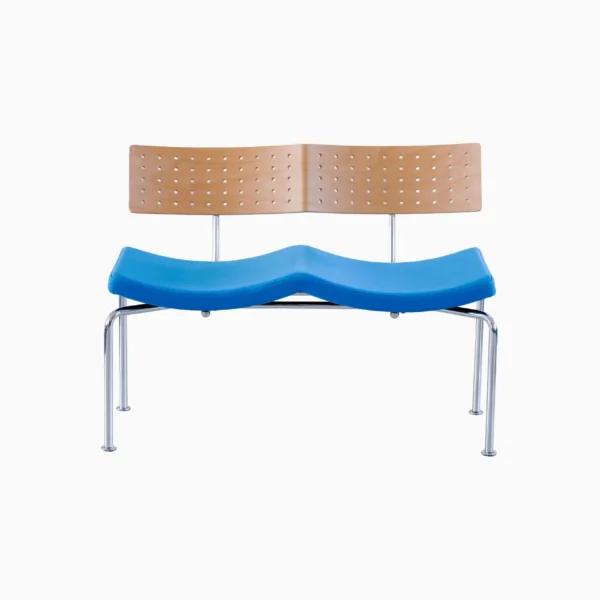
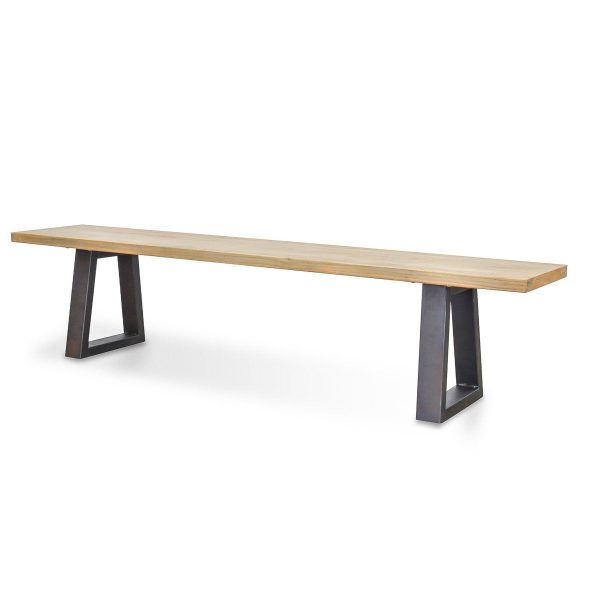
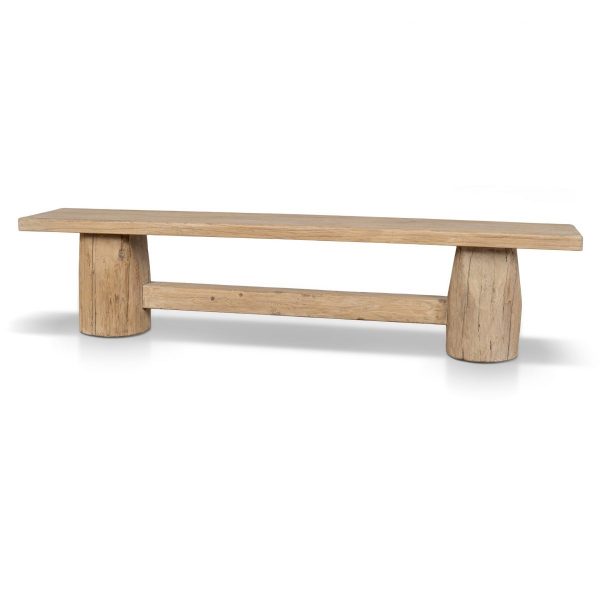
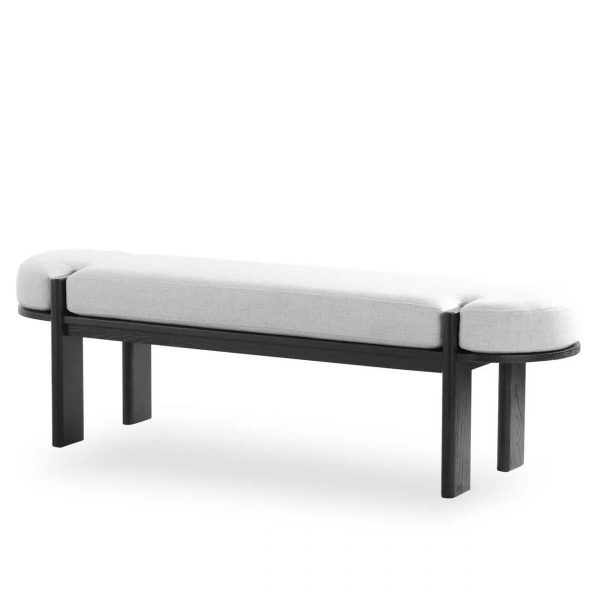
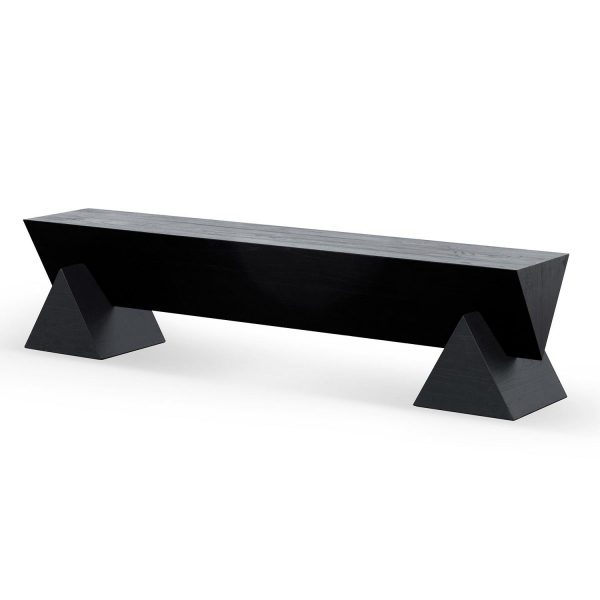
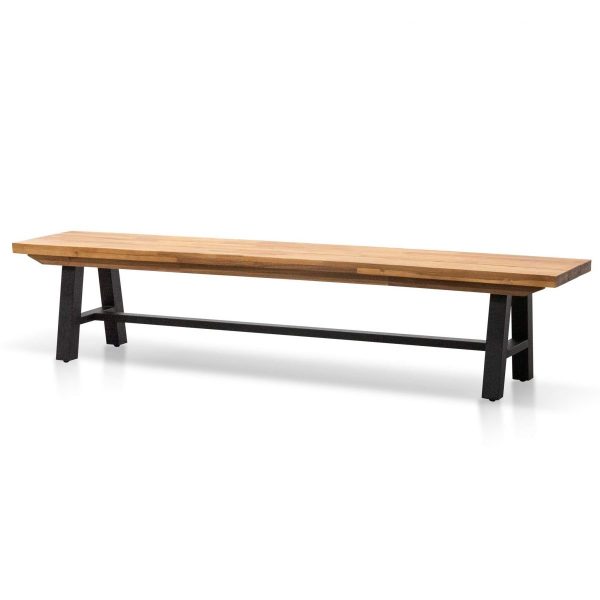
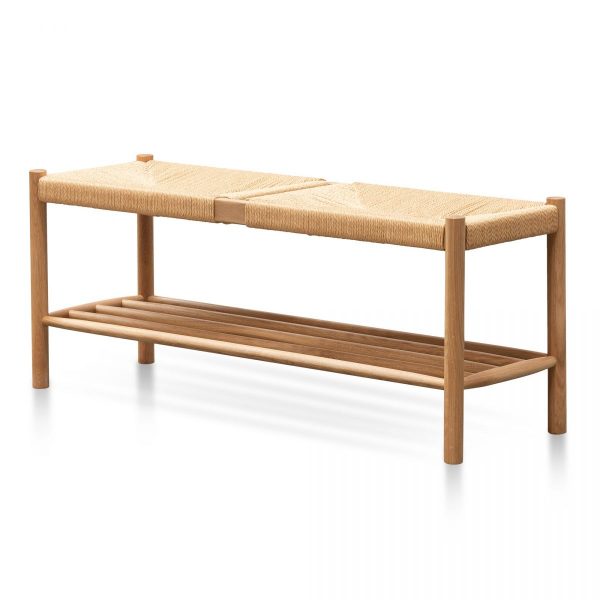
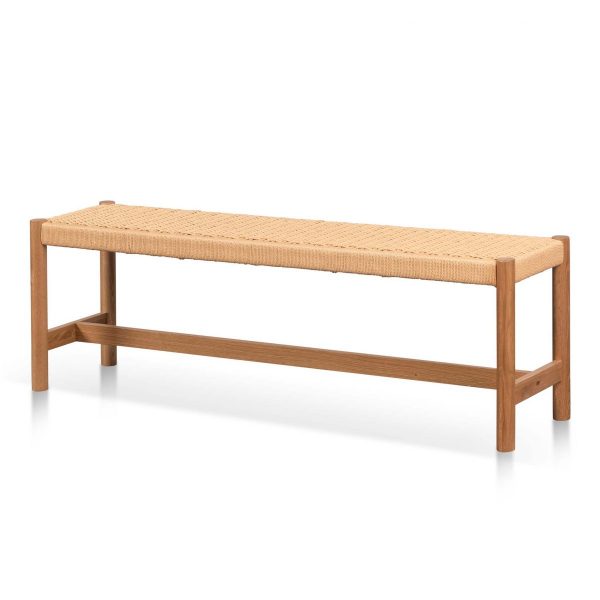
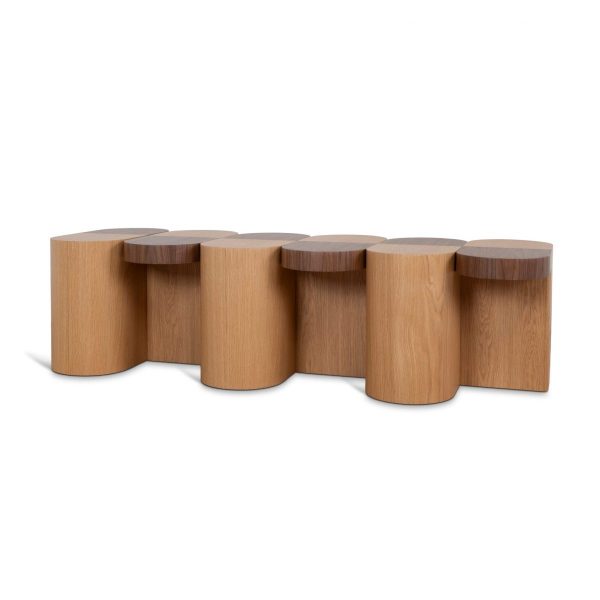
Should the grain connect with the floor or stand apart?
Look at the seat and base against the floor as a whole. Similar grain and tone can create a close relationship, while a clearly different depth may make the bench easier to distinguish. An uncertain near-match is not the only way to coordinate timber.
Consider other wood pieces nearby and the direction or scale of their visible patterns. A simple bench shape can let the material lead when the room already has several details. Ask about the chosen finish and appearance variation where supplied. Do not assume all timber called natural has the same warmth, grain or colour; compare the actual surface with the permanent materials in your home.
What does the natural-looking surface tell you about construction?
It tells you something about appearance, but the product description must identify the underlying material. Confirm whether relevant components are solid timber, veneer or another stated construction, and keep any upholstered or metal areas separate.
Read the applied finish too. A clear-looking surface may still have a coating with its own care method. Do not choose oil or cleaners solely because grain is visible. Oak veneer benches offer a specific surface-layer comparison, while mango wood benches concentrate on a named species. Compare the exposed seat and base with the grain already in the room, keeping the stated construction and finish alongside that visual choice.
How does a wood-led bench work in the room’s routine?
Match usable height and depth to the task before choosing the finish. Dressing, entrance seating and dining create different positions and surrounding-space needs. A long timber surface can appear visually settled while being too low or too deep for the action you want.
Include the base and occupied space, particularly where legs extend beyond the seat. Check care around shoes, hands or drinks relevant to that location. Entryway benches help plan the entrance route, while bedroom benches focus on the bed-foot arrangement. Let the grain provide a purposeful material layer on seating that still fits, rather than allow the natural appearance to settle every practical question.
Frequently Asked Questions
Use the bench category when the seating task is still open, then refine the timber appearance within that purpose.