
Oak Veneer Benches
Oak veneer benches are for buyers who want an oak timber surface with its construction described accurately. Veneer is a timber surface layer over a base material, so identify which components use it and what the product states about the underlying structure. It should not be described as solid oak throughout.
Read moreRead less
Compare the finish and visible grain with your room, then check the seating job. At an entrance or bed’s foot, the front edge and base can experience frequent contact; at a table, seat height and leg clearance become important. Timber benches provide the wider construction comparison. Check the oak grain shown across the seat and how the veneer is finished at frequently touched edges.
Showing the single result
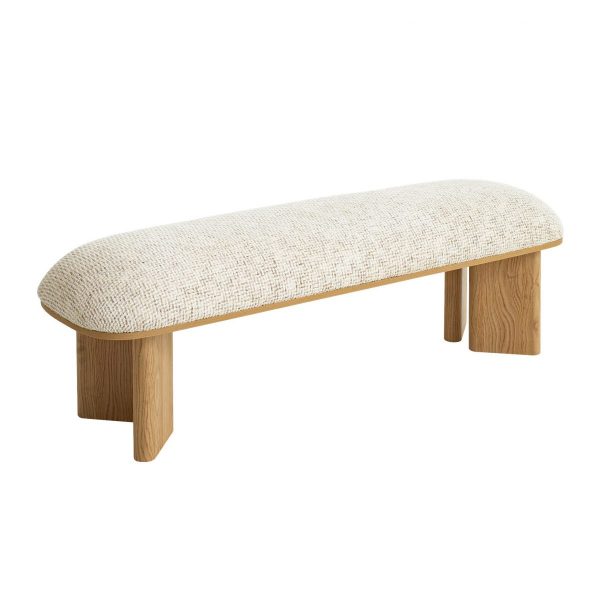

Where does the oak veneer begin and end?
Read the construction description for the seat, panels, frame and any other parts. A veneered surface may sit alongside solid timber or other materials, but that combination needs to be stated rather than guessed from photographs.
Check available views of edges and underside details. Ask about missing information if the base material or edge construction affects your choice. Compare the supports beneath the seat with the product’s stated seating use. Knowing the surface layer, core and frame helps you choose the oak appearance while asking precise questions about the parts supporting it.
Which grain and finish belong beside your existing furniture?
Compare the selected finish against your floor and nearest table, bed or cabinet. Oak veneer is not one fixed pale shade: the furniture coating can change its colour. Decide whether the long bench should repeat the existing timber warmth or make a clear separation above the floor.
Where the veneer cut is specified, it gives another useful choice. Plain-cut oak can show a cathedral-like grain pattern; quarter-cut oak can reveal characteristic ray fleck. Read the actual surface description rather than assuming either is used. Compare that pattern over the whole seat with nearby timber. The natural timber benches guide helps consider the wider amount of exposed grain in the room.
What care belongs at the edges of a working bench?
Follow the finish and construction guidance for spills, cleaning and contact at the seat edge. Do not choose sanding, oiling or abrasive treatment from an assumption that the whole piece is solid timber. Ask for the approved routine if it is unclear.
Then check usable dimensions for the task. Overall length can include shaped ends, and the base may extend beyond the surface. Entryway benches help with shoe-changing space; dining benches focus on table fit. A clearly described oak veneer bench should combine the surface you want with seating proportions and maintenance that suit the actual place it will be used.
Frequently Asked Questions
Compare walnut veneer benches if you are weighing another named veneer appearance, using each design’s actual finish rather than a fixed colour assumption.