
Brown Benches
Brown benches can link a seating spot with timber floors, earthy textiles or warm furniture finishes. First decide whether the bench should repeat a nearby tone or provide a deeper contrast. A long dark brown seat changes the room differently from a small warm pad on an open frame, so compare the complete form.
Read moreRead less
The colour does not establish timber or leather. Read the seat and frame materials separately, then check whether the design suits dressing, an entrance pause or dining. The bench category helps settle that purpose. Refine the warm colour relationship after the seating task is clear, with the actual footprint and care information beside your decision.
Showing all 5 resultsSorted by recommended
-
Week’s PickOriginal price was: $1,722.00.$1,429.00Current price is: $1,429.00.
-
-
-
-
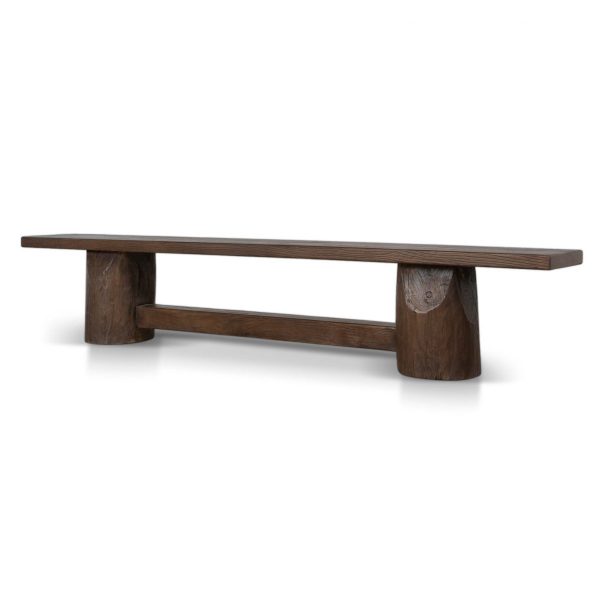


Should brown repeat the furniture or separate from it?
Compare the bench with the nearest large piece, such as a bed, table or cabinet. Several brown tones can work together when their relationship is deliberate: shared warmth, a clear change in depth or a quieter grain beside a stronger one. An uncertain almost-match may be harder to resolve.
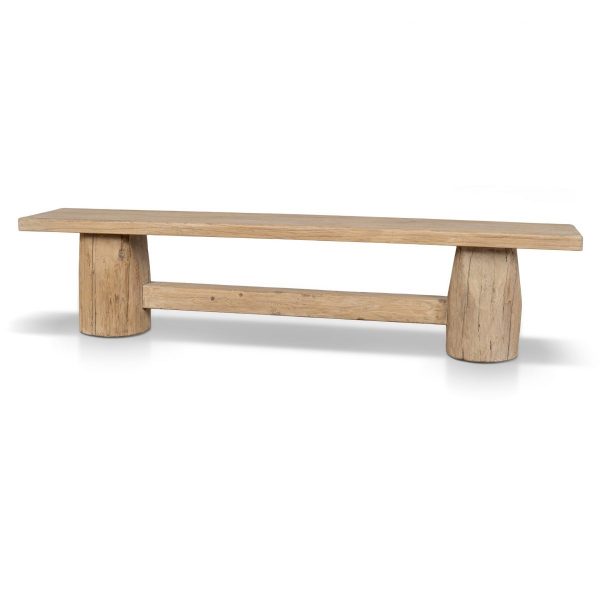
Include the floor, which surrounds the base and can make a dark bench blend or stand out. A brown upholstered seat above a different frame material has another effect again. Decide which element should connect with the room before choosing. Natural timber benches focus on visible wood when that is the connection you want, rather than brown across different surfaces.
Which material produces the brown you are choosing?
Check whether brown describes a textile, leather, coated surface or timber finish. The same colour family can look different across those materials, and each can require different care. A smooth brown seat should not be assumed to be leather from a photograph.
If leather is the reason for your search, use leather benches and verify the covering. If you prefer a textile layer, fabric benches give the relevant composition and cleaning questions. Keep any frame finish separate from the seat covering. The warm colour is a useful room decision, but it needs accurate material information before you compare texture, everyday touch points or maintenance.
How can a warm accent remain a useful seat?
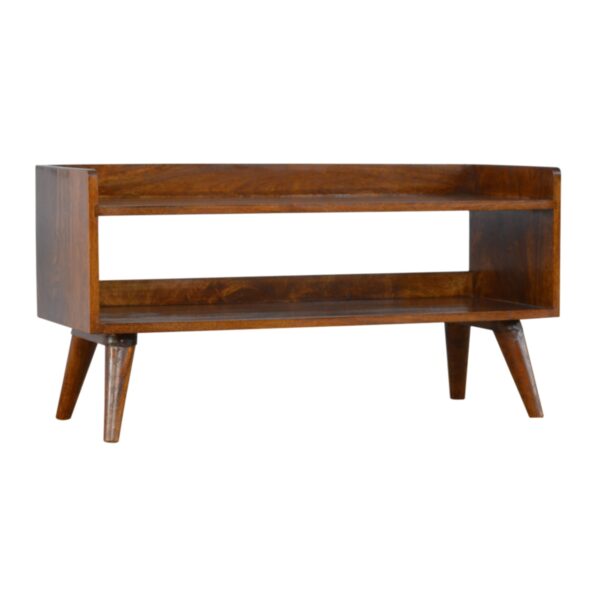
Measure usable height and depth for the bench’s intended task. Dressing needs a position that lets you handle shoes; dining needs a relationship with the table and leg space. A long low brown form can look settled without necessarily fitting either task.
Check the full base and occupied space, not only the seat outline. Dark colour does not reduce the room needed to sit and rise. At a bed’s foot, leave access for bedding and furniture openings. Read the actual surface care where hands or shoes may make contact. Choose a brown bench that adds warmth and a workable seat, rather than asking colour alone to solve proportion or use.
Frequently Asked Questions
Use bedroom benches or entryway benches to refine the warm seating choice around the specific daily action.