
Fabric Benches
Fabric benches add a textile surface to a room’s seating arrangement, but that surface needs to work with the task. A dressing seat, an entrance pause and dining seating put different demands on the covering and its care. Begin with the job, then compare the weave, stated composition and useful seat area.
Read moreRead less
A long covered form can look generous while curved ends or raised edges leave less room to sit. Fabric also does not establish the filling beneath it. Compare the textile across the useful seat area, and explore upholstered benches if padding is your main question. For specific room-fit advice, entryway benches and bedroom benches provide different practical starting points.
Showing all 20 resultsSorted by recommended
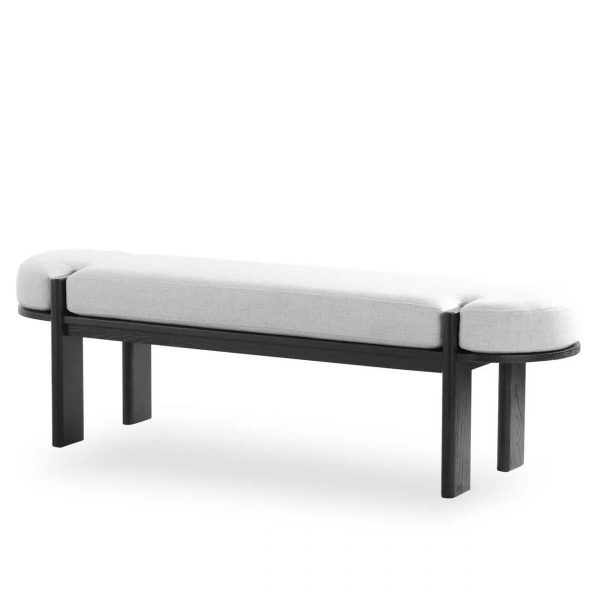

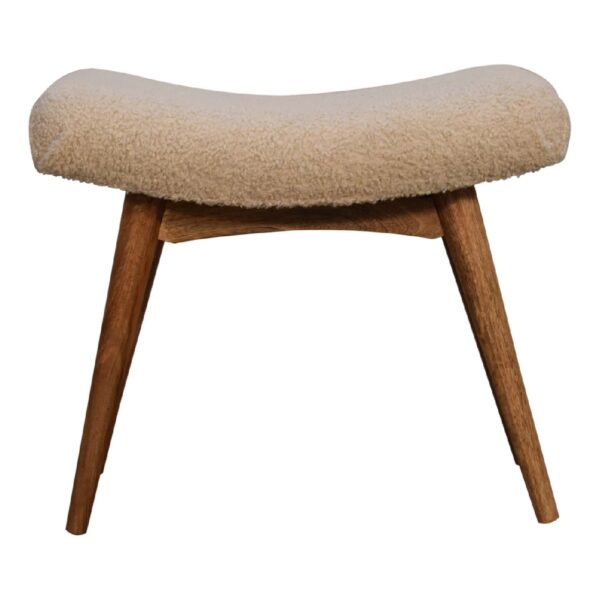
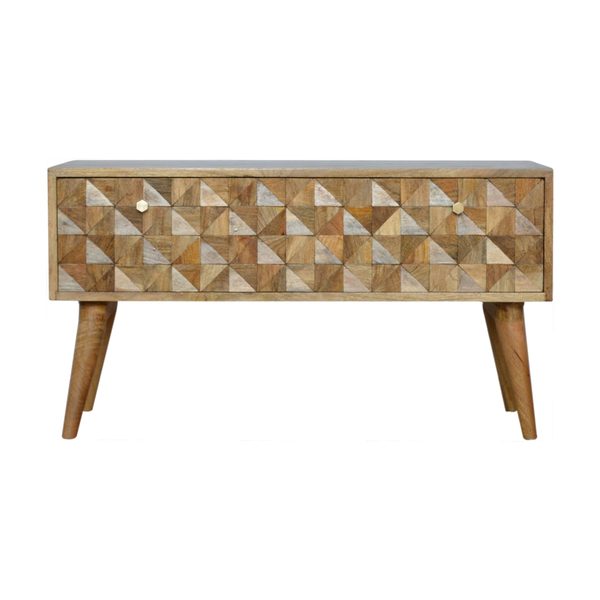
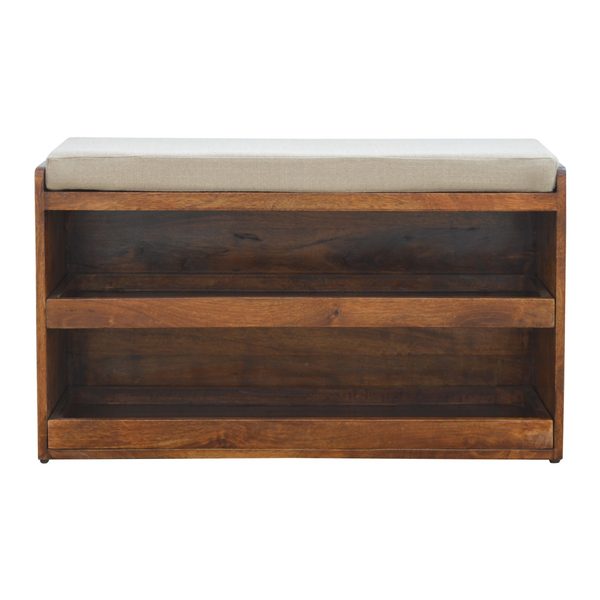
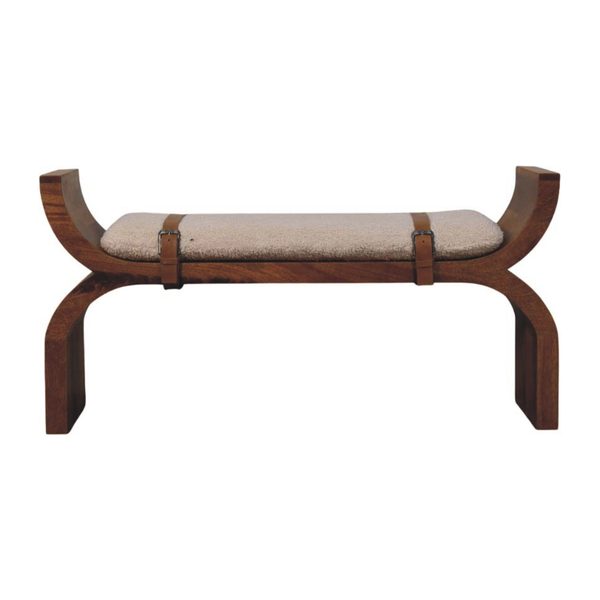
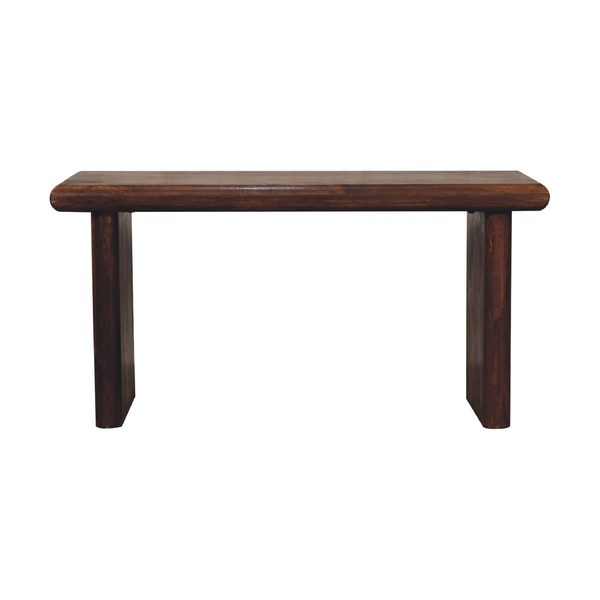
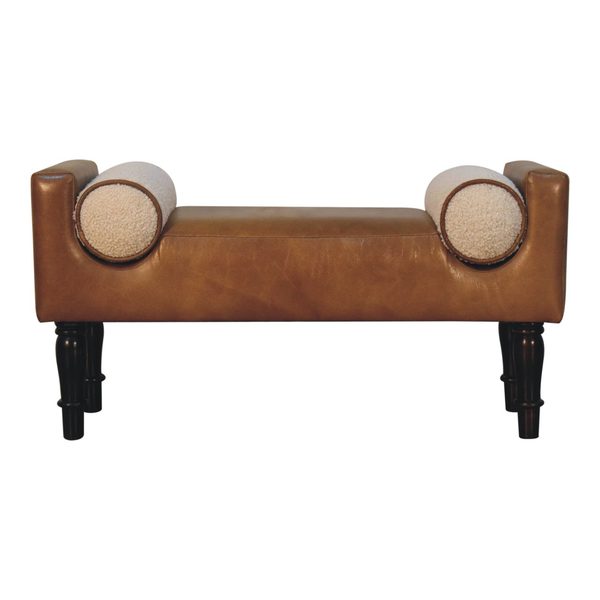
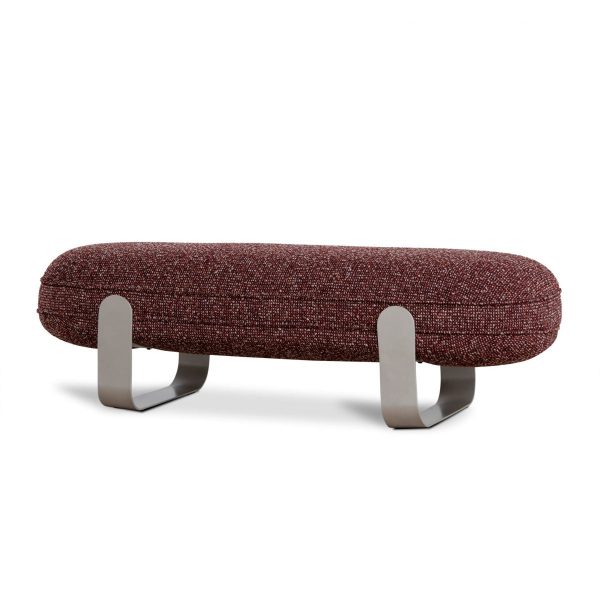

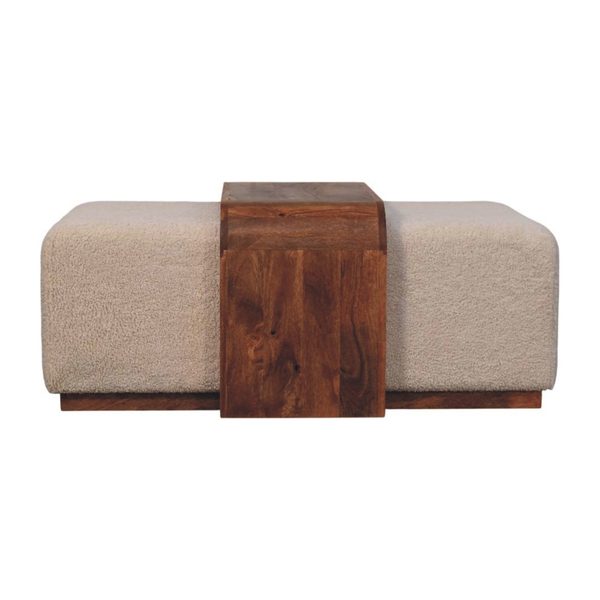

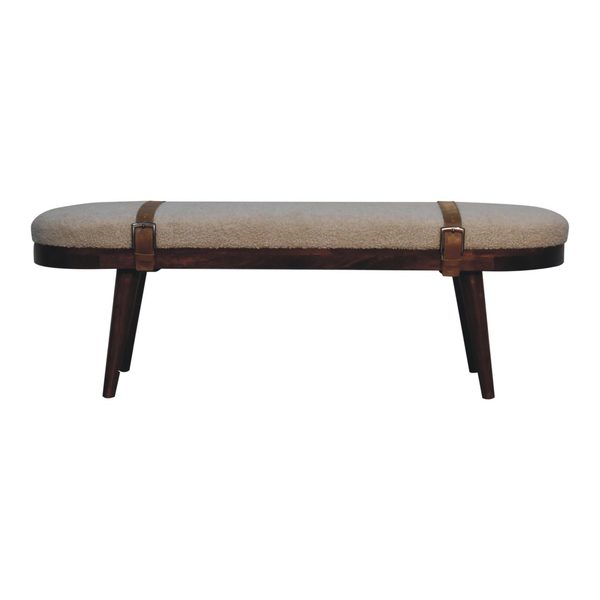
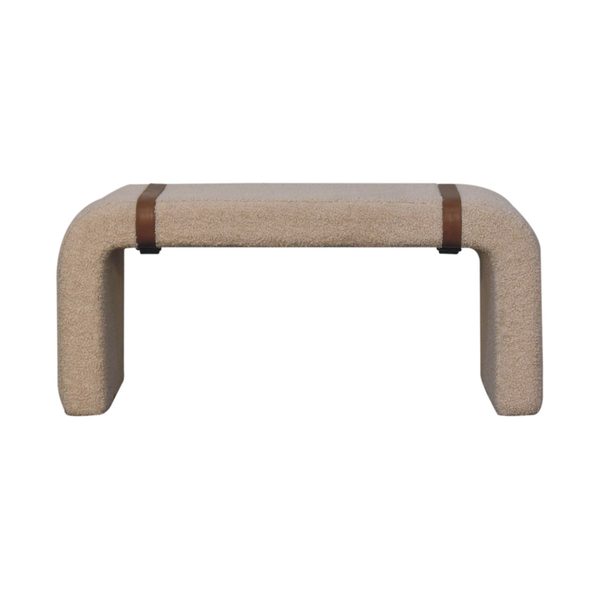

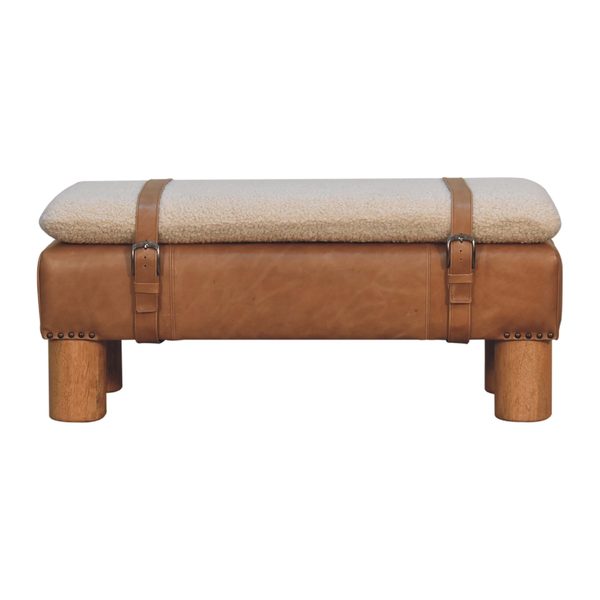


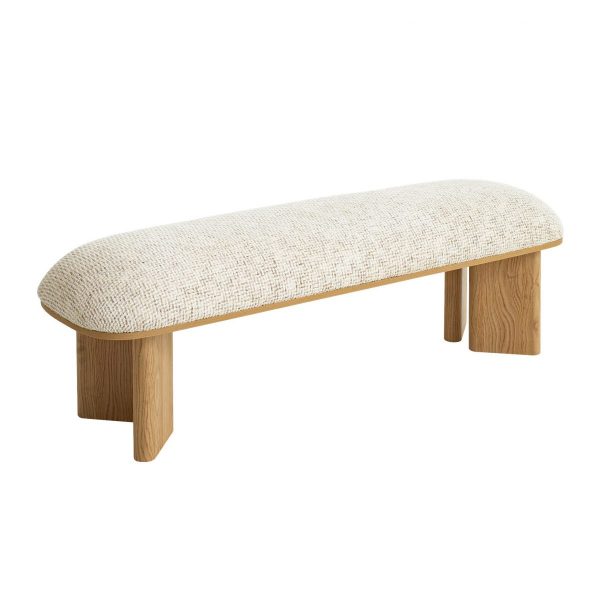
Which textile suits the contact in your chosen room?
In an entrance, hands, bags and shoe-changing routines can bring regular contact to the front edge. In a bedroom, the seat may sit beside bedding and be used for dressing. At a table, food-related care becomes another question. Read the fabric’s actual instructions for the intended setting.
Check composition, surface texture and any stated maintenance information. Do not infer stain resistance or removable covers from a close-up image. If a particular concern matters, ask about the chosen textile rather than applying a general rule to every fabric. The covering should support the daily task you have already identified, not change that task to protect an unsuitable material choice.
How much fabric-covered space is usable for seating?
Compare the seat area inside rounded ends, sides or other upholstered detail. Overall length can include parts that are not intended for sitting. If more than one person will use the bench, allow a practical relationship between them rather than counting places from the outside dimension.
Read the filling and construction separately from the fabric. A textile-covered seat need not have the same thickness or softness as another. Check height and depth for your task, including any table involved. Dining benches provide the focused tabletop comparison. The fabric should be a verified surface on a proportion that works, rather than the reason you overlook a shallow or overly low seat.
Should the weave lead or support the room’s textiles?
Look at nearby rugs, bedding, curtains and upholstered furniture. A fine weave can remain a background layer, while a more visible texture can become a deliberate accent across the bench’s length. Consider the whole piece, not only a small sample of the covering.
If your room already has several strong patterns, a quieter textile may give them space. If the room is plain, texture can add interest without introducing another colour. Bouclé benches narrow the looped-texture decision, while linen benches focus on a named fibre. Choose from accurate material descriptions and follow the care for that covering, including seams and frequently handled edges.
Frequently Asked Questions
Return to the bench category if you need to choose the seating purpose before narrowing the textile.