
Timber Footstools
Timber footstools put wood into the supporting piece beside your chair, but the resting surface needs its own clear description. Read whether timber forms the top, frame, legs or other components. A wood frame beneath upholstery creates a different contact zone from a documented timber top. Compare that actual surface with the foot position and care routine you want.
Read moreRead less
Use this collection to choose construction, height and room access together. Solid timber, veneer and other stated materials should remain distinct. Ottomans and footstools offer the wider role guide. Mango wood footstools narrow a particular wood direction, while fabric footstools focus on textile contact if the covering matters more than the frame.
Showing all 13 resultsSorted by recommended
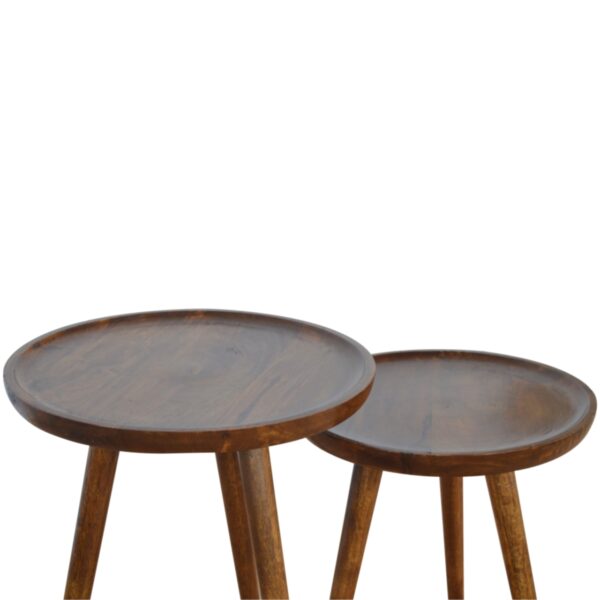

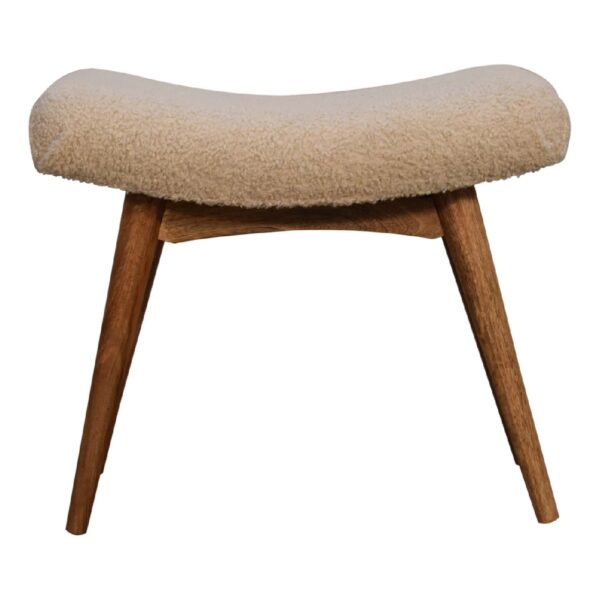
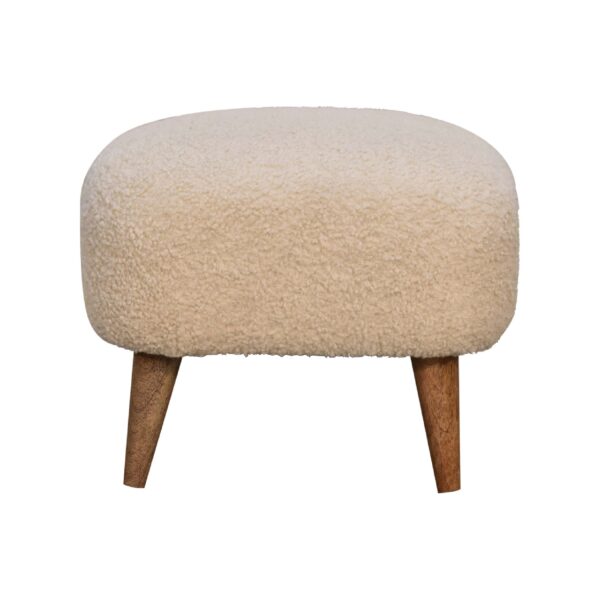
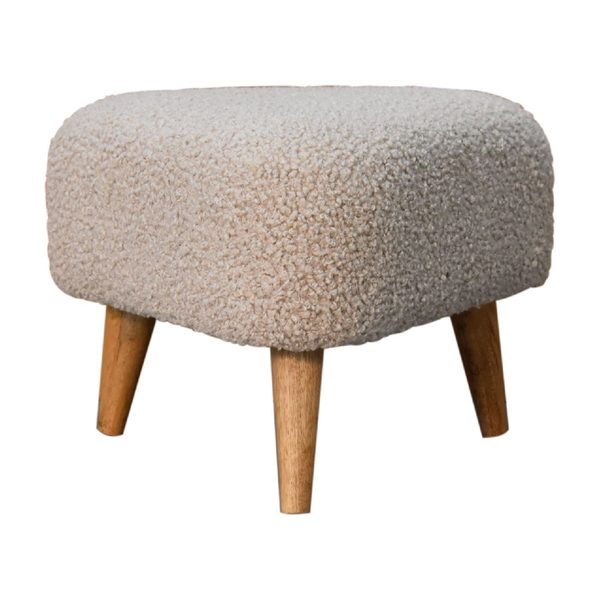
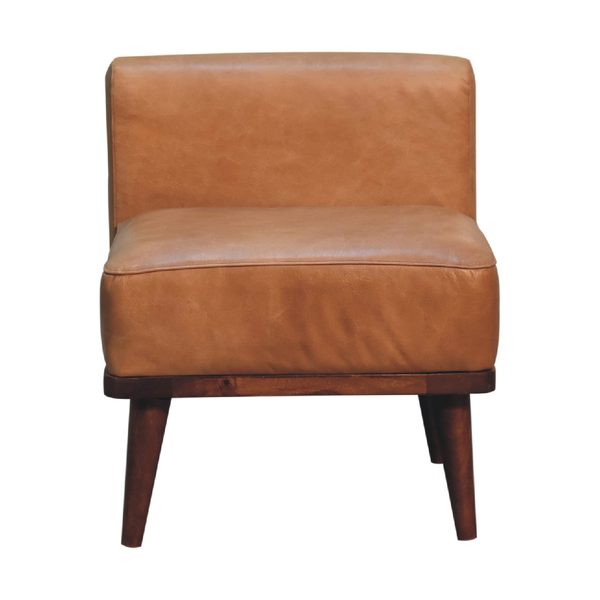
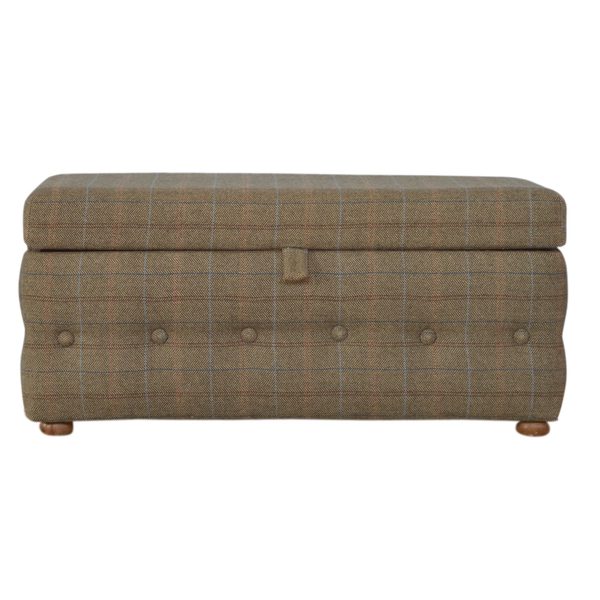
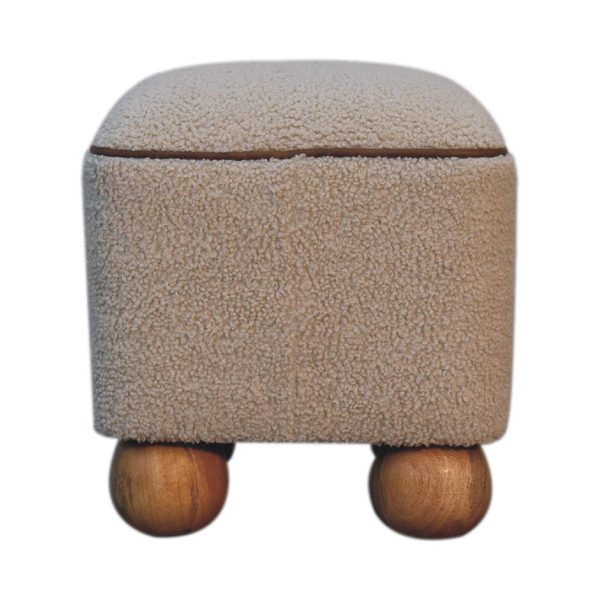
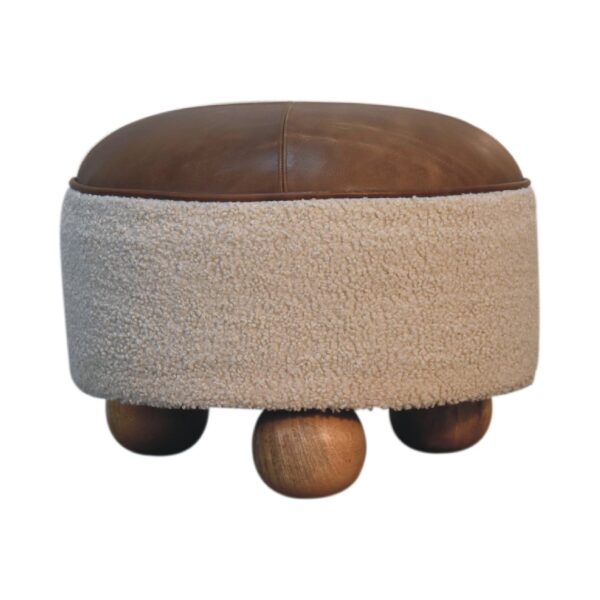
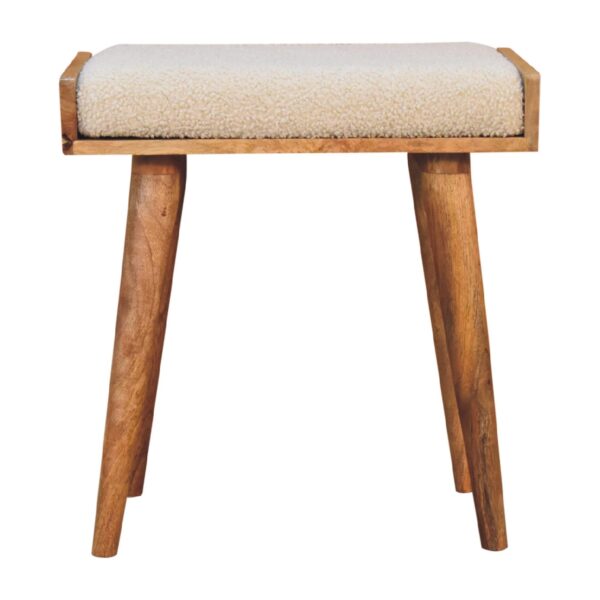
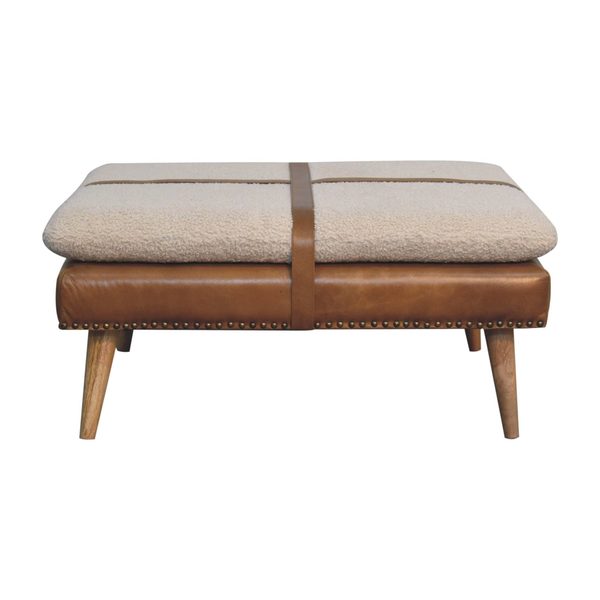
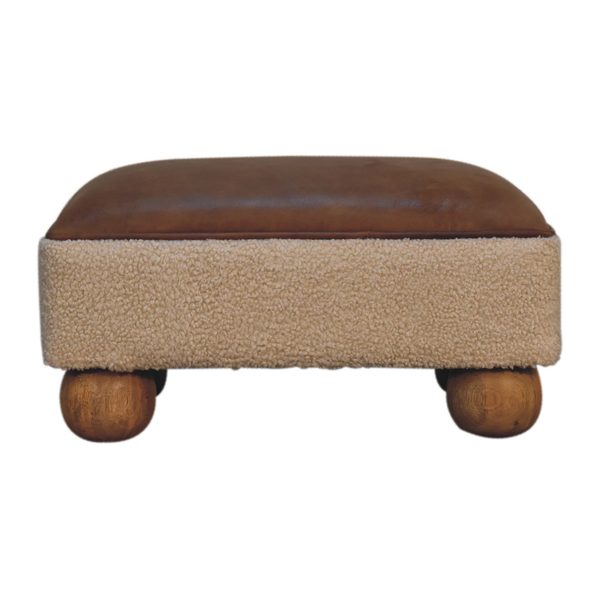
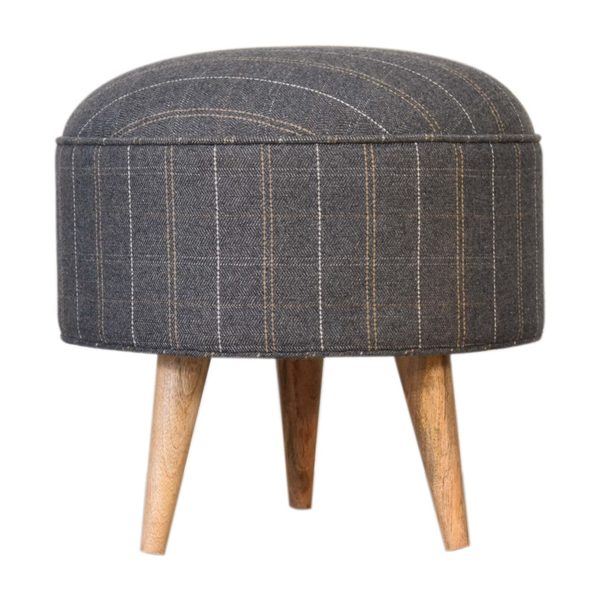
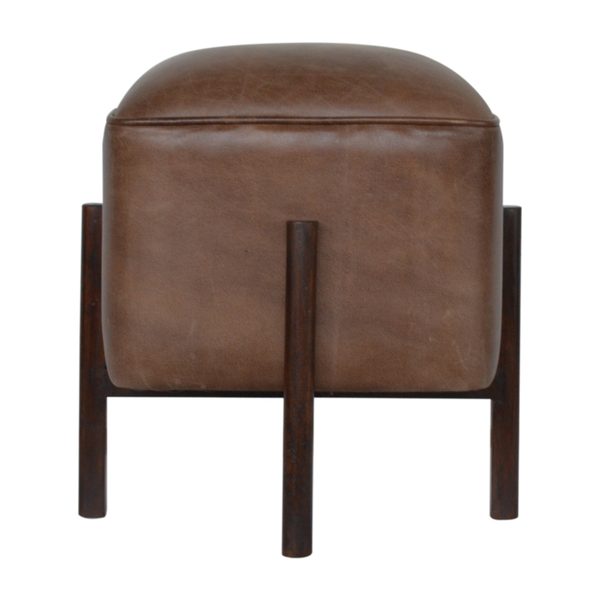
Read the timber structure before choosing its appearance
Check materials for the top, legs and frame separately. A visible wood surface does not establish an all-solid piece or explain hidden supports. Ask about missing component details when they affect your purchase, rather than treating the timber label as a single construction claim.
Review grain and the actual finish on the surfaces that remain visible beside the chair. Compare their tone and scale with the floor or chair frame. Exact matching is not required, but the low piece should have a clear relationship to existing wood. Use the whole stool view rather than a close-up that exaggerates how much timber the room will see.
Choose the contact zone and height for resting
Compare the actual top profile and support area with the way you rest your feet. A hard-looking wood surface and a covered top should not be assumed to provide the same contact, even when their outer dimensions are similar. Read the specific construction and use guidance, then test the proposed height with the chair you own.
Plot full body and base dimensions in front of the seat. Keep space for putting feet down and standing, plus a practical parked position. Round footstools or square footstools can refine the outline once the support requirement is clear. Wood appearance does not establish comfort or fit by itself.
Follow surface care and intended-use limits
Read the selected timber finish’s instructions before applying oil, wax or another cleaner. The wood appearance does not establish an untreated surface. Follow separate guidance for any covered top and consider the regular foot-contact routine. Ask when the allowed maintenance is unclear.
Check documented uses and loads before treating a footstool as seating, a step or a tray table. Do not add roles because the frame looks sturdy. Living-room footrests help focus on the actual relaxation task. Confirm assembly and handling, then ask benssur about a missing support or finish detail. Choose timber within a useful resting arrangement, with clear instructions for the actual complete piece.