
Mango Wood Footstools
Mango wood footstools are a material-led choice beside a chair or sofa, but the useful comparison starts with where the wood appears. A timber frame beneath another covering creates a different foot-contact surface from a documented wood top. Read those components separately. Then compare the visible grain with the floor and chair frame, without expecting one identical mango wood appearance across different pieces.
Read moreRead less
Use this collection to bring material character into a resting arrangement that works. Check height, usable top and full footprint before selecting the finish. Ottomans and footstools provide the wider support guide. Timber footstools offer a broader wood-construction comparison when a particular species is less important than the actual frame and contact surface.
Showing all 11 resultsSorted by recommended
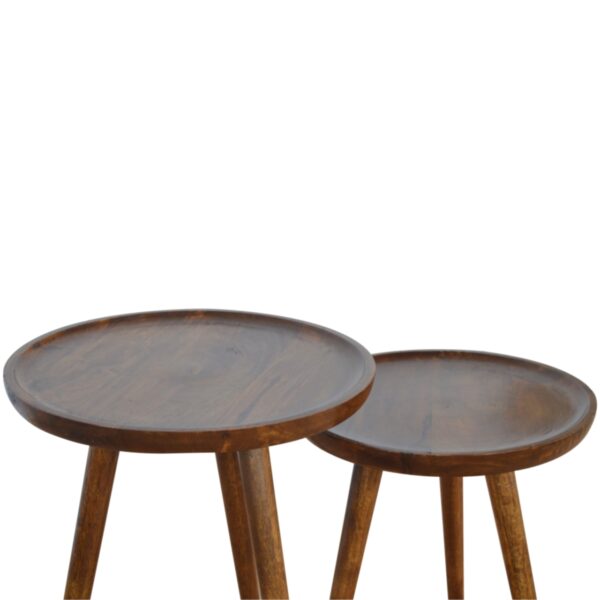

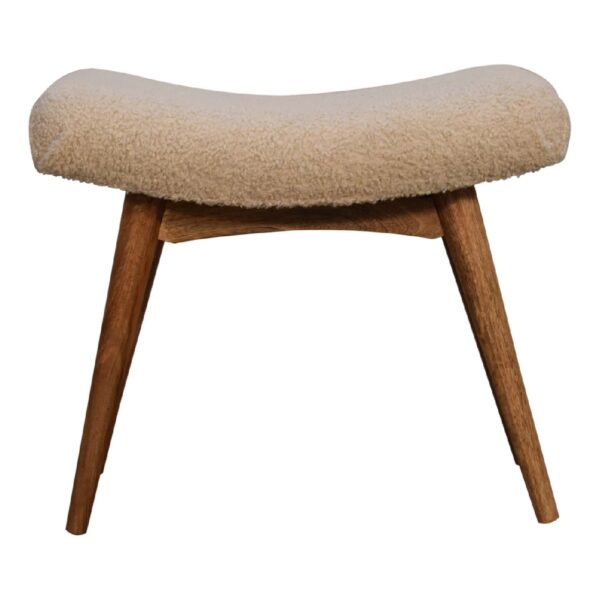
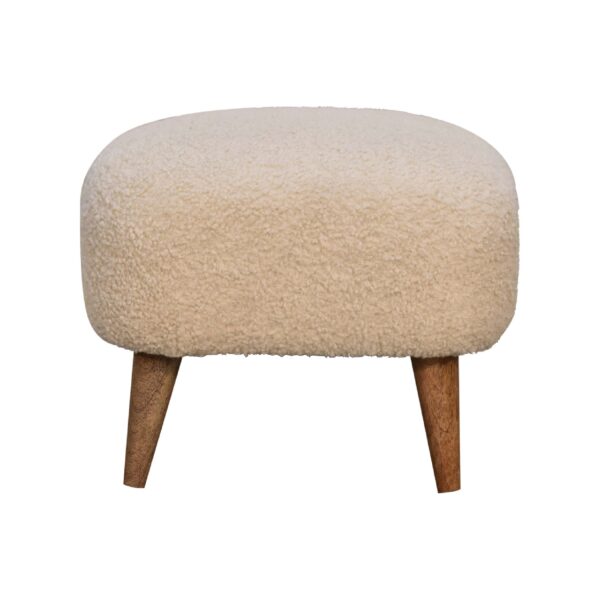
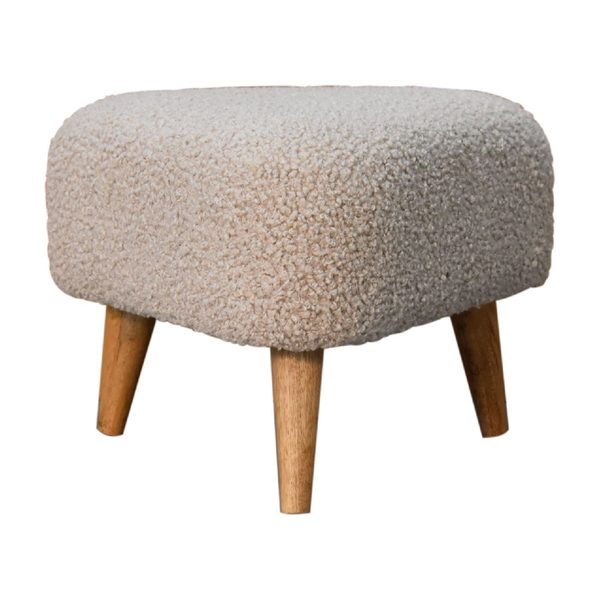
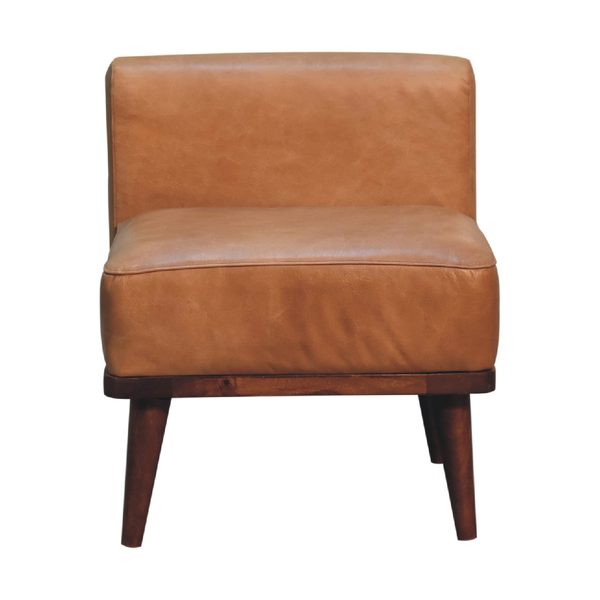
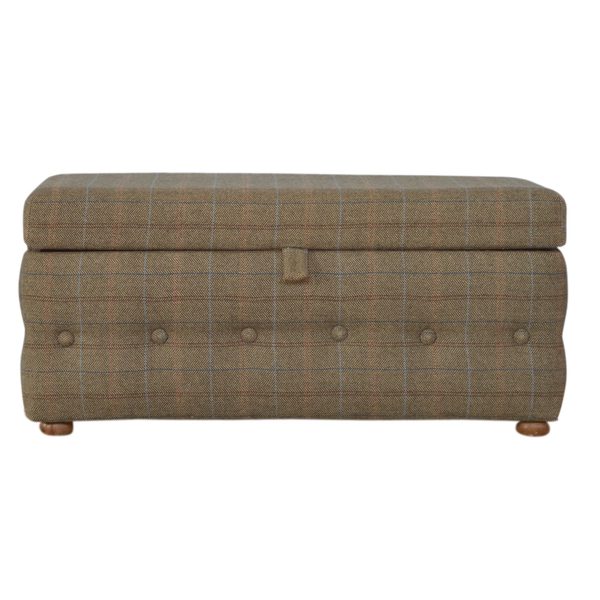
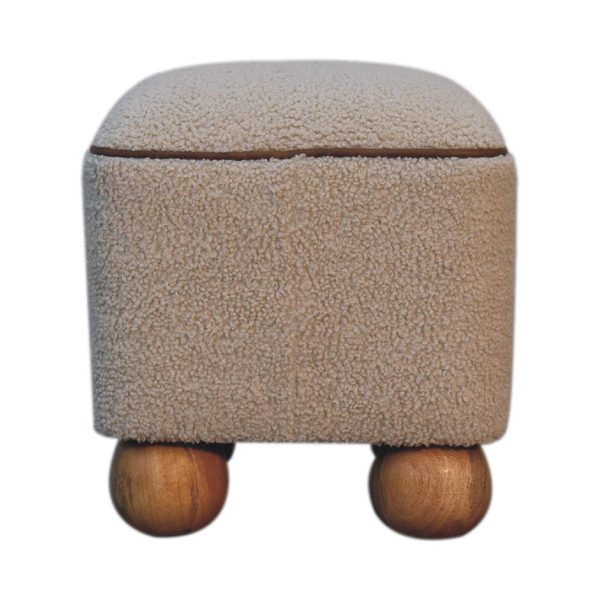
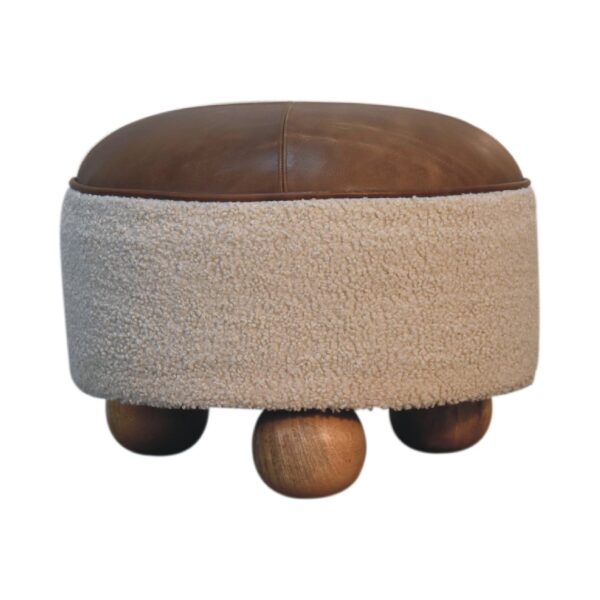
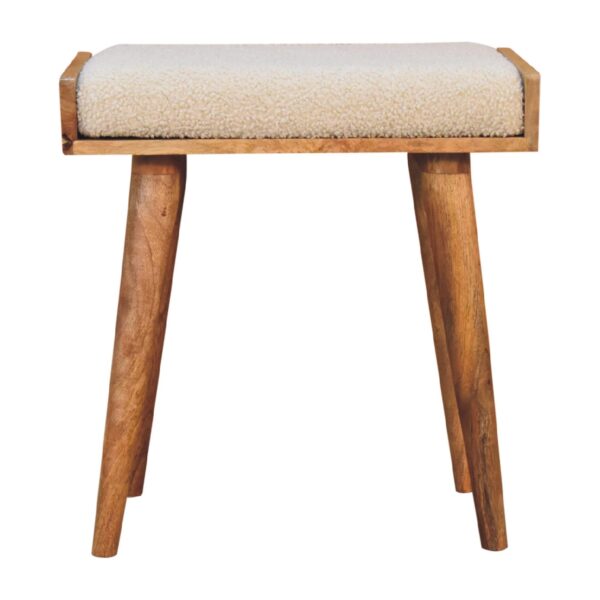
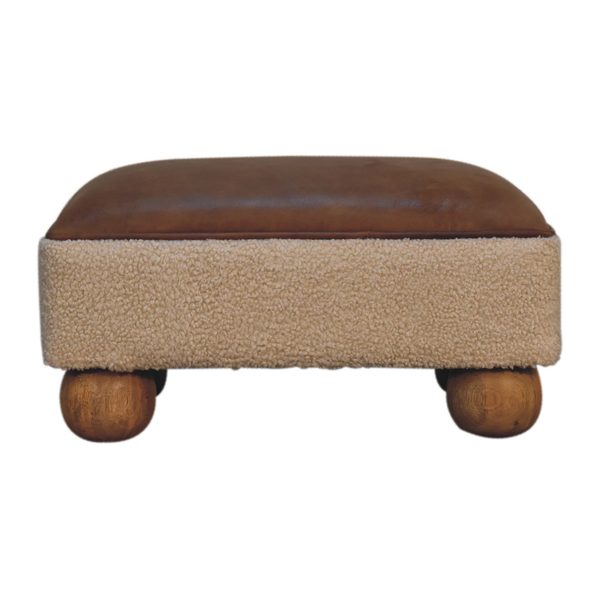
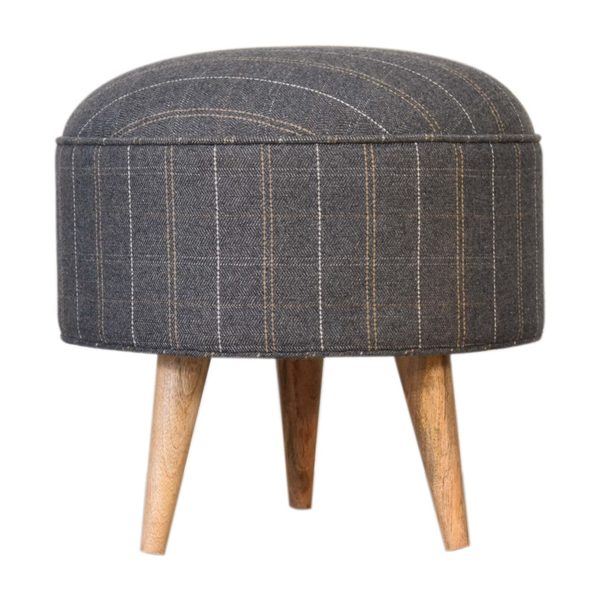
Identify the wood frame and the surface your feet will meet
Read top, frame, supports and any upholstery in the product details. Mango wood in one component does not establish an all-solid timber stool or a wood resting top. Confirm solid timber, veneer or other construction where stated, then ask about gaps that affect the purchase.
Look at the shape of the contact zone, not only the decorative frame. Covered edges or another profile may change usable area. Compare it with the position you prefer for your feet. Fabric footstools offer a covering-led route when the resting surface, rather than visible wood species, is the main requirement. Keep those roles distinct while choosing the actual piece.
Compare mango grain low beside the chair
Mango commonly has golden-brown areas and can show darker streaks or other tones. Compare the actual specified wood on the stool with the floor and any visible chair frame. A small exposed support and a broader side frame contribute different amounts of that character at low level.
Look from the chair as well as the doorway, noting which wood faces remain visible beneath a covered top. Read the selected finish and expected variation instead of planning an exact photographed grain match. Keep actual top height and the full frame footprint beside this comparison: a broader timber body may show more grain while leaving less room to stand. Round footstools and square footstools help test the outline after the resting position is clear.
Follow care for wood and other components separately
Read the finish instructions before applying oil, wax or a cleaner to mango wood. The surface may already be treated, and the species name does not establish an allowed maintenance method. Follow any separate care for the actual top, especially where footwear or feet make repeated contact.
Confirm intended use and loads before expecting seating or a tray role. Check handling if the stool will move between working and parked positions. Living-room footrests focus on that everyday routine. Ask benssur about unclear construction, covering or dimensions before choosing a wood feature whose support surface still needs to fit the chair and the user.