
Fabric Footstools
Fabric footstools should be chosen through the textile and the resting arrangement together. Start with the chair, user position and usable top. Then compare the covering where feet will meet it: weave, texture and visible seams all contribute to the experience and appearance. A fabric label is broad, so composition and care need to come from the actual product rather than assumptions about upholstery.
Read moreRead less
Use this collection to compare those details with the sofa and rug that will remain. Ottomans and footstools cover the wider role and room fit. Bouclé footstools focus on a looped textile direction. Leather footstools provide another covering comparison if the care routine or texture leads you away from fabric.
Showing all 6 resultsSorted by latest
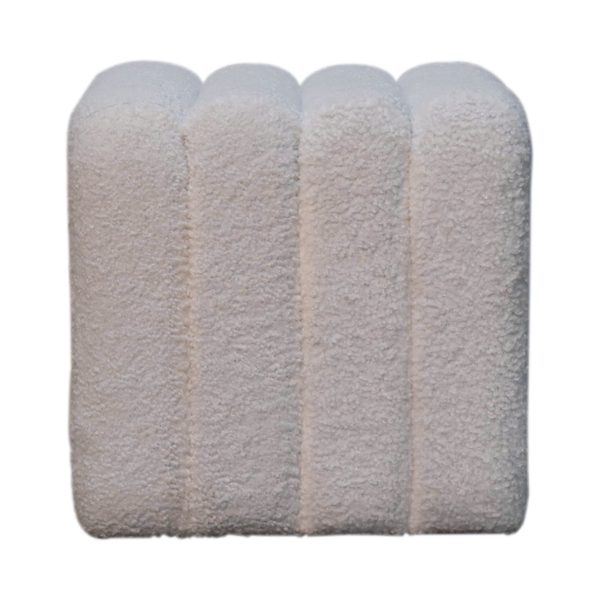

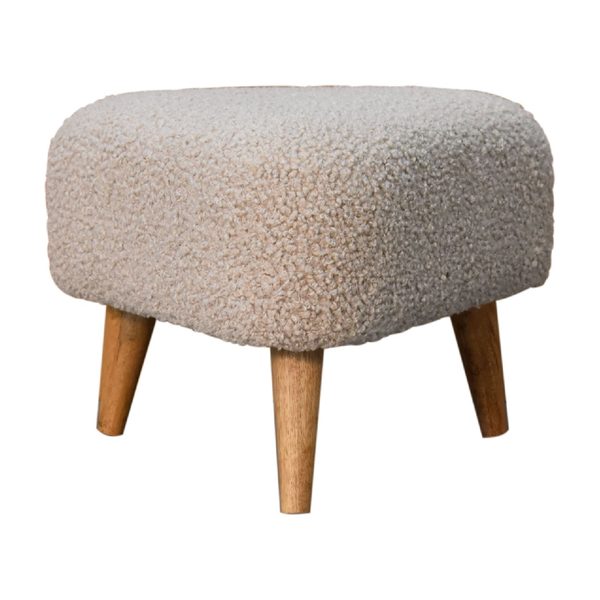
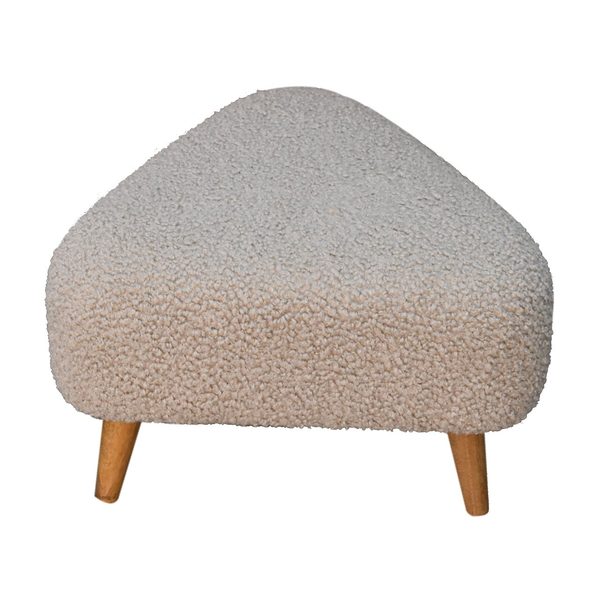
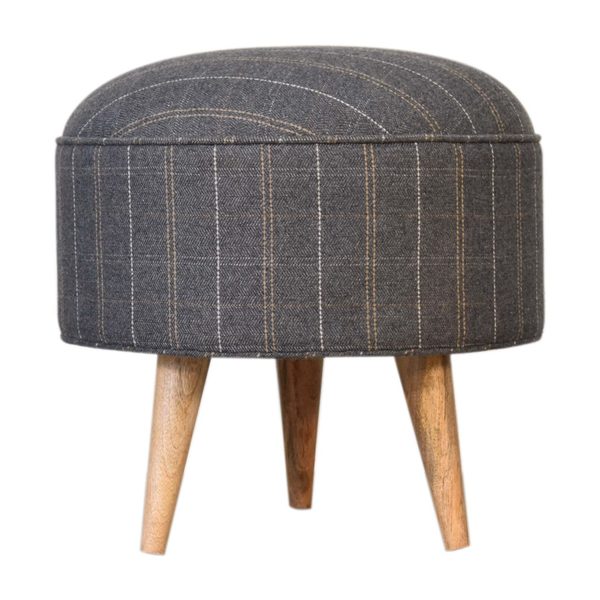
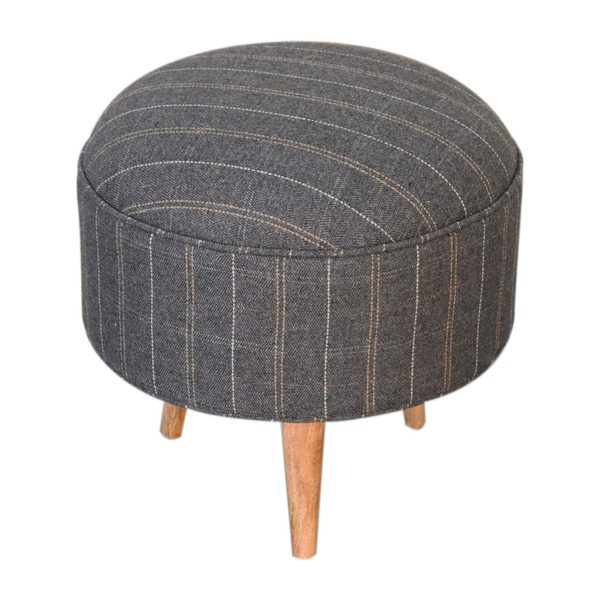
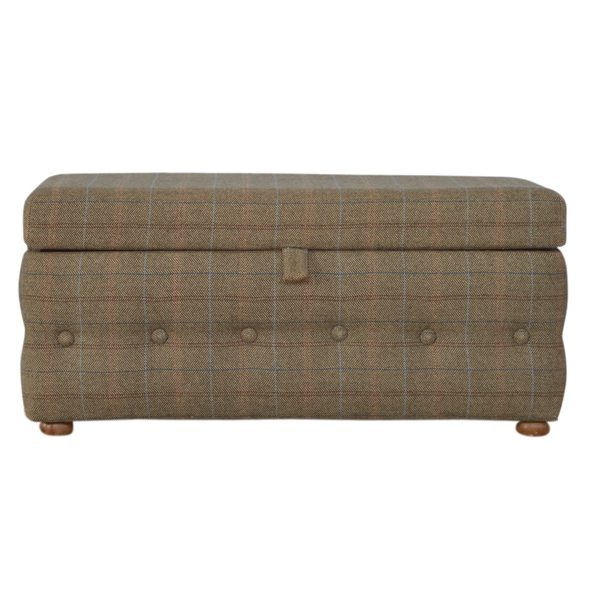
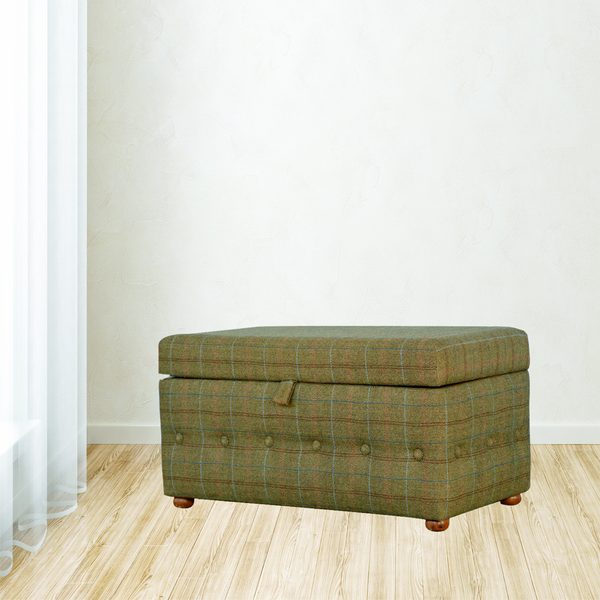
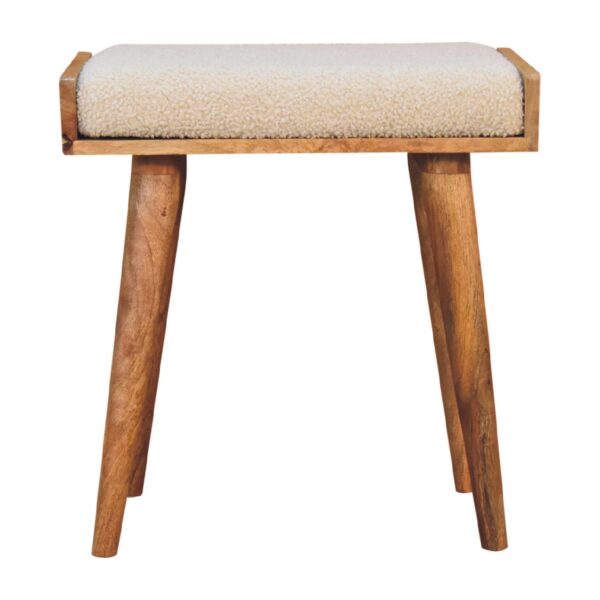
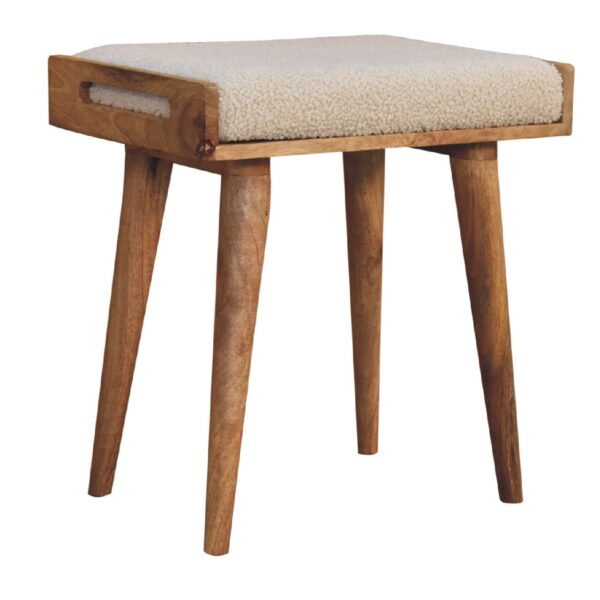
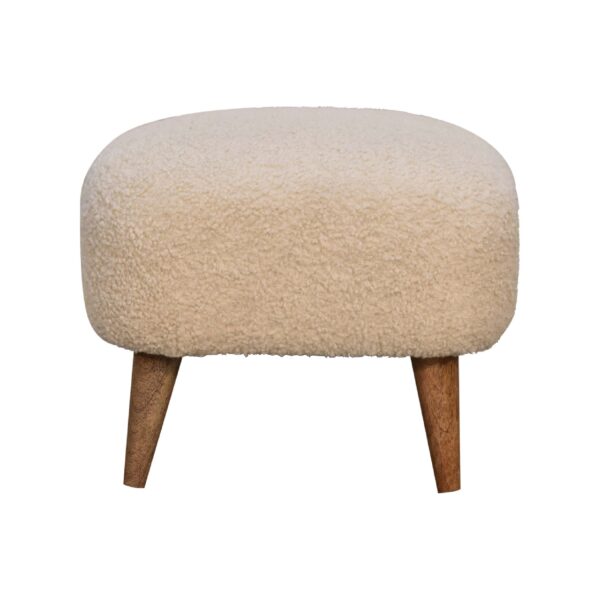
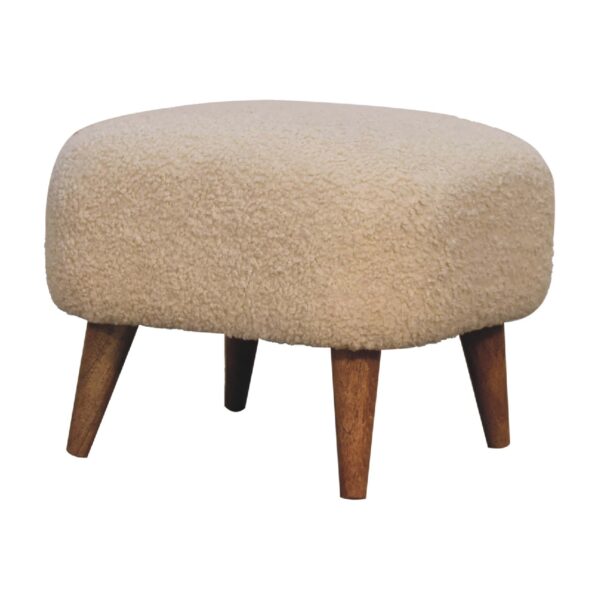
Compare textile character on the actual resting zone
Review the covering close-up and across the stool. A pronounced weave or pattern may make a small piece more visible beside a plain chair; a quieter texture lets shape lead. Check which components carry the fabric and where seams meet the top. Their layout affects the visible support area as well as the outline.
Read fibre composition and any covering-specific guidance. The word fabric does not establish cotton, wool or another blend. If a surface preference is important, ask rather than inferring feel from a photograph. Compare the stool with nearby upholstery and rug texture, giving each material a clear role within the seating group.
Choose the dimensions for the way you rest
Compare height with the actual chair or sofa and the foot position you prefer. The top should provide the usable area needed, including the parts left after rounded edges or another stated profile are considered. Do not judge support from the widest outside dimensions alone. Use the product measurements and a practical reference if helpful.
Plot the stool during use and where it will park afterwards. Keep access for standing and passing the seating. Living-room footrests offer another role-led comparison when the support routine matters more than covering. Shape collections such as square footstools can then refine the actual footprint rather than choose it by texture first.
Check cleaning and other roles before ordering
Think about ordinary foot contact and read the selected fabric’s care instructions. Do not assume removable or machine-washable covers, even if a seam or fastening is visible. Ask about missing maintenance information before selecting a surface for frequent use. Colour and texture should accompany a care routine you can follow.
Read intended use and any stated loads before treating the stool as extra seating or a tray surface. Upholstery alone does not establish those functions. Cream footstools offer a pale-colour comparison after material suitability is clear. Confirm handling and supplied components, then ask benssur about a covering or measurement that remains uncertain.