
Bouclé Footstools
Bouclé footstools bring a looped textile surface close to the chair or sofa where you rest. Start with the actual sitting arrangement, then compare the stool’s height and usable top with the position you prefer for your feet. Texture is the second decision: the loop scale and covered shape will be seen beside upholstery and rugs, and the surface will meet everyday contact rather than remain only a display.
Read moreRead less
Use this collection to assess both roles together. Read fibre composition, intended use and care for the selected covering. Ottomans and footstools provide the wider functional guide. Fabric footstools offer a broader textile comparison when the specific looped appearance is still open. Choose comfort of position through actual dimensions and use.
Showing all 8 resultsSorted by recommended
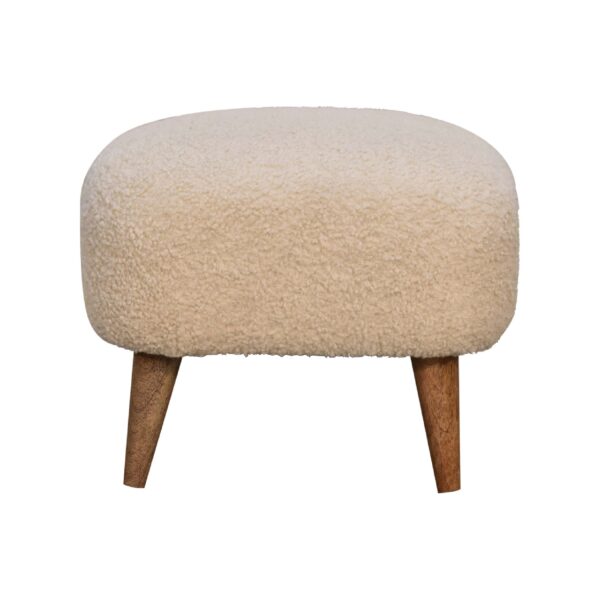

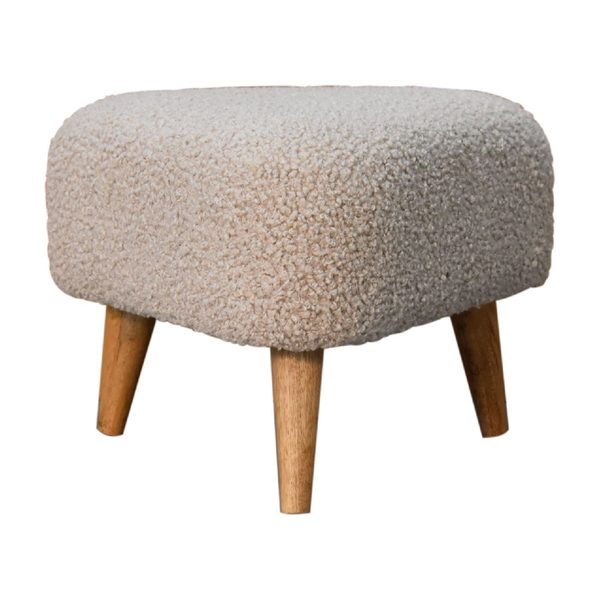
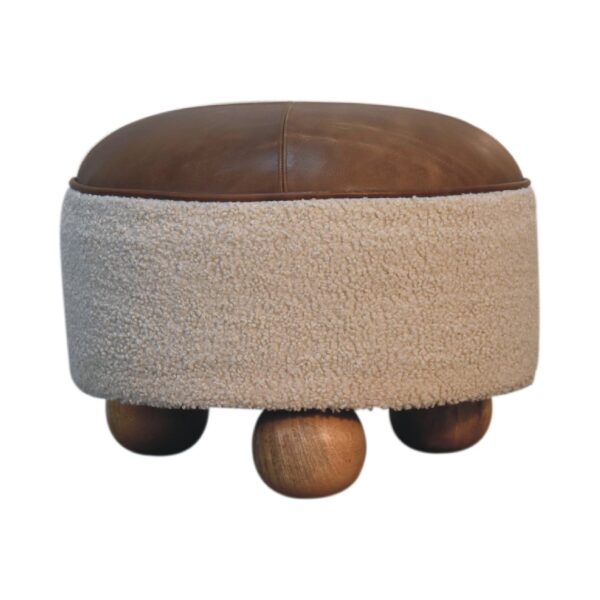
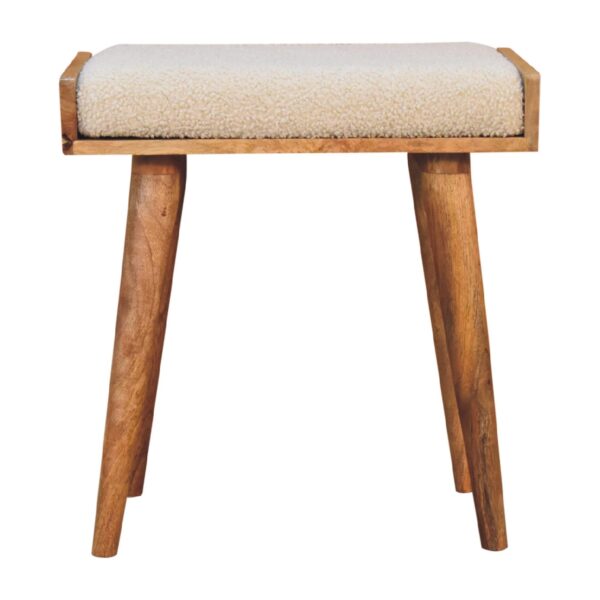
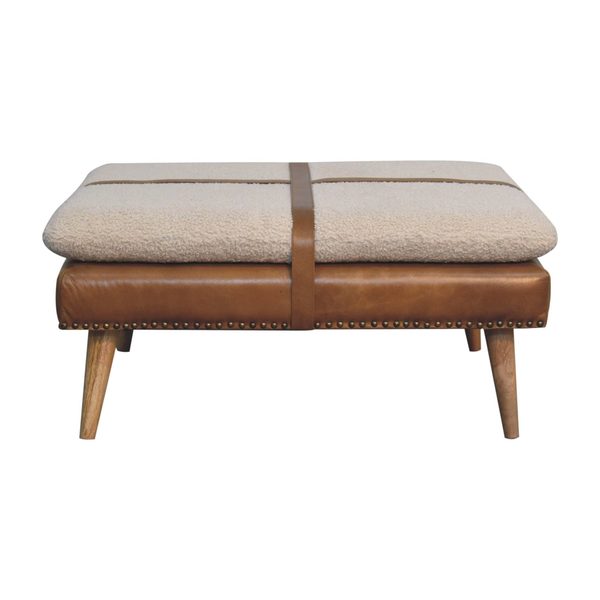
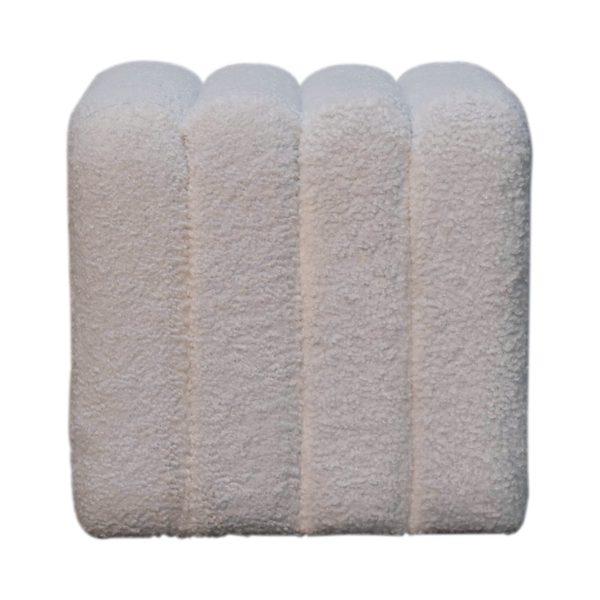
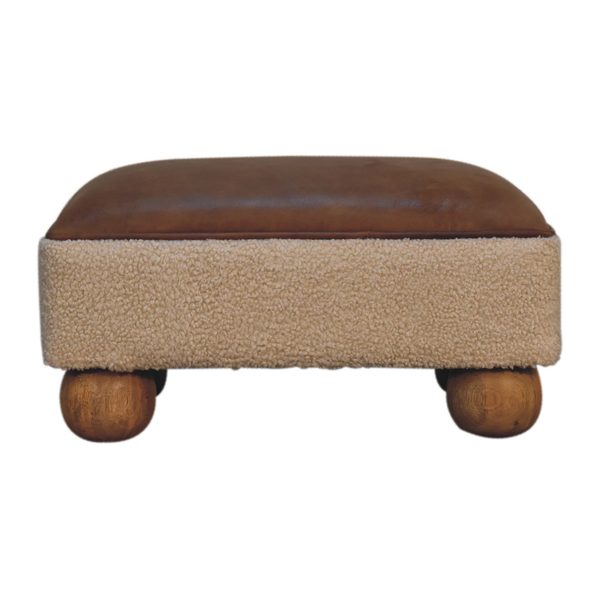
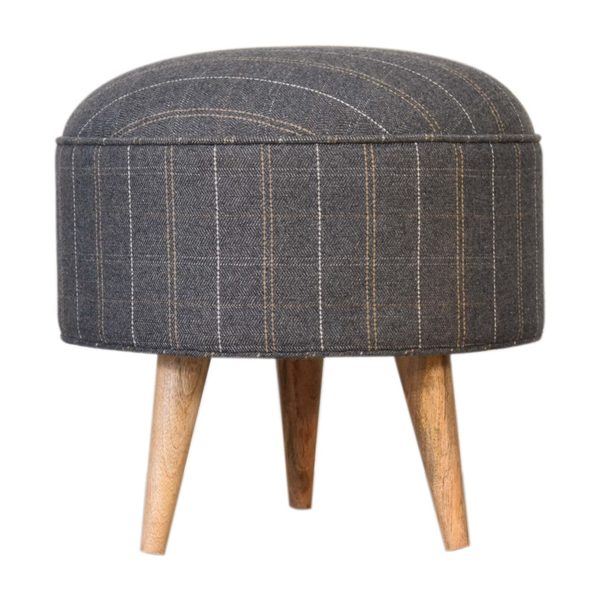
Match the resting top to your real chair position
Compare stool height with the seat you use and the way you sit, not with an unrelated styled chair. Check the top area that supports your feet and where its shape narrows. A rounded or covered edge may leave a different usable zone from the outside dimensions. Test the planned position with an existing reference where helpful.
Keep space for getting up and walking past the chair. A footstool should have a useful parked position when not in use as well. Round footstools or square footstools offer shape comparisons through actual measurements. Do not choose the bouclé texture before establishing that the resting arrangement works.
Choose loop scale beside the sofa and rug textures
Look at the actual covering close-up and across the room. Larger or more visible loops create a different surface effect from a quieter texture, especially beside woven upholstery or a patterned rug. Decide which material should lead and keep the amount of covered stool in that comparison. A small stool can still add noticeable texture beside a plain chair.
The bouclé label does not establish one fibre blend. Read the composition and any product-specific handling guidance. If pets or objects that could catch the surface share the space, ask about suitable care rather than assuming all looped coverings behave alike. Choose the textile character for the actual room routine.
Check foot-contact care and other intended uses
Read cleaning instructions for the selected covering and consider how feet or footwear will contact it. Do not assume a removable or washable cover. If the allowed maintenance does not suit the routine, compare another documented textile direction instead of relying on colour to resolve care.
Check the stool’s stated intended use and any loads before treating it as extra seating or a tabletop. Upholstery alone does not establish those roles. Leather footstools offer another covering comparison, with the actual leather type, finish and foot-contact care to compare. Confirm full dimensions and handling, then ask benssur about unclear fabric or use details before choosing a textured footrest for everyday relaxation.